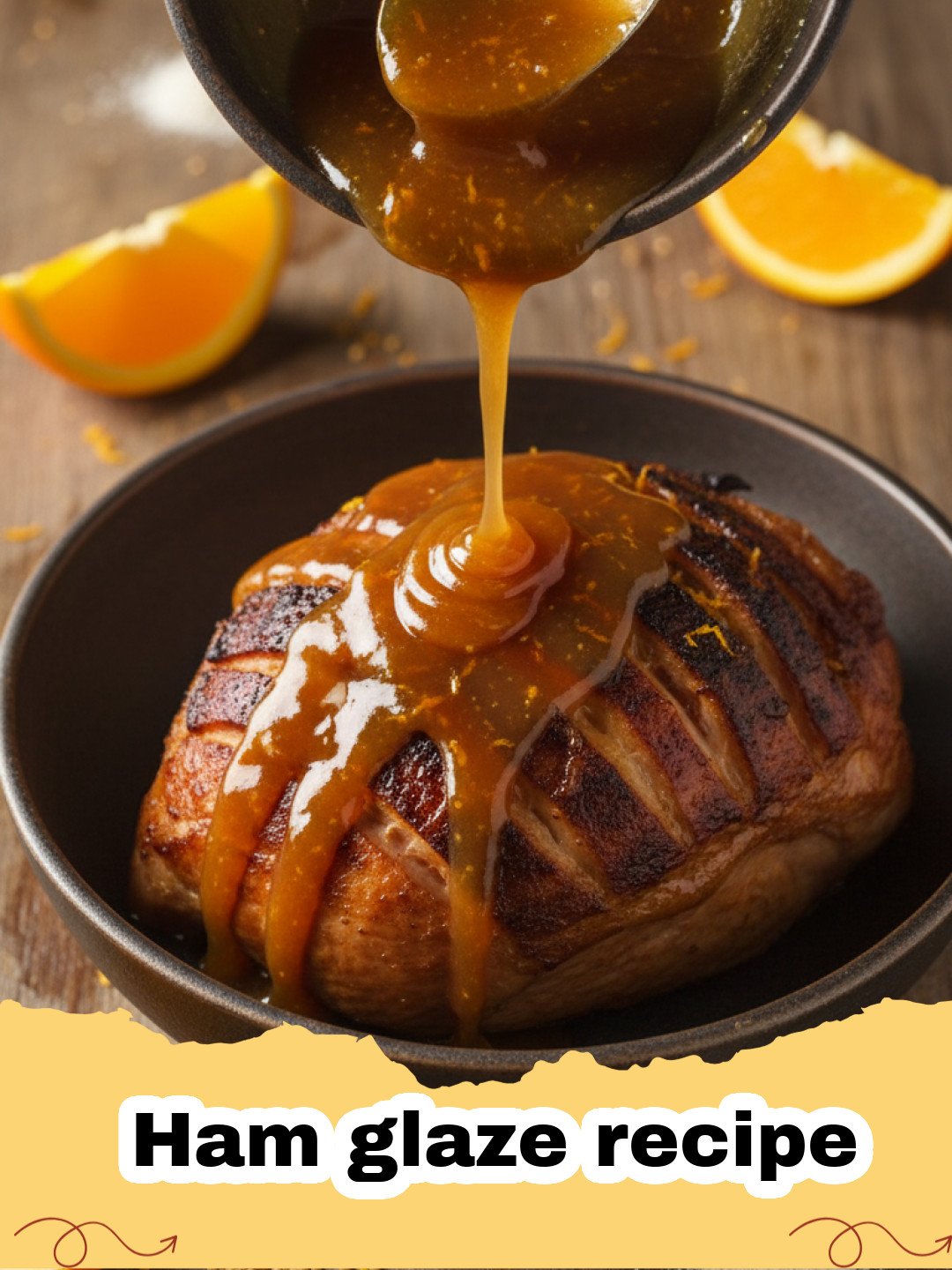
Finding the perfect Ham glaze recipe was a journey that took me back to my grandmother’s sun-drenched kitchen, where the aroma of cloves and melting sugar signaled the start of every festive season. I remember standing on a wooden stool, watching her carefully brush a shimmering, golden liquid over a massive bone-in ham. It wasn’t just about the food; it was about the anticipation. The way the sugar crackled under the heat and the vinegar cut through the richness of the meat created a sensory experience I’ve spent years trying to replicate. After dozens of trials and many holiday dinners, I’ve finally perfected this Ham glaze recipe, and today, I’m sharing all those little secrets with you. Whether you are hosting a grand Easter brunch or a cozy Christmas dinner, this recipe is designed to turn a standard roast into the undisputed star of the table.
Many people feel intimidated by the idea of glazing a ham, fearing it will either be too sweet or, worse, burnt. I used to feel the same way until I realized that a great Ham glaze recipe is really just a balance of chemistry and patience. You need the right ratio of sugars for caramelization, a touch of acid to balance the fat, and just enough spice to provide depth. This particular version uses honey for its floral notes and brown sugar for that deep, molasses-like crust that everyone fights over. When you pair this main dish with something like The Best Classic Deviled Eggs Recipe for Every Celebration, you create a cohesive, traditional menu that feels both nostalgic and professionally executed.
Why This Recipe is a Must-Try
- The Perfect Crust: This Ham glaze recipe utilizes the dual power of honey and brown sugar to create a thick, lacquered finish that is both sticky and crunchy.
- Versatile Flavor Profile: While it is deeply savory and sweet, the addition of Dijon mustard and apple cider vinegar ensures it never feels cloying.
- Foolproof Technique: Even if you are a beginner, the basting method used here ensures the ham stays juicy on the inside while the outside transforms into a masterpiece.
- Excellent for Leftovers: Any ham glazed with this mixture makes for incredible sandwiches or additions to split pea soup the next day.
Key Ingredient Notes
The success of any Ham glaze recipe lies in the quality of its components. First and foremost, let’s talk about the sugars. I prefer using dark brown sugar because it contains more molasses than light brown sugar, which leads to a more complex, toffee-like flavor profile. The honey acts as a liquid gold, helping the glaze flow into the crevices of the ham, especially if you are using a spiral-cut variety. If you find yourself with extra glaze or need a place to store the leftover ham, I highly recommend using high-quality Basics Glass Food Storage containers to keep everything fresh and prevent the sugar from absorbing refrigerator odors.
The second pillar of this Ham glaze recipe is the aromatics. Ground cloves are traditional, providing that warm, medicinal spice that is synonymous with baked ham. However, I also add a hint of garlic powder and smoked paprika. These aren't standard in every Ham glaze recipe, but they offer a subtle savory undertone that bridges the gap between the sweet exterior and the salty meat. Finally, the Dijon mustard acts as an emulsifier, holding the oil and sugars together so the glaze doesn't just slide off the meat into the bottom of the pan.
Step-by-Step Guide with Pro Tips
Preparing this Ham glaze recipe is a multi-stage process that begins long before the ham hits the high heat. First, you must ensure your ham is at the right temperature. Taking the ham out of the fridge about an hour before cooking allows it to heat more evenly. While the ham is in its initial roasting phase, you can prepare the glaze by simmering the ingredients on the stove. This step is crucial because it dissolves the sugar crystals, ensuring a smooth texture rather than a grainy one.
Pro Tip: Do not apply the Ham glaze recipe right at the beginning of the cooking time. Because of the high sugar content, the glaze will burn long before the ham is heated through. I usually wait until the last 30 to 45 minutes of roasting. During this final window, you should baste the ham every 15 minutes. This layering technique builds up a thick, glossy coat. If you want a side dish that matches this level of holiday perfection, try serving this alongside The Best Brown Sugar Candied Carrots Recipe for Holiday Feasts.
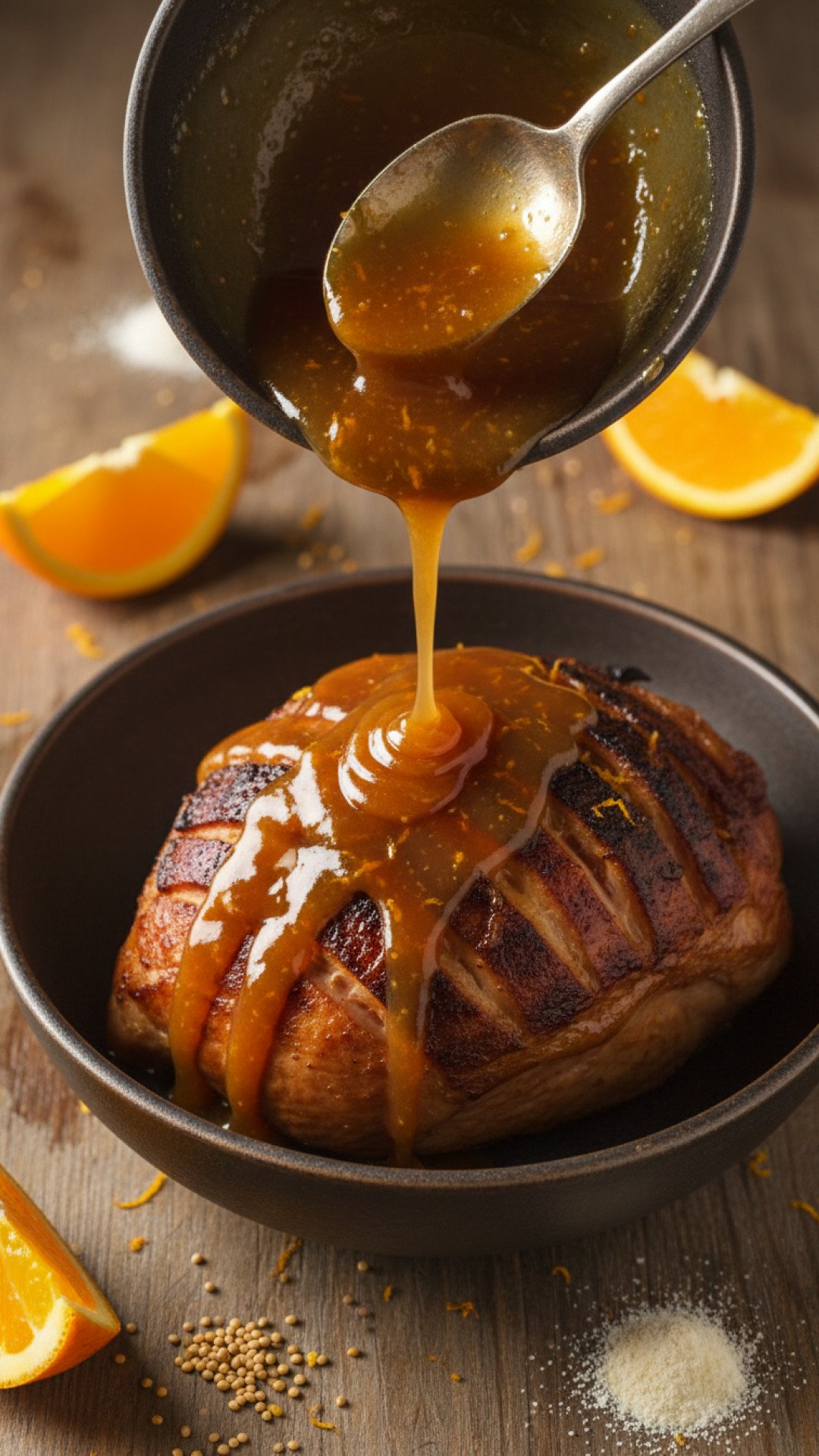
As you apply the Ham glaze recipe, use a pastry brush to really push the liquid into the scores of the ham. If you are using a spiral ham, be careful not to separate the slices too much, as this can cause the meat to dry out. The goal is to let the glaze drip down naturally. For the final five minutes, I like to turn the oven up to a broiler setting. Watch it like a hawk! This is when the "magic" happens—the sugar will bubble and darken into a beautiful mahogany color. Once you see those charred edges, pull it out immediately.
Variations & Serving Suggestions
One of the best things about a foundational Ham glaze recipe is how easily it can be adapted to your personal taste. For a tropical twist, you can replace the apple cider vinegar with pineapple juice and pin rings of pineapple to the ham with maraschino cherries and cloves. This "retro" look is always a hit at themed parties. If you prefer something more sophisticated, a splash of bourbon or rye whiskey added to the Ham glaze recipe provides a smoky, adult flavor that pairs beautifully with the saltiness of the pork.
When it comes to serving, presentation is everything. Let the ham rest for at least 20 minutes before carving. This allows the juices to redistribute and the Ham glaze recipe to set into a tacky, sliceable consistency. Serve the ham on a large platter garnished with fresh rosemary sprigs and halved oranges. The vibrant greens and oranges against the dark glaze make for a stunning centerpiece. For sides, think of textures; a creamy potato gratin or a crisp green salad provides a necessary contrast to the dense, rich ham.
Nutrition Information
Understanding the nutritional breakdown of your Ham glaze recipe is helpful for planning a balanced holiday meal. While this recipe is an indulgence, a little goes a long way in terms of flavor. Below is the estimate per serving (approximately 2 tablespoons of glaze used on a standard serving of ham):
| Nutrient | Amount Per Serving |
|---|---|
| Calories | 110 kcal |
| Carbohydrate Content | 24g |
| Cholesterol Content | 0mg |
| Fat Content | 0.5g |
| Fiber Content | 0g |
| Protein Content | 0.2g |
| Saturated Fat Content | 0g |
| Serving Size | 2 tbsp glaze |
| Sodium Content | 150mg |
| Sugar Content | 22g |
| Trans Fat Content | 0g |
| Unsaturated Fat Content | 0g |
Conclusion
Mastering the perfect Ham glaze recipe is a rewarding skill that will serve you well for years of celebrations to come. It transforms a simple cut of meat into a festive tradition that brings family and friends together. I hope this guide helps you feel confident in your kitchen and that your next holiday roast is the best one yet. Remember, the secret is in the basting and the balance of flavors. Don't be afraid to make this Ham glaze recipe your own by adding a pinch of your favorite spices or a splash of your favorite spirits. Happy cooking!
FAQs
Can I make this Ham glaze recipe ahead of time?
Yes! You can prepare the glaze up to 3 days in advance. Store it in an airtight container in the refrigerator and gently reheat it on the stove or in the microwave until it reaches a brushable consistency before using.
What is the best temperature to apply the glaze?
You should apply the glaze during the final 30 to 45 minutes of roasting, typically when the oven is set between 325u00b0F and 350u00b0F. If you apply it too early, the high sugar content will cause it to burn before the ham is heated through.
How do I prevent the ham glaze from burning?
The key to preventing burning is frequent basting and monitoring. Ensure there is some liquid (like water or juice) in the bottom of the roasting pan to create steam, and if the glaze looks like it is darkening too quickly, tent the ham loosely with aluminum foil.
Can I use this glaze on a precooked spiral ham?
Absolutely. This Ham glaze recipe is perfect for precooked spiral hams. Just follow the package directions for heating the meat, and apply the glaze in the final stages of the warming process to add flavor and moisture.
Brown Sugar and Honey Ham Glaze
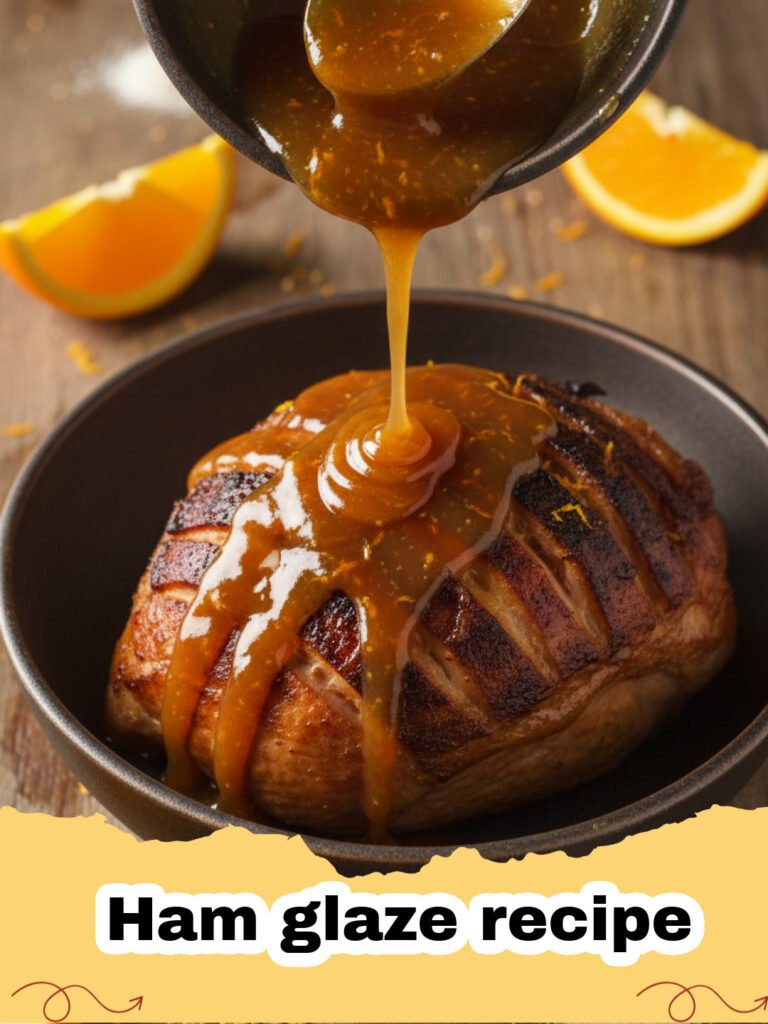
A classic, sticky, and sweet ham glaze with brown sugar, honey, and a hint of Dijon mustard for the perfect holiday crust.
- Total Time: 25 minutes
- Yield: 1.5 cups (serves 12-16) 1x
Ingredients
1 cup dark brown sugar, packed
1/2 cup honey
2 tablespoons Dijon mustard
1 tablespoon apple cider vinegar
1/2 teaspoon ground cloves
1/2 teaspoon garlic powder
1/4 teaspoon smoked paprika
Instructions
Step 1: In a small saucepan over medium heat, combine the brown sugar, honey, Dijon mustard, apple cider vinegar, and spices.
Step 2: Whisk the mixture constantly as it comes to a gentle simmer to ensure all sugar crystals are fully dissolved.
Step 3: Simmer for 3-5 minutes until the glaze thickens slightly and becomes glossy.
Step 4: Remove from heat and let it cool for a few minutes; it will continue to thicken as it cools.
Step 5: During the last 45 minutes of your ham's roasting time, brush a generous layer of the glaze over the entire surface.
Step 6: Repeat the basting every 15 minutes until a thick, caramelized crust forms.
Step 7: Optionally, broil for 2-3 minutes at the very end for extra char, watching closely to prevent burning.
Notes
If the glaze becomes too thick in the pan, simply reheat it with a teaspoon of water or apple juice to loosen it back up.
- Prep Time: 10 minutes
- Cook Time: 15 minutes
- Category: Main Dishes & Savory Recipes
- Cuisine: American
Nutrition
- Serving Size: 2 tbsp glaze
- Calories: 110 kcal
- Sugar: 22g
- Sodium: 150mg
- Fat: 0.5g
- Saturated Fat: 0g
- Unsaturated Fat: 0g
- Trans Fat: 0g
- Carbohydrates: 24g
- Fiber: 0g
- Protein: 0.2g
- Cholesterol: 0mg