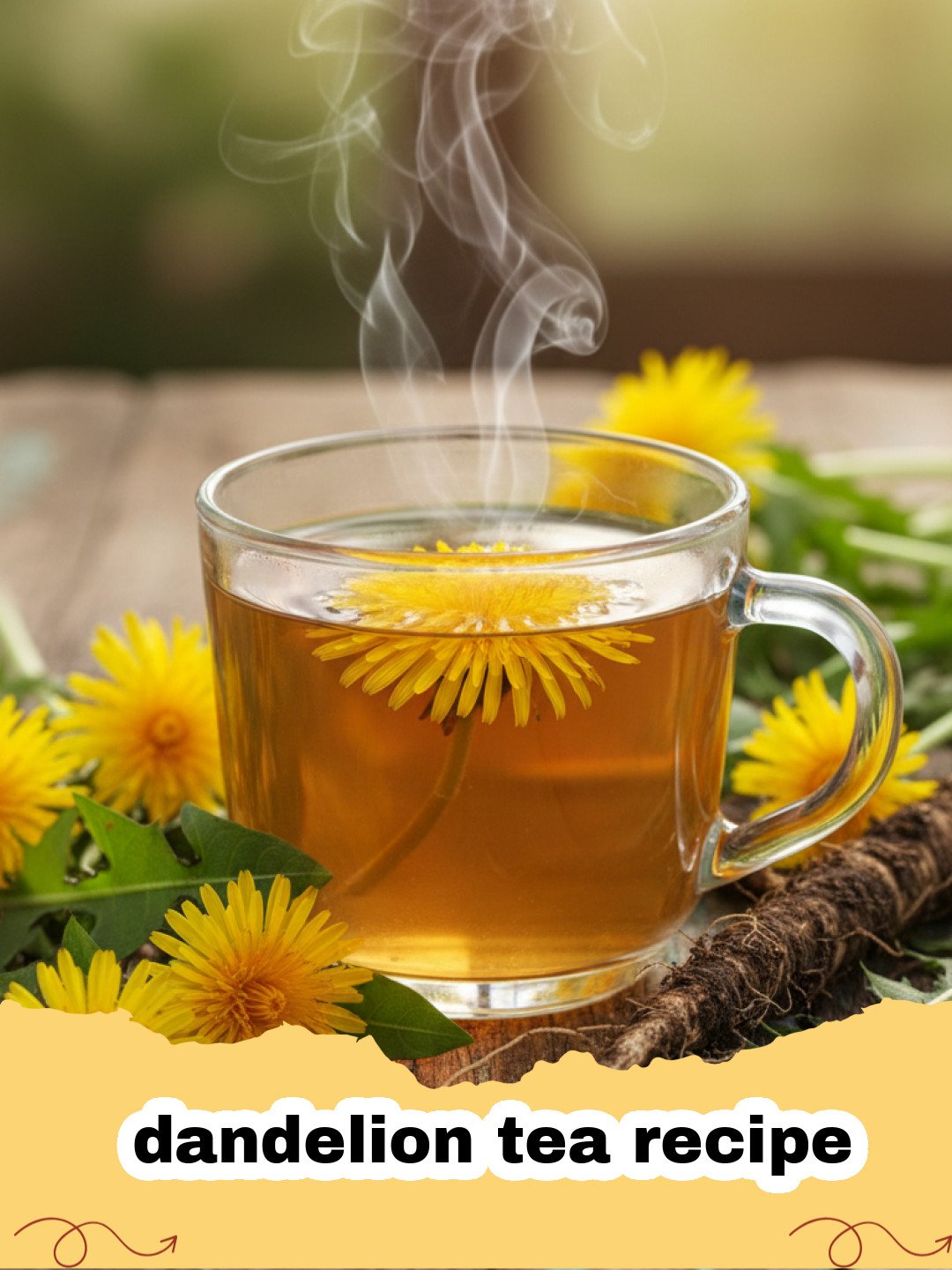
Why This Dandelion Tea Recipe is a Must-Try
Often dismissed as a common lawn pest, the dandelion (Taraxacum officinale) is, in fact, a powerhouse of nutrition and medicinal properties, cherished by herbalists for centuries. Incorporating this simple dandelion tea recipe into your daily routine offers a surprising array of benefits, transforming a common weed into a golden elixir:
- Natural Detoxification & Liver Support: One of the most celebrated aspects of dandelion is its remarkable ability to support the liver and kidneys. Dandelion tea acts as a gentle diuretic, helping your body flush out toxins and excess water. The compounds found in dandelion, particularly in the root, stimulate bile production, which is crucial for fat digestion and efficient waste removal from the liver. Regularly enjoying this dandelion tea recipe can aid in a natural, gentle cleansing of your system, leaving you feeling refreshed and revitalized.
- Rich in Essential Nutrients & Antioxidants: Beyond its detoxifying fame, dandelion is a nutritional marvel. Both the leaves and roots are incredibly rich in vitamins (especially A, C, and K), and vital minerals like iron, calcium, potassium, and magnesium. These nutrients contribute to overall well-being, from bone health to immune function. Furthermore, dandelions are packed with powerful antioxidants such as beta-carotene and polyphenols, which combat oxidative stress and protect your cells from damage. Every sip of this dandelion tea recipe is a nourishing treat for your body.
- Promotes Healthy Digestion: If you frequently experience bloating, indigestion, or sluggish digestion, dandelion tea might become your new best friend. The bitter compounds in dandelion stimulate digestive juices, including saliva and stomach acid, preparing your body to break down food more efficiently. This carminative effect helps to soothe digestive discomfort and promote a healthy gut flora. Enjoying a warm cup of this dandelion tea recipe after meals can be a wonderful way to support your digestive system naturally.
- Sustainable, Accessible & Cost-Effective: In a world where wellness often comes with a hefty price tag, the dandelion stands out as a free and sustainable resource. Growing abundantly in many regions, especially during spring and fall, dandelions are readily available for those willing to forage responsibly. Learning to prepare this dandelion tea recipe not only connects you to nature but also empowers you to create a potent herbal remedy without spending a dime. It's a truly self-sufficient and eco-friendly approach to health.
Key Ingredient Notes
The beauty of this dandelion tea recipe lies in its elegant simplicity, yet understanding the nuances of your key ingredients will elevate your brew from good to exceptional. Each part of the dandelion plant offers unique characteristics and benefits.
Fresh Dandelion Leaves
When you set out to forage for dandelion leaves, aim for the younger, more tender leaves. These are typically found in the early spring, before the plant has fully flowered, or again in the fall. Younger leaves boast a milder, slightly less bitter flavor, making them ideal for a more palatable tea. As the plant matures and flowers, the leaves tend to become tougher and more bitter. It is absolutely crucial to ensure you are collecting from an area that is completely free from pesticides, herbicides, and any other chemical treatments. Avoid roadsides, heavily trafficked areas, and public parks unless you are certain of their chemical-free status. The freshest leaves will yield the most vibrant, slightly grassy, and mineral-rich flavor in your homemade dandelion tea recipe. A thorough rinse under cold water is always a must to remove any lingering dirt or tiny insects.
Dandelion Roots
The dandelion root is the powerhouse of the plant, often compared to coffee for its deep, earthy flavor when roasted. The best times to harvest roots are in the fall, when the plant has stored maximum energy for winter dormancy, or in early spring before the plant expends its energy on flowering. Digging roots requires a little more effort than picking leaves; use a small trowel or fork to gently loosen the soil around the taproot, trying to extract as much of it as possible. After harvesting, scrub the roots meticulously under running water to remove all soil. You have two main options for preparation: use them fresh, or dry and roast them. Using fresh roots will provide a more raw, earthy taste. Roasting, however, transforms the flavor profile dramatically, intensifying their nutty and slightly bitter notes, creating a rich, almost coffee-like brew. To roast, simply chop the cleaned roots into small, uniform pieces (about 1/4 to 1/2 inch), spread them on a baking sheet, and bake at a low temperature (around 300°F or 150°C) for 2-3 hours, or until they are dark brown and brittle throughout. This process significantly enhances the depth of flavor in your dandelion tea recipe.
Filtered Water
Often overlooked, the quality of your water can profoundly impact the taste of your herbal tea. Using good quality filtered water is paramount for any delicate infusion, especially for a botanical brew like this. Tap water, laden with chlorine, fluoride, and other impurities, can impart off-flavors that detract from the subtle, nuanced profile of the dandelion. Filtered water ensures that the pure, unadulterated flavors of the dandelion – whether it’s the freshness of the leaves or the earthiness of the roots – truly shine through, allowing you to fully appreciate the natural essence of your homemade dandelion tea recipe. Think of it as a blank canvas upon which the dandelion’s true character can be painted.
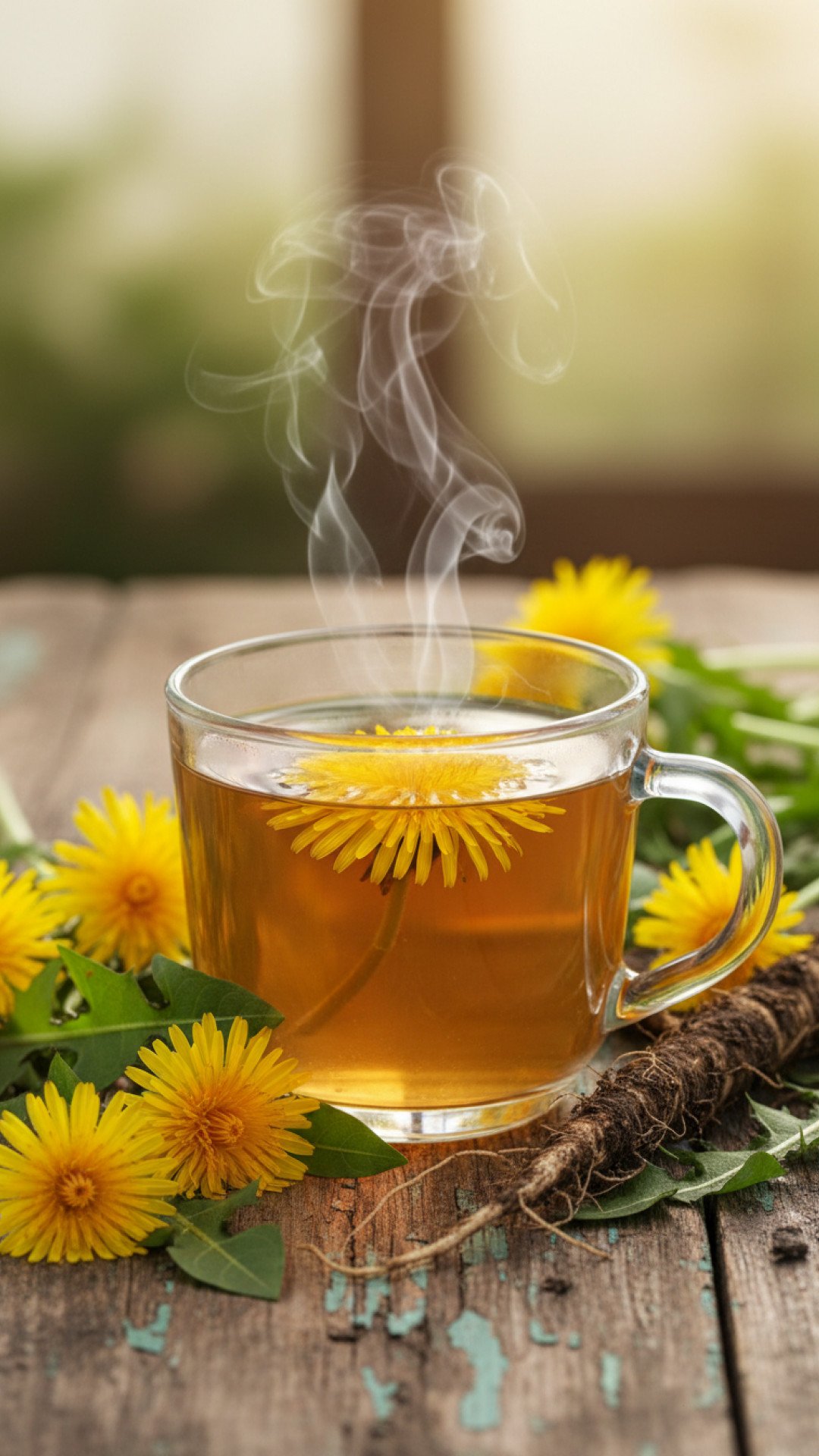
Step-by-Step Guide: Crafting Your Perfect Dandelion Tea Recipe
Embark on your journey to wellness with this straightforward dandelion tea recipe. Whether you're using fresh leaves, roots, or a combination, these detailed steps will guide you to a perfect brew, ensuring maximum flavor and potency.
- Step 1: Forage & Clean with Care: This crucial first step ensures the safety and purity of your tea. If you're using freshly foraged dandelions, carefully select plants from an area you are absolutely certain is free of pesticides, herbicides, and animal waste. Gently dig up the roots using a small hand trowel or fork, taking care not to damage the taproot too much. Snip the leaves close to the base. Once harvested, bring them indoors and rinse both the roots and leaves meticulously under cold running water. Use a small brush (like a vegetable brush) to scrub the roots thoroughly, removing every speck of dirt. This diligent cleaning is vital for a clean-tasting dandelion tea recipe.
- Step 2: Prepare Dandelion Components for Brewing: Precision in preparation will enhance the extraction of flavors and beneficial compounds. For fresh leaves, simply chop them roughly into 1-inch pieces. This increases their surface area, allowing for better infusion. For fresh roots, scrub them impeccably clean, then chop them into small, uniform pieces, about 1/4 to 1/2 inch in size. If you prefer the deeper, roasted flavor, you can dry and then roast these root pieces as described in the "Key Ingredient Notes" section. If you're using pre-dried or commercially roasted dandelion roots, ensure they are in a suitable size for brewing.
- Step 3: Combine Ingredients for Infusion: In a small saucepan, kettle, or a sturdy teapot, add your prepared dandelion leaves and roots. A good starting point for this dandelion tea recipe is 1-2 tablespoons of combined plant material (either all leaves, all roots, or a mix) per cup of water. You can always adjust this ratio in subsequent brews to match your preferred strength and bitterness.
- Step 4: Add Filtered Water: Pour 2 cups of high-quality filtered water over the dandelion material. Using filtered water ensures that no unwanted flavors or chemicals from tap water interfere with the delicate, earthy notes of your dandelion tea.
- Step 5: Master the Steeping Process (Simmer for Roots, Steep for Leaves): This step is where the magic happens, and it varies slightly depending on the part of the plant you're using.
- For Root Tea: If you are primarily using dandelion roots (fresh or roasted), bring the water and roots to a gentle simmer over medium heat. Allow it to simmer for 10-15 minutes. This decoction method is necessary to extract the more robust compounds from the dense root material.
- For Leaf Tea: If you are primarily using fresh dandelion leaves, bring the water to a rolling boil separately, then pour it over the leaves in your teapot. Steep for 5-10 minutes. Leaves infuse more quickly and can become quite bitter if over-steeped.
- For a Combination: If you're using both roots and leaves, first simmer the roots for about 10 minutes. Then, remove from heat, add the leaves, and let the entire mixture steep for an additional 5 minutes. The longer you steep or simmer, the stronger and potentially more bitter your dandelion tea will be.
- Step 6: Strain for Clarity: Once your tea has steeped to your desired strength, use a fine-mesh strainer or several layers of cheesecloth to strain the liquid into your serving cups or a heat-proof pitcher. Discard the spent plant material responsibly (it can be composted!). For convenient storage of any leftover brew, consider using airtight Basics Glass Food Storage containers in the refrigerator, keeping it fresh for several days.
- Step 7: Serve & Savor Your Homemade Elixir: Your homemade dandelion tea is now perfectly brewed and ready to enjoy! Serve it warm, taking a moment to appreciate the earthy aroma and the natural goodness in your cup.
Pro Tips for the Best Dandelion Tea Recipe:
- Taste Test as You Go: The bitterness of dandelion can vary greatly depending on the season, plant maturity, and steeping time. Don't be afraid to taste your tea during the steeping process to find your perfect balance. Start with shorter steeping times and less plant material, then adjust in future batches until you achieve your ideal strength for this dandelion tea recipe.
- Flavor Boosters for Palatability: If the natural, earthy taste is a little too robust or bitter for your palate, there are many ways to enhance its flavor. Consider adding a thin slice of fresh lemon, a spoonful of raw honey or maple syrup, a pinch of warming cinnamon, or a few fresh mint leaves during the last few minutes of steeping. These additions can beautifully complement the dandelion's natural profile.
- Batch Brewing for Convenience: Save time and ensure a consistent supply by making a larger batch of your dandelion tea. Once brewed and strained, allow it to cool completely before transferring it to an airtight container. Store it in the refrigerator for up to 3-4 days. It’s surprisingly delicious served chilled as well, offering a refreshing alternative on warmer days. This approach makes it incredibly easy to incorporate this healthy dandelion tea recipe into your daily wellness routine without daily preparation.
Variations & Serving Suggestions for Your Dandelion Tea Recipe
The core dandelion tea recipe is a fantastic starting point, but its versatility truly shines when you begin to experiment. Don’t be afraid to play with flavors and serving styles to perfectly suit your palate and lifestyle. Exploring new ways to enjoy your dandelion tea recipe is part of the fun and discovery!
Flavor Variations to Delight Your Senses:
- Spiced Dandelion Tea: For a warming, aromatic, and deeply comforting brew, consider infusing your dandelion tea with classic spices. Add a cinnamon stick, a few whole cloves, a star anise pod, or a few slices of fresh ginger during the simmering stage (especially when brewing roots). These spices not only add incredible depth of flavor but also bring their own set of digestive and anti-inflammatory benefits, enhancing the traditional dandelion tea recipe beautifully.
- Citrus Infusion: A bright squeeze of fresh lemon, lime, or orange juice after steeping can dramatically brighten the flavor profile of your dandelion tea, cutting through any perceived bitterness and adding a welcome zesty note. Citrus also provides an extra boost of vitamin C. A thin slice of lemon or orange peel (ensure it's organic and well-washed) added during steeping can also infuse subtle aromatic oils into your dandelion tea recipe.
- Minty Fresh Dandelion Tea: For an incredibly refreshing and palate-cleansing experience, toss in a few fresh mint leaves (peppermint or spearmint work wonderfully) during the last few minutes of steeping. The cool, invigorating notes of mint perfectly complement the earthy undertones of dandelion, creating a delightful herbal fusion.
- Sweet & Smooth Dandelion Latte: For those who prefer a creamier, sweeter tea experience, transform your roasted dandelion root tea into a latte. After brewing, stir in a spoonful of your favorite natural sweetener like honey, maple syrup, or stevia. Then, add a splash of warm milk – dairy or a plant-based alternative like almond, oat, or cashew milk. The roasted roots pair exceptionally well with this creamy texture, making for a wonderfully comforting and caffeine-free dandelion tea recipe that feels like a treat.
Creative Serving Suggestions:
- Morning Pick-Me-Up Alternative: If you're looking to reduce your caffeine intake, a cup of roasted dandelion root tea is an excellent substitute for your morning coffee. It offers a similar dark, rich flavor profile without the jitters, and provides a gentle, sustained energy boost while supporting your liver from the start of the day. It’s a fantastic, health-conscious way to begin with this healthy dandelion tea recipe.
- Afternoon Digestive Aid: Enjoy a warm cup of dandelion leaf tea approximately 15-30 minutes after lunch or dinner. Its bitter compounds stimulate digestion and help alleviate feelings of fullness or bloating, making it an ideal post-meal elixir.
- Chilled Refresher for Summer: Brew a stronger batch of dandelion tea, allow it to cool completely, and then chill it in the refrigerator. Serve it over ice with a wedge of lemon or a sprig of mint for a wonderfully refreshing and detoxifying summer drink. It’s a sophisticated and healthy alternative to sugary sodas or iced teas. For more nourishing beverage ideas that can double as healthy snacks, you might also enjoy our guide to The Ultimate Guide to Creamy Vanilla Chia Pudding Recipes.
- Herbal Blends for Enhanced Benefits: Dandelion tea blends beautifully with other beneficial herbs. Consider combining it with nettle for an additional diuretic and mineral boost, ginger for digestive comfort, or chamomile for a calming evening brew. Experiment to create your own personalized herbal tonic.
Experimenting with these variations and serving ideas will not only help you find your absolute favorite way to enjoy this powerful dandelion tea recipe, but it will also make incorporating this ancient herbal wisdom into your modern wellness routine both enjoyable and sustainable.
Nutrition Information
While exact nutritional values can vary based on preparation and ingredients, this dandelion tea recipe offers a generally low-calorie, nutrient-rich beverage.
| Nutrient | Amount per Serving (1 cup) |
|---|---|
| Calories | 5 kcal |
| Carbohydrates | 1g |
| Cholesterol | 0mg |
| Total Fat | 0g |
| Fiber | 0g |
| Protein | 0g |
| Saturated Fat | 0g |
| Sodium | 5mg |
| Sugar | 0g |
| Trans Fat | 0g |
| Unsaturated Fat | 0g |
Dandelion tea is particularly noted for its high content of vitamins A, C, and K, as well as minerals like iron and potassium, even if the overall caloric and macronutrient values are low. It’s a truly nourishing drink!
Embracing the humble dandelion as a source of profound wellness is truly a journey back to nature's simple, yet powerful, gifts. This dandelion tea recipe is far more than just a drink; it's a centuries-old tradition, a gentle detoxifier, and a vibrant celebration of the potent goodness found right in our backyards and wild spaces. From its liver-supporting roots to its nutrient-rich leaves, every part of this remarkable plant offers something special.
So, the next time you spot those cheerful yellow blooms dotting your lawn or a meadow, remember the incredible potential they hold. Take a moment to connect with nature, perhaps even try your hand at responsible foraging, and brew yourself a cup of this golden elixir. Making your own dandelion tea recipe offers a profound connection to nature's healing power, a sustainable path to wellness, and a delicious way to nourish your body from the inside out. Happy foraging, and happy brewing your very own revitalizing dandelion tea recipe!
FAQs
Is dandelion tea safe to drink every day?
For most healthy individuals, dandelion tea is safe for daily consumption. However, it's always wise to consult with a healthcare professional, especially if you are pregnant, breastfeeding, taking medications, or have pre-existing health conditions, as dandelions can interact with certain drugs (like diuretics or blood thinners) or allergies (e.g., to ragweed, chrysanthemums, marigolds, or daisies).
What are the main health benefits of dandelion tea?
Dandelion tea is highly regarded for its potential health benefits, including supporting liver detoxification, acting as a natural diuretic to reduce bloating, aiding digestion, and providing a rich source of vitamins (A, C, K) and minerals (iron, calcium, potassium). It's also packed with antioxidants that help fight free radical damage.
How do I forage for dandelions safely for my tea recipe?
To forage dandelions safely, choose areas that are free from pesticides, herbicides, and pollutants, such as your own organic garden or wild, undeveloped land far from roadsides. Avoid areas that pets frequent. Harvest young leaves for less bitterness and roots in the fall or early spring for maximum potency. Always thoroughly wash all parts of the plant before use.
Can I use dried dandelion roots or leaves instead of fresh?
Absolutely! Dried dandelion roots and leaves are excellent for making tea, especially if fresh ones are not in season or readily available. You can purchase them from reputable herbal suppliers or dry your own foraged dandelions. For dried roots, you'll want to simmer them longer, similar to how you would brew fresh roots. Dried leaves can be steeped like fresh leaves, though you might need slightly less as their flavor is more concentrated.
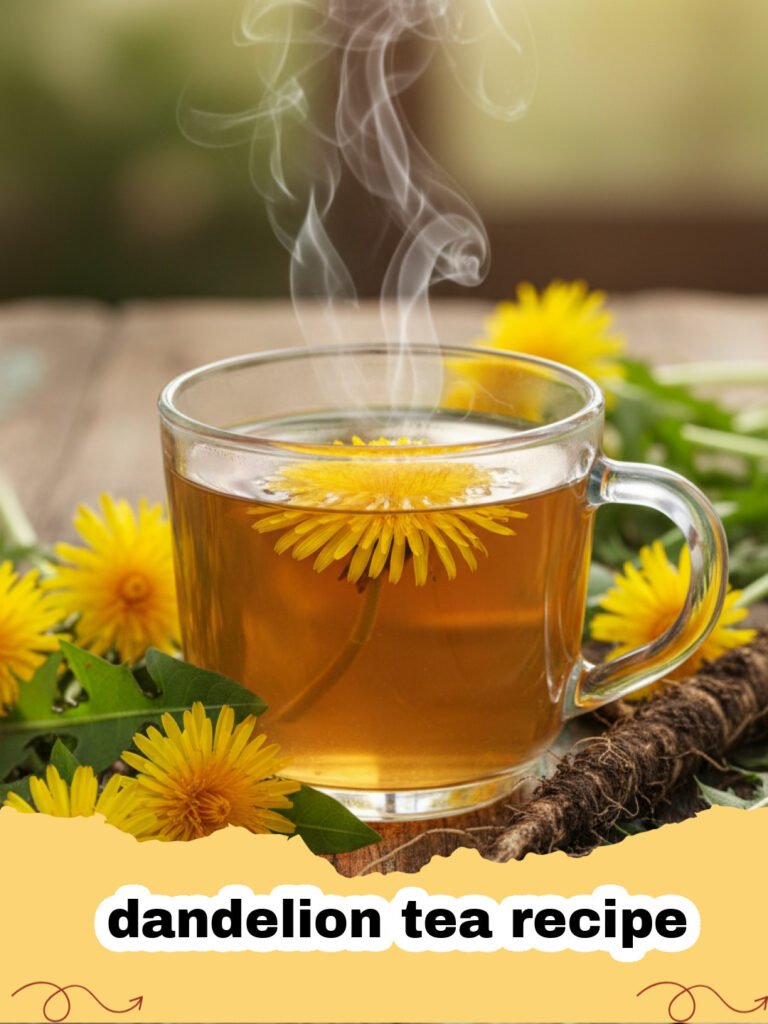
Homemade Dandelion Tea
A simple and potent homemade dandelion tea recipe, perfect for a gentle detox and boosting overall well-being. This guide covers how to harvest, clean, and brew both roasted root and fresh leaf tea.
- Total Time: 40-50 minutes
- Yield: 2 servings 1x
Ingredients
1-2 tablespoons fresh dandelion leaves (chopped)
1-2 tablespoons fresh dandelion roots (scrubbed and chopped or dried/roasted)
2 cups filtered water
Optional: Honey, lemon slice, or a pinch of cinnamon for flavor
Instructions
Step 1: Forage & Clean with Care: If you're using freshly foraged dandelions, carefully select plants from an area you are absolutely certain is free of pesticides, herbicides, and animal waste. Gently dig up the roots using a small hand trowel or fork, taking care not to damage the taproot too much. Snip the leaves close to the base. Once harvested, bring them indoors and rinse both the roots and leaves meticulously under cold running water. Use a small brush (like a vegetable brush) to scrub the roots thoroughly, removing every speck of dirt. This diligent cleaning is vital for a clean-tasting dandelion tea recipe.
Step 2: Prepare Dandelion Components for Brewing: Precision in preparation will enhance the extraction of flavors and beneficial compounds. For fresh leaves, simply chop them roughly into 1-inch pieces. This increases their surface area, allowing for better infusion. For fresh roots, scrub them impeccably clean, then chop them into small, uniform pieces, about 1/4 to 1/2 inch in size. If you prefer the deeper, roasted flavor, you can dry and then roast these root pieces as described in the "Key Ingredient Notes" section. If you're using pre-dried or commercially roasted dandelion roots, ensure they are in a suitable size for brewing.
Step 3: Combine Ingredients for Infusion: In a small saucepan, kettle, or a sturdy teapot, add your prepared dandelion leaves and roots. A good starting point for this dandelion tea recipe is 1-2 tablespoons of combined plant material (either all leaves, all roots, or a mix) per cup of water. You can always adjust this ratio in subsequent brews to match your preferred strength and bitterness.
Step 4: Add Filtered Water: Pour 2 cups of high-quality filtered water over the dandelion material. Using filtered water ensures that no unwanted flavors or chemicals from tap water interfere with the delicate, earthy notes of your dandelion tea.
Step 5: Master the Steeping Process (Simmer for Roots, Steep for Leaves): This step is where the magic happens, and it varies slightly depending on the part of the plant you're using. If you are primarily using dandelion roots (fresh or roasted), bring the water and roots to a gentle simmer over medium heat. Allow it to simmer for 10-15 minutes. This decoction method is necessary to extract the more robust compounds from the dense root material. If you are primarily using fresh dandelion leaves, bring the water to a rolling boil separately, then pour it over the leaves in your teapot. Steep for 5-10 minutes. Leaves infuse more quickly and can become quite bitter if over-steeped. If you're using both roots and leaves, first simmer the roots for about 10 minutes. Then, remove from heat, add the leaves, and let the entire mixture steep for an additional 5 minutes. The longer you steep or simmer, the stronger and potentially more bitter your dandelion tea will be.
Step 6: Strain for Clarity: Once your tea has steeped to your desired strength, use a fine-mesh strainer or several layers of cheesecloth to strain the liquid into your serving cups or a heat-proof pitcher. Discard the spent plant material responsibly (it can be composted!). For convenient storage of any leftover brew, consider using airtight glass food storage containers in the refrigerator, keeping it fresh for several days.
Step 7: Serve & Savor Your Homemade Elixir: Your homemade dandelion tea is now perfectly brewed and ready to enjoy! Serve it warm, taking a moment to appreciate the earthy aroma and the natural goodness in your cup.
Notes
Ensure dandelions are harvested from an area free of pesticides and pollutants. The strength of the tea can be adjusted by varying the amount of dandelion material and steeping time. Store any excess dried roots in an airtight container for future use.
- Prep Time: 30 minutes (for foraging and cleaning)
- Cook Time: 10-20 minutes (brewing)
- Category: Drinks, Snacks & Holiday Treats
- Cuisine: Herbal
Nutrition
- Serving Size: 1 cup
- Calories: 5 kcal
- Sugar: 0g
- Sodium: 5mg
- Fat: 0g
- Saturated Fat: 0g
- Unsaturated Fat: 0g
- Trans Fat: 0g
- Carbohydrates: 1g
- Fiber: 0g
- Protein: 0g
- Cholesterol: 0mg