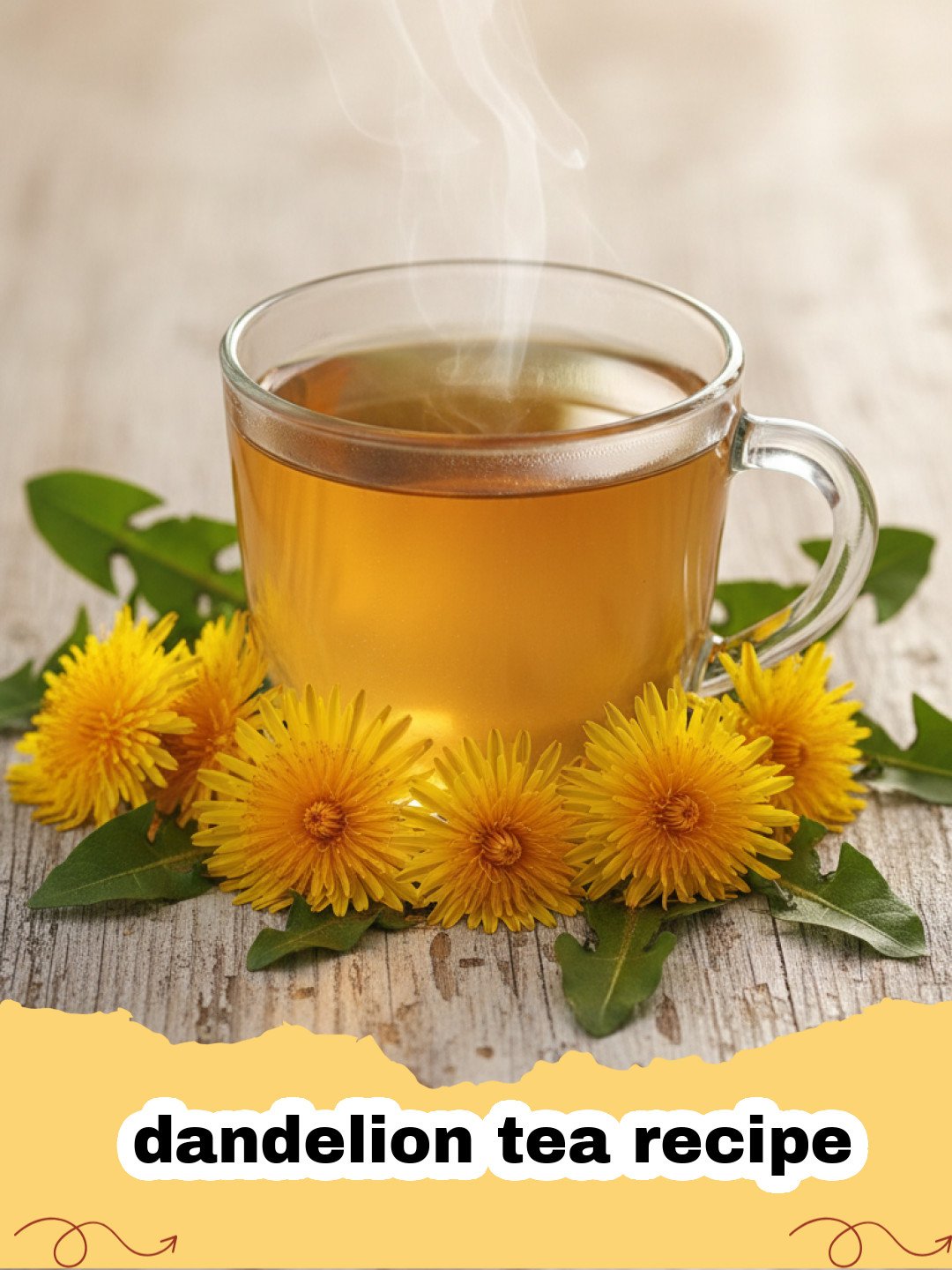
The first time I ever tasted a true dandelion tea recipe, I wasn't in some trendy cafe or health food store. I was a child, probably no older than seven, kneeling in my grandmother's sprawling, untamed garden. To me, dandelions were merely 'wishes' waiting to be blown, or perhaps, the bane of my father's meticulously manicured lawn. But to my grandmother, a woman whose wisdom ran as deep as the roots of the earth, they were medicine, food, and comfort. She’d spend hours carefully digging up the roots, her hands caked with soil, humming old tunes. Then, with an almost magical transformation, she’d roast them, their earthy aroma filling her tiny kitchen, promising a brew unlike any other. That first sip of her homemade dandelion tea was a revelation – slightly bitter, deeply grounding, and surprisingly soothing. It wasn't just a drink; it was a connection to nature, to tradition, and to the quiet power of simple, wholesome ingredients. This memory is why sharing this dandelion tea recipe feels so special to me, a way to pass on a little piece of that magic, and to invite you into the world of this incredible, often overlooked plant.
Many years have passed since those childhood days, but my appreciation for the humble dandelion has only grown. As an adult, I've come to understand the science behind my grandmother's folk wisdom. Dandelions are a powerhouse of nutrients and beneficial compounds, making a fresh, homemade dandelion tea recipe not just a nostalgic drink but a potent wellness elixir. Forget expensive supplements; nature often provides the best remedies right in our backyards. Learning to identify, harvest, and prepare dandelions for tea is a truly rewarding experience, connecting you more deeply to your food sources and offering a sense of self-sufficiency. If you've ever felt overwhelmed by the sheer volume of health trends, take a step back with me and embrace the simplicity and efficacy of this ancient brew. You might just find your new favorite, naturally beneficial drink.
Why This Dandelion Tea Recipe is a Must-Try
- Natural Detoxifier: Dandelion tea is renowned for its liver-supporting and diuretic properties, helping your body naturally cleanse and flush out toxins. It’s a gentle yet effective way to support your body’s natural detoxification pathways, leaving you feeling refreshed and revitalized.
- Rich in Nutrients: Far from being just a 'weed,' dandelions are packed with vitamins A, C, K, E, and B vitamins, as well as minerals like iron, calcium, magnesium, and potassium. This dandelion tea recipe is a delicious way to incorporate these essential nutrients into your diet.
- Digestive Aid: The natural bitterness of dandelion stimulates digestion and helps with bile production, which can alleviate issues like bloating and indigestion. A warm cup after a meal can be incredibly soothing and aid in nutrient absorption.
- Sustainable & Cost-Effective: If you have access to a clean, chemical-free yard, dandelions are essentially free! Learning to make your own dandelion tea recipe from foraged ingredients is a wonderful way to embrace sustainable living and reduce your grocery bill. Plus, foraging can be a meditative and grounding activity.
Key Ingredient Notes
While the beauty of this dandelion tea recipe lies in its simplicity, understanding your key ingredients will elevate your brewing experience and ensure safety.
Dandelion Roots & Leaves (Fresh is Best!)
This is the star of our show! When it comes to dandelions, every part of the plant is edible and beneficial. For tea, we focus on the roots and leaves, with an option to include the flowers for a milder flavor and beautiful color. Here’s what to look for and keep in mind:
- Foraging Safely: The most crucial step! Only forage dandelions from areas you know are free from pesticides, herbicides, and pet waste. Avoid roadsides or industrial areas. Look for healthy, vibrant plants in your own chemical-free yard or a trusted natural space. Early spring is ideal for tender leaves, while fall is best for robust roots, though you can forage year-round in many climates.
- Roots: These are the powerhouse, especially when roasted. Roasting the roots develops a rich, slightly bitter, coffee-like flavor, adding depth and body to your dandelion tea recipe. They contain inulin, a prebiotic fiber, and other beneficial compounds.
- Leaves: Dandelion leaves offer a slightly more bitter, grassy, and fresh taste. They are loaded with vitamins and minerals. Young, tender leaves are less bitter than older ones.
- Cleaning: Whether roots or leaves, thorough cleaning is paramount. Rinse them multiple times under cold running water, scrubbing roots with a stiff brush to remove all soil.
Pure Water
Just like with any tea or coffee, the quality of your water significantly impacts the final taste of your dandelion tea recipe. Use filtered or spring water if possible to avoid chlorine or other off-flavors that can detract from the delicate nuances of the dandelion. A good quality water base allows the true essence of the dandelion to shine through, creating a truly refreshing and pure cup.
Optional Enhancements: Honey & Lemon
While I encourage you to try your dandelion tea plain first to appreciate its natural flavor, honey and lemon are classic additions that can brighten and balance the tea. A squeeze of fresh lemon juice adds a zesty note and a boost of Vitamin C, while a touch of local honey can mellow any bitterness and add a comforting sweetness. Experiment with other additions too, like a slice of ginger or a sprig of fresh mint, to customize your dandelion tea recipe to your liking.

Step-by-Step Guide with Pro Tips
Making your own **dandelion tea recipe** is a journey from the earth to your cup. Here's how to do it right, with a few pro tips to ensure the best possible brew.
Before you begin, ensure you have properly identified your dandelions and are harvesting from a clean, pesticide-free area. This is essential for both safety and taste. If you're unsure about foraging, you can often find dried dandelion root and leaf at health food stores or online, though fresh offers the most vibrant flavor.
Gathering Your Ingredients: The Forager's Harvest
- What you'll need: A small trowel or digging fork, a basket or bag for collecting, a stiff brush for cleaning.
- Pro Tip: Early spring for tender leaves, late fall for larger, more potent roots. Dig deep to get the entire taproot. Remember, dandelions are resilient, so harvesting won't typically harm your lawn long-term!
Preparation & Cleaning: The Foundation of Flavor
This is arguably the most crucial step for a delicious and safe dandelion tea recipe.
- Dandelion Roots: Thoroughly wash the roots under cold running water. Use a stiff brush (a dedicated vegetable brush works great) to scrub away all dirt and soil. You can peel them if desired, but it's not strictly necessary. Chop the clean roots into small, uniform pieces (about 1/4 to 1/2 inch).
- Dandelion Leaves: Rinse the leaves multiple times, paying close attention to the crevices where dirt might hide. Pat them dry or use a salad spinner. You can roughly chop them or leave them whole.
- Optional Flowers: If using, rinse gently and pat dry.
Roasting the Roots (Optional but Highly Recommended!)
Roasting transforms the roots, giving your dandelion tea recipe a richer, more complex, coffee-like flavor. If you prefer a lighter, more herbaceous tea, you can skip this step and use raw roots.
- Step 1: Preheat your oven to 300°F (150°C).
- Step 2: Spread the chopped dandelion roots in a single layer on a baking sheet.
- Step 3: Roast for 20-40 minutes, stirring occasionally, until the roots are dark brown and fragrant. Be careful not to burn them, as this will result in a bitter taste. The roasting time depends on the size of your root pieces and your oven. Keep a close eye on them!
- Step 4: Once roasted, allow the roots to cool completely. You can store dried, roasted roots in an airtight glass container for future use, similar to coffee beans.
Brewing Your Dandelion Tea
Now for the magical part: bringing your **dandelion tea recipe** to life!
- Step 1: In a small saucepan, combine 4 cups of filtered water with 1-2 tablespoons of chopped fresh or roasted dandelion roots. If using dried roots, use 1 tablespoon.
- Step 2: Bring to a gentle boil, then reduce heat to low and simmer for 10-15 minutes. Simmering helps extract the beneficial compounds from the tougher roots.
- Step 3: Remove the saucepan from the heat. Add 1-2 tablespoons of fresh dandelion leaves (or 1 teaspoon of dried leaves). If using dandelion flowers, add them now too.
- Step 4: Cover the saucepan and let steep for another 5-10 minutes. The longer it steeps, the stronger and more bitter the tea will be. Adjust to your taste preference.
- Step 5: Strain the tea through a fine-mesh sieve into cups, removing all plant material.
- Step 6: Serve warm. Add honey, lemon, or other desired sweeteners/flavorings to taste.
This dandelion tea recipe is best enjoyed fresh. Feel free to adjust the quantities of roots and leaves based on your preference for strength and bitterness. Remember, consistency is key if you're drinking it for health benefits.
Variations & Serving Suggestions
This basic dandelion tea recipe is a fantastic starting point, but don't hesitate to get creative! Here are some ideas to keep things interesting:
- Iced Dandelion Tea: Brew a stronger batch of tea and let it cool completely. Pour over ice cubes and garnish with a lemon wedge or fresh mint for a refreshing summer drink. This is a delightful way to enjoy the benefits when the weather is warm.
- Spiced Dandelion Brew: Add warming spices like a cinnamon stick, a few cloves, or a slice of fresh ginger to the pot while simmering the roots. These spices not only add flavor but also bring their own set of health benefits. This is especially comforting on a cold day.
- Minty Fresh Dandelion Tea: Add a few sprigs of fresh peppermint or spearmint leaves during the steeping phase for a wonderfully uplifting and digestive-friendly twist. The mint complements the earthy notes of the dandelion beautifully.
- Citrus Zest Infusion: For a brighter flavor profile, add a few strips of organic orange or lemon peel (avoid the white pith, which can be bitter) to the steeping tea. The essential oils from the zest add a fragrant, aromatic dimension.
- Herbal Blend: Combine dandelions with other beneficial herbs. Chamomile can add a calming effect, while nettle leaves offer additional nutrients. Just be sure to research the proper brewing times for any added herbs.
Serving Suggestions:
- Enjoy your dandelion tea recipe warm in the morning as a gentle wake-up call, or after meals to aid digestion.
- Pair it with a light, healthy breakfast like creamy vanilla chia pudding or a simple piece of toast.
- Serve iced with a slice of fresh fruit during a picnic or as a healthful alternative to sugary beverages.
- It also complements savory, earthy dishes well. Consider serving it alongside a meal that features other foraged ingredients, like a creamy morel mushroom pasta, as a nod to nature's bounty. For another healthy, simple side, try a garlic parmesan roasted asparagus.
Nutrition Information
While an herbal tea like this dandelion tea recipe is primarily consumed for its health benefits rather than caloric intake, here’s a general nutritional breakdown based on a single serving (1 cup/240ml) of unsweetened brewed tea. Please note that these are estimates and can vary based on the specific plant, brewing strength, and any added ingredients.
| Nutrient | Amount per Serving |
|---|---|
| Calories | 5 kcal |
| Carbohydrates | 1 g |
| Cholesterol | 0 mg |
| Total Fat | 0 g |
| Fiber | 0 g |
| Protein | 0 g |
| Saturated Fat | 0 g |
| Sodium | 1 mg |
| Sugar | 0 g |
| Trans Fat | 0 g |
| Unsaturated Fat | 0 g |
*Nutritional values are approximate and may vary. This information is for an unsweetened dandelion tea recipe. Adding honey or other sweeteners will increase calorie and sugar content.
Conclusion
There's something deeply satisfying about taking something so common, so often dismissed as a mere weed, and transforming it into a nourishing, flavorful beverage. This dandelion tea recipe is more than just a drink; it's an invitation to slow down, connect with nature, and embrace the simple, potent goodness that our planet provides. From my grandmother's garden to your kitchen, the tradition of dandelion tea continues, offering a gentle detox, a boost of nutrients, and a moment of quiet reflection in every earthy sip. So, next time you spot those cheerful yellow blooms, remember the wisdom they hold. Happy foraging and happy brewing!
FAQs
What are the health benefits of dandelion tea?
Dandelion tea is traditionally known for its diuretic properties, aiding in liver detoxification, supporting digestion, and providing a good source of vitamins and minerals. It may help with bloating and improve overall well-being, making this dandelion tea recipe a healthful choice.
Can I use both dandelion roots and leaves for this tea?
Absolutely! This dandelion tea recipe specifically utilizes both the roots and leaves. The roasted roots contribute a rich, earthy, coffee-like flavor, while the leaves add a slightly bitter, fresh note and additional nutrients, creating a more comprehensive herbal infusion.
How do I properly forage for dandelions for tea?
When foraging for dandelions, choose areas free from pesticides, herbicides, and pollution (e.g., away from roadsides and treated lawns). Look for healthy, vibrant plants. Dig up the entire taproot, and gather fresh leaves and flowers. Always wash them thoroughly before use for your dandelion tea recipe.
How long can I store dried dandelion roots and leaves?
Once properly dried, roasted dandelion roots and dried leaves can be stored in airtight containers, away from direct sunlight and moisture, for up to 6-12 months. This allows you to enjoy homemade dandelion tea recipe throughout the year, even when fresh plants aren't available.
Simple & Nourishing Dandelion Tea
Learn how to prepare a wholesome dandelion tea from fresh or roasted roots and leaves, a traditional herbal remedy packed with natural goodness and a delightfully earthy flavor. This dandelion tea recipe is perfect for natural detox and digestive support.
- Total Time: 50 minutes
- Yield: 4 servings (approx. 4 cups) 1x
Ingredients
1-2 tablespoons chopped fresh or roasted dandelion roots
1-2 tablespoons fresh dandelion leaves, roughly chopped
4 cups filtered water
Optional: Honey or maple syrup, to taste
Optional: Lemon slices or ginger, for serving
Instructions
Step 1: Begin by thoroughly cleaning your foraged dandelion roots and leaves. Scrub roots with a brush under cold water until all soil is removed. Rinse leaves multiple times.
Step 2: If roasting roots (recommended for a coffee-like flavor), preheat oven to 300°F (150°C). Spread chopped roots on a baking sheet and roast for 20-40 minutes, stirring occasionally, until dark brown and fragrant. Let cool.
Step 3: In a small saucepan, combine 4 cups of filtered water with 1-2 tablespoons of chopped fresh or roasted dandelion roots. Bring to a gentle boil, then reduce heat to low and simmer for 10-15 minutes.
Step 4: Remove the saucepan from the heat. Add 1-2 tablespoons of fresh dandelion leaves (and optional flowers, if using).
Step 5: Cover the saucepan and let the mixture steep for another 5-10 minutes. Adjust steeping time based on desired strength and bitterness of your dandelion tea recipe.
Step 6: Strain the tea through a fine-mesh sieve into individual cups, discarding the plant material. Serve warm, optionally sweetened with honey or maple syrup and garnished with a lemon slice or ginger.
Notes
Always ensure you are foraging dandelions from areas free of pesticides, herbicides, and pollution. Proper identification of the plant is crucial. If you have any health conditions, are pregnant or nursing, or are on medication, consult with a healthcare professional before consuming dandelion tea for medicinal purposes. This dandelion tea recipe is for informational purposes only.
- Prep Time: 30 minutes
- Cook Time: 20 minutes
- Category: Drinks, Snacks & Holiday Treats
- Cuisine: Herbal
Nutrition
- Serving Size: 1 cup (240ml)
- Calories: 5 kcal
- Sugar: 0 g
- Sodium: 1 mg
- Fat: 0 g
- Saturated Fat: 0 g
- Unsaturated Fat: 0 g
- Trans Fat: 0 g
- Carbohydrates: 1 g
- Fiber: 0 g
- Protein: 0 g
- Cholesterol: 0 mg