
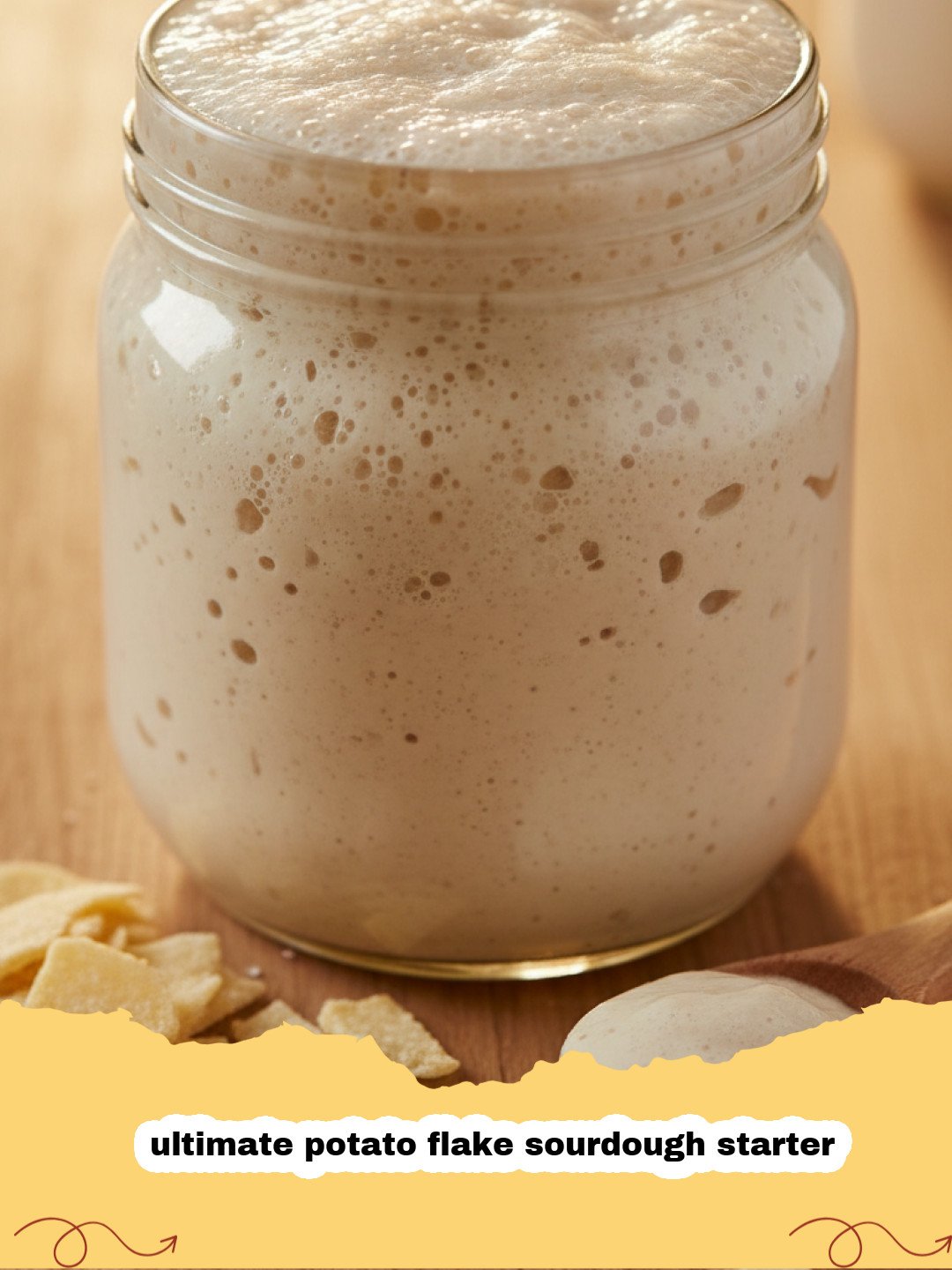
Ah, the sourdough journey! It’s a path many home bakers embark on, often filled with anticipation, a little bit of mystery, and sometimes, a touch of frustration. My own odyssey began years ago, with countless attempts at traditional starters, meticulously mixing flour and water, only to be met with sluggish bubbles or, worse, a disheartening lack of activity. I loved the idea of baking with a live culture, the rich aroma, the tangy flavor, but my starters always seemed to lag. Then, a fellow baker whispered a secret: potato flakes. Intrigued, and honestly, a little desperate, I decided to give it a try. What unfolded was nothing short of miraculous. My kitchen, once home to sleepy, reluctant cultures, soon buzzed with a vibrant, incredibly active starter, thanks to the power of potato. This discovery led me to perfect what I now proudly call the ultimate potato flake sourdough starter. If you’ve ever struggled with a sluggish starter or are simply looking for a robust, reliable, and incredibly flavorful base for your sourdough creations, then you are in for a treat. Get ready to awaken your inner baker with this incredible, reliable, and utterly fantastic ultimate potato flake sourdough starter!
Why This Ultimate Potato Flake Sourdough Starter is a Must-Try
- Unmatched Vigor and Activity: Potato flakes provide a unique boost of starches and complex carbohydrates that sourdough microbes absolutely adore. This means your ultimate potato flake sourdough starter will ferment more enthusiastically, producing plentiful bubbles and a strong rise. This incredible activity translates directly into better oven spring and a more open, airy crumb in your baked goods, making your bread truly exceptional.
- Accelerated Growth and Stability: Unlike some traditional starters that can take weeks to become truly robust, this method often results in a faster maturation period. The immediate nutrient availability from the potato flakes helps establish a thriving microbial colony quickly. Not only will you be baking delicious sourdough bread sooner, but this established culture is also incredibly resilient and forgiving, making it a stable workhorse in your kitchen.
- Distinctive Flavor Profile: The addition of potato flakes imparts a subtle sweetness and an earthy, almost creamy undertone that beautifully complements the classic sourdough tang. This isn't just about activity; it's about depth of flavor. Your finished loaves, pancakes, and other sourdough creations will boast a nuanced, complex taste that sets them apart. The ultimate potato flake sourdough starter truly adds a signature touch.
- Easier to Maintain: Thanks to its inherent strength and the rich nutrient base provided by the potato, this ultimate potato flake sourdough starter is often less finicky and more forgiving with feeding schedules. It can bounce back quickly even if you miss a feeding or two, making it perfect for both novice bakers who are still learning the ropes and experienced sourdough enthusiasts looking for a low-maintenance, high-performance starter.
Key Ingredient Notes for Your Ultimate Potato Flake Sourdough Starter
Potato Flakes (Instant Mashed Potatoes)
This is the literal secret weapon that transforms a good starter into an ultimate potato flake sourdough starter! When selecting potato flakes, it is paramount to choose plain, unsalted, and unflavored instant mashed potatoes. Avoid any varieties that list added milk solids, butter, cheese, or artificial ingredients. We are specifically looking for the simple, dehydrated potato starch. These starches are readily available and easily digestible by the wild yeasts and bacteria present in your flour, providing a supercharged food source that encourages rapid fermentation and a powerful, bubbly culture. They give your starter an energy boost that flour alone often can't match, accelerating its development and making it incredibly vigorous.
Whole Wheat Flour
While you might primarily use all-purpose or bread flour for daily feedings, whole wheat flour is highly recommended for the initial stages of creating your ultimate potato flake sourdough starter, especially for the very first mix. Why? Whole wheat flour contains a higher concentration of natural wild yeasts and beneficial bacteria living on the bran and germ. These microorganisms are crucial for kick-starting your starter’s fermentation process. The added nutrients from the whole grain provide a rich environment, allowing these vital cultures to multiply and establish a strong, diverse colony. Once your starter is established and showing consistent activity, you can gradually transition to using mostly unbleached all-purpose or bread flour for its regular maintenance, as these flours typically have sufficient nutrients to sustain an already thriving culture.
Unchlorinated Water
This might seem like a minor detail, but it’s absolutely critical for the success and health of your ultimate potato flake sourdough starter. Chlorine, often found in tap water, is an antimicrobial agent designed to kill bacteria – and unfortunately, it doesn't discriminate between harmful bacteria and the beneficial microorganisms you're trying to cultivate in your starter. Exposure to chlorinated water can inhibit the growth of your starter, making it sluggish or even causing it to fail. To ensure your starter thrives, always use filtered water, bottled spring water, or simply leave tap water out in an open container for 12-24 hours. This allows the chlorine to evaporate naturally, creating a safe and welcoming environment for your starter's microscopic residents.
Step-by-Step Guide with Pro Tips for Your Ultimate Potato Flake Sourdough Starter
Cultivating your ultimate potato flake sourdough starter is a gratifying process that connects you to an ancient form of baking. Follow these steps with care and observation, and you'll be rewarded with a vibrant, active culture.
Day 1: The Inaugural Mix
Step 1: In a clean, wide-mouthed glass jar (a good quality glass food storage container with a loose-fitting lid is ideal for visibility and cleanliness), combine 50g of whole wheat flour, 50g of the plain instant potato flakes, and 100g of warm (around 80°F/27°C) unchlorinated water. Precision is helpful here, so using a kitchen scale for accurate measurements is highly recommended. Mix thoroughly with a fork or spatula until there are absolutely no dry spots of flour or potato flakes visible. The mixture will be quite thick, similar to a paste, and will cling to your mixing utensil. Scrape down the sides of the jar to keep it tidy.
Step 2: Cover the jar loosely with a lid, plastic wrap, or a breathable clean cloth secured with a rubber band. The key is to allow air to circulate while protecting your fledgling starter from dust and airborne contaminants. Place your jar in a warm, stable spot in your kitchen, ideally between 70-78°F (21-26°C). Consistency in temperature is beneficial for microbial growth. Avoid placing it in direct sunlight or cold drafts, which can shock the delicate organisms.
Day 2-3: The Waiting Game (and initial signs)
Step 3: For the next 24-48 hours, resist the urge to peek constantly or, more importantly, to feed it. This initial period is crucial for the natural yeasts and bacteria to wake up and begin multiplying. You might observe very little activity, or perhaps a few tiny bubbles forming on the surface or along the sides of the jar. There might also be a slight, pleasant aroma, perhaps faintly sweet or yeasty. Don't be discouraged if it seems dormant; a lot is happening at a microscopic level. Simply maintain the warm environment and trust the process. You are allowing the natural microbiome to establish itself for your ultimate potato flake sourdough starter.
Day 4: First Feeding – Nurturing the Growth
Step 4: By Day 4, you should typically start to see more consistent signs of life: more noticeable bubbles, possibly some slight expansion, and a distinctly sour, yeasty aroma (not unpleasant). It’s time for the first feeding. Carefully remove all but 50g of your starter. This 'discarding' step is vital as it prevents the culture from becoming too acidic and ensures the remaining microbes have ample fresh food. To the remaining 50g, add 50g of unbleached all-purpose or bread flour, and 50g of warm (80°F/27°C) unchlorinated water. Mix thoroughly until smooth, scraping down the sides. Cover loosely and return to its warm spot.
Day 5-7: Regular Feedings & Maturation
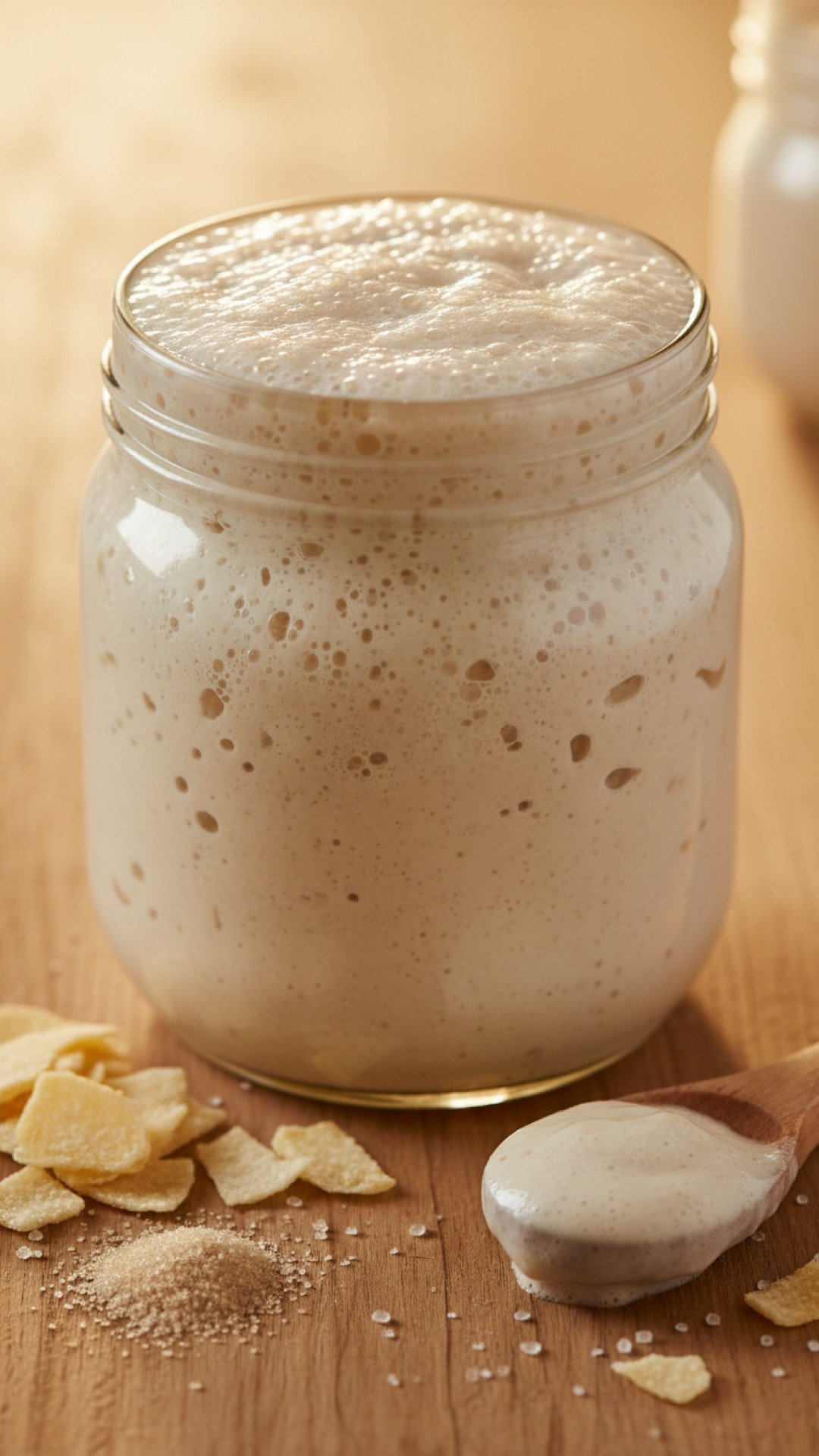
Step 5: From Day 5 onwards, you will transition to daily feedings. Each day, repeat the process: discard all but 50g of your starter. Feed it with 50g of unbleached all-purpose or bread flour and 50g of warm unchlorinated water. Mix until smooth. With each feeding, you should see increasing activity. A healthy ultimate potato flake sourdough starter will reliably double (or even triple!) in size within 4-8 hours after feeding, forming a domed top and displaying a network of bubbles. It will smell pleasantly sour, yeasty, and slightly fruity, like ripe apples. This consistent feeding schedule strengthens the culture and ensures it has the energy to perform beautifully in your baking.
Pro Tips for Success:
- Consistency is Key: Try to feed your ultimate potato flake sourdough starter around the same time each day. This creates a rhythm for the microbes and promotes predictable activity.
- Temperature Matters: Maintaining a consistent warm temperature (70-78°F / 21-26°C) is crucial for rapid and healthy fermentation. If your kitchen is cool, consider using a proofing box, an oven with the light on (making sure it doesn't get too hot), or a warm spot near a refrigerator vent or on top of a warm appliance.
- Don't Fear the Discard: While discarding might seem wasteful, it's essential for keeping the culture manageable and ensuring the microbes have enough fresh food to thrive without becoming too acidic. Don't let it go to waste though! You can use discard for delicious recipes like pancakes, waffles, crackers, or even sourdough discard cakes!
- Listen to Your Starter: An active, healthy ultimate potato flake sourdough starter will smell pleasantly sour, yeasty, and slightly sweet, like fermentation. If it smells like nail polish remover, vomit, or strong cheese, it's likely very hungry or too acidic. Try discarding more aggressively and feeding it consistently for a few days.
- Patience, Young Grasshopper: Sourdough is a living thing, and it doesn't always follow a strict schedule. Some starters take longer to become active due to environmental factors or local yeast strains. Just keep feeding it and observing, and it will get there. Remember, a little break never hurt anyone – don't forget to take a moment for yourself and perhaps enjoy a refreshing homemade iced coffee while you wait for your ultimate potato flake sourdough starter to bubble up!
- Use a Scale: Measuring by weight (grams) rather than volume (cups) is far more accurate in baking, especially for sourdough, leading to more consistent results.
Variations & Serving Suggestions for Your Ultimate Potato Flake Sourdough Starter
Once your ultimate potato flake sourdough starter is active and reliably doubling after feedings, the world of naturally leavened baking truly opens up. Here are some ideas to adapt and utilize your new kitchen companion:
Variations:
- Rye Boost: For an even more robust flavor and an extra kick of tang, consider substituting a small portion (e.g., 10-20g) of the all-purpose flour with dark rye flour during your daily feedings once your starter is established. Rye flour is packed with enzymes and nutrients that sourdough microbes absolutely love, often leading to an even more vigorous culture and a deeper, more complex flavor profile in your finished bakes.
- Gluten-Free Potato Flake Starter: While this recipe uses wheat flour for the initial culturing, you can absolutely adapt it to be gluten-free. The potato flakes themselves are naturally gluten-free, providing an excellent foundation. You would need to substitute all wheat flours with a high-quality gluten-free flour blend, ensuring your potato flakes are certified gluten-free. Look for blends that contain a good amount of rice flour, sorghum flour, or teff flour, as these provide starches that the starter can feed on. The process remains similar, though gluten-free starters may appear slightly less bubbly than their gluten-containing counterparts.
- Flavor Experimentation with Other Grains: Once your ultimate potato flake sourdough starter is well-established and thriving, you can experiment with feeding it small amounts of other whole grain flours like spelt, einkorn, or even oat flour. Each grain will impart subtle differences in flavor and texture to your starter, which will then translate into your final baked goods. Always introduce new flours gradually to observe how your starter reacts.
Serving (Using) Suggestions:
The real joy of maintaining an ultimate potato flake sourdough starter comes from the endless possibilities it unlocks in your kitchen. Here's how you can put your active starter to work:
- Artisan Sourdough Bread: This is the quintessential use! Your vigorous starter will provide incredible oven spring, a beautiful open crumb structure, and that coveted complex, tangy flavor in your homemade loaves. Experiment with different flour combinations for unique textures and tastes.
- Sourdough Pancakes & Waffles: Transform your breakfast routine with light, fluffy, and slightly tangy pancakes or waffles. Sourdough discard is perfect for this, adding depth of flavor and helping with leavening.
- Pizza Dough: Elevate your homemade pizza nights with a naturally leavened, flavorful, and incredibly chewy crust. A sourdough pizza crust offers a superior taste and texture compared to commercial yeast versions.
- Sourdough Discard Crackers: A fantastic and resourceful way to use up excess starter and reduce waste. These crispy, savory crackers are highly customizable with herbs, seeds, and cheeses, making them perfect for snacking or serving with dips.
- Sourdough Bagels & English Muffins: Take your breakfast game to the next level with these chewy, delightful creations. The sourdough starter provides incredible flavor and texture, resulting in bagels with a perfect chew and English muffins with those classic nooks and crannies.
Nutrition Information
| Nutrient | Amount Per Serving |
|---|---|
| Calories | 70 kcal |
| Carbohydrate Content | 15 g |
| Cholesterol Content | 0 mg |
| Fat Content | 0.5 g |
| Fiber Content | 1 g |
| Protein Content | 2 g |
| Saturated Fat Content | 0 g |
| Serving Size | 50g active starter |
| Sodium Content | 5 mg |
| Sugar Content | 0 g |
| Trans Fat Content | 0 g |
| Unsaturated Fat Content | 0.5 g |
Please note that nutritional values for a sourdough starter are highly variable and depend on the specific flours used, feeding ratios, and water content. These values are approximate for a 50g portion of active starter and are subject to change based on feeding methods and ingredients.
Conclusion
There you have it – the comprehensive blueprint for cultivating your very own ultimate potato flake sourdough starter! This method has brought so much joy, incredible flavor, and consistent success into my kitchen, and I’m confident it will do the same for yours. From that first hesitant mix to the jubilant moment your starter consistently doubles and produces that delightful sour aroma, each step is a testament to the quiet, powerful magic of fermentation. It’s more than just a recipe; it’s an invitation to a fulfilling and deeply rewarding baking adventure. So roll up your sleeves, gather your ingredients, and get ready to create a truly vibrant, reliable, and profoundly flavorful ultimate potato flake sourdough starter that will transform your bread, pancakes, pizza, and everything in between. Happy baking!
FAQs
Why use potato flakes in a sourdough starter?
Potato flakes are rich in easily digestible starches that act as an excellent, readily available food source for the yeast and bacteria in your starter. This supercharges their activity, leading to a more vigorous, reliable, and faster-developing sourdough culture compared to traditional flour-and-water methods, resulting in better oven spring and crumb structure in your baked goods.
How often should I feed my ultimate potato flake sourdough starter?
During the initial activation phase (typically Days 5-7+), you should feed your starter daily at a consistent time. Once established and consistently active, if you store it at room temperature, continue daily feedings. If you refrigerate it to slow down activity, feed it at least once a week, bringing it to room temperature and feeding it 1-2 times before you plan to bake with it.
What kind of water should I use for my sourdough starter?
Always use unchlorinated water. Chlorine is an antimicrobial agent that can inhibit or kill the beneficial microorganisms in your starter. Filtered water, bottled spring water, or tap water that has been left out in an open container for 12-24 hours to allow the chlorine to evaporate are all suitable and recommended options.
Can I make a gluten-free ultimate potato flake sourdough starter?
Yes, you can! While this recipe uses wheat flour for initial culture, the potato flakes themselves are naturally gluten-free. To make a gluten-free starter, you would need to substitute all wheat flours (whole wheat, all-purpose, bread) with a good quality gluten-free flour blend, ensuring the potato flakes used are also certified gluten-free. Look for blends rich in starches like rice flour or sorghum flour. The process remains similar, and the potato base makes it easier to achieve a strong gluten-free starter.
Ultimate Potato Flake Sourdough Starter
Discover the secret to a super active and reliable sourdough starter using potato flakes! This recipe guides you through creating a robust, tangy, and incredibly vigorous starter that will elevate all your sourdough baking, from rustic loaves to fluffy pancakes. Perfect for consistent, flavorful results.
- Total Time: 7 days, 15 minutes active
- Yield: 1 active sourdough starter 1x
Ingredients
50g whole wheat flour (for initial mix)
50g instant potato flakes (plain, unsalted, unflavored)
100g warm unchlorinated water (around 80°F/27°C)
All-purpose or bread flour (for subsequent feedings)
Unchlorinated water (for subsequent feedings)
Instructions
Step 1: In a clean, wide-mouthed glass jar, combine 50g whole wheat flour, 50g instant potato flakes, and 100g warm unchlorinated water. Mix thoroughly with a fork or spatula until no dry spots remain, scraping down the sides of the jar.
Step 2: Cover the jar loosely with a lid, plastic wrap, or a clean cloth, allowing air exchange. Place it in a warm, stable spot (70-78°F / 21-26°C) away from direct sunlight or cold drafts.
Step 3: Observe the starter for the next 24-48 hours. You may see small bubbles or little activity. Do not feed it during this initial rest period, allowing the natural microbes to awaken.
Step 4: On Day 4, you should see more noticeable bubbles and a distinctly sour aroma. Discard all but 50g of the starter to prevent excessive acidity. To the remaining 50g, add 50g unbleached all-purpose or bread flour and 50g warm unchlorinated water. Mix well, cover loosely, and return to its warm spot.
Step 5: From Day 5 onwards, begin daily feedings. Each day, discard all but 50g of the starter. Add 50g unbleached all-purpose or bread flour and 50g warm unchlorinated water. Mix thoroughly until smooth, maintaining a thick but pourable consistency.
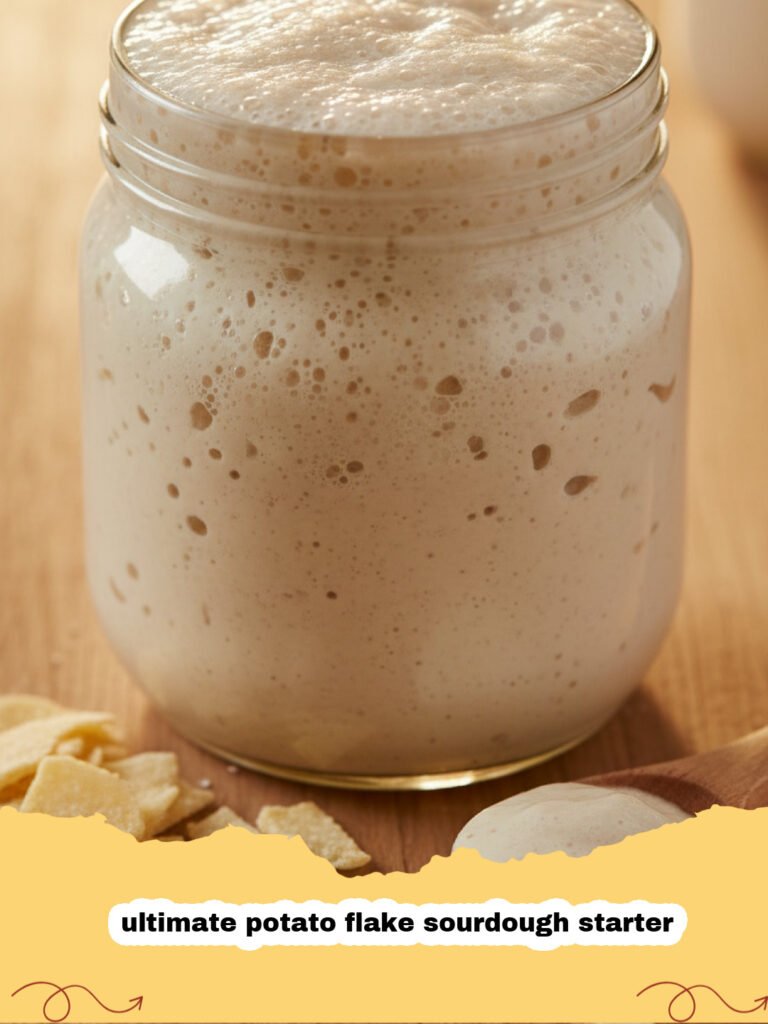
Step 6: Continue daily feedings until your ultimate potato flake sourdough starter consistently doubles (or triples) in size within 4-8 hours after feeding, has a pleasant yeasty-sour aroma, and a visibly bubbly, domed appearance. This usually takes 7-10 days, at which point it's ready for baking.
Notes
Ensure all equipment used is scrupulously clean to prevent unwanted microbial growth. If you don't bake daily, store your active starter in the refrigerator to slow down its metabolism, feeding it at least once a week. Before baking with a refrigerated starter, bring it to room temperature and feed it 1-2 times to ensure it's vigorous. Always use unchlorinated water. For creative ways to use discard, search for 'sourdough discard pancakes', 'sourdough discard crackers', or 'sourdough discard pizza dough' to minimize waste.
- Prep Time: 15 minutes
- Cook Time: 7 days (fermentation)
- Category: Desserts & Baking
- Cuisine: International
Nutrition
- Serving Size: 50g active starter
- Calories: 70 kcal
- Sugar: 0 g
- Sodium: 5 mg
- Fat: 0.5 g
- Saturated Fat: 0 g
- Unsaturated Fat: 0.5 g
- Trans Fat: 0 g
- Carbohydrates: 15 g
- Fiber: 1 g
- Protein: 2 g
- Cholesterol: 0 mg
Leave a Reply