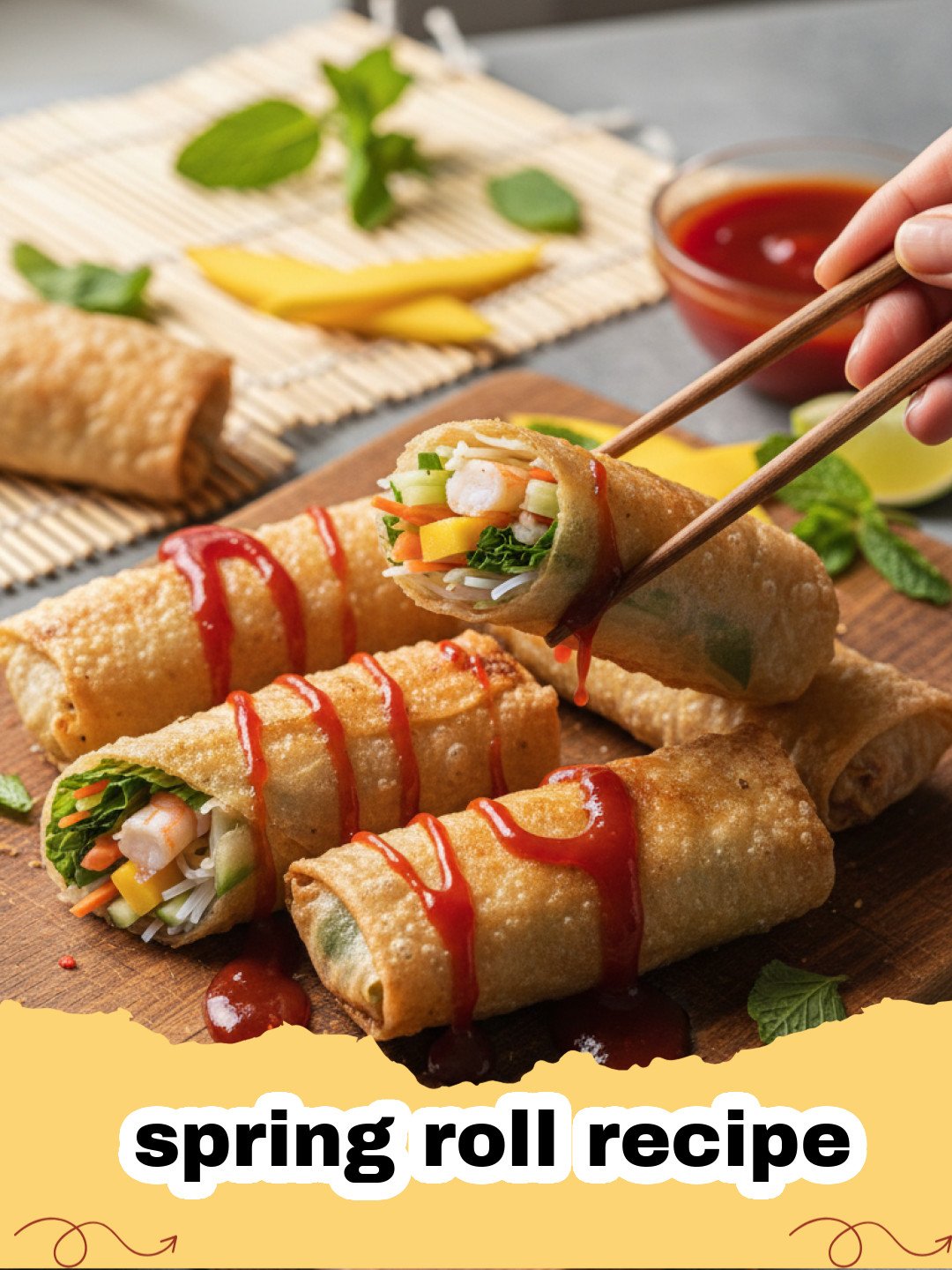
I remember my first encounter with a fresh spring roll recipe like it was yesterday. It was during a backpacking trip through Southeast Asia, specifically in a small, bustling market in Hoi An, Vietnam. The air was thick with the scent of spices, grilling meats, and fresh herbs. A street vendor, with nimble fingers and a warm smile, was meticulously assembling these translucent parcels right before my eyes. Each roll was a vibrant mosaic of greens, pink shrimp, and delicate noodles, all encased in a whisper-thin rice paper wrapper. The first bite was an explosion of freshness – crisp lettuce, aromatic mint, succulent shrimp, and that perfectly balanced sweet and savory peanut dipping sauce. It wasn't just a meal; it was an experience, a moment of culinary bliss that etched itself into my memory. Fast forward years later, and that memory sparked a mission: to recreate that authentic, joyful experience in my own kitchen. After countless attempts and adjustments, I finally cracked the code to the perfect homemade spring roll recipe. And today, I’m so excited to share it with you!
This isn't just any spring roll recipe; it's a journey back to that vibrant market, a taste of sunshine and fresh air, and a truly rewarding culinary adventure you can embark on right in your home. Forget the fried versions; these fresh rolls are a celebration of vibrant, raw ingredients, offering a light, healthy, and incredibly satisfying meal. They're perfect for a light lunch, a party appetizer, or even a fun family dinner where everyone gets involved in rolling their own.
Why This Spring Roll Recipe is a Must-Try
- Incredibly Fresh & Healthy: Loaded with crisp vegetables, lean protein, and aromatic herbs, this spring roll recipe is a powerhouse of nutrients and flavor without any heavy oils.
- Customizable for Everyone: Easily adapt this spring roll recipe to suit dietary preferences, whether you're vegetarian, vegan, or prefer different proteins.
- Fun & Engaging to Make: Assembling spring rolls is a fantastic activity for kids and adults alike. It's hands-on, creative, and the reward is absolutely delicious.
- Perfect for Meal Prep: Prep your ingredients ahead of time, and you can quickly assemble fresh spring rolls throughout the week for healthy, convenient meals.
Key Ingredient Notes for Your Spring Roll Recipe
The magic of a great spring roll recipe lies in the quality and freshness of its ingredients. Here are a few key players to pay special attention to:
Rice Paper Wrappers
These are the foundation of your spring rolls. Look for round rice paper wrappers, typically 8.5 inches in diameter, found in the Asian aisle of most supermarkets or specialty stores. They start rigid and translucent, but transform into flexible, slightly sticky, and wonderfully chewy wraps when briefly dipped in warm water. Don't oversoak them! A quick dip (20-30 seconds) is usually all it takes. If you're looking to explore more delicious ways to use this versatile ingredient, check out our guide on Beyond the Wrap: Exploring Delicious & Versatile Rice Paper Recipes.
Fresh Herbs
Mint, cilantro, and Thai basil are non-negotiables for an authentic spring roll recipe. They provide that signature burst of fresh, aromatic flavor that elevates the entire dish. Don't skimp on them! If Thai basil is hard to find, regular basil can be a decent substitute, though it has a slightly different anise-like note.
Protein Power
Shrimp is classic for a spring roll recipe. Cooked, peeled, and halved shrimp add a beautiful pink color and sweet, tender bite. However, feel free to get creative. Marinated and pan-fried tofu or tempeh are excellent vegetarian/vegan options. Thinly sliced cooked chicken or pork also work wonderfully.
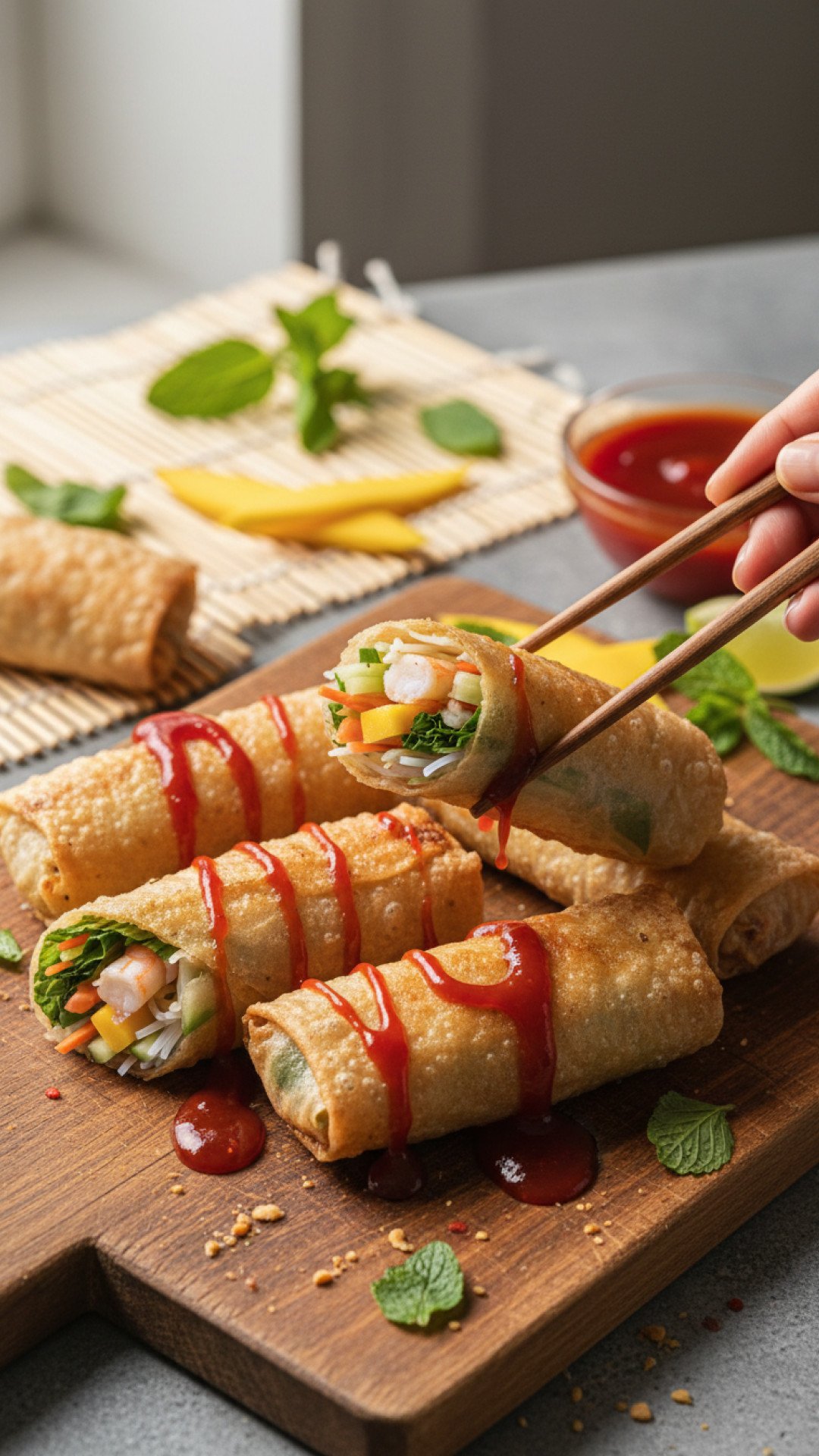
Step-by-Step Guide with Pro Tips for this Spring Roll Recipe
Mastering this spring roll recipe is all about preparation and a gentle hand. Follow these steps for perfect, Instagram-worthy fresh rolls every time.
Prepping Your Ingredients
- Cook the Vermicelli Noodles: Bring a pot of water to a boil. Add the vermicelli noodles and cook according to package directions, usually 2-3 minutes, until tender but still firm. Drain well and rinse with cold water to prevent sticking. Set aside.
- Prepare the Shrimp/Tofu: If using shrimp, ensure they are cooked, peeled, and deveined. Halve them lengthwise. If using tofu, press out excess water, slice into thin strips, and pan-fry until golden.
- Chop Your Veggies: Julienne the carrots and cucumber. Thinly slice the red cabbage. Tear lettuce leaves into manageable pieces. Wash and pick fresh mint, cilantro, and Thai basil leaves. Arrange all your prepped ingredients neatly on a large platter or cutting board – this creates an assembly line and makes rolling much easier!
Crafting the Peanut Dipping Sauce
The dipping sauce is critical to any good spring roll recipe. In a small bowl, whisk together the peanut butter, hoisin sauce, soy sauce, rice vinegar, honey/maple syrup, minced garlic, and grated ginger (if using). Add warm water, 1 tablespoon at a time, whisking until the sauce reaches your desired consistency – it should be thick enough to cling to the rolls but still pourable. Add sriracha for a touch of heat, if desired.
Assembling Your Spring Rolls: The Art of Rolling
This is where the magic happens! Don't be intimidated; a few practice rolls and you'll be a pro.
Step 1: Set up your workstation. You’ll need your platter of prepped ingredients, a shallow dish wider than your rice paper wrappers filled with warm water, and a clean, damp cutting board or flat surface for rolling. Have a plate ready for your finished rolls.
Step 2: Dip a single rice paper wrapper into the warm water for about 20-30 seconds, or until it’s pliable but not overly soft and sticky. It will continue to soften as you work. Immediately transfer it to your damp rolling surface.
Step 3: Arrange your fillings. Place a few shrimp halves (cut side up, for presentation) or tofu strips in a horizontal line about an inch from the bottom edge of the wrapper, leaving about an inch clear on each side. Overlap them slightly. On top of the shrimp/tofu, place a small handful of vermicelli noodles.
Step 4: Next, add your vegetables and herbs. Layer a few pieces of lettuce, julienned carrots, cucumber, red cabbage, mint leaves, and cilantro. Don't overfill, especially when you're first learning this spring roll recipe!
Step 5: Fold the bottom edge of the rice paper wrapper up over the filling, tucking it in snugly. This is your starting point for a tight roll.
Step 6: Fold in the left and right sides of the wrapper towards the center, creating an open envelope shape.
Step 7: Now, starting from the folded bottom edge, slowly and tightly roll the wrapper upwards, away from you, until you reach the top. Apply gentle, even pressure to keep the roll firm and compact. The wrapper will naturally stick to itself.
Pro Tip 1: The Damp Surface is Key! A slightly damp cutting board prevents the rice paper from sticking too much, giving you more control as you roll. If it's too dry, the wrapper might tear; too wet, and it becomes too sticky.
Pro Tip 2: Don't Overfill! This is the most common mistake with a spring roll recipe. A modest amount of filling is easier to roll tightly and prevents tearing. You'll get better at estimating with practice.
Pro Tip 3: Work Quickly But Don't Rush! Rice paper continues to soften. If you take too long, it might become too delicate to handle. But a frantic pace can lead to tears. Find your rhythm!
Pro Tip 4: Store Properly: If you're not serving immediately, place finished rolls on a plate, separated by a piece of parchment paper or damp paper towel to prevent sticking. Cover loosely with plastic wrap or a damp towel to keep them from drying out. They're best enjoyed fresh, but can be refrigerated for a few hours. For longer storage, consider using airtight containers. These Basics Glass Food Storage containers work wonders for keeping ingredients fresh.
Variations & Serving Suggestions for Your Spring Roll Recipe
The beauty of this spring roll recipe is its adaptability. Here are some ideas to inspire you:
- Protein Swaps: Beyond shrimp and tofu, try grilled salmon, shredded chicken, or even thinly sliced beef. For a vegetarian spring roll recipe, tempeh, sautéed mushrooms, or a hearty mix of roasted vegetables like bell peppers and zucchini are excellent.
- Veggie Extravaganza: Experiment with different vegetables! Bean sprouts add extra crunch, avocado slices bring a creamy texture, and thinly sliced bell peppers add a sweet bite.
- Sauce Sensations: While the peanut sauce is divine, don't limit yourself! A simple sweet chili sauce, a nuoc cham (Vietnamese dipping sauce), or even a fusion balsamic glaze could be delicious. Speaking of which, if you're feeling adventurous, learning to make your own Mastering the Art of Balsamic Glaze can open up a world of gourmet dipping options.
- Herbal Blends: Add fresh basil, cilantro, or even Thai basil for different aromatic notes. Fresh dill can surprisingly complement shrimp.
- Serving Ideas: Serve your fresh spring roll recipe as a light appetizer for a dinner party, a healthy lunch, or a fun, interactive meal where everyone can customize their own rolls. They pair wonderfully with a light salad or a clear soup.
Nutrition Information
Here's an estimated nutritional breakdown for one homemade spring roll (without dipping sauce), a testament to how healthy this spring roll recipe truly is:
| Nutrient | Amount Per Serving |
|---|---|
| Calories | 135 kcal |
| Carbohydrate Content | 20g |
| Cholesterol Content | 40mg |
| Fat Content | 1g |
| Fiber Content | 2g |
| Protein Content | 8g |
| Saturated Fat Content | 0.2g |
| Serving Size | 1 roll |
| Sodium Content | 150mg |
| Sugar Content | 2g |
| Trans Fat Content | 0g |
| Unsaturated Fat Content | 0.8g |
(Please note: These are estimated values and can vary based on specific ingredients and portion sizes, especially with the addition of dipping sauce.)
Conclusion
There you have it – your comprehensive guide to mastering this fresh and flavorful spring roll recipe. From the personal story of discovery to the detailed steps and pro tips, I hope this inspires you to bring the vibrant flavors of Southeast Asia into your own kitchen. This spring roll recipe is more than just food; it’s an experience, a healthy and delicious way to connect with fresh ingredients, and a truly satisfying meal that will leave you feeling light and energized. So gather your ingredients, call your loved ones, and embark on this delicious rolling adventure. You'll be amazed at how simple and rewarding making your own fresh spring roll recipe can be. Happy rolling!
FAQs
What is the best way to prevent spring rolls from sticking together?
To prevent spring rolls from sticking, place them on a plate in a single layer, separated by a small piece of parchment paper or a damp paper towel. You can also lightly brush them with a neutral oil if serving immediately, but this can make the rice paper less appealing over time. For storage, cover them loosely with plastic wrap or a damp cloth to maintain moisture without making them overly sticky.
Can I make this spring roll recipe vegetarian or vegan?
Absolutely! This spring roll recipe is incredibly versatile. For a vegetarian option, simply omit the shrimp and use pan-fried tofu, tempeh, or a mix of roasted vegetables like bell peppers and mushrooms. For a vegan version, ensure your hoisin sauce and any other sauces are vegan-friendly (check labels for honey or fish products) and use maple syrup instead of honey in the peanut sauce.
What are common mistakes when making fresh spring rolls?
Common mistakes include oversoaking the rice paper (making it too fragile to roll), overfilling the rolls (leading to tearing), and not rolling them tightly enough (resulting in a loose, messy roll). Practice makes perfect with this spring roll recipe; start with less filling and ensure your rice paper is just pliable.
How long do homemade spring rolls last?
Fresh spring rolls are best enjoyed immediately after assembly. If stored properly (covered and refrigerated), they can last for up to 24 hours, but the rice paper may firm up or become slightly sticky. For optimal freshness, prepare all your ingredients ahead of time and assemble the spring rolls just before serving.
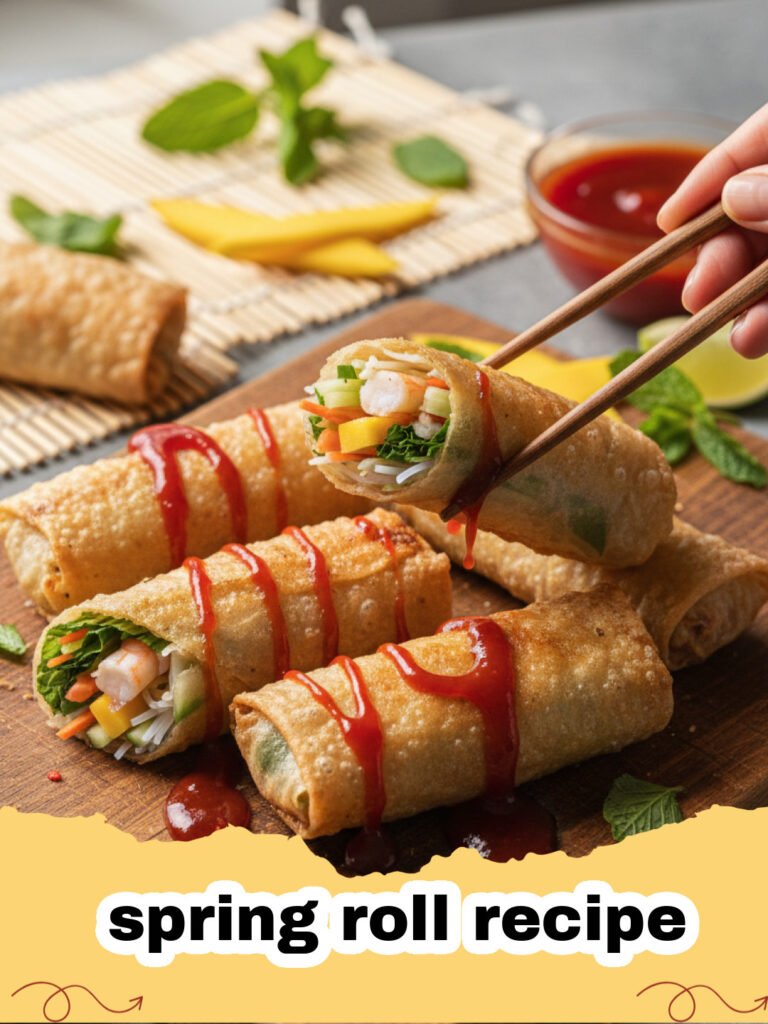
Fresh and Flavorful Homemade Spring Rolls with Peanut Sauce
Light, refreshing, and bursting with fresh flavors, this homemade spring roll recipe is easier to make than you think. Packed with crisp vegetables, tender vermicelli noodles, and succulent shrimp (or tofu!), these Vietnamese-inspired rolls are perfect as an appetizer, light meal, or healthy snack. Served with a vibrant peanut dipping sauce, they are an absolute delight. Master this spring roll recipe for a truly authentic taste of Asia.
- Total Time: 1 hour
- Yield: 12-15 rolls 1x
Ingredients
12-15 sheets round rice paper wrappers (8.5-inch diameter)
8 oz medium shrimp, cooked, peeled, deveined, and halved lengthwise (or 8 oz firm tofu, pressed, sliced, and pan-fried)
3 oz vermicelli rice noodles (bun)
1 large carrot, julienned
1 cucumber, julienned
1 cup red cabbage, thinly sliced
1 cup fresh lettuce leaves (butter or green leaf), torn into smaller pieces
1/2 cup fresh mint leaves
1/2 cup fresh cilantro leaves
1/4 cup fresh Thai basil leaves (optional)
FOR PEANUT DIPPING SAUCE:
1/2 cup creamy peanut butter
2 tablespoons hoisin sauce
1 tablespoon soy sauce (or tamari for gluten-free)
1 tablespoon rice vinegar
1 tablespoon honey or maple syrup
1-2 tablespoons warm water (to thin)
1 teaspoon sriracha or chili garlic sauce (optional, for heat)
1 clove garlic, minced
1 teaspoon freshly grated ginger (optional)
Instructions
Step 1: Prepare the vermicelli noodles according to package directions. Cook until tender, then drain and rinse thoroughly with cold water to prevent sticking. Set aside.
Step 2: If using shrimp, ensure they are cooked, peeled, deveined, and halved lengthwise. If using tofu, press out excess water, slice into thin strips, and pan-fry until golden. Arrange all your prepped fillings (shrimp/tofu, noodles, julienned carrot, cucumber, cabbage, lettuce, mint, cilantro, Thai basil) neatly on a large platter.
Step 3: To make the peanut dipping sauce, combine peanut butter, hoisin sauce, soy sauce, rice vinegar, honey/maple syrup, minced garlic, and grated ginger (if using) in a small bowl. Whisk well, then gradually add 1-2 tablespoons of warm water until the sauce reaches your desired dipping consistency. Stir in sriracha if you want some heat.
Step 4: Set up your rolling station. Fill a shallow dish, wider than your rice paper wrappers, with warm water. Have a clean, damp cutting board or flat surface ready for rolling, and a plate for the finished rolls.
Step 5: Take one rice paper wrapper and dip it into the warm water for about 20-30 seconds, or until it becomes pliable and flexible but not overly soft. It will continue to soften as you work.
Step 6: Carefully transfer the softened wrapper to your damp rolling surface. Lay it flat. Place a few shrimp halves (cut side up, if desired for presentation) or tofu strips horizontally about an inch from the bottom edge, leaving an inch clear on each side. Layer a small amount of vermicelli noodles over the protein.
Step 7: Add a small handful of lettuce, julienned carrot, cucumber, red cabbage, and a few mint, cilantro, and Thai basil leaves on top of the noodles and protein. Be careful not to overfill.
Step 8: Fold the bottom edge of the rice paper wrapper up tightly over the filling. Then, fold in the left and right sides of the wrapper towards the center, creating an open envelope shape.
Step 9: Starting from the folded bottom edge, tightly roll the wrapper upwards, away from you, until you reach the top. Apply gentle, even pressure to ensure a compact and firm roll. The wrapper will naturally seal itself.
Step 10: Place the finished spring roll on your prepared plate, keeping it separate from other rolls if not serving immediately to prevent sticking. Repeat with the remaining wrappers and fillings. Serve immediately with the peanut dipping sauce and enjoy this delightful spring roll recipe!
Notes
For best results, serve your fresh spring rolls immediately after making them. If you need to store them for a short period (a few hours), place them on a plate separated by a piece of parchment paper or damp paper towel and cover loosely with plastic wrap or a damp kitchen towel to prevent them from drying out. They are excellent for meal prep if you keep ingredients separate and assemble just before eating. Using quality, fresh ingredients is key to the best spring roll recipe. Experiment with different proteins and vegetables to find your favorite combination!
- Prep Time: 45 minutes
- Cook Time: 15 minutes
- Category: Drinks, Snacks & Holiday Treats
- Cuisine: Vietnamese
Nutrition
- Serving Size: 1 roll
- Calories: 135 kcal
- Sugar: 2g
- Sodium: 150mg
- Fat: 1g
- Saturated Fat: 0.2g
- Unsaturated Fat: 0.8g
- Trans Fat: 0g
- Carbohydrates: 20g
- Fiber: 2g
- Protein: 8g
- Cholesterol: 40mg