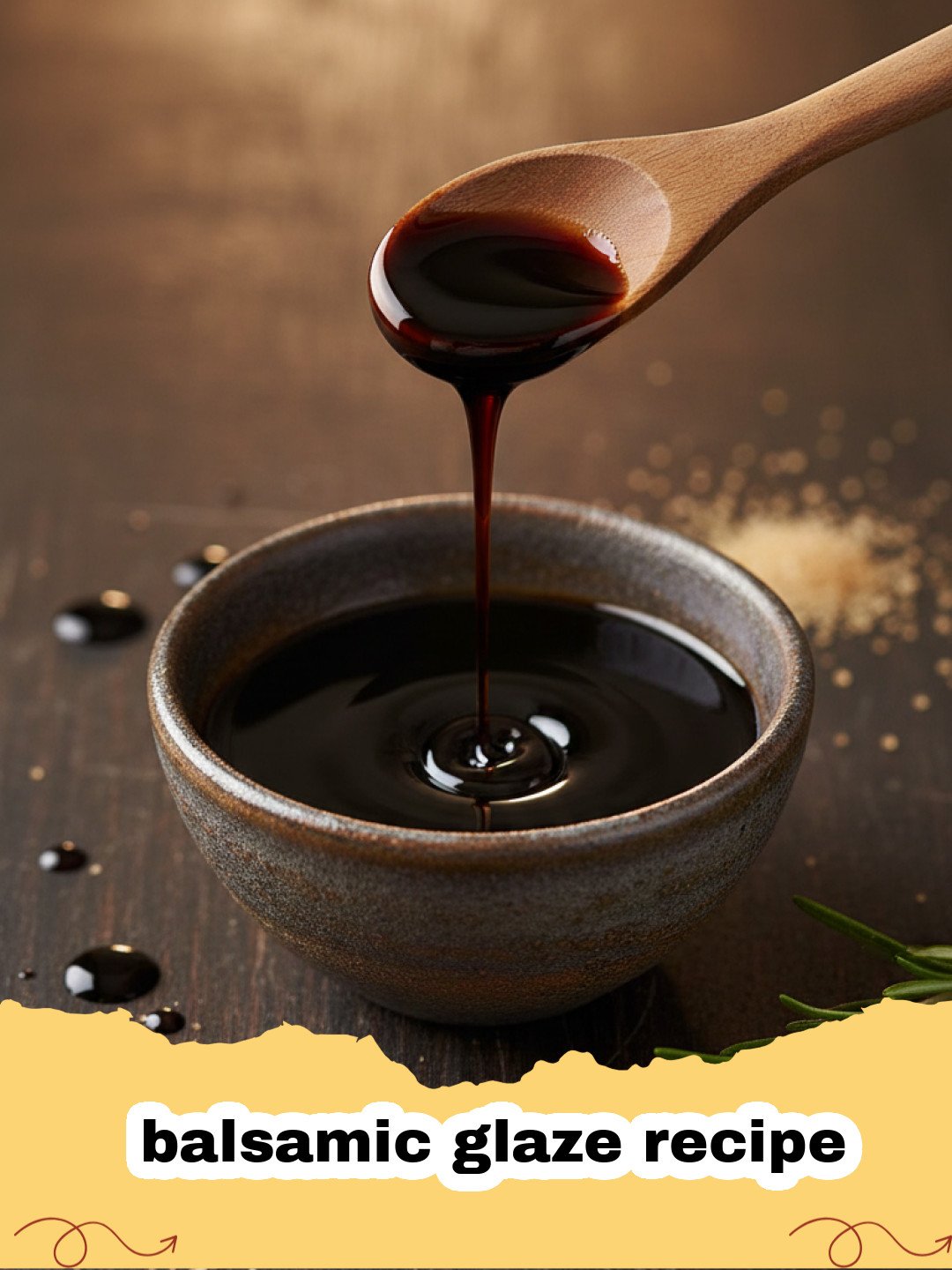
There are some culinary secrets that, once discovered, completely transform your cooking. For me, that secret was the homemade balsamic glaze recipe. I remember a time, not so long ago, when I thought balsamic glaze was something exclusively found in fancy restaurants or overpriced gourmet stores. My kitchen adventures often involved trying to elevate simple weeknight meals, but something always felt like it was missing that 'oomph'. One evening, preparing a caprese salad for an impromptu dinner with friends, I realized I had balsamic vinegar but no glaze. A quick search led me down a path of revelation. Could it really be this simple to make a luxurious, rich balsamic glaze right in my own kitchen? The answer, to my delight, was a resounding yes! This simple yet profound discovery changed everything. My salads, roasted vegetables, and even humble grilled chicken went from good to gourmet, all thanks to this incredible balsamic glaze recipe. It’s a testament to how often the most impressive dishes are built upon the simplest, most fundamental techniques, and today, I'm thrilled to share my tried-and-true version of this game-changing condiment with you.
Why This Balsamic Glaze Recipe is a Must-Try
- Elevates Every Dish: From fresh salads to grilled meats, a drizzle of this homemade balsamic glaze recipe instantly adds a gourmet touch and a burst of complex flavor. It's the secret weapon of many professional chefs, and now it can be yours too!
- Surprisingly Simple & Quick: Despite its sophisticated appeal, making a balsamic glaze recipe from scratch is incredibly straightforward. With just one main ingredient and minimal effort, you can achieve perfection in under 20 minutes.
- Cost-Effective & Fresh: Store-bought balsamic glazes can be pricey and often contain added sugars or thickeners. Crafting your own ensures you know exactly what goes into it, yielding a purer, more delicious product for a fraction of the cost.
- Incredibly Versatile: This balsamic glaze recipe isn't just for Italian dishes. Its sweet and tangy profile makes it a fantastic accompaniment to a wide range of cuisines and ingredients, making it a staple you'll reach for constantly.
Key Ingredient Notes
While the beauty of this balsamic glaze recipe lies in its simplicity, understanding your ingredients can make all the difference in achieving the perfect consistency and flavor.
Balsamic Vinegar: The Star of the Show
The quality of your balsamic vinegar directly impacts the final taste of your balsamic glaze recipe. You don't necessarily need an expensive, aged Traditional Balsamic Vinegar (which is meant for sipping, not reducing!), but investing in a good quality, moderately priced balsamic vinegar will yield superior results. Look for one that lists 'grape must' as the first ingredient, indicating a higher quality. Cheaper vinegars often have wine vinegar as the primary ingredient and may contain caramel coloring or added sugars, resulting in a less complex, sometimes harsher, flavor profile. A good mid-range balsamic will have a balanced sweetness and acidity, reducing beautifully into a syrupy, rich glaze.
Optional Sweetener: A Touch of Balance
While balsamic vinegar naturally sweetens as it reduces, some people prefer to add a touch of brown sugar or honey to their balsamic glaze recipe. This isn't strictly necessary, but it can enhance the sweetness and help achieve an even thicker, more syrupy consistency. If your balsamic vinegar is particularly acidic, a small amount of sweetener can help balance the flavors. I often use a tiny bit of brown sugar because I love the subtle caramel notes it adds, making the final balsamic glaze recipe even more irresistible.
A Pinch of Salt: The Flavor Enhancer
It might seem counterintuitive to add salt to something sweet and tangy, but a tiny pinch of salt can actually enhance all the other flavors in your balsamic glaze recipe. It brightens the sweetness and mellows the acidity, bringing everything into perfect harmony. Just be sure to add it at the very end, as reducing liquids intensifies flavors, and you don't want an overly salty glaze.
Step-by-Step Guide with Pro Tips
Crafting the perfect balsamic glaze recipe is more about patience than complicated techniques. Follow these steps, and you'll have a glossy, flavorful reduction in no time.
Step 1: Choose Your Pan Wisely
Pour your balsamic vinegar into a small, heavy-bottomed saucepan. A wider pan will allow the vinegar to evaporate more quickly, speeding up the reduction process. A heavy bottom helps distribute heat evenly, preventing scorching. This is crucial for a successful balsamic glaze recipe.
Step 2: Bring to a Gentle Simmer
Place the saucepan over medium heat. Bring the balsamic vinegar to a gentle simmer. You’re looking for small, consistent bubbles around the edges, not a rolling boil. If you choose to add an optional sweetener like brown sugar or honey, stir it in now until it dissolves completely. This is the foundation of your delicious balsamic glaze recipe.
Step 3: Reduce and Watch Carefully
Once simmering, reduce the heat to low-medium. Allow the vinegar to continue simmering gently, uncovered, stirring occasionally. This is where the magic happens, as the liquid slowly evaporates and the vinegar thickens. This process usually takes about 10-15 minutes, depending on the amount of vinegar and the width of your pan. Keep a close eye on it, especially towards the end, as it can go from perfect to burnt very quickly.
Pro Tip for Consistency:
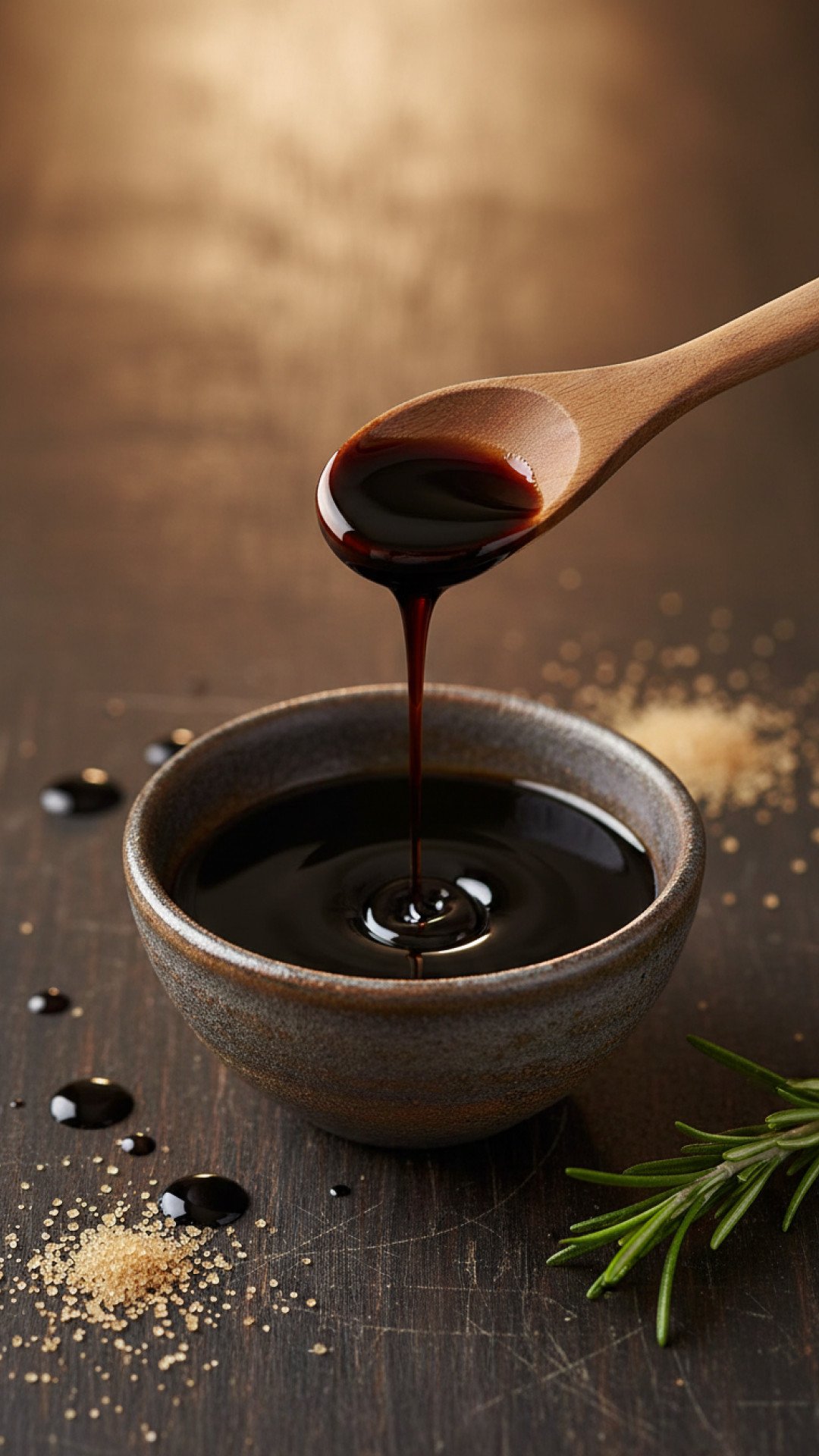
The balsamic glaze recipe will thicken considerably as it cools. Don't wait for it to be super thick in the pan, or it will become too syrupy or even solid once cooled. A good rule of thumb is to remove it from the heat when it coats the back of a spoon (like thin maple syrup). If you draw a line with your finger across the back of the spoon, the line should hold.
Step 4: Cool and Store
Once your balsamic glaze recipe reaches the desired consistency, remove it from the heat immediately. Stir in a tiny pinch of salt if using. Transfer the glaze to a heatproof jar or container and let it cool completely to room temperature. As it cools, it will continue to thicken to that beautiful, drizzly consistency you're looking for. For long-term storage, a great option is using Basics Glass Food Storage containers, which are perfect for keeping your homemade balsamic glaze recipe fresh.
Variations & Serving Suggestions
This simple balsamic glaze recipe is fantastic on its own, but it's also a wonderful base for culinary creativity. Here are some ideas to inspire your next meal:
Flavor Variations:
- Herb Infused: Add a sprig of fresh rosemary or thyme to the vinegar during the simmering process. Remove the herbs before cooling for a fragrant, savory balsamic glaze recipe.
- Spicy Kick: For a little heat, add a pinch of red pepper flakes to the vinegar as it reduces. This spicy balsamic glaze recipe is amazing on roasted vegetables or grilled chicken.
- Fruity Twist: Incorporate dried figs, a few cherries, or even a splash of fruit juice (like cherry or raspberry) during the reduction for a sweet and tangy fruit-infused balsamic glaze recipe.
Serving Suggestions:
- Salads: The classic pairing! Drizzle over a caprese salad, mixed greens with goat cheese and walnuts, or even a simple tomato and cucumber salad. This balsamic glaze recipe transforms everyday greens.
- Roasted Vegetables: Toss roasted Brussels sprouts, asparagus, carrots, or our Savory Roasted Cabbage Steaks with a generous amount of balsamic glaze for a caramelized finish.
- Meats & Fish: Elevate grilled chicken, pork tenderloin, or our Lemon Herb Grilled Salmon with a beautiful drizzle. It adds a sophisticated touch and incredible depth of flavor.
- Cheese Boards: A sophisticated addition to any cheese platter. It pairs particularly well with aged cheddar, Parmesan, or creamy brie.
- Fruits & Desserts: Surprisingly delicious over fresh berries, sliced peaches, or even a scoop of vanilla ice cream. The sweet-tart contrast is delightful.
- Pizza & Flatbreads: A perfect finishing touch for a gourmet pizza or flatbread, especially one with arugula, prosciutto, or fresh mozzarella. This balsamic glaze recipe truly shines.
Nutrition Information
| Nutrient | Amount Per Serving |
|---|---|
| Calories | 20 kcal |
| Carbohydrate Content | 5 g |
| Cholesterol Content | 0 mg |
| Fat Content | 0 g |
| Fiber Content | 0 g |
| Protein Content | 0 g |
| Saturated Fat Content | 0 g |
| Serving Size | 1 tablespoon |
| Sodium Content | 1 mg |
| Sugar Content | 4 g |
| Trans Fat Content | 0 g |
| Unsaturated Fat Content | 0 g |
Conclusion
And there you have it – your very own homemade balsamic glaze recipe! This simple trick has elevated countless dishes in my kitchen, and I'm confident it will do the same for yours. The rich, sweet, and tangy notes of this versatile condiment are a game-changer, transforming ordinary ingredients into extraordinary meals with minimal effort. So, grab a bottle of your favorite balsamic vinegar, set aside a few minutes, and prepare to impress your taste buds and your guests. This balsamic glaze recipe is not just a condiment; it's a culinary superpower. Happy cooking!
FAQs
How long does homemade balsamic glaze last?
Homemade balsamic glaze can be stored in an airtight container in the refrigerator for up to 2-3 weeks. Its high acidity helps preserve it, but for the best flavor and consistency, it's best enjoyed within that timeframe.
Can I make balsamic glaze without sugar?
Absolutely! Balsamic vinegar naturally sweetens and thickens as it reduces. The optional brown sugar or honey in this balsamic glaze recipe simply enhances the sweetness and can help achieve a slightly thicker consistency. If your balsamic vinegar is good quality, you might not need any added sugar at all.
What dishes can I use balsamic glaze on?
Balsamic glaze is incredibly versatile! It's fantastic drizzled over salads (especially caprese), roasted vegetables, grilled meats (like chicken, steak, or salmon), fresh fruits (strawberries, peaches), cheese boards, and even as a finishing touch on pizzas or flatbreads. This balsamic glaze recipe truly elevates a wide variety of dishes.
Why isn't my balsamic glaze thickening?
There are a few reasons your balsamic glaze recipe might not be thickening. Ensure you are using a good quality balsamic vinegar, as cheaper ones might not reduce well. Make sure the heat isn't too high, as boiling too vigorously can evaporate too quickly without proper reduction. Most importantly, remember that balsamic glaze thickens considerably as it cools, so it might appear thinner than expected when still warm. If it's still too thin after cooling, you can gently reheat it and simmer for a few more minutes.
Homemade Balsamic Glaze
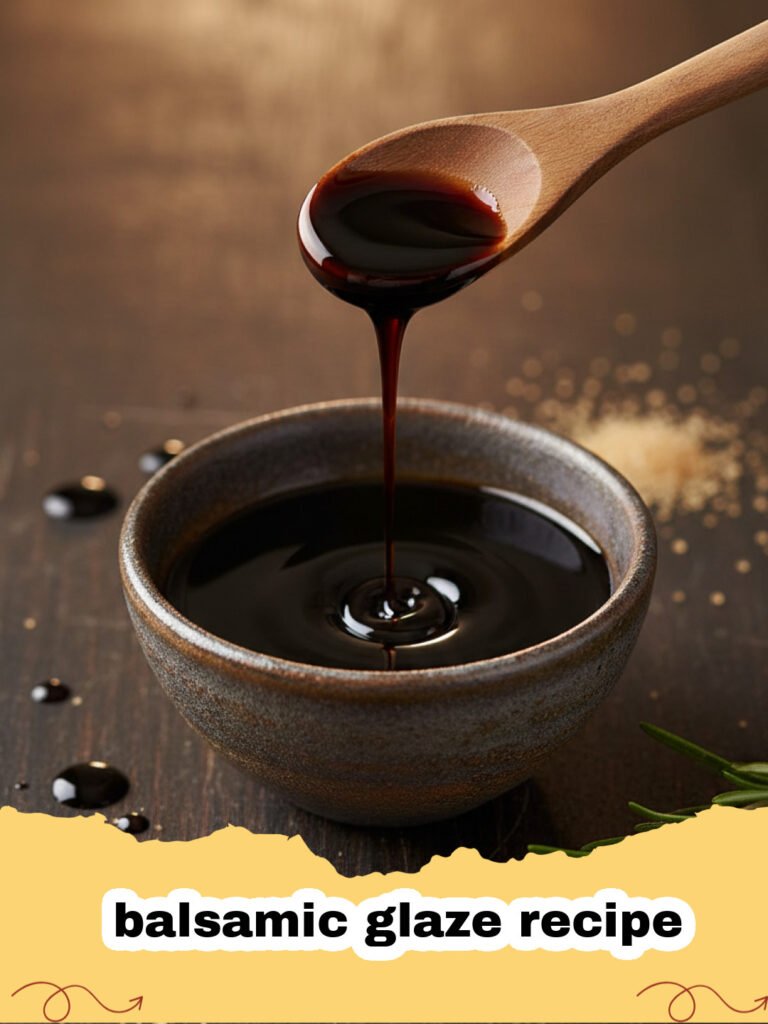
A rich, sweet, and tangy homemade balsamic glaze recipe that's incredibly easy to make and perfect for elevating countless dishes. This versatile reduction adds a gourmet touch to salads, roasted vegetables, meats, and more.
- Total Time: 15-20 minutes
- Yield: About 1/2 cup 1x
Ingredients
1 cup (240ml) good quality balsamic vinegar
1-2 teaspoons brown sugar or honey (optional, for added sweetness/thickness)
Pinch of salt (optional, to enhance flavors)
Instructions
Step 1: Pour the balsamic vinegar into a small, heavy-bottomed saucepan. If using, stir in the optional brown sugar or honey until dissolved.
Step 2: Place the saucepan over medium heat and bring the vinegar to a gentle simmer. You should see small, consistent bubbles around the edges, but avoid a rapid boil.
Step 3: Reduce the heat to low-medium and allow the vinegar to continue simmering gently, uncovered. Stir occasionally to prevent scorching.
Step 4: Continue to simmer for 10-15 minutes, or until the vinegar has reduced by about half and coats the back of a spoon. Remember, it will thicken significantly more as it cools. A good test is to dip a spoon in; if you can draw a clean line through the glaze on the back of the spoon with your finger, it's ready.
Step 5: Remove the saucepan from the heat. If using, stir in a tiny pinch of salt to balance the flavors. Transfer the balsamic glaze to a heatproof jar or airtight container.
Step 6: Let the glaze cool completely to room temperature. As it cools, it will thicken to a beautiful, syrupy consistency. Store in the refrigerator for up to 2-3 weeks.
Notes
Store your homemade balsamic glaze in an airtight container in the refrigerator for up to 2-3 weeks. If it becomes too thick after refrigeration, gently warm it for a few seconds in the microwave or a small saucepan to restore its drizzly consistency. This balsamic glaze recipe is incredibly versatile!
- Prep Time: 5 minutes
- Cook Time: 10-15 minutes
- Category: Main Dishes & Savory Recipes
- Cuisine: Italian
Nutrition
- Serving Size: 1 tablespoon
- Calories: 20 kcal
- Sugar: 4 g
- Sodium: 1 mg
- Fat: 0 g
- Saturated Fat: 0 g
- Unsaturated Fat: 0 g
- Trans Fat: 0 g
- Carbohydrates: 5 g
- Fiber: 0 g
- Protein: 0 g
- Cholesterol: 0 mg