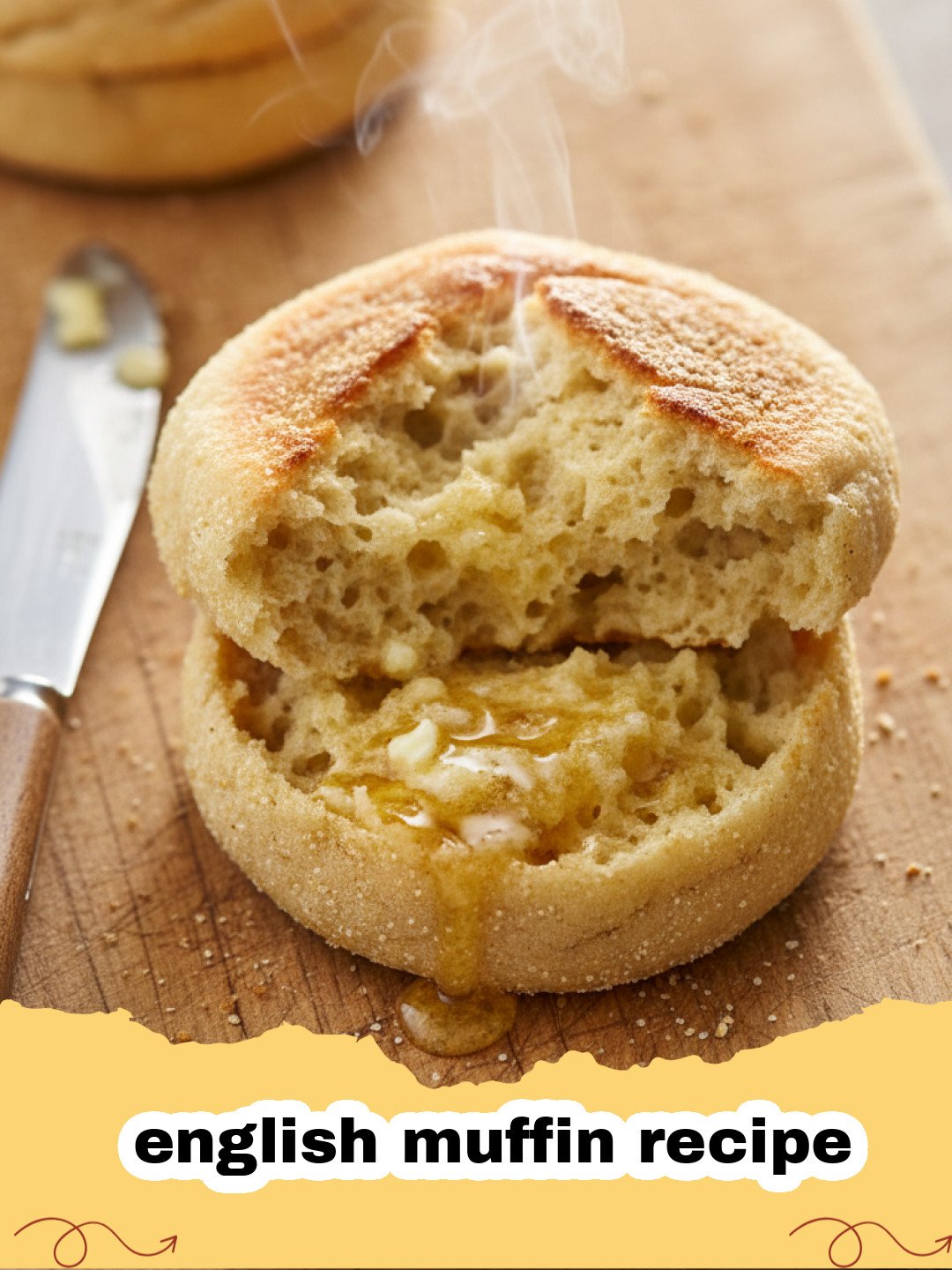
There's something truly magical about the aroma of freshly baked bread filling your home, isn't there? For years, my mornings were punctuated by store-bought English muffins, toasted to a golden crisp, often lacking that ethereal fluffiness and, dare I say, the elusive 'nooks and crannies' that make an English muffin truly special. I remember countless breakfasts, slathering butter and jam onto rather dense, sometimes dry, excuses for this breakfast staple, always wishing for something more. It wasn't until a particularly dreary weekend, seeking comfort in a challenge, that I decided to tackle a homemade english muffin recipe. I was skeptical, imagining a complicated process, but what I discovered was a surprisingly straightforward path to breakfast bliss. The first time I split one open, saw those deep, airy pockets, and tasted the subtly yeasty, slightly tangy perfection, it was a revelation. It transformed our breakfast routine, adding a touch of warmth and homemade goodness that no store-bought version could ever replicate. This isn't just about making bread; it's about crafting an experience, a memory, and a staple that will elevate every morning. So, grab your apron, because I'm thrilled to share this incredible english muffin recipe with you.
Why This English Muffin Recipe is a Must-Try
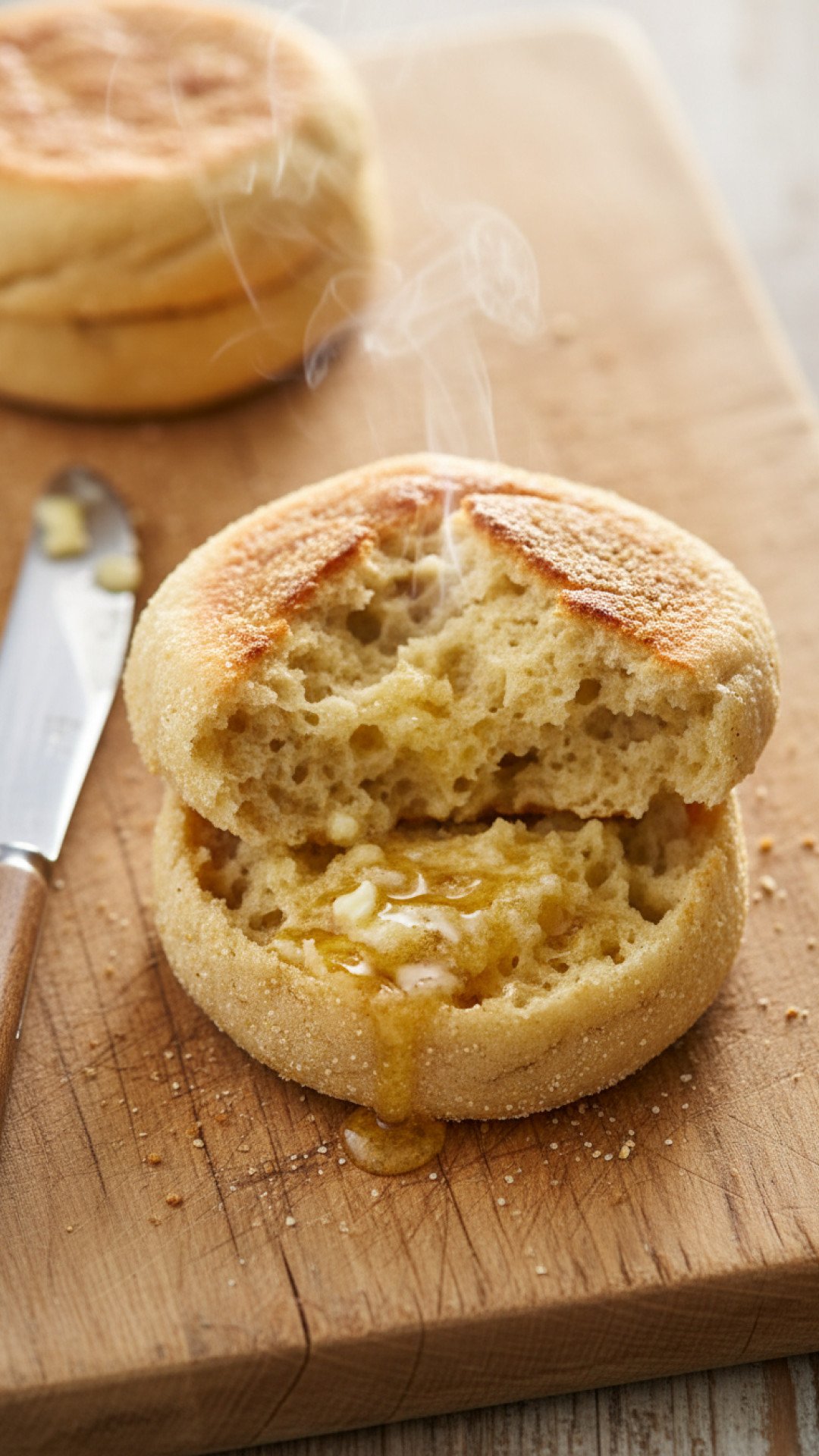
- Unbeatable Flavor & Texture: Experience the authentic taste of yeasty, slightly tangy goodness paired with that iconic chewy texture and those glorious nooks and crannies. This homemade english muffin recipe truly delivers.
- Simple Ingredients, Big Impact: You likely have most of these pantry staples already, proving that gourmet results don't require exotic components. Making this english muffin recipe is easier than you think!
- Freezer-Friendly Convenience: Prepare a large batch and freeze them for quick, wholesome breakfasts throughout the week. This easy english muffin recipe saves you time later.
- Customizable Delight: While fantastic on their own, these muffins are a perfect canvas for sweet or savory toppings, making this english muffin recipe incredibly versatile.
Key Ingredient Notes
Active Dry Yeast
Yeast is the living component that gives our English muffins their rise and distinctive airy texture. Active dry yeast needs to be 'activated' in warm liquid (usually water or milk) before being added to other ingredients. Ensure your water is between 105-115°F (40-46°C) – too hot will kill the yeast, too cold won't activate it properly. A good bloom (foamy appearance) confirms your yeast is alive and ready to work its magic on this english muffin recipe.
All-Purpose Flour
While some recipes might call for bread flour, I find all-purpose flour works beautifully for this english muffin recipe, yielding a tender yet chewy crumb. For best results, measure your flour by weight (grams) if possible, as volume measurements can vary significantly. If measuring by cups, lightly spoon the flour into the measuring cup and level it off without compacting.
Milk
Using milk instead of just water adds richness, tenderness, and a slightly sweeter flavor to your English muffins. Whole milk is preferred for the best texture, but 2% will also work. Ensure the milk is warmed to the appropriate temperature (around 105-115°F or 40-46°C) before combining with the yeast, just like the water. This warm liquid is crucial for the success of your english muffin recipe.
Step-by-Step Guide with Pro Tips
Preparing the Dough for Your English Muffin Recipe
Getting the dough right is the cornerstone of a successful english muffin recipe. Patience and proper activation of the yeast are key.
- Step 1: In a large mixing bowl, combine the warm milk, warm water, and active dry yeast. Stir gently and let it sit for 5-10 minutes, until frothy. This indicates your yeast is active.
- Step 2: Add the sugar, salt, and melted butter to the yeast mixture. Stir until well combined.
- Step 3: Gradually add the all-purpose flour, one cup at a time, mixing with a wooden spoon or stand mixer with a dough hook. Continue until a shaggy dough forms.
- Step 4: Turn the dough out onto a lightly floured surface and knead for about 5-7 minutes, or until the dough is smooth and elastic. It should be slightly sticky but manageable.
- Step 5: Lightly oil a clean bowl, place the dough in it, turning once to coat. Cover the bowl with plastic wrap or a clean kitchen towel. Let it rise in a warm place for 1-1.5 hours, or until doubled in size.
Shaping and Proofing
This is where your English muffins start to take their iconic shape. Don't worry about perfection; rustic charm is part of the appeal of this english muffin recipe.
- Step 6: Gently punch down the risen dough to release the air. Turn it out onto a lightly floured surface.
- Step 7: Roll the dough out to about ½-inch thickness. Using a 3-inch round cutter (or a clean, empty can), cut out circles. Re-roll scraps gently and cut more until all dough is used.
- Step 8: Sprinkle a baking sheet or tray generously with cornmeal. Place the cut dough circles on the cornmeal, leaving some space between them. Sprinkle the tops with a little more cornmeal.
- Step 9: Cover the muffins loosely with plastic wrap or a clean towel and let them proof for another 30-45 minutes in a warm place, or until visibly puffy. This second rise is crucial for the texture of this english muffin recipe.
Cooking Your English Muffins
The cooking method sets English muffins apart. A griddle or cast-iron skillet is ideal for achieving that perfect golden crust and soft interior. This technique is central to any good english muffin recipe.
- Step 10: Heat a large, heavy-bottomed skillet or electric griddle over medium-low heat. Do not grease it.
- Step 11: Carefully transfer the proofed English muffins to the hot, dry skillet, leaving space between them. Do not overcrowd the pan.
- Step 12: Cook for 6-8 minutes per side, or until golden brown and cooked through. The internal temperature should reach around 200°F (93°C). If they are browning too quickly, reduce the heat.
- Step 13: Once cooked, transfer the English muffins to a wire rack to cool completely. For best storage, once completely cool, place them in Basics Glass Food Storage containers to maintain freshness.
Variations & Serving Suggestions
Flavor Variations
- Cinnamon Raisin English Muffins: Add ½ cup of raisins and 1-2 teaspoons of ground cinnamon to the dough along with the flour. These are delicious toasted with cream cheese.
- Whole Wheat English Muffins: Substitute up to half of the all-purpose flour with whole wheat flour for a nuttier flavor and added fiber. You might need a tiny bit more liquid.
- Savory Herb English Muffins: Incorporate 1-2 tablespoons of finely chopped fresh herbs like rosemary or chives into the dough. Perfect with eggs and bacon.
Serving Suggestions
The beauty of this english muffin recipe lies in its versatility:
- Classic Breakfast: Split with a fork, toast until golden, and slather with butter and your favorite homemade strawberry jam or marmalade.
- Eggs Benedict: The ultimate base for poached eggs, Canadian bacon, and hollandaise sauce.
- Breakfast Sandwiches: Layer with scrambled eggs, cheese, and sausage or bacon for a portable meal.
- Peanut Butter & Banana: A quick and energy-boosting snack. For another amazing breakfast treat, try making The Ultimate Moist & Flavorful Banana Nut Bread Recipe.
- Mini Pizzas: Top with tomato sauce, mozzarella, and your favorite pizza toppings, then broil until bubbly.
Nutrition Information
| Nutrient | Amount Per Serving |
|---|---|
| Calories | 155 kcal |
| Carbohydrates | 28g |
| Cholesterol | 10mg |
| Fat | 2g |
| Fiber | 1g |
| Protein | 5g |
| Saturated Fat | 1g |
| Serving Size | 1 muffin |
| Sodium | 230mg |
| Sugar | 2g |
| Trans Fat | 0g |
| Unsaturated Fat | 1g |
Conclusion
There you have it – a truly fantastic english muffin recipe that will revolutionize your breakfast and brunch game. The satisfaction of pulling apart a warm, homemade English muffin, revealing those signature nooks and crannies, is unparalleled. It's a testament to the simple joy of baking and the reward of creating something truly delicious from scratch. Don't be intimidated by yeast; with this detailed guide, you're well on your way to becoming an English muffin master. Enjoy the process, savor the aroma, and delight in every single bite of your homemade english muffin recipe!
FAQs
What are the secrets to achieving the best 'nooks and crannies' in this English muffin recipe?
The key to those signature nooks and crannies lies in two main factors: proper dough hydration (a slightly sticky dough is good) and how you handle the muffins after cooking. First, ensure your dough is well-hydrated and gets a good, slow rise. Second, and crucially, always split your cooled English muffins with a fork rather than slicing them with a knife. The fork's tines create that rough, uneven texture that forms the perfect pockets.
Can I prepare this homemade English muffin recipe ahead of time?
Absolutely! You can prepare the dough for this english muffin recipe the night before. After the first rise (Step 5), punch down the dough, shape the muffins (Step 7), place them on a cornmeal-dusted tray (Step 8), cover tightly, and refrigerate overnight. In the morning, let them sit at room temperature for 30-60 minutes to warm up and proof slightly (Step 9) before cooking them on the griddle (Steps 10-12).
How should I store homemade English muffins?
Once completely cooled, store your homemade English muffins in an airtight container or zip-top bag at room temperature for up to 3-4 days. For longer storage, they freeze beautifully. Place cooled muffins in a freezer-safe bag, removing as much air as possible, and freeze for up to 2-3 months. Thaw at room temperature or toast directly from frozen for a quick breakfast.
Why are my English muffins dense instead of light and airy?
Several factors can lead to dense English muffins. The most common reasons include using old or inactive yeast (always check the expiration date and proof your yeast!), not letting the dough rise enough during the first or second proofing stages, or adding too much flour, which results in a stiff dough. Ensure your water/milk temperature is correct for yeast activation and be patient with the rising times for this english muffin recipe.
Homemade English Muffins
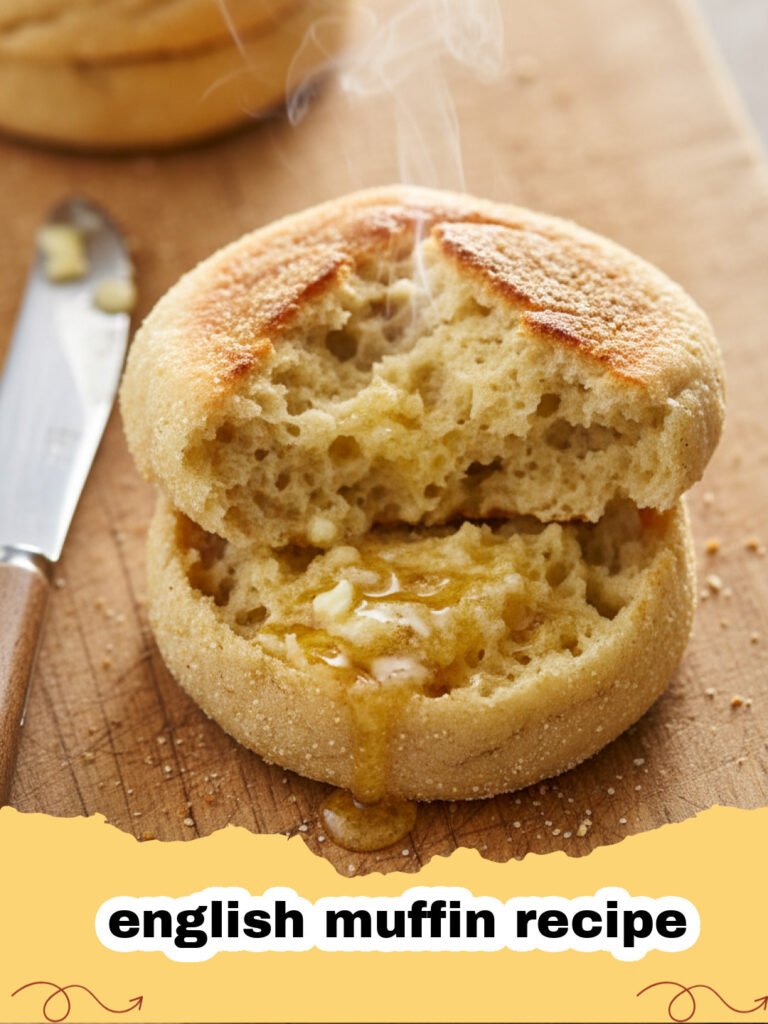
Unlock the secret to perfect nooks and crannies with this easy-to-follow homemade English muffin recipe. Soft, chewy, and ideal for any breakfast or snack!
- Total Time: 2 hours 40 minutes
- Yield: 12 English muffins 1x
Ingredients
1 cup warm milk (105-115°F / 40-46°C)
1/2 cup warm water (105-115°F / 40-46°C)
2 1/4 teaspoons (1 packet) active dry yeast
2 tablespoons granulated sugar
1 teaspoon salt
2 tablespoons unsalted butter, melted
3 1/2 - 4 cups all-purpose flour, plus more for dusting
Cornmeal, for dusting
Instructions
Step 1: In a large mixing bowl, combine the warm milk, warm water, and active dry yeast. Stir gently and let it sit for 5-10 minutes, until frothy. This indicates your yeast is active.
Step 2: Add the sugar, salt, and melted butter to the yeast mixture. Stir until well combined.
Step 3: Gradually add 3 1/2 cups of the all-purpose flour, one cup at a time, mixing with a wooden spoon or stand mixer with a dough hook. Continue until a shaggy dough forms. Add more flour if necessary, up to 4 cups, until the dough is slightly sticky but manageable.
Step 4: Turn the dough out onto a lightly floured surface and knead for about 5-7 minutes, or until the dough is smooth and elastic. It should be slightly sticky but manageable.
Step 5: Lightly oil a clean bowl, place the dough in it, turning once to coat. Cover the bowl with plastic wrap or a clean kitchen towel. Let it rise in a warm place for 1-1.5 hours, or until doubled in size.
Step 6: Gently punch down the risen dough to release the air. Turn it out onto a lightly floured surface.
Step 7: Roll the dough out to about ½-inch thickness. Using a 3-inch round cutter (or a clean, empty can), cut out circles. Re-roll scraps gently and cut more until all dough is used.
Step 8: Sprinkle a baking sheet or tray generously with cornmeal. Place the cut dough circles on the cornmeal, leaving some space between them. Sprinkle the tops with a little more cornmeal.
Step 9: Cover the muffins loosely with plastic wrap or a clean towel and let them proof for another 30-45 minutes in a warm place, or until visibly puffy.
Step 10: Heat a large, heavy-bottomed skillet or electric griddle over medium-low heat. Do not grease it.
Step 11: Carefully transfer the proofed English muffins to the hot, dry skillet, leaving space between them. Do not overcrowd the pan. Cook in batches if necessary.
Step 12: Cook for 6-8 minutes per side, or until golden brown and cooked through. The internal temperature should reach around 200°F (93°C). If they are browning too quickly, reduce the heat.
Step 13: Once cooked, transfer the English muffins to a wire rack to cool completely before serving or storing. Split with a fork, toast, and enjoy!
Notes
For the best nooks and crannies, always split English muffins with a fork, rather than slicing with a knife. This technique creates a rougher surface that catches butter and jam perfectly. If you don't have a round cutter, a clean, empty can (like a tuna can) with both ends removed works wonderfully.
- Prep Time: 2 hours 15 minutes
- Cook Time: 25 minutes
- Category: Desserts & Baking
- Cuisine: American
Nutrition
- Serving Size: 1 muffin
- Calories: 155 kcal
- Sugar: 2g
- Sodium: 230mg
- Fat: 2g
- Saturated Fat: 1g
- Unsaturated Fat: 1g
- Trans Fat: 0g
- Carbohydrates: 28g
- Fiber: 1g
- Protein: 5g
- Cholesterol: 10mg