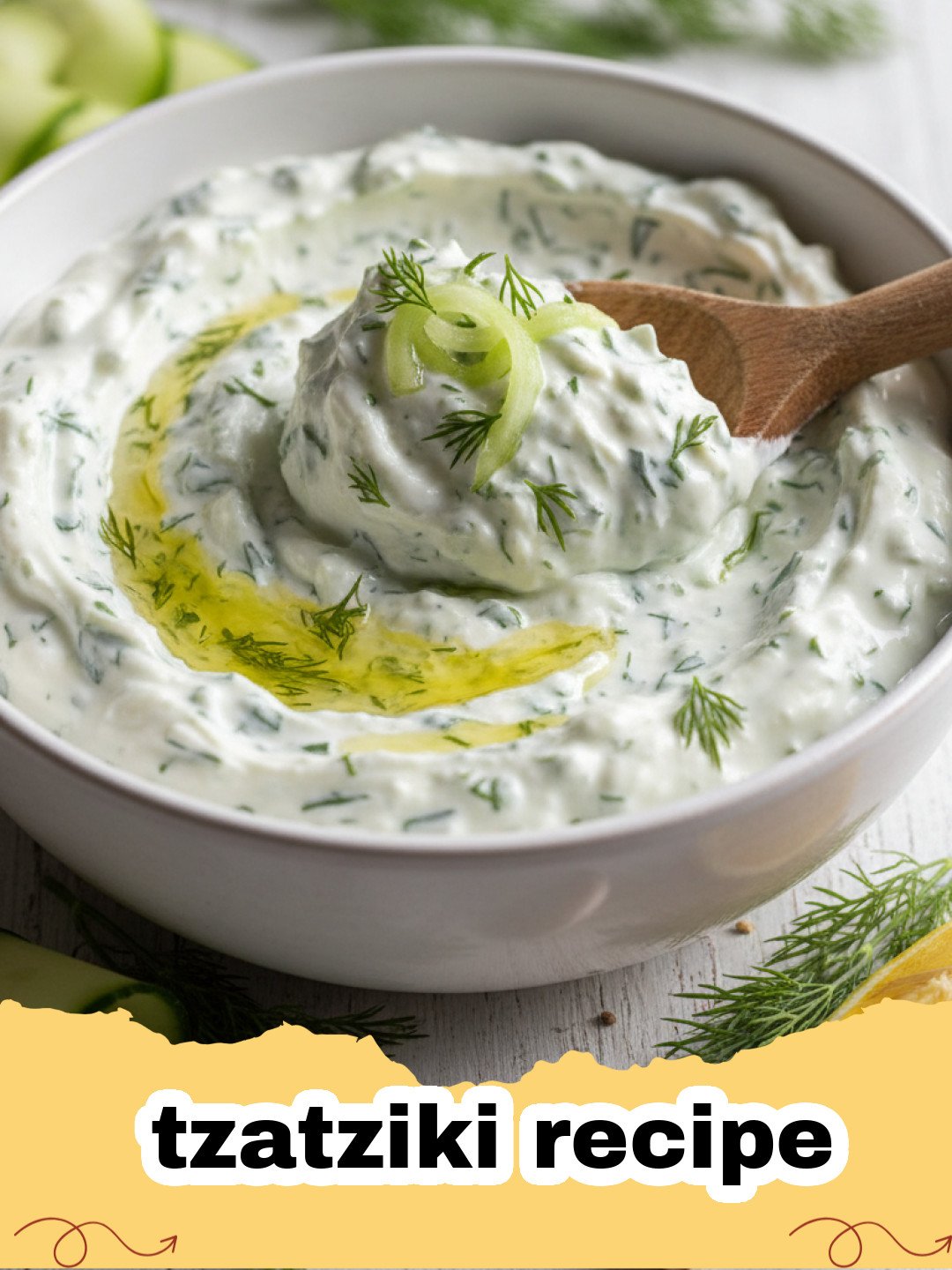
Ah, tzatziki. Just the word conjures up images of sun-drenched Greek islands, bustling tavernas, and plates piled high with delicious food. For me, the first time I truly fell in love with a tzatziki recipe wasn't on a Mediterranean vacation, but right in my grandmother's kitchen. She had this knack for making everything taste like a hug, and her tzatziki was no exception. I remember being a curious kid, perched on a stool, watching her grate cucumbers with an almost meditative rhythm. The scent of fresh dill and garlic would fill the air, a precursor to the creamy, tangy dip that would magically appear. We’d slather it on warm pita bread, dunk crisp vegetable sticks into it, and even use it as a cooling counterpoint to grilled meats. It was more than just a dip; it was a staple, a celebration of simple, fresh ingredients. That memory, those flavors, have stayed with me, inspiring me to perfect my own tzatziki recipe, one that brings a taste of that authentic Greek experience right to your table. It's a culinary journey I'm thrilled to share with you today.
Why This Tzatziki Recipe is a Must-Try
- Authentic Flavor Profile: This tzatziki recipe captures the true essence of traditional Greek tzatziki, balancing creamy tanginess with fresh herbal notes and a kick of garlic.
- Incredibly Versatile: From a refreshing dip for pita and veggies to a cooling sauce for grilled meats and gyros, this tzatziki recipe is a culinary chameleon that enhances almost any meal.
- Simple to Make, Yet Impressive: Despite its gourmet taste, this tzatziki recipe requires minimal effort and simple ingredients, making it perfect for both beginners and seasoned cooks.
- Healthy and Refreshing: Packed with gut-friendly probiotics from the yogurt and hydration from the cucumber, this tzatziki is a delicious way to add wholesome goodness to your diet, especially on a hot day.
Key Ingredient Notes for Your Perfect Tzatziki Recipe
Crafting the best tzatziki recipe starts with understanding its core components. Each ingredient plays a vital role in achieving that coveted creamy texture and vibrant flavor.
The Right Yogurt is Non-Negotiable
For an authentic tzatziki recipe, full-fat Greek yogurt is your best friend. Period. Don't be tempted by low-fat or non-fat varieties. The richness of full-fat yogurt provides the essential creaminess and body that prevents your tzatziki from becoming watery and bland. It also has a naturally thicker consistency, which means less straining, and a more pronounced tangy flavor that is characteristic of traditional tzatziki. If you can find sheep's or goat's milk yogurt, even better for an ultra-authentic taste!
Cucumber: The Hydration & Crunch Factor
English or Persian cucumbers are ideal for this tzatziki recipe. They have thinner skins and fewer, smaller seeds compared to regular slicing cucumbers, meaning less bitterness and less water content. The most crucial step when preparing your cucumber is to grate it and then thoroughly squeeze out all excess moisture. Cucumbers are naturally very watery, and if you skip this step, your tzatziki will become a thin, soupy mess. A clean kitchen towel or several layers of cheesecloth work perfectly for this. Squeeze, squeeze, and then squeeze again!
Garlic & Fresh Herbs: The Aromatic Heart
Garlic is another cornerstone of a great tzatziki recipe. Use fresh garlic, not garlic powder, for the best flavor. The amount is up to your personal preference; some like it mild, others prefer a bold garlic punch. Finely mince or grate the garlic to ensure its flavor is evenly distributed. Fresh dill is the traditional herb for tzatziki, lending a distinctive, bright, and slightly anisy note. Don't skimp on it! If you're feeling adventurous, a tiny bit of fresh mint can also add a delightful twist, though dill remains king for an authentic tzatziki recipe.
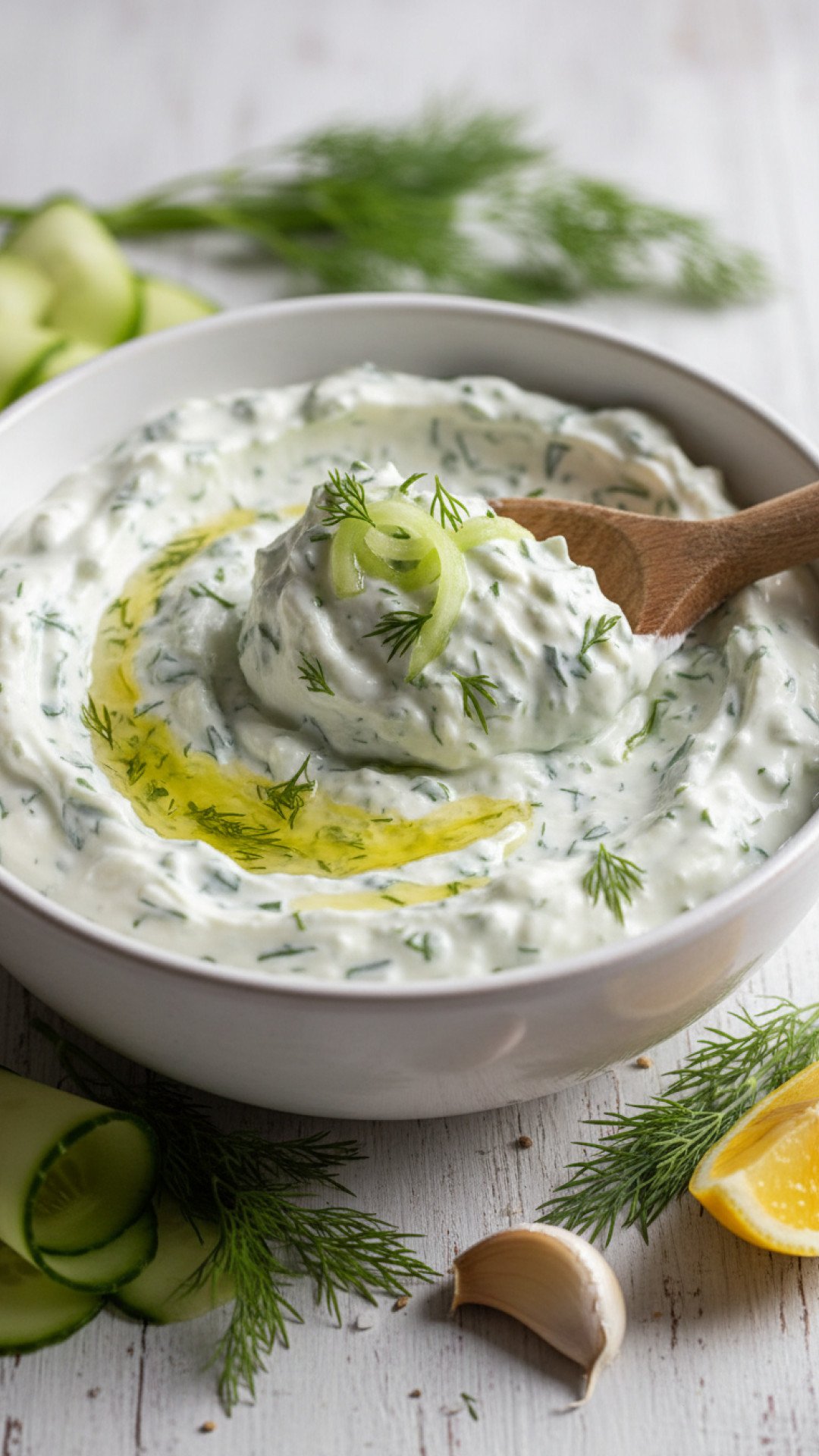
Step-by-Step Guide with Pro Tips for this Tzatziki Recipe
Follow these steps closely to master your very own homemade tzatziki recipe. The process is simple, but paying attention to the details makes all the difference!
Preparing Your Ingredients for the Tzatziki Recipe
- Step 1: Begin by grating your cucumber. You can use the large holes of a box grater for a coarser texture or the smaller holes for a finer consistency.
- Step 2: Place the grated cucumber in a clean kitchen towel, cheesecloth, or several layers of paper towels. Gather the edges and twist tightly, squeezing out as much liquid as possible. This step is critical to prevent a watery tzatziki. You'll be surprised how much liquid comes out!
- Step 3: Finely mince or grate your fresh garlic cloves.
- Step 4: Chop your fresh dill.
Assembling Your Tzatziki Recipe
- Step 5: In a medium-sized bowl, combine the strained, grated cucumber, Greek yogurt, minced garlic, and chopped fresh dill.
- Step 6: Add the red wine vinegar (or lemon juice) and a generous drizzle of good quality extra virgin olive oil.
- Step 7: Season with salt and freshly ground black pepper to taste. Start with about 1/2 teaspoon of salt and a few grinds of pepper, then adjust as needed.
Combining & Chilling Your Tzatziki Recipe
- Step 8: Stir all the ingredients together until well combined. Make sure everything is evenly distributed.
- Step 9: Taste and adjust seasonings. You might want more garlic, dill, salt, or a touch more acidity from the vinegar/lemon juice. This is where your personal preference comes in!
- Step 10: For the best flavor, cover the bowl and refrigerate your homemade tzatziki for at least 30 minutes, or preferably 2-4 hours. This allows the flavors to meld and deepen, transforming it into an even more delicious dip.
Pro Tips for the Best Tzatziki Recipe:
- Strain Your Yogurt (Optional, but Recommended): If your Greek yogurt isn't super thick, you can strain it for 30 minutes to an hour in a colander lined with cheesecloth over a bowl. This removes excess whey, resulting in an even richer, thicker tzatziki.
- Don't Skimp on the Olive Oil: A good quality extra virgin olive oil not only adds flavor but also contributes to the creamy texture and authentic taste of this tzatziki recipe.
- Taste as You Go: Seasoning is subjective. Always taste your tzatziki before serving and adjust salt, pepper, garlic, and acidity to your liking.
- Storage: Store leftover tzatziki in an airtight container in the refrigerator for up to 3-4 days. I often use Basics Glass Food Storage containers for this, as they keep everything fresh and don't absorb odors.
Variations & Serving Suggestions for Your Tzatziki Recipe
This tzatziki recipe is fantastic as is, but it's also a great base for culinary creativity! Here are some ideas to mix things up and how to best enjoy your homemade dip:
Tzatziki Recipe Variations:
- Herbal Twist: While dill is traditional, experiment with other fresh herbs. A mix of dill and mint adds an even brighter, more refreshing note. You could also try a touch of parsley or oregano for a different Mediterranean flair.
- Spicy Kick: For those who love a bit of heat, stir in a pinch of red pepper flakes or a dash of finely minced fresh chili.
- Lemon vs. Vinegar: While red wine vinegar is classic, fresh lemon juice can be used as a substitute for a slightly different, equally bright acidity. Or combine both for a complex tang!
- Vegan Tzatziki: Easily adapt this tzatziki recipe by using a thick, plain, unsweetened plant-based yogurt (such as coconut or almond yogurt) and ensuring it’s well-strained.
- Added Veggies: Finely chopped scallions or a tiny bit of grated carrot can add color and a subtle sweetness, though this veers from traditional.
Serving Suggestions:
- Classic Dip: Serve with warm pita bread, crunchy raw vegetables like carrots, bell peppers, celery, and cucumber sticks. It's the ultimate party appetizer!
- Grilled Meats & Seafood: Tzatziki is the perfect accompaniment to grilled chicken (especially our Ultimate Greek Chicken Marinade!), lamb, pork souvlaki, or even grilled fish. Its cooling creaminess provides a fantastic contrast to smoky, savory flavors.
- Gyros & Wraps: It's the essential sauce for homemade gyros, shawarmas, and any Mediterranean-inspired wrap.
- Salad Dressing: Thin it out slightly with a little extra olive oil and lemon juice, and it becomes a vibrant, creamy dressing for green salads or grain bowls. This tzatziki recipe makes an amazing addition to a Mediterranean Bowl.
- Potato Topping: Spoon it over baked potatoes, roasted potatoes, or even alongside crispy french fries for a unique twist.
- As a Mezze Item: Include it as part of a larger Mediterranean spread with olives, feta, hummus, and other small plates.
Nutrition Information
Here's a breakdown of the estimated nutritional content for a serving of this delicious tzatziki recipe. Please remember these are estimates and can vary based on specific ingredients and brands used.
| Nutrient | Amount per Serving |
|---|---|
| Calories | 105 kcal |
| Carbohydrate Content | 6 g |
| Cholesterol Content | 15 mg |
| Fat Content | 7 g |
| Fiber Content | 1 g |
| Protein Content | 5 g |
| Saturated Fat Content | 4 g |
| Serving Size | 0.25 cup |
| Sodium Content | 150 mg |
| Sugar Content | 3 g |
| Trans Fat Content | 0 g |
| Unsaturated Fat Content | 3 g |
Conclusion
There you have it – my tried-and-true tzatziki recipe, perfected over years and inspired by cherished memories. This simple yet profound dip is more than just a condiment; it's an invitation to savor fresh, vibrant flavors and transport your taste buds straight to the heart of the Mediterranean. Whether you're serving it at a party, alongside a weeknight dinner, or simply enjoying it as a healthy snack, this creamy, zesty tzatziki is guaranteed to be a crowd-pleaser. So grab your ingredients, get squeezing that cucumber, and prepare to fall in love with the ultimate homemade tzatziki. Kali Orexi!
FAQs
What is the secret to a thick, creamy tzatziki recipe?
The key to a thick and creamy tzatziki is to use full-fat Greek yogurt and, most importantly, to squeeze out as much moisture as possible from the grated cucumber. Excess water from the cucumber will make your tzatziki watery. You can also strain your Greek yogurt if itu2019s not thick enough initially.
How long does homemade tzatziki last in the refrigerator?
Homemade tzatziki can be stored in an airtight container in the refrigerator for up to 3-4 days. Its flavor often improves after a few hours as the ingredients meld, but beyond 4 days, the cucumber can start to release more water and the freshness may diminish.
Can I make this tzatziki recipe vegan?
Yes, you can easily make this tzatziki recipe vegan by substituting the dairy Greek yogurt with a thick, plain, unsweetened plant-based yogurt, such as coconut or almond yogurt. Ensure itu2019s a variety specifically designed for a thick consistency, and consider straining it if it seems too thin.
What are the best serving suggestions for tzatziki?
Tzatziki is incredibly versatile! It's fantastic as a dip for pita bread and fresh vegetables, a cooling sauce for grilled meats (like chicken souvlaki or gyros), seafood, or even as a creamy dressing for salads and grain bowls. Itu2019s also a wonderful addition to a Mediterranean mezze platter.
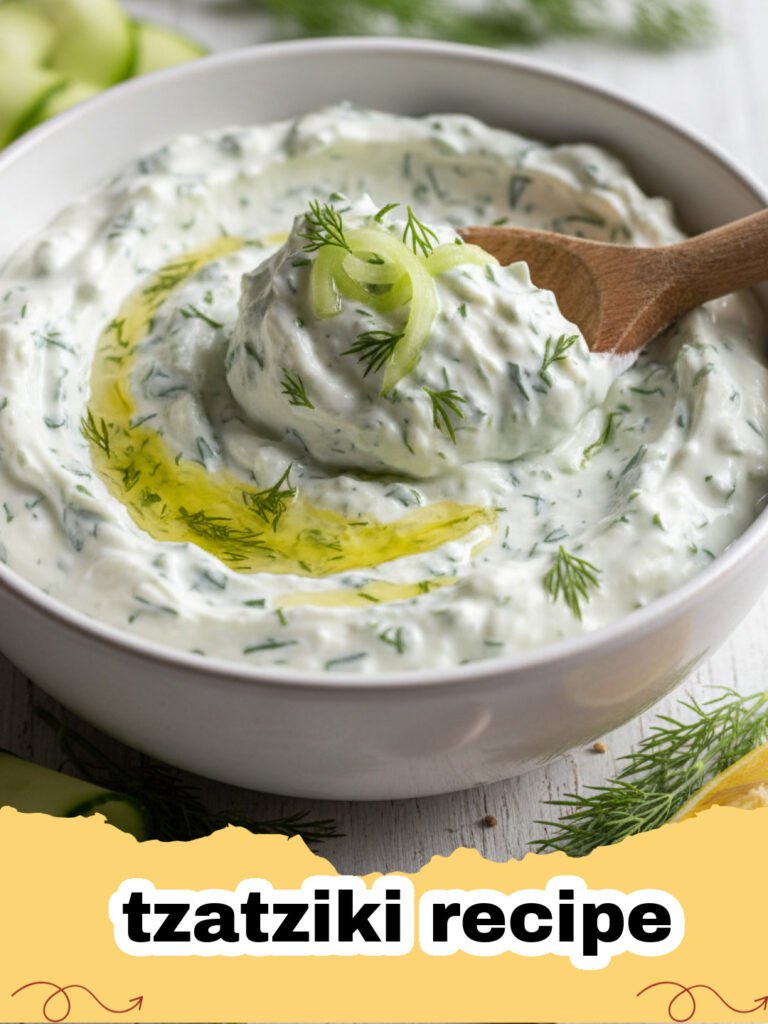
Authentic Homemade Tzatziki Recipe
Discover the ultimate homemade tzatziki recipe – a creamy, refreshing Greek cucumber and yogurt dip that's easy to make and bursting with fresh flavors. Perfect for pita, grilled meats, and veggies!
- Total Time: 15 minutes
- Yield: 1.5 cups (4-6 servings) 1x
Ingredients
1 large English cucumber (about 1 lb)
2 cups full-fat Greek yogurt (plain, unsweetened)
2-3 cloves garlic, minced (to taste)
2 tablespoons fresh dill, finely chopped
1 tablespoon extra virgin olive oil, plus more for drizzling
1 tablespoon red wine vinegar or fresh lemon juice
1/2 teaspoon salt, or to taste
1/4 teaspoon black pepper, or to taste
Instructions
Step 1: Grate the cucumber using the large holes of a box grater. Place the grated cucumber in a clean kitchen towel or several layers of cheesecloth. Gather the edges and twist tightly, squeezing out as much liquid as possible. This step is crucial for thick tzatziki.
Step 2: In a medium bowl, combine the strained grated cucumber, Greek yogurt, minced garlic, and chopped fresh dill.
Step 3: Add the extra virgin olive oil, red wine vinegar (or lemon juice), salt, and black pepper to the bowl.
Step 4: Stir all ingredients together until well combined. Taste and adjust seasonings as needed. You might prefer more garlic, dill, or a touch more acidity.
Step 5: For the best flavor, cover the bowl and refrigerate the tzatziki for at least 30 minutes, or preferably 2-4 hours, to allow the flavors to meld and deepen.
Step 6: Before serving, give it a final stir and drizzle with a little extra virgin olive oil and a sprinkle of fresh dill for garnish. Serve chilled with pita bread, fresh vegetables, or as a sauce for grilled meats.
Notes
For an extra thick tzatziki, strain your Greek yogurt for 30-60 minutes in a cheesecloth-lined colander before mixing. Always use fresh, good quality ingredients for the best flavor.
- Prep Time: 15 minutes
- Cook Time: 0 minutes
- Category: Drinks, Snacks & Holiday Treats
- Cuisine: Greek
Nutrition
- Serving Size: 0.25 cup
- Calories: 105 kcal
- Sugar: 3 g
- Sodium: 150 mg
- Fat: 7 g
- Saturated Fat: 4 g
- Unsaturated Fat: 3 g
- Trans Fat: 0 g
- Carbohydrates: 6 g
- Fiber: 1 g
- Protein: 5 g
- Cholesterol: 15 mg