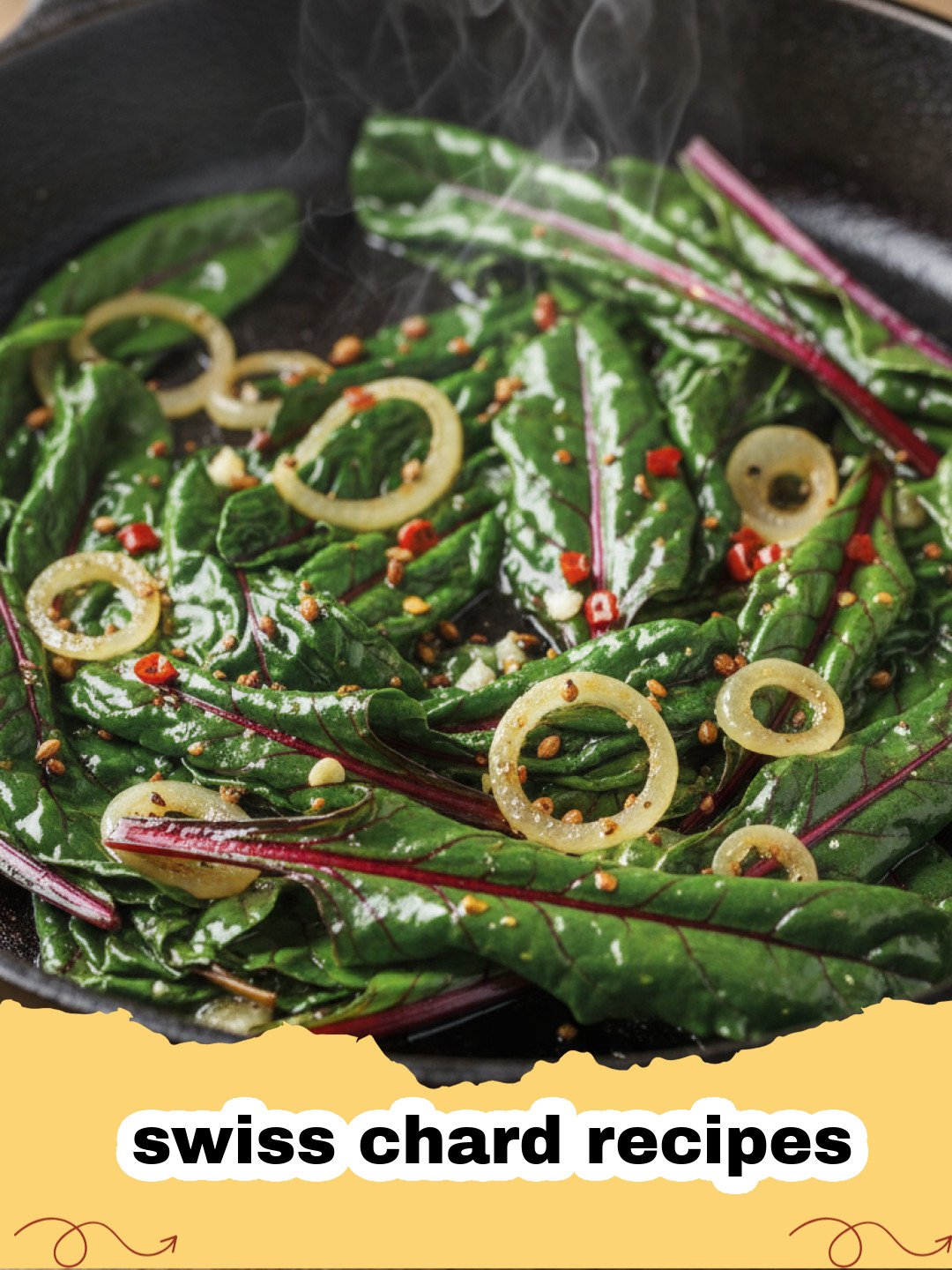
Exploring the world of swiss chard recipes has been one of the most rewarding journeys in my home kitchen over the last decade. I still remember the first time I encountered a bunch of rainbow chard at the local farmer's market; its stalks were so brilliantly colored—pinks, yellows, and deep reds—that they looked more like a bouquet of tropical flowers than a leafy vegetable. At the time, I wasn’t quite sure how to handle it. Was it like spinach? Could I eat the stems? My first attempt at swiss chard recipes was a simple sauté that completely changed my perspective on bitter greens. The way the leaves melt into a tender, buttery texture while the stems provide a satisfying crunch is a culinary duality that few other vegetables offer. Since that afternoon, swiss chard recipes have become a weekly staple in my household, providing a nutrient-dense and visually stunning side dish that complements almost anything on the plate.
Why This Recipe is a Must-Try
- Incredible Nutrient Density: These swiss chard recipes are packed with vitamins A, C, and K, as well as essential minerals like magnesium and potassium.
- Versatile Flavor Profile: The combination of garlic, lemon, and red pepper flakes balances the natural earthiness of the greens, making it appealing even to those who aren't usually fans of dark leafy vegetables.
- Quick and Easy Preparation: Unlike other greens that require long braising times, these swiss chard recipes can be on your table in less than 15 minutes.
- Visually Stunning: Using rainbow chard adds an instant pop of color to your dinner table, turning a simple side dish into a conversation piece.
Key Ingredient Notes
When searching for the best swiss chard recipes, the quality of your greens is paramount. Look for leaves that are crisp, vibrant, and free from brown spots or wilting. If you can find 'Rainbow Chard,' use it for the visual appeal, though 'Fordhook Giant' or 'Ruby Red' work just as well for flavor.
Another critical component in successful swiss chard recipes is the fat used for sautéing. While I often use a high-quality extra virgin olive oil for its fruity notes, you can also use butter for a richer, more indulgent finish. Garlic is non-negotiable; it mellows out during the cooking process and infuses the oil, ensuring that every leaf is coated in savory goodness. Lastly, a squeeze of fresh lemon juice at the very end is what elevates this from a standard side to something truly special, as the acidity cuts through the mineral richness of the chard.
Step-by-Step Guide with Pro Tips
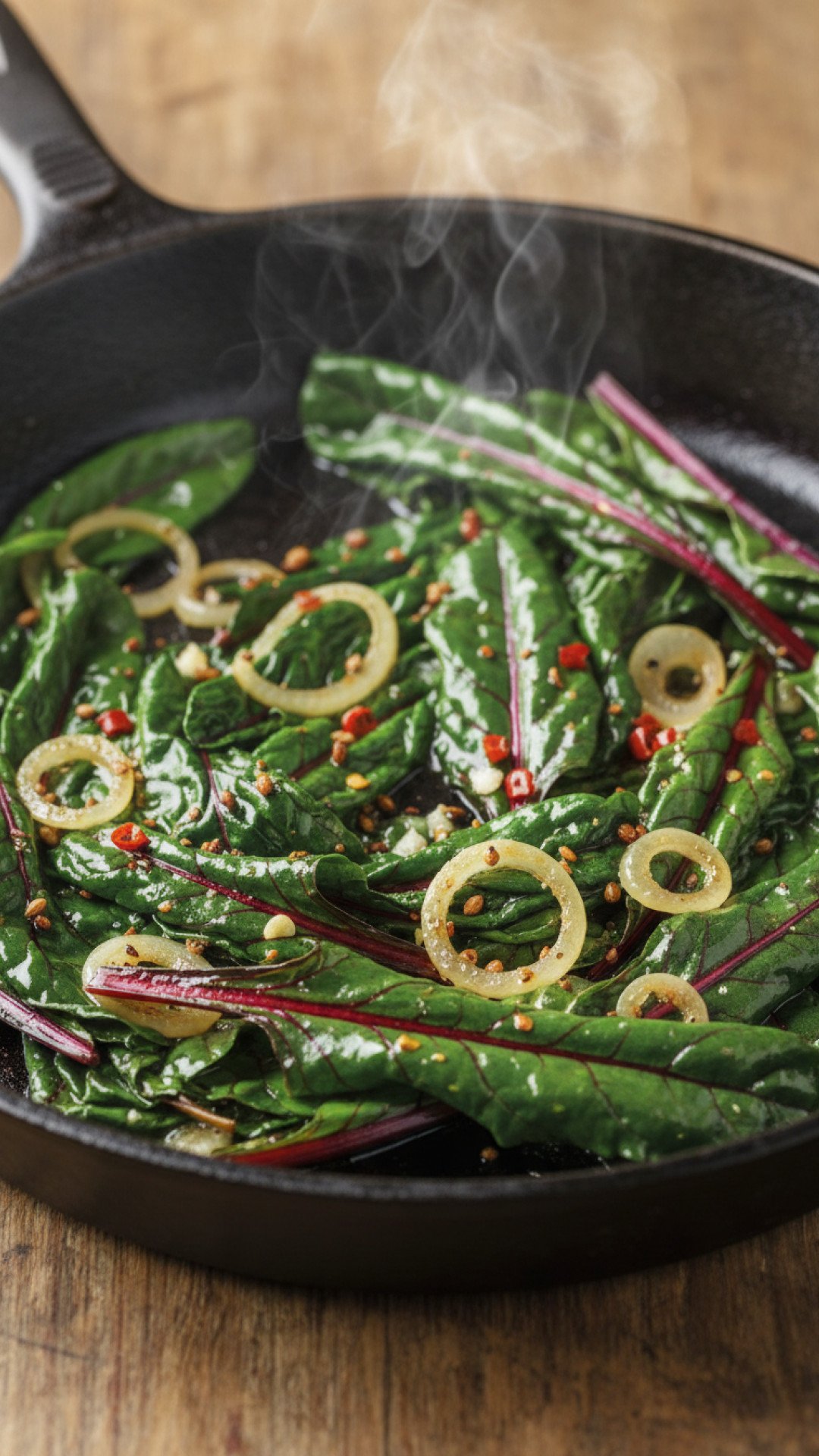
Preparation is key when executing swiss chard recipes. Because the stems are thicker and tougher than the leaves, you cannot simply throw them in the pan at the same time. You must separate them. I like to fold the leaf in half and slice along the stem, or simply pull the leaf away with my hands. Once separated, finely dice the stems—they have a texture similar to celery—and roughly chop the leaves into 2-inch ribbons.
Pro Tip: The Water Trick
When you wash your chard, don't spin it completely dry. The small amount of water clinging to the leaves helps create steam in the pan, which wilts the greens quickly without needing excess oil. This is a common secret among chefs who specialize in swiss chard recipes.
Start by heating your oil over medium heat. Add the chopped stems first, as they need a few minutes of head start to soften. Once they begin to turn translucent, add your sliced garlic and red pepper flakes. Be careful not to burn the garlic; it should only be fragrant and slightly golden. Then, pile in the leaves. It will look like a massive amount of food, but like spinach, it will shrink significantly. Use tongs to toss the leaves in the flavored oil until they are wilted and tender.
This dish is an incredible accompaniment to hearty proteins. If you are looking for a complete meal, try serving this alongside The Ultimate Guide to Perfectly Grilled Pork Tenderloin. The acidity of the lemon-dressed greens cuts perfectly through the savory, smoky notes of the pork.
Variations & Serving Suggestions
One of the reasons I love swiss chard recipes is how easily they adapt to different cuisines. For a Mediterranean twist, add a handful of toasted pine nuts and golden raisins during the last minute of cooking. The sweetness of the raisins contrasts beautifully with the slight bitterness of the greens. If you want something more filling, you can toss the finished sauté with some al dente pasta and a splash of pasta water, similar to how you might prepare The Ultimate Roasted Heirloom Tomato and Basil Pasta.
For a vegan-friendly umami boost, swap the parmesan cheese for nutritional yeast or a dash of soy sauce. If you find yourself with leftovers, these sautéed greens are fantastic the next morning tucked into an omelet or served over a slice of sourdough toast with a poached egg. To keep your leftovers fresh and crisp, I highly recommend storing them in Basics Glass Food Storage containers, which prevent the greens from becoming soggy in the fridge.
Nutrition Information
Knowing the nutritional breakdown of your swiss chard recipes helps you plan a balanced diet. This recipe is naturally low-carb and gluten-free.
| Metric | Value |
|---|---|
| Calories | 85 kcal |
| Carbohydrates | 6g |
| Protein | 3g |
| Fat | 6g |
| Fiber | 3g |
| Sodium | 280mg |
| Sugar | 1.5g |
Conclusion
Mastering swiss chard recipes is a gateway to enjoying more leafy greens in your daily life. It’s a simple, elegant, and incredibly healthy way to brighten up any meal. Whether you’re a seasoned gardener harvesting from your backyard or a grocery store shopper looking for something new, I hope this garlic-lemon sauté becomes a favorite in your kitchen. Don't be afraid to experiment with the flavors and make it your own!
FAQs
Can you eat the stems in swiss chard recipes?
Yes! The stems of Swiss chard are completely edible and delicious. They have a texture similar to celery or bok choy. However, they take longer to cook than the leaves, so they should be diced and started in the pan a few minutes earlier.
How do you remove the bitterness from swiss chard?
Salt and acid are the best ways to balance the natural bitterness in swiss chard recipes. Using salt during cooking and finishing the dish with a generous squeeze of lemon juice or a splash of vinegar neutralizes the bitter compounds.
How long does sautu00e9ed swiss chard last in the fridge?
When stored in an airtight glass container, sautu00e9ed swiss chard will stay fresh for 3 to 4 days. It can be reheated easily in a skillet or microwave, though it may release a little extra moisture upon reheating.
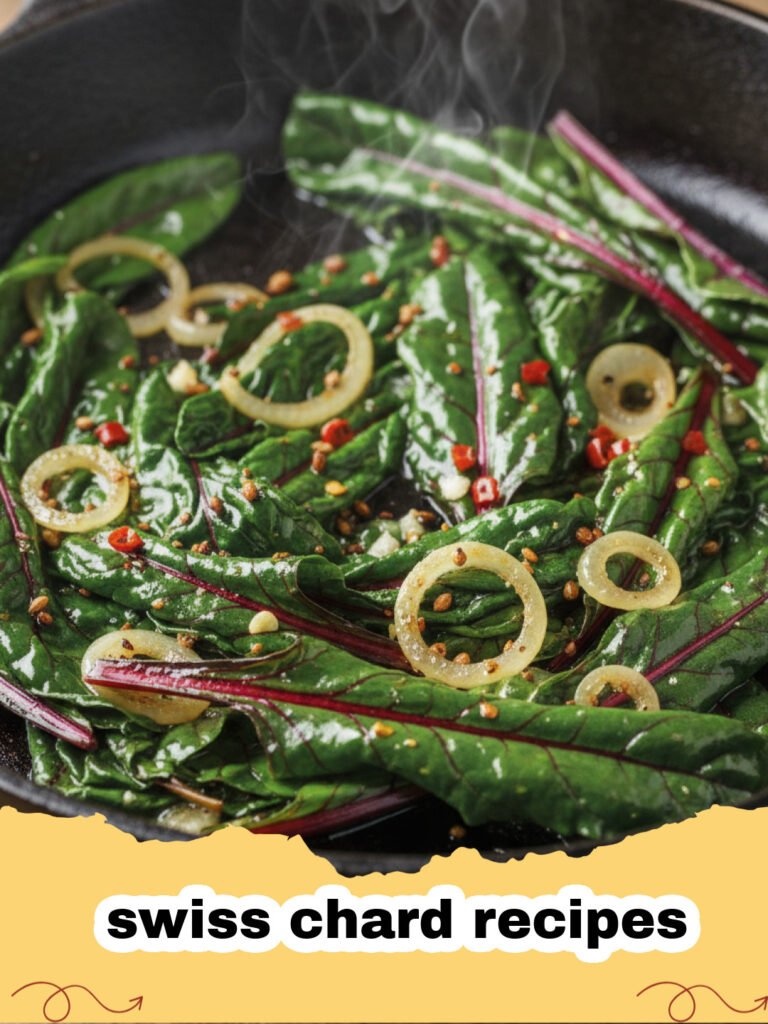
Garlic-Lemon Sautéed Swiss Chard
A vibrant and healthy side dish featuring rainbow swiss chard sautéed with aromatic garlic, red pepper flakes, and a bright finish of fresh lemon juice.
- Total Time: 20 minutes
- Yield: 4 servings 1x
Ingredients
1 large bunch Swiss Chard (approx. 1 lb), preferably rainbow
2 tablespoons Extra Virgin Olive Oil
3 cloves Garlic, thinly sliced
1/4 teaspoon Red Pepper Flakes
1/2 teaspoon Sea Salt
1/4 teaspoon Black Pepper
1/2 Lemon, juiced
2 tablespoons Grated Parmesan Cheese (optional)
Instructions
Step 1: Wash the swiss chard thoroughly in cold water. Separate the stems from the leaves by slicing along the center rib.
Step 2: Finely dice the stems into 1/4-inch pieces. Roughly chop the leaves into 2-inch wide ribbons and set aside in separate piles.
Step 3: Heat the olive oil in a large skillet over medium heat. Add the diced stems and cook for 3-4 minutes until they begin to soften.
Step 4: Add the sliced garlic and red pepper flakes to the skillet. Sauté for 1 minute until the garlic is fragrant but not browned.
Step 5: Add the chard leaves to the pan in batches, tossing with tongs to coat in the garlic oil. The leaves will wilt down quickly.
Step 6: Once all leaves are wilted (about 3-5 minutes), season with salt and pepper. Remove from heat.
Step 7: Squeeze fresh lemon juice over the greens and sprinkle with parmesan cheese if using. Serve immediately while hot.
Notes
If the chard is very mature and bitter, you can blanch the stems for 2 minutes in boiling water before sautéing to mellow the flavor.
- Prep Time: 10 minutes
- Cook Time: 10 minutes
- Category: Main Dishes & Savory Recipes
- Cuisine: Mediterranean
Nutrition
- Serving Size: 1 cup
- Calories: 85
- Sugar: 1.5g
- Sodium: 280mg
- Fat: 6g
- Saturated Fat: 1g
- Unsaturated Fat: 5g
- Trans Fat: 0g
- Carbohydrates: 6g
- Fiber: 3g
- Protein: 3g
- Cholesterol: 2mg