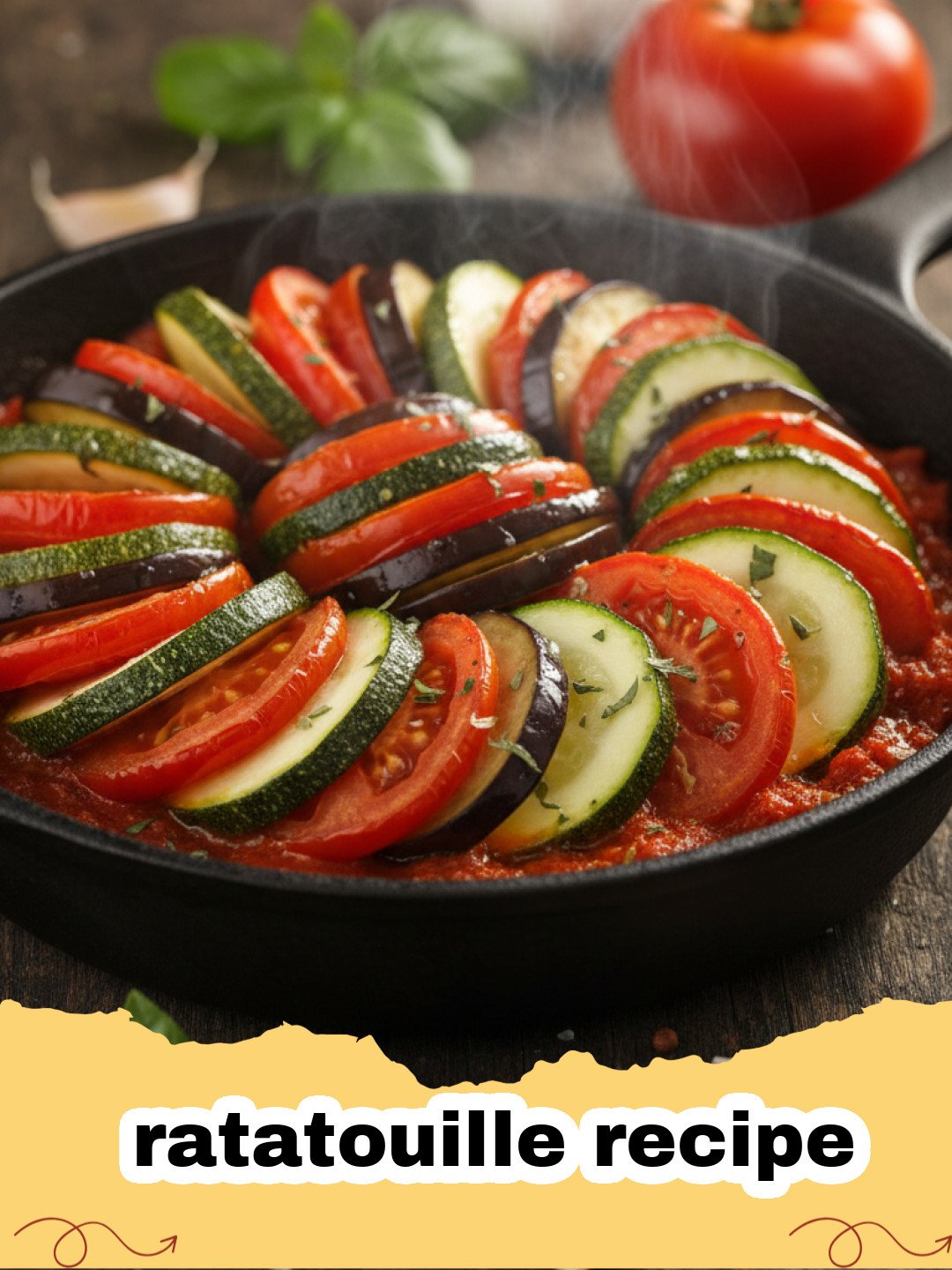
There's something magical about a traditional ratatouille recipe, isn't there? For me, it takes me straight back to my grandmother's kitchen. I remember summer afternoons, the air thick with the scent of sun-ripened tomatoes, sweet bell peppers, and fragrant herbs. Grandma, with her apron perpetually dusted with flour or a smudge of tomato sauce, would hum a cheerful tune as she meticulously chopped vegetables. Her philosophy was simple: good food comes from fresh ingredients and a lot of love. The ratatouille wasn't just a dish; it was a ritual, a celebration of the season's bounty. We'd gather around the table, the vibrant, shimmering stew serving as the centerpiece, its colors a testament to the garden's generosity. Each spoonful was a warm hug, a taste of home and heritage. Now, whenever I prepare this classic French provincial stew, I feel her presence in every chop and stir, a beautiful culinary connection across generations. It’s more than just food; it’s a memory, a story, a legacy simmering gently on the stovetop, just waiting to be shared.
Why This Ratatouille Recipe is a Must-Try
- A Burst of Summer Flavors: This ratatouille recipe captures the essence of summer, bringing together fresh, vibrant vegetables in a harmonious blend that's both light and deeply satisfying.
- Healthy & Wholesome: Packed with nutrient-rich vegetables, it's a wonderfully healthy dish that's naturally vegan and gluten-free, making it suitable for a variety of dietary needs.
- Versatile & Adaptable: Serve it as a main course, a side dish, or even a topping for pasta or crusty bread. This classic ratatouille recipe adapts beautifully to almost any meal.
- Meal Prep Friendly: Ratatouille tastes even better the next day as the flavors meld and deepen, making it an excellent choice for meal prepping throughout the week.
Key Ingredient Notes
Eggplant
Often the star of any authentic ratatouille recipe, eggplant brings a wonderful meaty texture and a subtle, earthy flavor. Look for firm, shiny eggplants that feel heavy for their size. Some people salt their eggplant to draw out bitterness and excess moisture, but with modern varieties, this step isn't always necessary. However, if you have a particularly large or older eggplant, a quick salting for 30 minutes, followed by rinsing and patting dry, can improve its texture by preventing it from becoming too soggy.
Tomatoes
The foundation of this flavorful stew, fresh, ripe tomatoes are crucial for a truly outstanding ratatouille recipe. San Marzano tomatoes are often preferred for their sweetness and low acidity. If fresh tomatoes aren't perfectly in season, a high-quality can of whole peeled San Marzano tomatoes can be a fantastic substitute for the sauce base. Their rich, concentrated flavor will still provide that essential robust tomato goodness.
Herbs de Provence
This classic French herb blend is what gives ratatouille its distinctive aromatic profile. Typically a mix of savory, marjoram, rosemary, thyme, and oregano, Herbs de Provence elevates the vegetable medley with its fragrant, earthy notes. While fresh herbs are always lovely, a good quality dried Herbs de Provence blend works perfectly here, infusing the entire dish with a taste of the Mediterranean. Don't skip this ingredient – it's a game-changer for this ratatouille recipe.
Step-by-Step Guide with Pro Tips
Creating this flavorful ratatouille recipe is a rewarding process. Follow these steps for the best results, and remember that patience is a key ingredient!
Preparing Your Vegetables
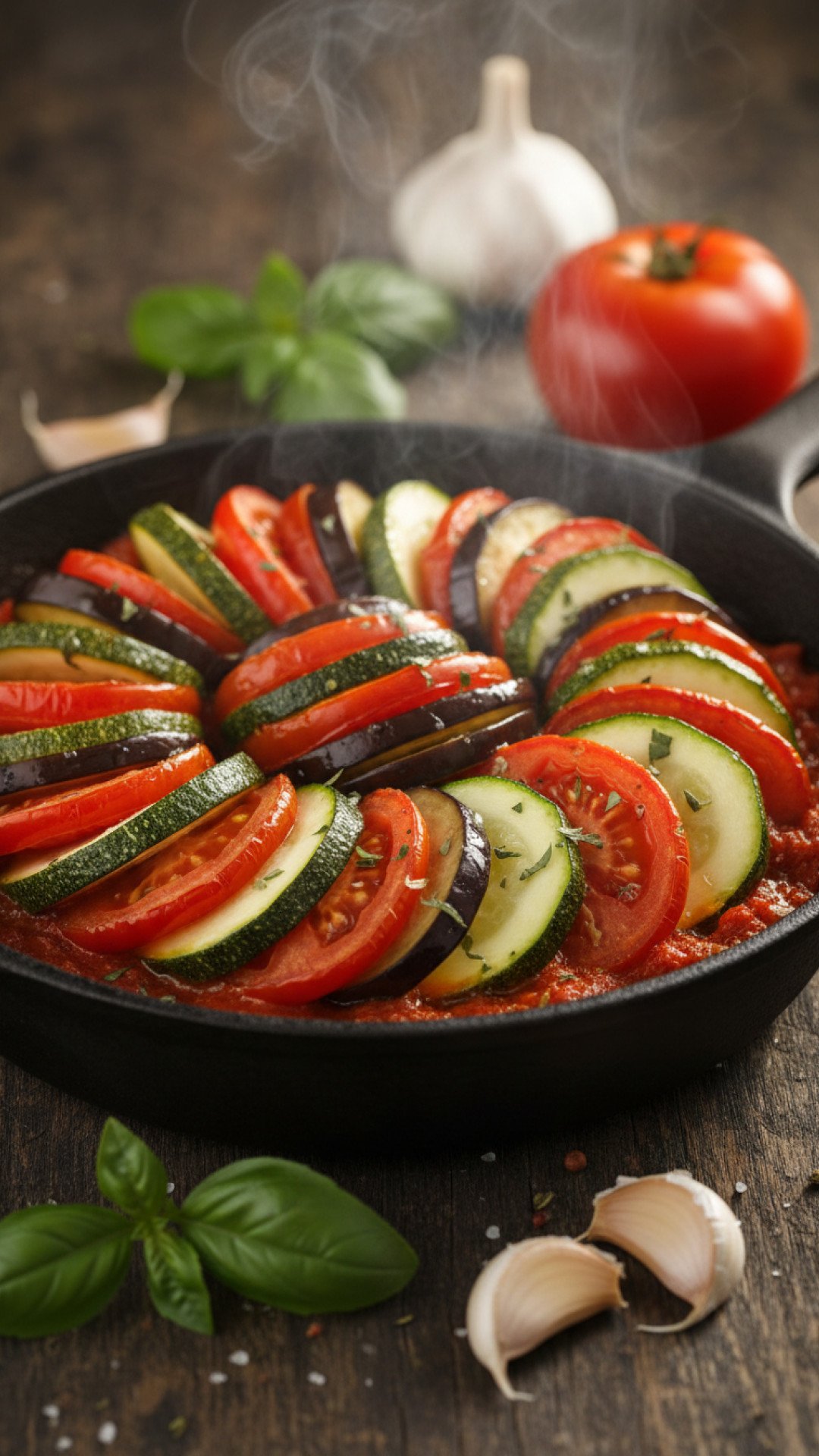
The key to a beautiful ratatouille is uniform chopping. While the iconic confit byaldi style (thinly sliced and arranged) is beautiful, for a traditional ratatouille recipe, rustic cubes are perfect. Aim for roughly 1-inch cubes for your eggplant, zucchini, and bell peppers. This ensures even cooking and a pleasant texture in every bite. Take your time with this step; it really makes a difference in the final presentation and cooking.
Cooking the Vegetables in Batches
This is a crucial pro tip for any ratatouille recipe: cook your vegetables separately and in batches! Crowding the pan leads to steaming rather than browning, resulting in limp, watery vegetables. Start with the eggplant, cooking it until tender and lightly caramelized. Remove it, then do the same for the zucchini and bell peppers. Each vegetable needs its moment in the pan to develop its unique flavor and texture before joining the rest. This technique builds layers of flavor that simply can't be achieved by throwing everything in at once. After sautéing all the vegetables, you can set them aside while you prepare the sauce.
Building the Flavorful Tomato Base
The tomato sauce is the heart of our ratatouille recipe. In the same pot you used for the vegetables, sauté diced onions and garlic until fragrant and translucent. This forms a sweet and aromatic base. Next, add your fresh or canned diced tomatoes, a touch of tomato paste for depth, and your Herbs de Provence. Let this simmer gently, allowing the flavors to meld and the sauce to thicken slightly. A splash of red wine or a hint of sugar can balance the acidity of the tomatoes, if needed. This step is where much of the magic happens, transforming simple ingredients into a rich, savory foundation.
Combining and Simmering to Perfection
Once your sauce is ready and your vegetables are cooked, it’s time to bring them all together. Gently fold the sautéed eggplant, zucchini, and bell peppers into the tomato sauce. Add fresh basil and a bay leaf, then let the entire mixture simmer slowly over low heat. This low and slow cooking allows the vegetables to absorb the rich flavors of the sauce and tenderize further, without turning mushy. Aim for at least 30-45 minutes, or even longer if you have the time. The longer it simmers, the more the flavors deepen and harmonize, resulting in an incredibly delicious ratatouille recipe. Season generously with salt and freshly ground black pepper to taste.
Variations & Serving Suggestions
This classic ratatouille recipe is incredibly versatile and can be enjoyed in many ways. While traditionally served warm, it's also delicious at room temperature, making it perfect for picnics or potlucks. For a heartier meal, consider serving it alongside a perfectly grilled steak or chicken. It also makes an excellent vegetarian main course with a dollop of fresh ricotta or a sprinkle of crumbled feta cheese. We often enjoy it with a side of homemade crusty sandwich bread for dipping into the rich sauce.
Think beyond the plate: spoon warm ratatouille over couscous, polenta, or even rice. It can be a vibrant topping for bruschetta or a savory filling for omelets and quiches. For an elegant twist, layer it into a gratin with a sprinkle of Parmesan cheese and bake until bubbly and golden. Leftovers are fantastic and can be stored in Basics Glass Food Storage containers in the refrigerator for up to 4 days, making it perfect for a quick lunch. It pairs wonderfully with a simple green salad dressed with a light vinaigrette, or perhaps even a homemade dressing similar to The Ultimate Homemade Ranch Dressing for a delicious contrast. Don't be afraid to experiment and make this ratatouille recipe your own!
Nutrition Information
| Nutrient | Amount per Serving |
|---|---|
| Calories | 180 kcal |
| Carbohydrates | 25g |
| Cholesterol | 0mg |
| Fat | 9g |
| Fiber | 8g |
| Protein | 5g |
| Saturated Fat | 1g |
| Sodium | 300mg |
| Sugar | 12g |
| Trans Fat | 0g |
| Unsaturated Fat | 7g |
*Nutrition facts are approximate and may vary based on specific ingredients and preparation methods.
Conclusion
This classic ratatouille recipe is more than just a dish; it's a celebration of fresh, seasonal produce and the simple joys of home cooking. Whether you're making it for a weeknight meal, a special occasion, or prepping it for lunches, its vibrant flavors and wholesome goodness are sure to bring a taste of the Mediterranean to your table. So go ahead, gather your ingredients, take your time with each step, and savor the experience of creating this timeless French classic. Enjoy every delicious bite!
FAQs
What vegetables are traditionally in a ratatouille recipe?
A classic ratatouille recipe traditionally features a medley of summer vegetables including eggplant, zucchini, bell peppers (often red, yellow, or green), and ripe tomatoes, all simmered with onions, garlic, and aromatic herbs like Herbs de Provence and basil.
Can I make this ratatouille recipe ahead of time?
Absolutely! Ratatouille is one of those magical dishes that often tastes even better the next day. The flavors have more time to meld and deepen, making it an excellent choice for meal prepping. You can store it in an airtight container in the refrigerator for up to 4-5 days.
What should I serve with this ratatouille recipe?
Ratatouille is incredibly versatile. It can be served as a vegetarian main course with crusty bread, rice, or polenta. It also makes a fantastic side dish for grilled meats (like chicken or steak) or fish. For a lighter meal, serve it with a fresh green salad or even spooned over pasta.
Is this ratatouille recipe vegan and gluten-free?
Yes, this traditional ratatouille recipe is naturally both vegan and gluten-free. It relies entirely on fresh vegetables, herbs, olive oil, and tomato products, making it suitable for a wide range of dietary preferences and restrictions.
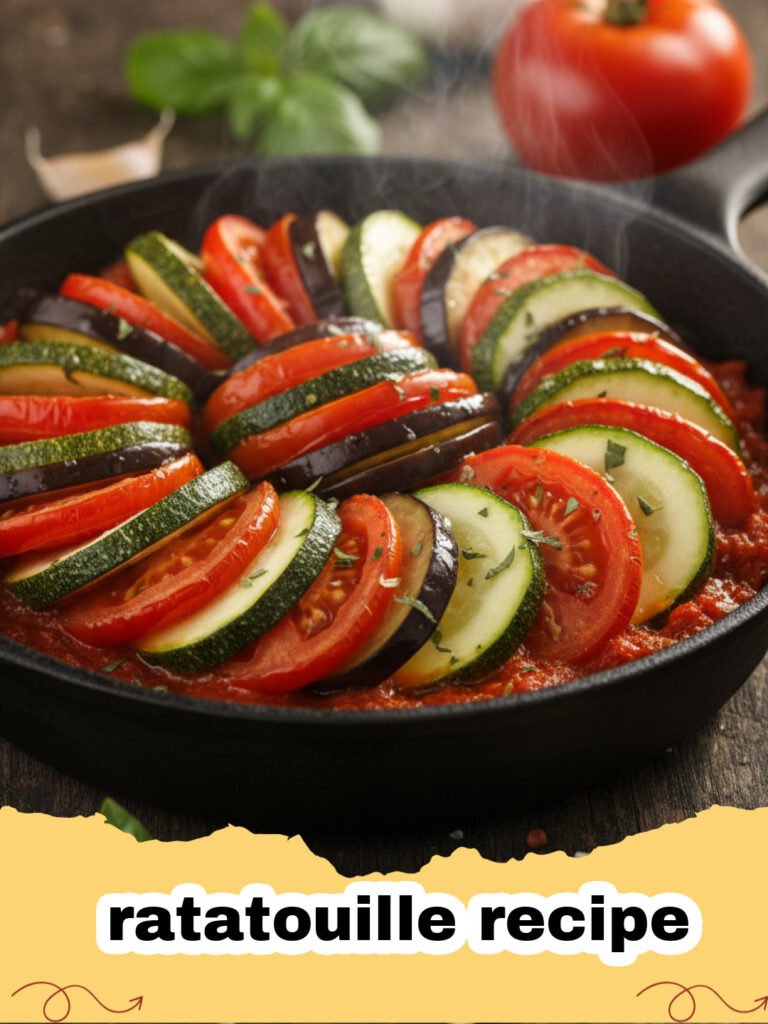
Classic French Ratatouille
A vibrant and flavorful classic French ratatouille recipe, slow-simmered with ripe tomatoes, eggplant, zucchini, bell peppers, and aromatic Herbs de Provence. This wholesome and versatile stew captures the essence of Provençal cuisine.
- Total Time: 1 hour 45 minutes
- Yield: 6 servings 1x
Ingredients
2 medium eggplants (about 1.5 lbs total), cut into 1-inch cubes
2 medium zucchini (about 1 lb total), cut into 1-inch cubes
2 bell peppers (any color, or a mix), seeded and cut into 1-inch squares
1 large yellow onion, diced
4 cloves garlic, minced
2 tbsp olive oil (plus more for cooking vegetables)
1 (28 ounce) can crushed tomatoes or 6-8 ripe Roma tomatoes, diced
1 (6 ounce) can tomato paste
1 cup vegetable broth or water
2 tsp Herbs de Provence
1 bay leaf
1/2 cup fresh basil leaves, chopped (plus more for garnish)
Salt and freshly ground black pepper to taste
Instructions
Step 1: Prepare all vegetables by washing and cutting the eggplant, zucchini, and bell peppers into roughly 1-inch cubes. Dice the onion and mince the garlic.
Step 2: In a large heavy-bottomed pot or Dutch oven, heat about 1-2 tablespoons of olive oil over medium-high heat. Add the cubed eggplant in a single layer (work in batches if necessary to avoid crowding the pan). Cook, stirring occasionally, until softened and lightly browned, about 5-7 minutes. Remove with a slotted spoon and set aside.
Step 3: Add a little more olive oil to the pot if needed, then add the zucchini. Cook until lightly browned and tender-crisp, about 4-6 minutes. Remove and set aside with the eggplant.
Step 4: Repeat with the bell peppers, cooking until slightly softened, about 3-5 minutes. Remove and set aside with the other vegetables.
Step 5: Reduce the heat to medium. Add the diced onion to the pot and cook, stirring frequently, until translucent and softened, about 5-7 minutes. Add the minced garlic and cook for another minute until fragrant.
Step 6: Stir in the crushed tomatoes, tomato paste, vegetable broth, Herbs de Provence, and bay leaf. Bring the mixture to a gentle simmer, stirring to combine all ingredients.
Step 7: Gently fold the reserved cooked eggplant, zucchini, and bell peppers into the tomato sauce. Add the chopped fresh basil. Stir gently to coat all vegetables.
Step 8: Reduce the heat to low, cover the pot, and simmer for at least 30-45 minutes, or up to 1.5 hours, stirring occasionally. The longer it simmers, the more the flavors will meld and deepen. The vegetables should be very tender but still hold their shape.
Step 9: Remove the bay leaf. Taste and adjust seasoning with salt and freshly ground black pepper as needed.
Step 10: Serve warm, garnished with extra fresh basil, as a main course or a delicious side dish. This ratatouille recipe tastes even better the next day!
Notes
For best flavor, consider making this ratatouille a day ahead, as the flavors meld and deepen overnight. Adjust the amount of olive oil used when sautéing vegetables based on your preference; some prefer a bit more for extra browning. This dish freezes well for up to 3 months.
- Prep Time: 30 minutes
- Cook Time: 1 hour 15 minutes
- Category: Main Dishes & Savory Recipes
- Cuisine: French
Nutrition
- Serving Size: 1 cup
- Calories: 180 kcal
- Sugar: 12g
- Sodium: 300mg
- Fat: 9g
- Saturated Fat: 1g
- Unsaturated Fat: 7g
- Trans Fat: 0g
- Carbohydrates: 25g
- Fiber: 8g
- Protein: 5g
- Cholesterol: 0mg