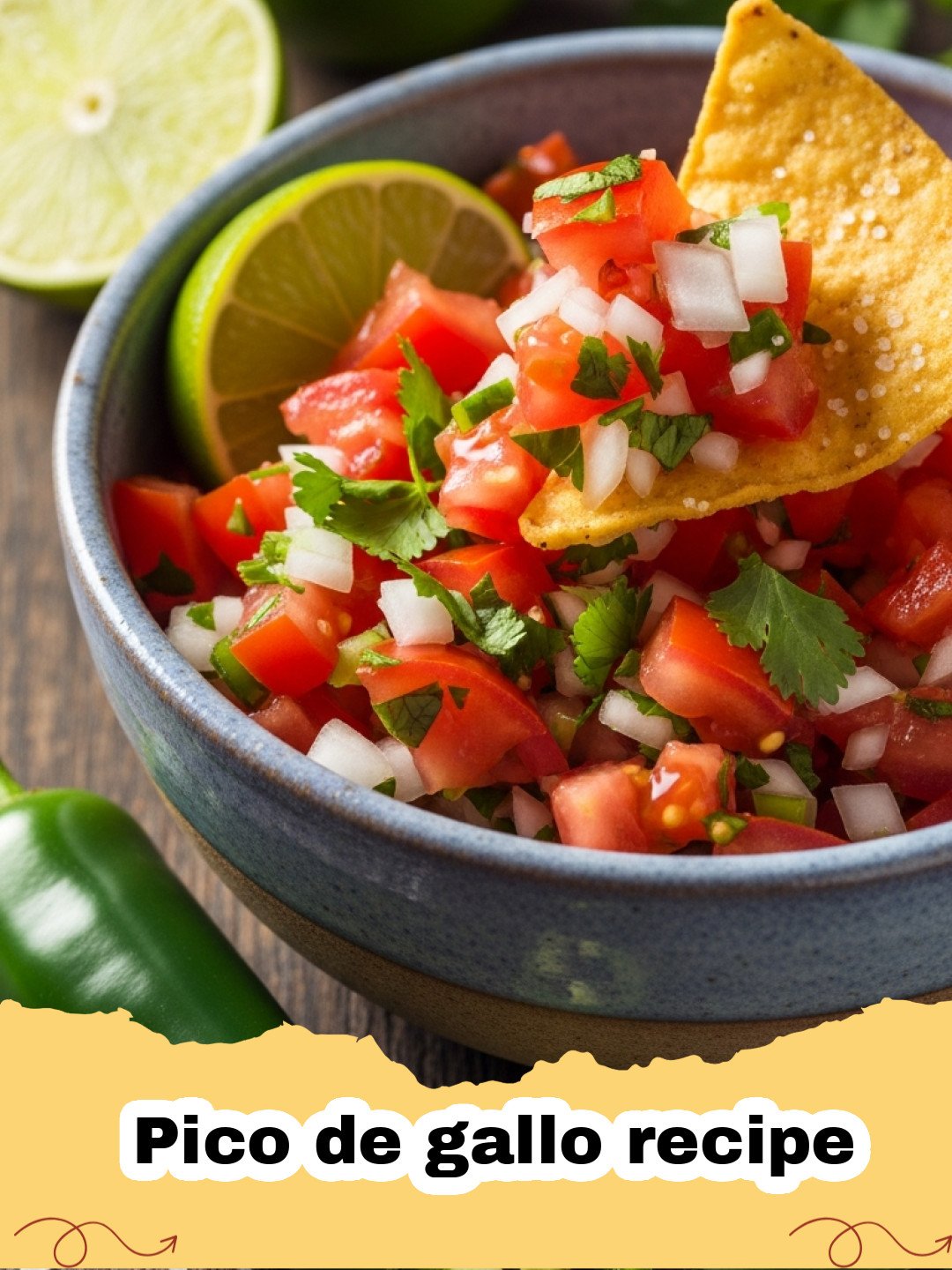
A vibrant, authentic Pico de gallo recipe is the heartbeat of any great Mexican feast, bringing a burst of freshness that can elevate even the simplest meal. My first real encounter with this dish wasn't in a restaurant, but in a small, sun-drenched kitchen in Sayulita, Mexico. I remember the rhythmic sound of a sharp knife hitting a wooden board as our host, Maria, prepared what she called 'Salsa Bandera.' The air was thick with the scent of salty sea air and the sharp, bright citrus of freshly squeezed limes. As I watched her precisely dice each ingredient, I realized that a truly great Pico de gallo recipe isn't just about mixing vegetables; it is about the balance of acid, heat, and crunch. That afternoon, sitting on a colorful tiled patio with a bowl of warm tortilla chips and this fresh salsa, I understood why this simple preparation is a staple in every Mexican home. It is raw, honest, and utterly delicious. Since that trip, I have spent years perfecting my own Pico de gallo recipe to capture that exact moment of bliss, ensuring every bite is a perfect harmony of flavors.
Why This Recipe is a Must-Try
- Incredible Freshness: Unlike jarred salsas, this Pico de gallo recipe uses raw, crisp ingredients that provide a refreshing crunch and a bright flavor profile that you simply cannot get from cooked sauces.
- Naturally Healthy: This recipe is naturally low in calories, fat-free, and packed with vitamins A and C, making it a guilt-free addition to any meal.
- Total Versatility: While it is famous as a dip, this Pico de gallo recipe works beautifully as a topping for grilled fish, a garnish for omelets, or a fresh layer inside a hearty burrito.
- Quick and Easy: With no cooking involved, you can have a restaurant-quality appetizer on the table in less than 15 minutes.
Key Ingredient Notes
The secret to an extraordinary Pico de gallo recipe lies in the quality of your produce. Because there is no heat to soften the ingredients or mask imperfections, every element must be at its peak. First and foremost, let's talk about the tomatoes. I always recommend using Roma tomatoes for a Pico de gallo recipe because they have a firmer flesh and fewer seeds than beefsteak or heirloom varieties. This prevents the salsa from becoming overly watery. To ensure the best texture, I take the extra step of de-seeding the tomatoes before dicing them into uniform, small cubes.
Next is the onion. While some people use red onion for color, a traditional Pico de gallo recipe almost always calls for white onion. White onions have a sharper, cleaner bite that complements the lime juice perfectly without lingering too long on the palate. When it comes to the heat, jalapeños are the standard choice. If you prefer a milder Pico de gallo recipe, be sure to remove every single seed and the white membrane from the pepper, as that is where the capsaicin is concentrated. For those who crave a real kick, you can substitute serrano peppers, which offer a brighter, more intense heat. Finally, never underestimate the power of fresh lime juice and salt. The salt doesn't just season; it actually draws out the juices from the tomatoes and onions, creating a light 'sauce' that binds the salsa together.
Step-by-Step Guide with Pro Tips
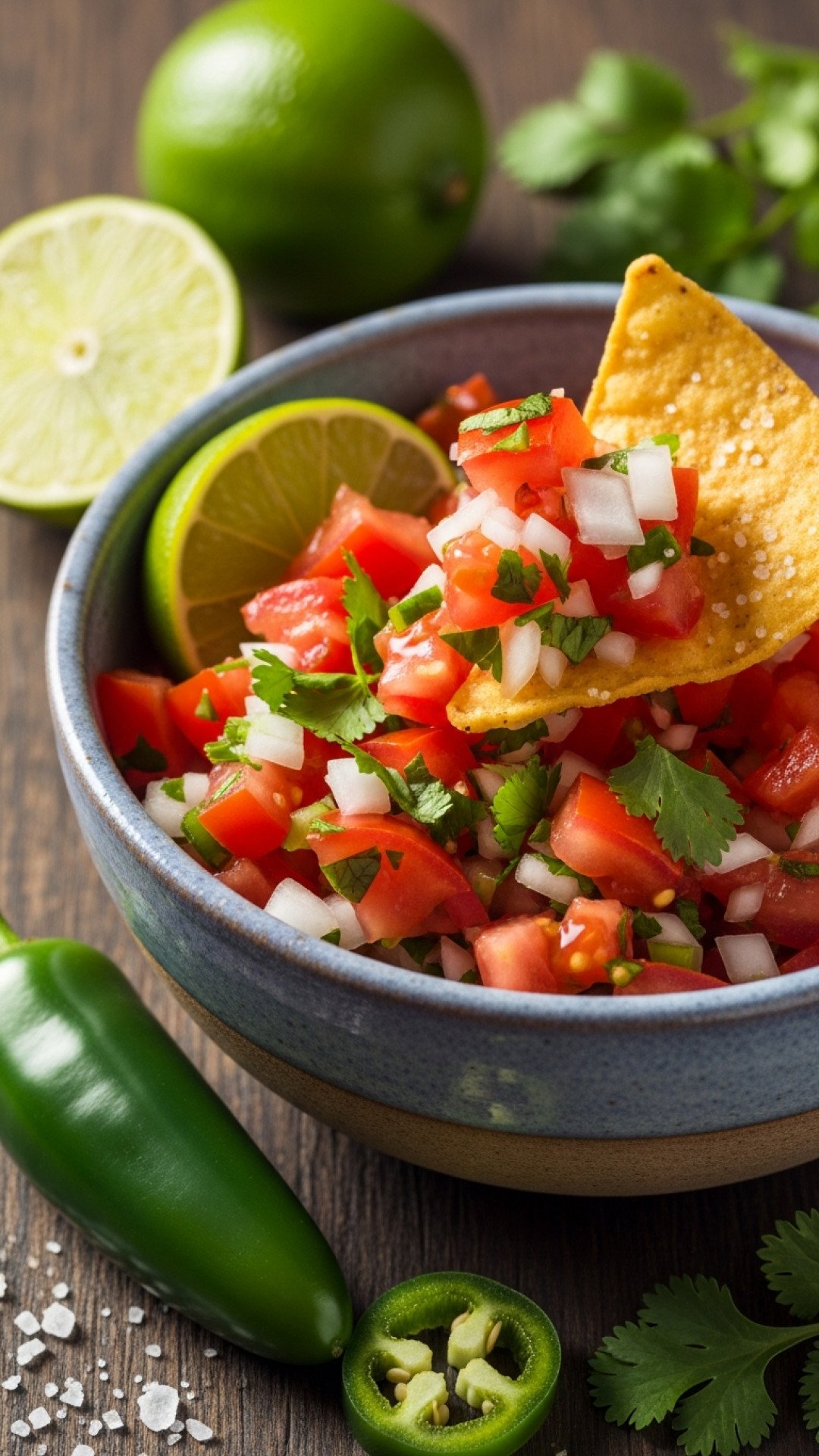
Creating this Pico de gallo recipe is a meditative process that rewards patience and precision. Start by ensuring your knife is as sharp as possible; a dull knife will bruise the cilantro and crush the tomatoes rather than slicing through them cleanly. This keeps the colors vibrant and the textures distinct.
Step 1: Begin by dicing your Roma tomatoes. Cut them in half lengthwise, scoop out the watery seeds with a spoon, and then dice the flesh into small, 1/4-inch pieces. Place them in a large glass bowl. Step 2: Dice the white onion to a similar size as the tomatoes. The goal for a perfect Pico de gallo recipe is to have a little bit of every ingredient in every single bite. Step 3: Finely mince the jalapeño. If you are sensitive to spice, wearing gloves is a smart move to avoid 'jalapeño hand.' Step 4: Roughly chop a large handful of fresh cilantro. Include some of the tender stems, as they hold an incredible amount of flavor. Step 5: Combine all the chopped ingredients in the bowl and pour over the juice of two fresh limes. Sprinkle with a generous teaspoon of sea salt.
A pro tip for the best Pico de gallo recipe is the 'rest period.' Once everything is mixed, let the bowl sit at room temperature for at least 15 to 30 minutes. This allows the salt to macerate the vegetables. If you find there is too much liquid at the bottom after resting, you can partially drain it, though many enthusiasts believe that 'liquid gold' is the best part. To keep your leftovers crisp and prevent them from picking up refrigerator odors, I highly recommend using Basics Glass Food Storage containers. They are non-porous and keep the lime juice from reacting with the container material.
Variations & Serving Suggestions
While the classic Pico de gallo recipe is perfection on its own, there are many ways to get creative. For a tropical twist, try a Mango or Pineapple Pico by replacing half of the tomatoes with diced fruit. This version is particularly stunning when served over grilled shrimp or blackened salmon. If you want something heartier, you can add rinsed black beans and roasted corn to the mix, turning the Pico de gallo recipe into a 'Texas Caviar' style salad that is great for potlucks.
When it comes to serving, the possibilities are endless. It is, of course, the mandatory companion for tacos and nachos. However, if you are planning a full-scale Mexican-themed evening, consider the beverage pairing. This salsa pairs magnificently with a refreshing cocktail. After your meal, you might want to try The Ultimate Carajillo Recipe, which offers a sophisticated coffee-based finish to a spicy dinner. For a complete taco bar experience, I also recommend serving this alongside The Ultimate Quick Pickled Red Onion Recipe. The combination of the fresh, crunchy Pico and the tangy, bright pink onions provides a professional-level garnish selection that will wow your guests.
Nutrition Information
This Pico de gallo recipe is one of the most nutrient-dense condiments you can make. It is exceptionally low in calories while being high in flavor. Below is the nutritional breakdown per serving (approximately 1/2 cup).
| Nutrient | Amount per Serving |
|---|---|
| Calories | 15 kcal |
| Carbohydrate Content | 3 g |
| Cholesterol Content | 0 mg |
| Fat Content | 0.1 g |
| Fiber Content | 1 g |
| Protein Content | 0.6 g |
| Saturated Fat Content | 0 g |
| Serving Size | 0.5 cup |
| Sodium Content | 200 mg |
| Sugar Content | 2 g |
| Trans Fat Content | 0 g |
| Unsaturated Fat Content | 0 g |
Conclusion
Mastering this Pico de gallo recipe is a gateway to authentic Mexican cooking. It teaches you the importance of ingredient quality and the magic that happens when simple flavors are allowed to meld. Whether you are hosting a summer barbecue or just looking to brighten up your Tuesday night tacos, this fresh salsa is guaranteed to be a hit. Remember to use the freshest limes and give the ingredients time to mingle. Happy dicing, and enjoy the vibrant taste of summer in every spoonful!
FAQs
How long does this Pico de gallo recipe stay fresh?
This Pico de gallo recipe is best enjoyed the day it is made. However, it can be stored in an airtight glass container in the refrigerator for up to 3 days. Note that the vegetables will soften and release more juice the longer they sit.
Can I use canned tomatoes for Pico de gallo?
Technically you can, but it is not recommended. Pico de gallo is defined by its fresh, raw, and crunchy texture. Canned tomatoes are cooked and soft, which would result in a texture more like a standard salsa roja rather than an authentic Pico de gallo.
Why is my Pico de gallo so watery?
Pico de gallo becomes watery if the tomatoes are not seeded or if it sits for a long time. The salt draws moisture out of the vegetables. To avoid this, scoop out the seeds of the tomatoes before dicing and serve with a slotted spoon if needed.
How do I make the Pico de gallo recipe less spicy?
To reduce the heat, ensure you remove all the seeds and the white inner membranes of the jalapeu00f1os. You can also use a milder pepper like an Anaheim chili or even finely diced green bell pepper for flavor without the spice.
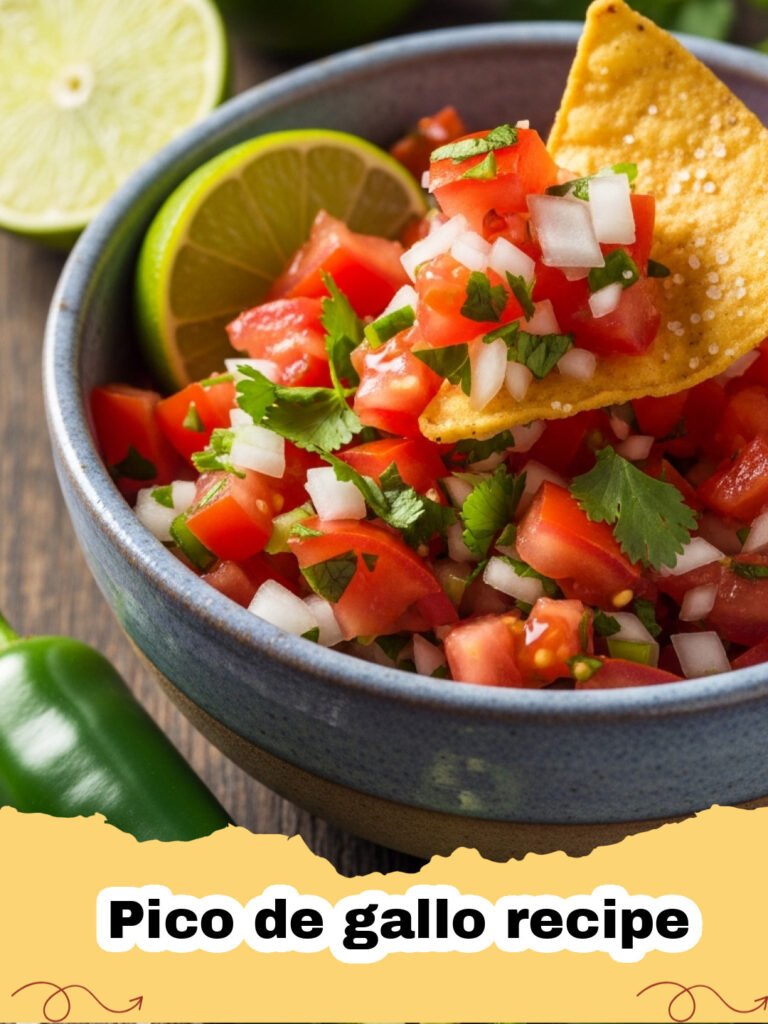
Fresh Authentic Pico de Gallo
A classic Mexican salsa made with fresh Roma tomatoes, white onion, jalapeño, cilantro, and lime juice. Perfect as a dip or a fresh topping.
- Total Time: 15 minutes
- Yield: 3 cups 1x
Ingredients
6 large Roma tomatoes, seeded and diced
1 medium white onion, finely diced
2 jalapeños, seeded and minced
1/2 cup fresh cilantro, chopped
Juice of 2 large limes
1 tsp sea salt
1/4 tsp black pepper
Instructions
Step 1: Prepare the tomatoes by slicing them in half, removing the seeds with a spoon, and dicing the flesh into small, uniform cubes.
Step 2: Finely dice the white onion to match the size of the tomato pieces to ensure a balanced texture.
Step 3: Carefully mince the jalapeños; remove the seeds and ribs for a milder flavor, or keep them for extra heat.
Step 4: Coarsely chop the fresh cilantro, including the tender upper stems for maximum aromatics.
Step 5: Combine the tomatoes, onion, jalapeños, and cilantro in a glass or ceramic bowl.
Step 6: Squeeze the fresh lime juice over the mixture, add the sea salt and black pepper, and toss gently to combine.
Step 7: Let the salsa rest at room temperature for 15-30 minutes before serving to allow the flavors to meld and the juices to release.
Notes
Always use white onion for the most authentic flavor. Let the salsa sit for at least 15 minutes before serving for the best taste.
- Prep Time: 15 minutes
- Cook Time: 0 minutes
- Category: Drinks, Snacks & Holiday Treats
- Cuisine: Mexican
Nutrition
- Serving Size: 0.5 cup
- Calories: 15 kcal
- Sugar: 2 g
- Sodium: 200 mg
- Fat: 0.1 g
- Saturated Fat: 0 g
- Unsaturated Fat: 0 g
- Trans Fat: 0 g
- Carbohydrates: 3 g
- Fiber: 1 g
- Protein: 0.6 g
- Cholesterol: 0 mg