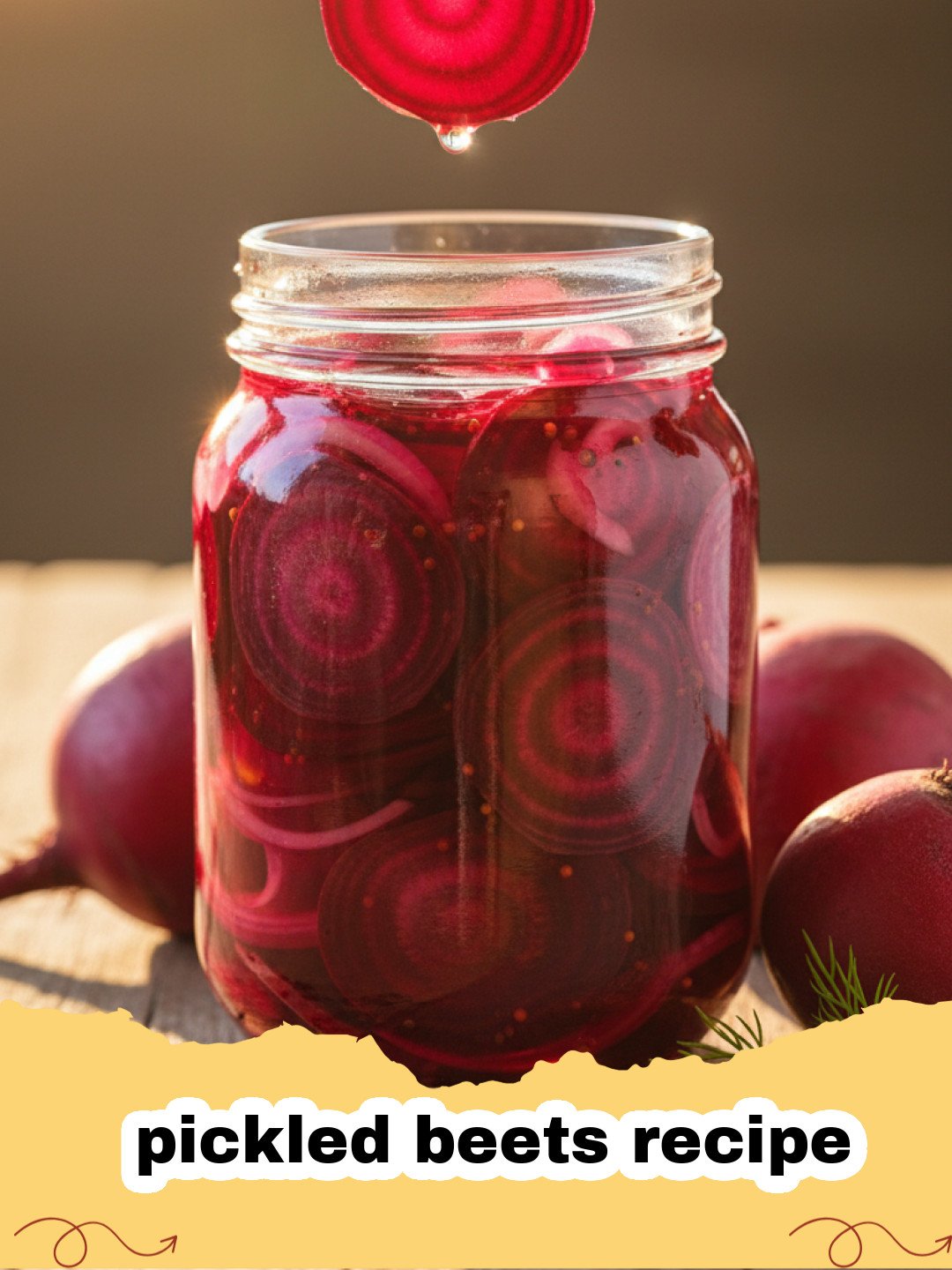
There's a certain magic in a jar of homemade pickled beets. For me, the journey to perfecting this pickled beets recipe began in my grandmother's sun-drenched kitchen. I can still vividly recall the earthy aroma of freshly boiled beets mingling with the sharp, sweet scent of vinegar and spices as they simmered on her old gas stove. Growing up, a jar of her vibrant, ruby-red pickled beets was a staple in her pantry, a testament to her frugality and her knack for transforming humble root vegetables into something extraordinary. Every family gathering, without fail, a bowl of those glossy, tangy slices would grace the table, alongside roasted meats and mashed potatoes. It wasn't just food; it was a connection to tradition, a taste of home, and a reminder of simpler times. This particular pickled beets recipe isn't just a guide; it's an invitation to recreate those cherished memories and perhaps even start new ones in your own kitchen. It's the kind of recipe that makes you feel accomplished and fills your home with comforting scents.
Why This Pickled Beets Recipe is a Must-Try
- This pickled beets recipe yields perfectly tender beets with a delightful sweet-and-sour balance that's hard to beat.
- It's incredibly versatile! Enjoy these pickled beets as a side dish, in salads, or as a vibrant garnish.
- Making your own pickled beets allows you to control the ingredients, avoiding artificial preservatives and excessive sugar often found in store-bought versions.
- The process is surprisingly simple, even for beginner canners or those new to pickling. Plus, the rewarding feeling of seeing those jewel-toned jars on your shelf is unparalleled.
Key Ingredient Notes for Your Pickled Beets Recipe
The beauty of this pickled beets recipe lies in its simplicity and the quality of its core ingredients. Choosing the right ones makes all the difference in achieving that perfect tangy-sweet flavor and vibrant color.
Fresh Beets
Opt for small to medium-sized beets, ideally 1 to 2 inches in diameter. These tend to be more tender and less fibrous than larger ones. Look for firm beets with smooth skins and fresh-looking greens attached (if buying with greens). Avoid any with soft spots or blemishes. While red beets are traditional and give you that classic ruby color, you can also experiment with golden or striped beets for a different visual appeal. Just remember that golden beets will yield a paler pickling liquid. Remember, the quality of your beets directly impacts the final texture and taste of your pickled beets recipe.
Vinegar
Distilled white vinegar is the standard choice for this pickled beets recipe due to its consistent acidity and neutral flavor, allowing the beets' earthy sweetness and the pickling spices to shine. However, for a slightly milder, fruitier tang, you could experiment with apple cider vinegar. If you do, make sure it has at least 5% acidity, which is crucial for safe pickling. The vinegar is the backbone of your pickling liquid, providing the necessary acidity for preservation and that unmistakable sour kick.
Pickling Spices
While salt, sugar, and vinegar form the base, the spices are where you can truly personalize your pickled beets recipe. Whole cloves and allspice berries are classic for a warm, slightly peppery note. A bay leaf adds a subtle herbal aroma. For an extra layer of complexity, consider adding a pinch of mustard seeds, a few black peppercorns, or even a tiny piece of star anise. Feel free to adjust these to your personal preference – some people love a more pungent spice profile, while others prefer it subtle. The goal is a balanced flavor that complements the beets, not overwhelms them.
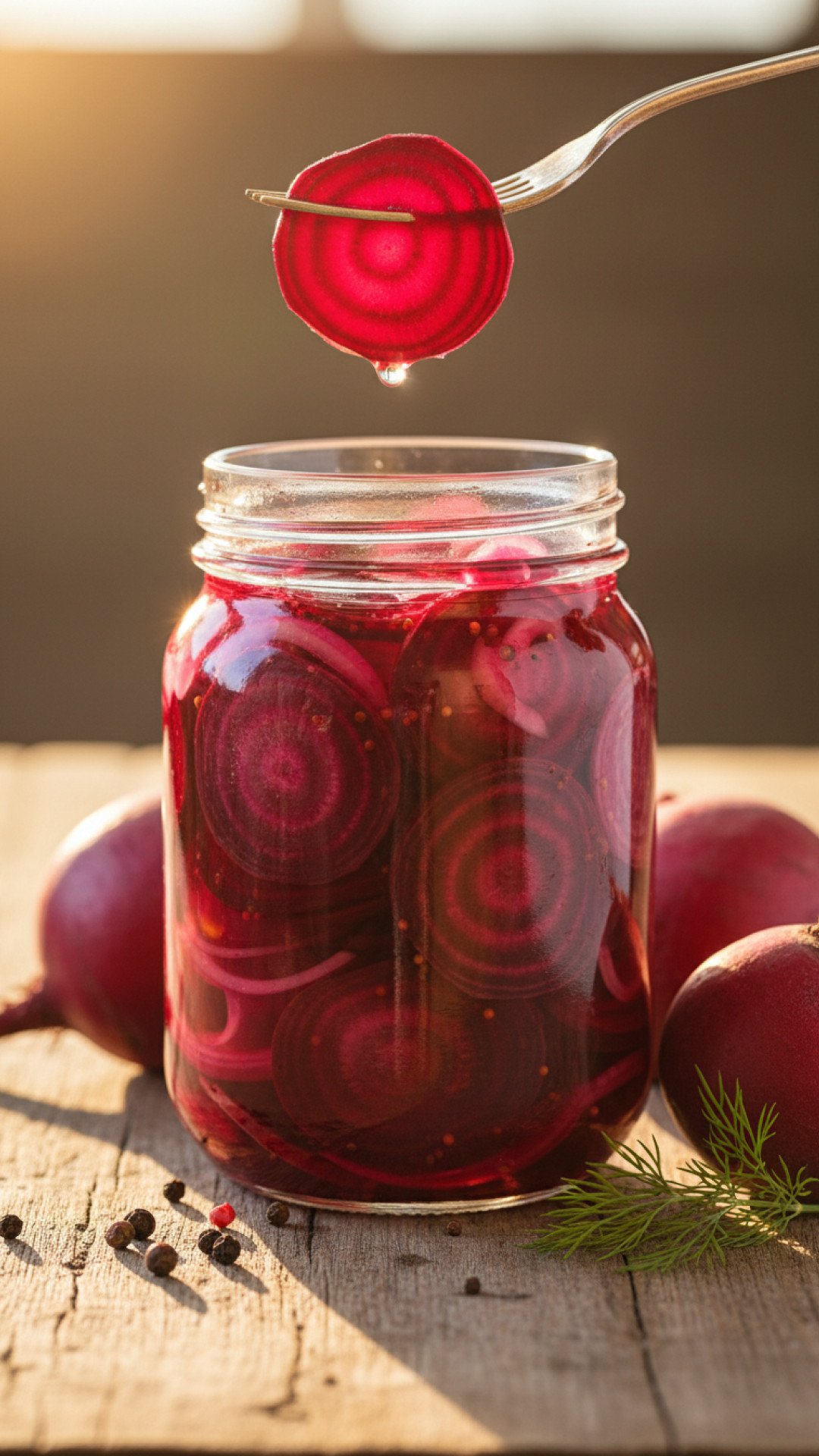
Step-by-Step Guide with Pro Tips for this Pickled Beets Recipe
Ready to create your own batch of delicious pickled beets? Follow these detailed steps, and you'll be enjoying homemade goodness in no time!
- Step 1: Prepare the Beets. Wash the beets thoroughly, scrubbing off any dirt. Trim off the leafy tops, leaving about an inch of stem attached, and trim the taproot. This prevents too much 'bleeding' of color during cooking.
- Step 2: Cook the Beets. Place the washed beets in a large pot and cover them with water. Bring to a boil, then reduce heat and simmer until tender when pierced with a fork. This usually takes 30-60 minutes, depending on their size. Small beets cook faster.
- Step 3: Cool and Peel. Once tender, drain the beets and rinse them under cold water. The skins should slip off easily with your fingers or a paring knife. If not, they might need a little more cooking.
- Step 4: Slice the Beets. Slice the peeled beets into 1/4-inch thick rounds or wedges. You can also cube them if preferred. Uniformity helps with even pickling.
- Step 5: Prepare the Brine. In a medium saucepan, combine the white vinegar, water, sugar, salt, whole cloves, allspice berries, and bay leaf. Bring the mixture to a boil, stirring until the sugar and salt are completely dissolved. Reduce the heat and let it simmer for 5 minutes to allow the flavors to meld. This is the heart of your pickled beets recipe.
- Step 6: Pack the Jars. Carefully pack the sliced beets into clean, sterilized pint or quart-sized canning jars, leaving about 1/2 inch of headspace.
- Step 7: Pour the Brine. Ladle the hot pickling brine over the beets, ensuring they are fully submerged. Remove any air bubbles with a clean knife or spatula, adding more brine if necessary to maintain headspace.
- Step 8: Seal and Process (Optional, for shelf-stability). If you plan to store these at room temperature, wipe the jar rims clean, place on new lids and screw bands until fingertip tight. Process in a boiling water canner for 30 minutes (adjusting for altitude). For refrigerator storage, simply tighten the lids and let cool.
- Step 9: Cool and Store. Let the jars cool completely on the counter. Once cool, check seals if processed. Store processed jars in a cool, dark place. Refrigerate any unsealed jars or those intended for short-term storage. For best flavor, let the pickled beets mature for at least 1-2 weeks before eating. This allows the flavors of this delicious pickled beets recipe to fully develop.
Pro Tip: No-Cook Shortcut for Softer Beets
If you're short on time or prefer a quicker method, you can roast the beets instead of boiling them. Wrap well-cleaned beets in foil and roast at 400°F (200°C) until tender. This method often results in a sweeter, more concentrated beet flavor before they become part of this wonderful pickled beets recipe. Just be sure to cool and peel them as usual before slicing.
Variations & Serving Suggestions for Your Pickled Beets Recipe
This classic pickled beets recipe is fantastic on its own, but there are countless ways to customize it and incorporate it into your meals.
Spice Variations:
- Spicy Pickled Beets: Add a few red pepper flakes or a sliced jalapeño to the brine for a kick.
- Herbal Infusion: Include a sprig of fresh dill or thyme in each jar for an aromatic twist.
- Ginger Zing: A few thin slices of fresh ginger in the brine can add a warm, pungent note that complements the beets beautifully.
Serving Suggestions:
- Classic Side Dish: Serve chilled alongside roasted chicken, pork, or a hearty pot roast.
- Salad Booster: Chop them up and add them to green salads, potato salads, or even a lemon herb grilled salmon dish for a burst of color and flavor. They pair wonderfully with feta cheese and walnuts.
- Sandwich & Burger Topping: Their tangy crunch makes them an excellent addition to sandwiches, wraps, and especially burgers.
- Appetizer Delight: Arrange slices on a platter with goat cheese, fresh herbs, and a drizzle of olive oil for an elegant appetizer. You might also enjoy another take on this classic, check out The Ultimate Old-Fashioned Pickled Beets Recipe: A Sweet and Tangy Tradition for more inspiration!
- Charcuterie Board: Their vibrant color and tangy taste make them a perfect component for a diverse charcuterie or cheese board.
Once you've made a batch of this delightful pickled beets recipe, proper storage is key to enjoying them for weeks or months. I highly recommend using quality glass containers for your finished product. These Basics Glass Food Storage containers are fantastic for keeping your pickled beets fresh and easily visible in the fridge.
Nutrition Information
These values are estimates per serving for a typical pickled beets recipe and can vary based on exact ingredients and portion sizes.
| Nutrient | Amount (per serving) |
|---|---|
| Calories | 85 kcal |
| Carbohydrates | 20g |
| Cholesterol | 0mg |
| Total Fat | 0.2g |
| Dietary Fiber | 3g |
| Protein | 2g |
| Saturated Fat | 0g |
| Sodium | 250mg |
| Sugars | 15g |
| Trans Fat | 0g |
| Unsaturated Fat | 0.1g |
Conclusion
Embarking on the journey of making your own pickled beets with this comprehensive pickled beets recipe is more than just cooking; it's a delightful experience that connects you to culinary traditions and offers a burst of fresh, tangy flavor. From the vibrant color to the satisfying crunch, every bite is a testament to the simple joy of homemade food. Whether you're a seasoned pickler or trying your hand at it for the first time, this recipe is designed to guide you to success, filling your pantry with jars of ruby-red goodness. So, gather your ingredients, follow these steps, and prepare to fall in love with the timeless appeal of homemade pickled beets. Enjoy the process, and savor the delicious results!
FAQs
How long do homemade pickled beets last?
If properly processed in a boiling water canner, homemade pickled beets can last for up to 1 year in a cool, dark pantry. Once opened, or if stored only in the refrigerator (not processed), they should be consumed within 2-3 months.
Can I use apple cider vinegar instead of white vinegar for this pickled beets recipe?
Yes, you can substitute apple cider vinegar for white vinegar in this pickled beets recipe. Apple cider vinegar will give the beets a slightly milder, fruitier flavor. Ensure it has at least 5% acidity for safe pickling.
Why are my pickled beets not as red as I expected?
The color of your pickled beets can vary based on the freshness and variety of beets used. To maximize color, leave about an inch of stem and the taproot intact during boiling, and avoid cutting the beets before cooking, as this can cause them to 'bleed' color into the cooking water. Some fading is normal during the pickling process.
What are some good serving suggestions for pickled beets?
Pickled beets are incredibly versatile! They are excellent as a classic side dish, added to green salads or potato salads, used as a topping for sandwiches and burgers, or served on a charcuterie board with cheeses and crackers. Their tangy flavor brightens many meals.
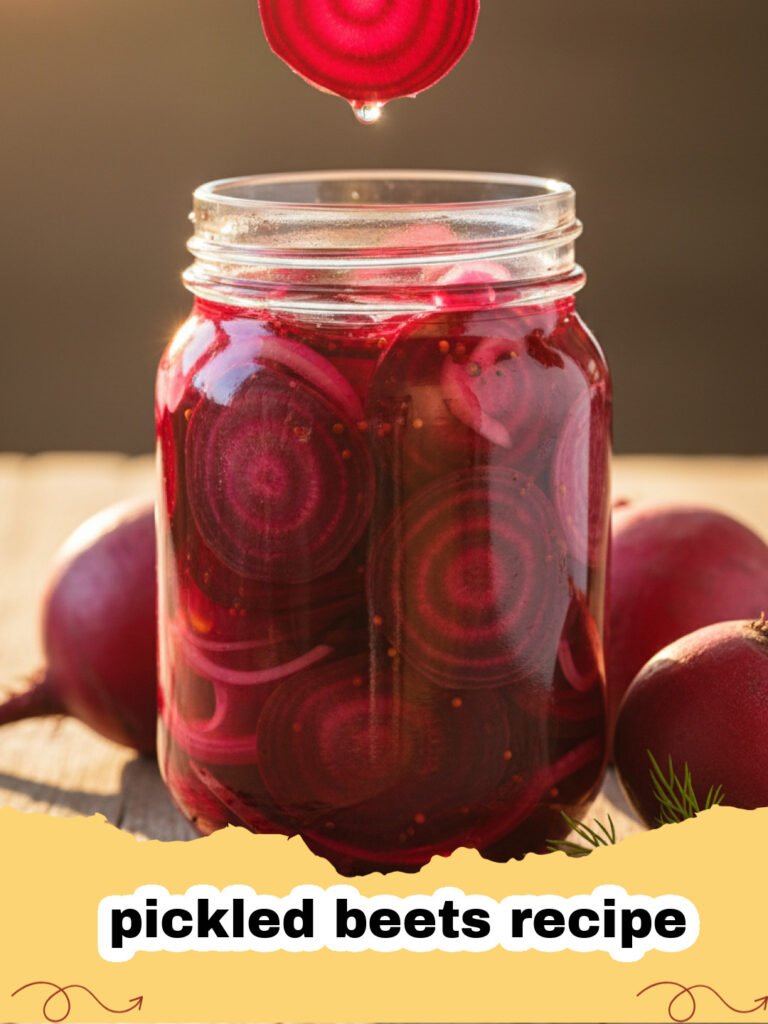
Classic Sweet and Tangy Pickled Beets
This is the quintessential homemade pickled beets recipe, delivering perfectly tender, sweet, and tangy beets that are bursting with flavor. A beloved side dish and versatile addition to salads and sandwiches.
- Total Time: 1 hour 10 minutes
- Yield: 4 pints 1x
Ingredients
3 lbs fresh medium beets, trimmed (1 inch stem and taproot left on)
2 cups distilled white vinegar (5% acidity)
1 cup water
1 cup granulated sugar
1 tsp canning salt (or kosher salt)
1 tsp whole cloves
1 tsp whole allspice berries
2 bay leaves
Instructions
Step 1: Wash the beets thoroughly, scrubbing off any dirt. Trim off the leafy tops, leaving about an inch of stem attached, and trim the taproot.
Step 2: Place the washed beets in a large pot and cover with water. Bring to a boil, then reduce heat and simmer until tender when pierced with a fork, about 30-60 minutes depending on size.
Step 3: Drain the cooked beets and rinse them under cold water. The skins should slip off easily with your fingers or a paring knife. Discard stems and taproots.
Step 4: Slice the peeled beets into 1/4-inch thick rounds or wedges. Set aside.
Step 5: In a medium saucepan, combine the white vinegar, water, sugar, canning salt, whole cloves, allspice berries, and bay leaves. Bring the mixture to a boil, stirring until the sugar and salt are completely dissolved. Reduce heat and let it simmer for 5 minutes.
Step 6: Carefully pack the sliced beets into clean, sterilized pint or quart-sized canning jars, leaving about 1/2 inch of headspace.
Step 7: Ladle the hot pickling brine over the beets, ensuring they are fully submerged. Remove any air bubbles with a clean knife or spatula, adding more brine if necessary to maintain headspace.
Step 8: Wipe jar rims clean, place new lids and screw bands on until fingertip tight. For shelf-stable storage, process in a boiling water canner for 30 minutes (adjust for altitude). For refrigerator storage, simply tighten lids and let cool.
Step 9: Let the jars cool completely on the counter. Once cool, check seals if processed. Store processed jars in a cool, dark place. Refrigerate any unsealed jars or those intended for short-term storage. For best flavor, let the pickled beets mature for at least 1-2 weeks before eating.
Notes
For best flavor, allow the pickled beets to sit for at least 1-2 weeks before consuming to allow the flavors to fully develop. Store in the refrigerator for up to 2-3 months after opening, or in a cool, dark pantry if properly canned.
- Prep Time: 25 minutes
- Cook Time: 45 minutes
- Category: Main Dishes & Savory Recipes
- Cuisine: American
Nutrition
- Serving Size: 1/2 cup (approx. 120g)
- Calories: 85 kcal
- Sugar: 15g
- Sodium: 250mg
- Fat: 0.2g
- Saturated Fat: 0g
- Unsaturated Fat: 0.1g
- Trans Fat: 0g
- Carbohydrates: 20g
- Fiber: 3g
- Protein: 2g
- Cholesterol: 0mg