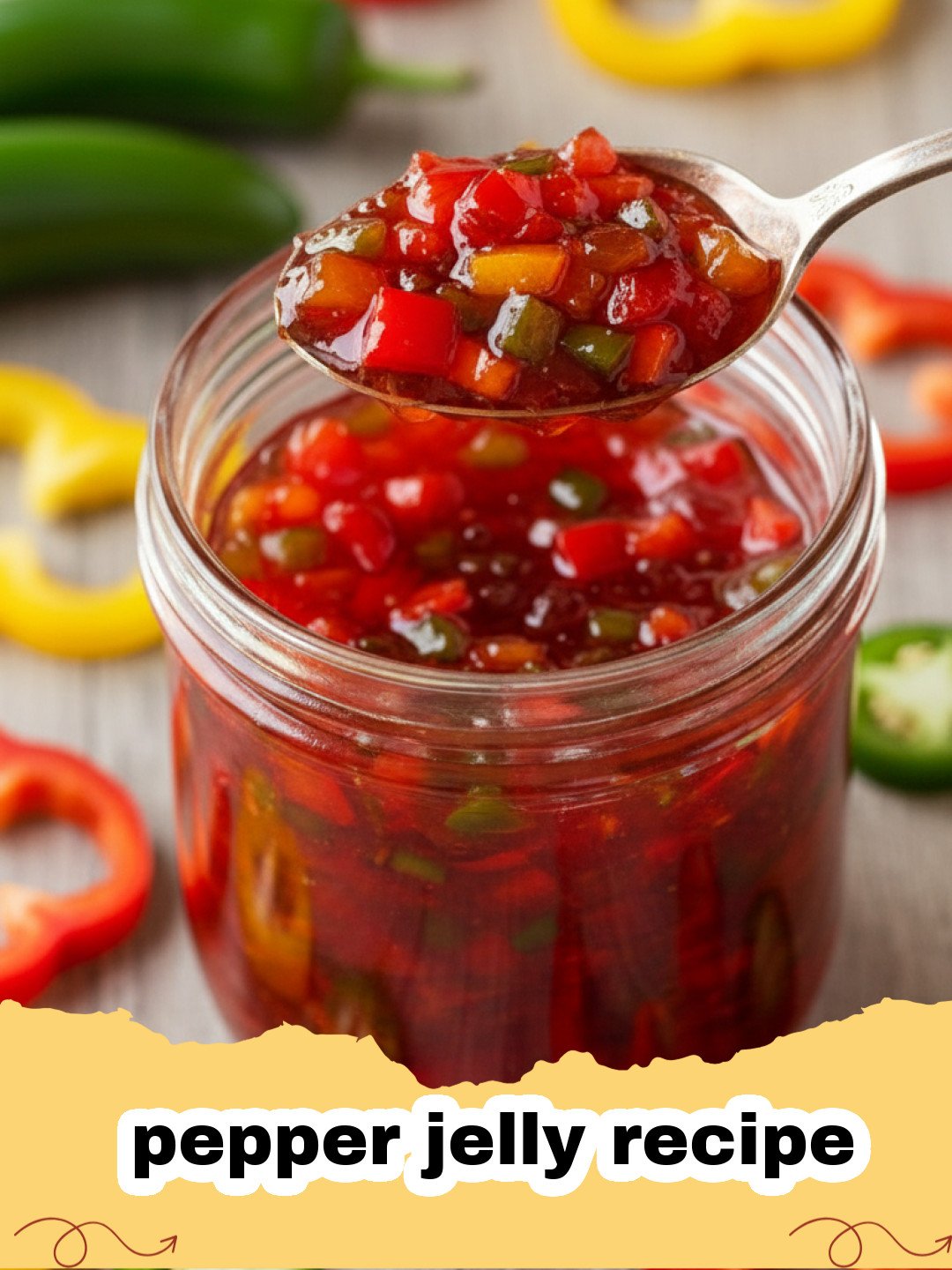
There's something magical about transforming simple ingredients into a vibrant, complex condiment that brightens up any dish. For me, that magic often comes in a jar of homemade pepper jelly. My first introduction to a real, homemade pepper jelly recipe wasn't in a fancy restaurant, but at a bustling farmers' market years ago. I remember sampling a tiny spoonful of ruby-red jelly on a cracker with cream cheese, and my taste buds immediately lit up. It was sweet, tangy, and had this unexpected, delightful warmth that lingered. From that moment on, I was hooked. Store-bought versions just didn't compare. That’s when I decided I had to master my own pepper jelly recipe. It took a few attempts, a lot of chopped peppers, and a sticky kitchen, but the result was worth it. This isn't just any pepper jelly recipe; it's a testament to the joy of homemade goodness, a burst of flavor perfect for everything from a sophisticated cheese board to a simple weeknight sandwich.
Why This Pepper Jelly Recipe is a Must-Try
- Unbeatable Flavor: This homemade pepper jelly recipe delivers a perfect balance of sweet, tangy, and spicy that store-bought versions simply can't replicate. The fresh peppers truly shine through.
- Impressively Versatile: From an elegant appetizer spread to a glaze for meats or a unique sandwich condiment, this pepper jelly recipe adapts to countless culinary uses.
- Surprisingly Easy: Don't be intimidated by canning! This pepper jelly recipe is straightforward, even for beginners, and yields beautiful, flavorful results.
- Perfect Homemade Gift: Jars of this vibrant pepper jelly make for thoughtful and delicious gifts during the holidays or any time of year. Everyone loves a homemade treat!
Key Ingredient Notes for Your Perfect Pepper Jelly Recipe
Achieving the ideal balance in your pepper jelly recipe starts with understanding your main components:
The Peppers: Your Heat & Color Palette
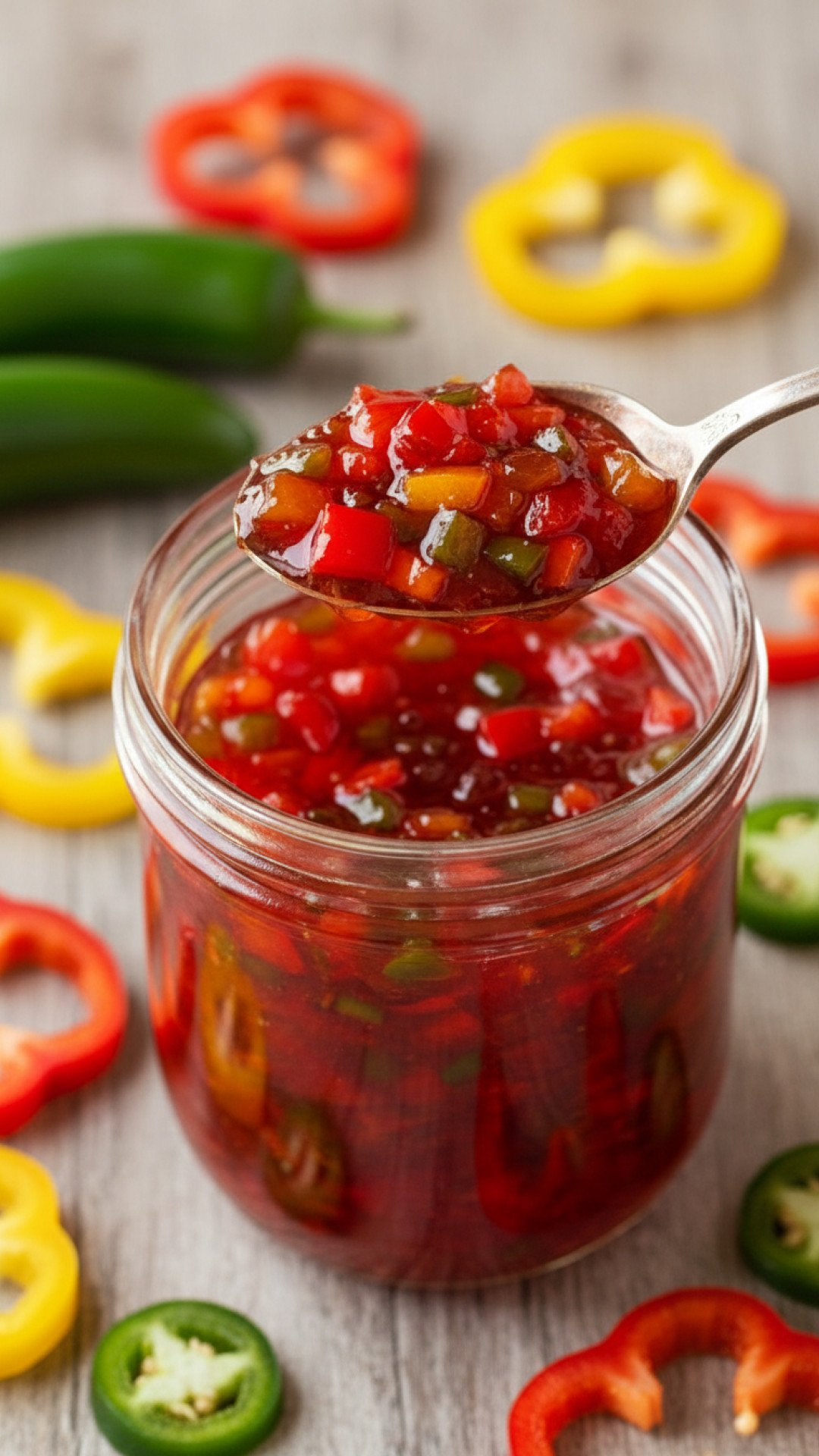
For this pepper jelly recipe, I recommend a mix of bell peppers and jalapeños. The bell peppers (red, yellow, or orange) provide vibrant color and a sweet, foundational flavor without any heat. Jalapeños bring the signature kick. For a milder jelly, remove the seeds and membranes from the jalapeños entirely. For more heat, leave some in, or even add a spicier pepper like a serrano or a small habanero (use gloves!). Remember, the heat can vary greatly between individual peppers, so taste a tiny sliver if you dare!
Vinegar: The Tangy Balance & Preserver
White vinegar is crucial in any pepper jelly recipe. It provides the necessary acidity that balances the sweetness and, more importantly, ensures the jelly is safe for canning by lowering the pH. Don't skimp on the vinegar or substitute it with less acidic options like apple cider vinegar if you plan on canning, as this can affect the shelf stability. Its sharp flavor mellows beautifully during cooking.
Pectin: The Secret to a Perfect Set
Pectin is a natural gelling agent found in fruits. For a pepper jelly recipe, especially one with low-pectin ingredients like bell peppers, powdered fruit pectin is essential to achieve that perfect, jiggly set. Make sure to use regular, not 'light' or 'no-sugar' pectin, unless specified, as the setting mechanism can differ. Follow the package directions closely, as pectin needs to reach a rolling boil with sugar to activate properly.
Step-by-Step Guide with Pro Tips for this Pepper Jelly Recipe
Making Your Delicious Homemade Pepper Jelly
This pepper jelly recipe is simpler than you might think. Follow these steps for a perfect batch:
- Step 1: Prepare your canning jars and lids. Wash them thoroughly in hot, soapy water. Sterilize jars by submerging them in boiling water for at least 10 minutes. Keep them hot until ready to fill. Set lids aside in hot (not boiling) water.
- Step 2: Prepare the peppers. Wash the bell peppers and jalapeños. Remove stems, seeds, and membranes from bell peppers. For jalapeños, remove stems, and decide whether to remove seeds and membranes based on your desired heat level (wear gloves!). Roughly chop all peppers.
- Step 3: Finely mince the peppers. Place the chopped peppers in a food processor and pulse until very finely minced, but not puréed. You want small, consistent pieces. This is a critical step for a good pepper jelly recipe texture.
- Step 4: Combine ingredients. In a large, heavy-bottomed pot or Dutch oven, combine the minced peppers, white vinegar, and a small amount of the granulated sugar (about 1/4 cup) with the powdered pectin. Stir well to dissolve the pectin.
- Step 5: Bring to a boil. Place the pot over high heat and bring the mixture to a full, rolling boil that cannot be stirred down. Continue boiling for exactly 1 minute, stirring constantly. This activates the pectin.
- Step 6: Add remaining sugar. Immediately add the remaining granulated sugar all at once. Stir continuously until the sugar is completely dissolved.
- Step 7: Return to a rolling boil. Bring the mixture back to a full, rolling boil. Boil hard for exactly 1 minute, stirring constantly. Watch carefully as it will foam up.
- Step 8: Skim off foam. Remove the pot from the heat. Skim off any foam from the surface of the jelly using a metal spoon. A tiny pat of butter added at the beginning can sometimes help reduce foaming.
- Step 9: Ladle into jars. Carefully ladle the hot pepper jelly into your hot, sterilized canning jars, leaving 1/4 inch of headspace. Wipe the rims clean with a damp cloth.
- Step 10: Seal jars. Place the hot lids on the jars and screw on the bands finger-tight. Do not overtighten.
- Step 11: Process in a water bath. Place the filled jars into a boiling water canner, ensuring they are fully submerged by at least 1-2 inches of water. Bring the water back to a rolling boil and process for 10 minutes (adjust for altitude if necessary).
- Step 12: Cool and check seals. Carefully remove the jars from the canner and place them on a towel-lined counter, spaced apart. Let them cool undisturbed for 12-24 hours. You'll hear the satisfying 'ping' as they seal. Check seals by pressing on the center of the lid; if it doesn't flex, it's sealed. Store properly sealed jars in a cool, dark place for up to a year. Unsealed jars should be refrigerated and consumed within 3 weeks.
Variations & Serving Suggestions for Your Pepper Jelly Recipe
Creative Adaptations
- Heat Control: Easily adjust the spice level! For a milder pepper jelly recipe, use only bell peppers and a tiny amount of jalapeño seeds. For extra kick, add a few habanero or scotch bonnet peppers (with gloves!). You can also include a pinch of red pepper flakes for an extra layer of heat.
- Fruity Twists: For a unique flavor profile, consider adding finely minced fruit. A small amount of crushed pineapple, cranberries, or peaches can add a delightful sweetness and complexity. Imagine a cranberry pepper jelly recipe for the holidays!
- Herbaceous Notes: A tiny sprig of fresh rosemary or thyme added during the boil can infuse a subtle, aromatic note. Remember to remove it before jarring.
Serving Your Homemade Pepper Jelly
This versatile pepper jelly recipe is much more than just a spread. Here are some of my favorite ways to enjoy it:
- Classic Appetizer: Serve a dollop of pepper jelly over a block of cream cheese with an assortment of crackers. It’s an instant crowd-pleaser and the reason many fall in love with a good pepper jelly recipe.
- Glaze for Meats: Brush it over roasted chicken, pork tenderloin, or even fish like Lemon Herb Grilled Salmon during the last few minutes of cooking. The sweetness caramelizes beautifully, adding a delicious shine and flavor.
- Sandwich & Burger Spread: Elevate your everyday sandwiches or burgers by swapping out traditional condiments for a spoonful of spicy-sweet pepper jelly. It's fantastic with turkey, ham, or even grilled cheese.
- Cheese Board Companion: A must-have for any charcuterie or cheese board. It pairs wonderfully with soft cheeses like brie, goat cheese, or sharp cheddars.
- Breakfast Treat: While unconventional, a thin layer on toast, a bagel, or even biscuits can be surprisingly delicious, especially if you prefer a sweet and savory start to your day.
- Marinade Booster: Whisk a tablespoon or two into your favorite marinade for a sweet, spicy, and tangy boost. This works exceptionally well for grilled chicken or shrimp.
- Sauce Thickener: A spoonful can add depth and body to pan sauces or gravies, especially for poultry.
Remember to store any unused jelly in high-quality, airtight containers like Basics Glass Food Storage in the refrigerator once opened.
Nutrition Information
| Nutrient | Amount per Serving |
|---|---|
| Calories | 55 kcal |
| Carbohydrate Content | 14 g |
| Cholesterol Content | 0 mg |
| Fat Content | 0 g |
| Fiber Content | 0.5 g |
| Protein Content | 0 g |
| Saturated Fat Content | 0 g |
| Serving Size | 1 tbsp |
| Sodium Content | 1 mg |
| Sugar Content | 13 g |
| Trans Fat Content | 0 g |
| Unsaturated Fat Content | 0 g |
Conclusion
Making your own pepper jelly recipe is a deeply satisfying culinary adventure. It's a fantastic way to capture the vibrant flavors of fresh peppers in a jar, ready to bring a touch of sweet heat to countless dishes. Whether you're making it for yourself, for gifts, or simply to enjoy with a block of cream cheese and crackers, this homemade pepper jelly recipe is sure to become a beloved staple in your kitchen. So, gather your peppers, fire up the stove, and get ready to experience the magic of homemade preserves. Happy canning!
FAQs
What is pepper jelly made of?
Pepper jelly is primarily made from finely minced bell peppers and/or hot peppers (like jalapeu00f1os), sugar, white vinegar, and fruit pectin. The combination of these ingredients creates a sweet, tangy, and often spicy condiment with a jelly-like consistency.
How do you serve homemade pepper jelly?
Pepper jelly is incredibly versatile! The most classic way to serve it is over a block of cream cheese with crackers as an appetizer. It also makes a fantastic glaze for roasted meats (chicken, pork, salmon), a flavorful spread for sandwiches and burgers, or a delicious accompaniment to a cheese board. Some even enjoy it on toast or biscuits.
Why is my pepper jelly not setting?
There are a few common reasons why pepper jelly might not set. Ensure you're using fresh, active pectin and that you've brought the mixture to a full, rolling boil for the specified time after adding both the pectin and the sugar. Not enough sugar or incorrect measurements of ingredients can also affect the set. Pectin needs high heat and sugar to activate properly.
Can I adjust the spice level in this pepper jelly recipe?
Absolutely! The spice level is easily adjustable. For a milder pepper jelly, remove all seeds and membranes from the jalapeu00f1os, or even reduce the amount of jalapeu00f1os and use more bell peppers. For a spicier kick, leave some or all of the jalapeu00f1o seeds and membranes, or add a spicier pepper variety like serrano or a small habanero (use caution and wear gloves!).
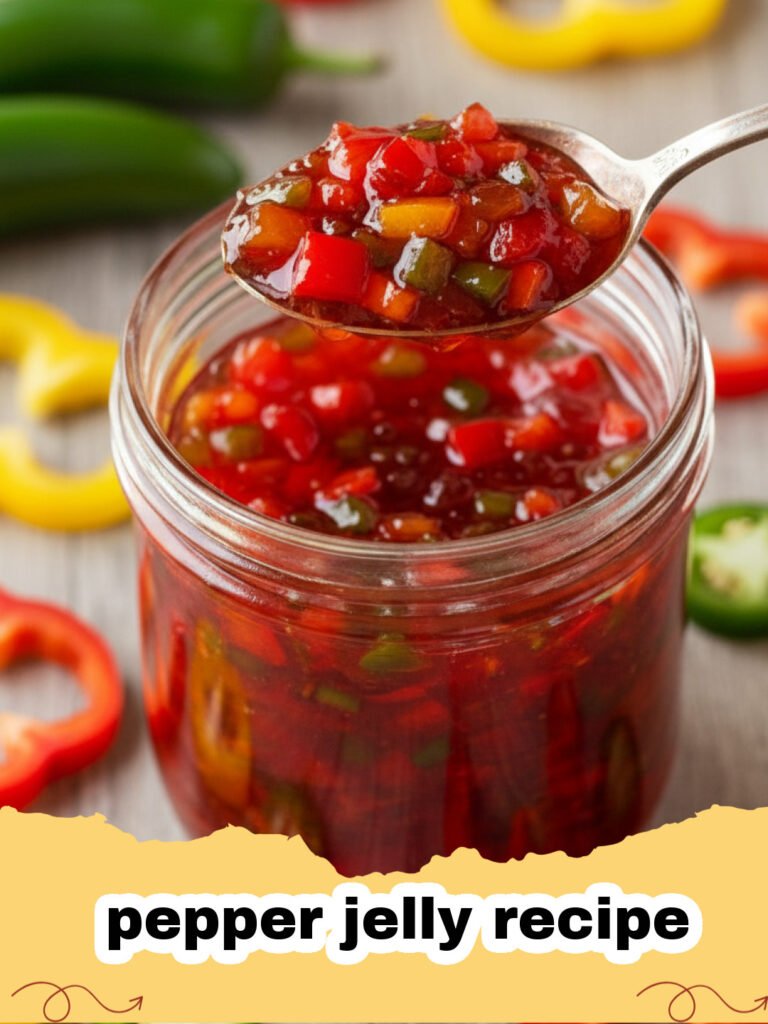
Homemade Sweet & Spicy Pepper Jelly
This vibrant homemade pepper jelly recipe strikes the perfect balance between sweet, tangy, and spicy, making it an incredibly versatile condiment. Easy to make and perfect for gifting or elevating any dish, from appetizers to main courses.
- Total Time: 45 minutes
- Yield: 6 half-pint jars 1x
Ingredients
2 cups finely minced bell peppers (red, yellow, or orange)
1 cup finely minced jalapeño peppers (seeds removed for less heat, partially left for more)
1 3/4 cups white vinegar (5% acidity)
1 (1.75 ounce) package powdered fruit pectin (regular, not low-sugar)
5 cups granulated sugar
Instructions
Step 1: Prepare your canning jars and lids by washing them thoroughly. Sterilize jars by boiling them for 10 minutes; keep hot until ready to fill. Place lids in hot (not boiling) water.
Step 2: Wash bell peppers and jalapeños. Remove stems, seeds, and membranes from bell peppers. For jalapeños, remove stems, and adjust seed/membrane removal based on desired heat level (wear gloves!). Roughly chop all peppers.
Step 3: Place chopped peppers in a food processor and pulse until very finely minced, but not puréed. You want small, consistent pieces for the best texture in this pepper jelly recipe.
Step 4: In a large, heavy-bottomed pot, combine the minced peppers, white vinegar, and about 1/4 cup of the granulated sugar with the powdered pectin. Stir well to dissolve the pectin.
Step 5: Place the pot over high heat and bring the mixture to a full, rolling boil that cannot be stirred down. Continue boiling for exactly 1 minute, stirring constantly to activate the pectin.
Step 6: Immediately add the remaining granulated sugar all at once. Stir continuously until the sugar is completely dissolved.
Step 7: Bring the mixture back to a full, rolling boil. Boil hard for exactly 1 minute, stirring constantly. Watch carefully as it will foam up.
Step 8: Remove the pot from the heat. Skim off any foam from the surface of the jelly using a metal spoon. A tiny pat of butter added at the beginning can sometimes help reduce foaming.
Step 9: Carefully ladle the hot pepper jelly into your hot, sterilized canning jars, leaving 1/4 inch of headspace. Wipe the rims clean with a damp cloth.
Step 10: Place the hot lids on the jars and screw on the bands finger-tight. Do not overtighten.
Step 11: Place the filled jars into a boiling water canner, ensuring they are fully submerged by at least 1-2 inches of water. Bring the water back to a rolling boil and process for 10 minutes (adjust for altitude if necessary).
Step 12: Carefully remove the jars from the canner and place them on a towel-lined counter, spaced apart. Let them cool undisturbed for 12-24 hours. Check seals; store properly sealed jars in a cool, dark place for up to a year. Refrigerate unsealed jars and consume within 3 weeks.
Notes
Always use fresh, firm peppers for the best flavor and texture. For extra clear jelly, do not squeeze the pepper pulp when straining, but this recipe is designed to keep some of the pepper bits for texture. Ensure proper canning techniques for shelf stability.
- Prep Time: 30 minutes
- Cook Time: 15 minutes
- Category: Drinks, Snacks & Holiday Treats
- Cuisine: American
Nutrition
- Serving Size: 1 tbsp
- Calories: 55 kcal
- Sugar: 13 g
- Sodium: 1 mg
- Fat: 0 g
- Saturated Fat: 0 g
- Unsaturated Fat: 0 g
- Trans Fat: 0 g
- Carbohydrates: 14 g
- Fiber: 0.5 g
- Protein: 0 g
- Cholesterol: 0 mg