
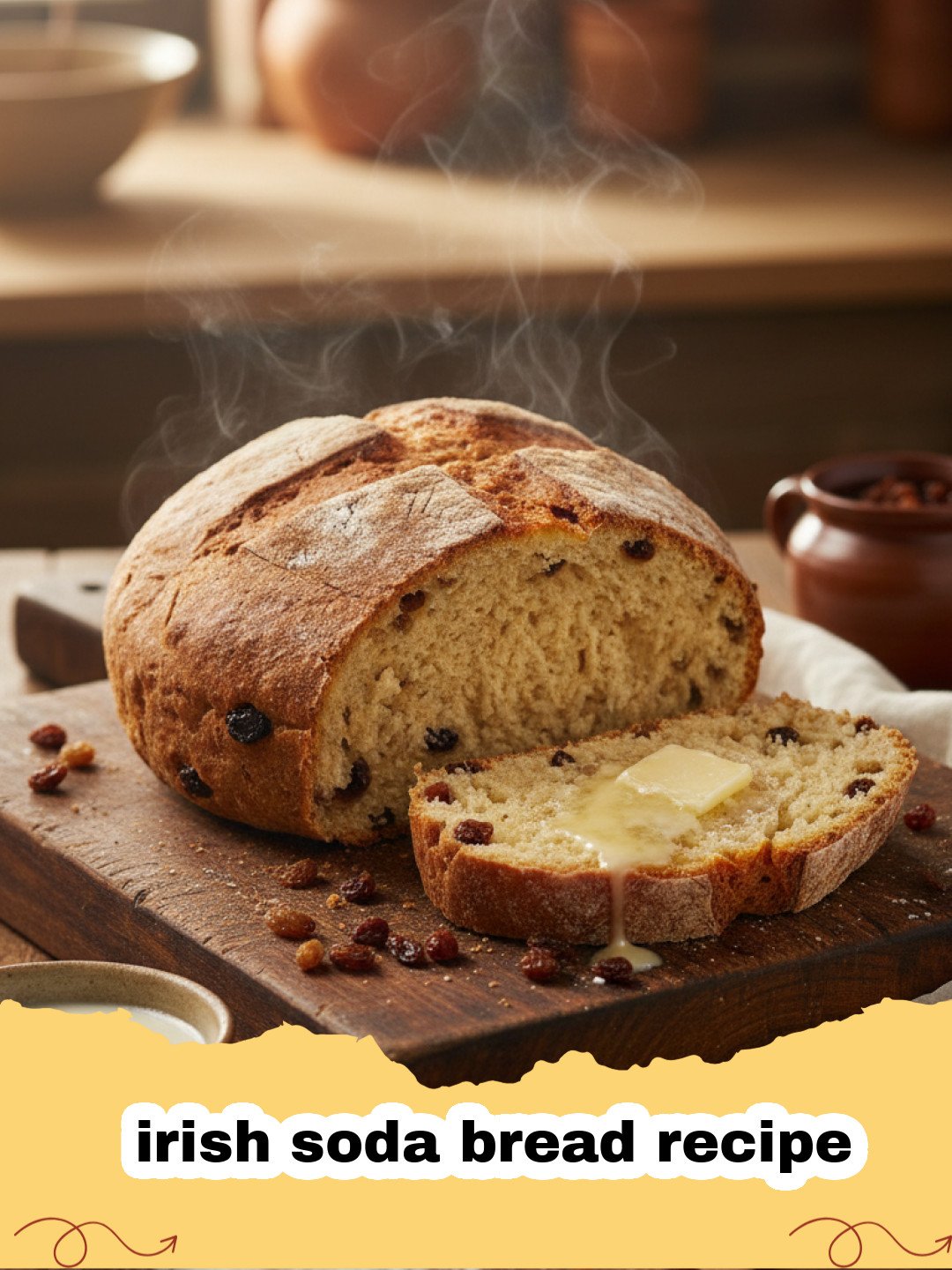
Finding the perfect irish soda bread recipe is like discovering a piece of culinary history right in your own kitchen. I remember the first time I attempted to bake this rustic loaf; the air in my small apartment was thick with the scent of tangy buttermilk and toasted flour. It was a cold March afternoon, and I was desperate for something comforting to pair with a hearty stew. Unlike complex sourdough or yeasted boules that require days of patience, this irish soda bread recipe came together in minutes, transforming simple pantry staples into a golden, crusty masterpiece. There is something deeply satisfying about the way the dough feels under your hands—shaggy, soft, and full of potential. Since that day, this has become my go-to irish soda bread recipe whenever I need a warm slice of home. It is reliable, unpretentious, and absolutely delicious every single time you pull it out of the oven.
Why This Recipe is a Must-Try
- No Yeast Required: This irish soda bread recipe relies entirely on the chemical reaction between baking soda and buttermilk, meaning there is no waiting for dough to rise.
- Beginner-Friendly: There is no intense kneading or technical shaping involved; the more rustic and shaggy the dough looks, the better the final result will be.
- Quick Turnaround: You can go from a craving to a fully baked loaf in less than an hour, making this the perfect irish soda bread recipe for busy weeknights.
- Traditional Flavor: This version captures the authentic, slightly tangy, and dense crumb that defines true Irish heritage baking.
Key Ingredient Notes
To ensure your irish soda bread recipe turns out perfectly, the quality of your ingredients matters significantly. First and foremost is the buttermilk. The acidity in buttermilk is what reacts with the baking soda to create carbon dioxide bubbles, which are responsible for the bread's rise. If you do not have buttermilk, you can make a quick substitute, but for the best irish soda bread recipe results, the real deal provides a superior texture and tang. Secondly, the flour choice is vital. While some prefer a mix of whole wheat, using a high-quality all-purpose flour ensures a tender crumb that isn't too heavy. Finally, the baking soda must be fresh. Since this irish soda bread recipe doesn't use yeast, your baking soda is doing all the heavy lifting. Ensure it hasn't been sitting in your cupboard for years, or your loaf might end up as flat as a pancake.
The History and Science of the Irish Soda Bread Recipe
The origins of the irish soda bread recipe are born out of necessity rather than luxury. In the mid-1800s, Ireland faced significant economic challenges, and many families did not have access to expensive ovens or high-quality yeast. Baking soda, or bicarbonate of soda, became a game-changer because it allowed people to bake bread over an open hearth or in a simple pot. This irish soda bread recipe reflects that history of resilience. The science is fascinating: the lactic acid in the buttermilk meets the alkali baking soda, creating an immediate lift. This is why we avoid over-kneading this irish soda bread recipe; if you work the dough too much, you pop those precious bubbles and end up with a brick. Just like making The Ultimate Classic Banana Bread Recipe for Every Home Baker, the goal is to mix until just combined to preserve that light, airy internal structure.
Step-by-Step Guide with Pro Tips
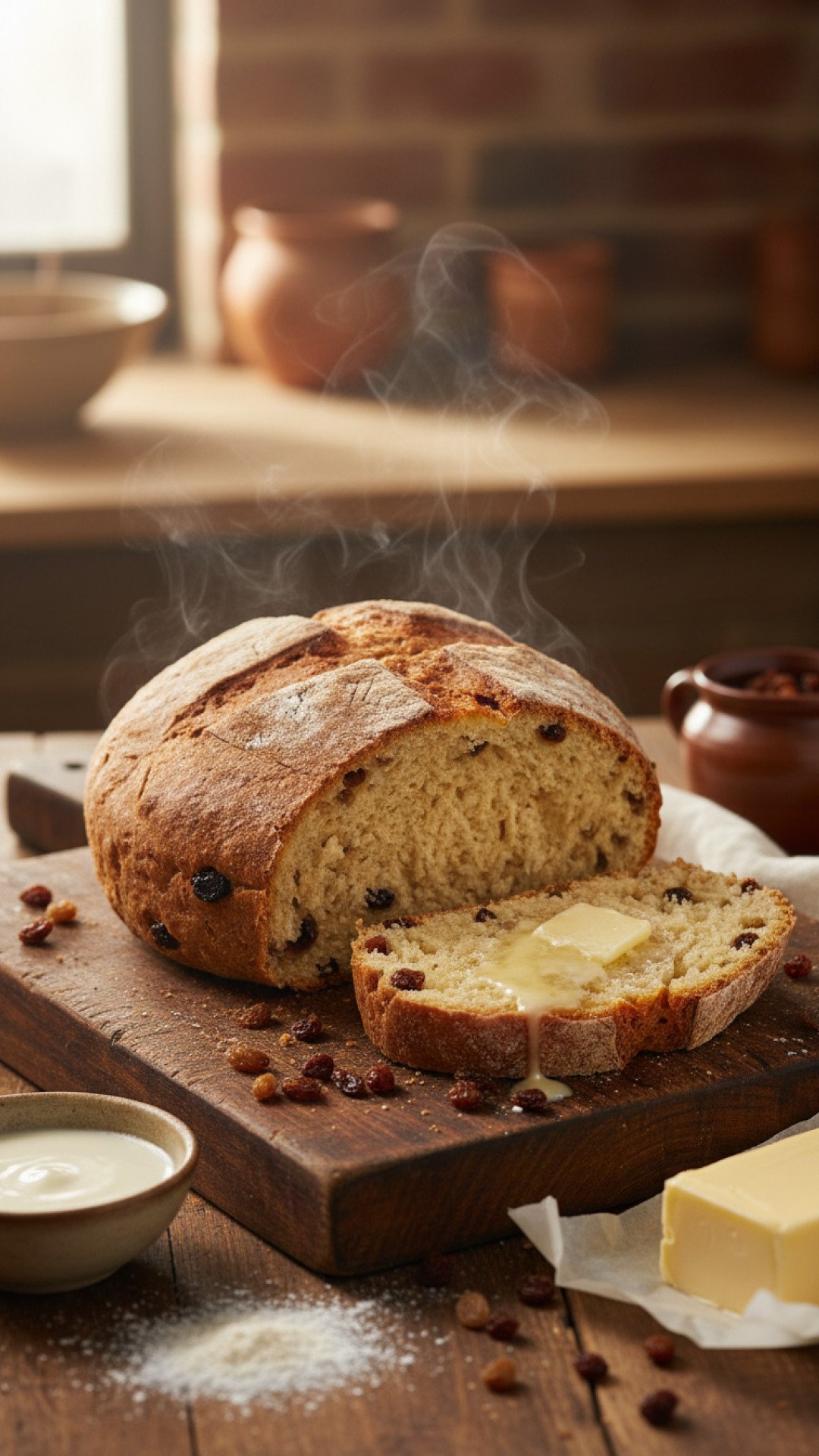
Step 1: Preparation. Preheat your oven to 425°F (218°C) and line a baking sheet with parchment paper. A hot oven is crucial for this irish soda bread recipe to develop that signature thick, crunchy crust. Step 2: Mixing Dry Ingredients. In a large bowl, whisk together the flour, sugar, salt, and baking soda. Many people forget the sugar, but a tiny amount helps with browning and balances the tang of the buttermilk in this irish soda bread recipe. Step 3: Incorporating Butter. Use your fingers to rub cold, cubed butter into the flour until it resembles coarse crumbs. This isn't traditional for every irish soda bread recipe, but it adds a richness that is undeniable. Step 4: Adding the Liquid. Make a well in the center and pour in the buttermilk. Use a wooden spoon or your hand to gently bring the dough together. Step 5: Shaping. Turn the shaggy mass onto a floured surface and gently form it into a round disc about 1.5 inches thick. Do not overwork it! Step 6: The Cross. Use a sharp knife to cut a deep cross into the top. Legend says this "lets the fairies out," but scientifically, it allows the center of the irish soda bread recipe to cook through thoroughly. Step 7: Baking. Bake for about 35-40 minutes. You know it is done when the bottom sounds hollow when tapped. For long-term freshness, store your cooled loaf in Basics Glass Food Storage to keep the crust from getting too soft.
Variations & Serving Suggestions
Once you have mastered the basic irish soda bread recipe, you can start experimenting with flavors. For a sweeter version, add a cup of raisins or dried currants and a tablespoon of caraway seeds—a style often called "Spotted Dog." If you prefer savory, try folding in sharp cheddar cheese and chives. This irish soda bread recipe is the ultimate companion to a warm bowl of soup. Specifically, it is the traditional side for The Most Flavorful Slow-Cooker Corned Beef and Cabbage Recipe for a Tender Feast. The bread is perfect for soaking up the savory juices of the meat and vegetables. You can also serve it simply with a thick smear of salted Irish butter and a dollop of orange marmalade for a breakfast that feels like a trip to Dublin. The versatility of this irish soda bread recipe is truly what makes it a household favorite throughout the year, not just on St. Patrick's Day.
Nutrition Information
| Nutrient | Amount Per Serving |
|---|---|
| Calories | 215 kcal |
| Total Fat | 5g |
| Saturated Fat | 3g |
| Trans Fat | 0g |
| Unsaturated Fat | 1.5g |
| Cholesterol | 15mg |
| Sodium | 480mg |
| Total Carbohydrates | 36g |
| Dietary Fiber | 1.5g |
| Sugars | 4g |
| Protein | 6g |
| Serving Size | 1 Slice (approx 80g) |
Conclusion
Mastering this irish soda bread recipe is a rewarding journey that connects you to generations of bakers. Whether you are serving it alongside a festive holiday meal or enjoying a quiet afternoon tea, this bread brings a sense of warmth and tradition to the table. I hope this irish soda bread recipe becomes as much of a staple in your home as it has in mine. Don't be afraid of the sticky dough—embrace the process, and you will be rewarded with the best loaf you've ever tasted. Happy baking!
FAQs
Can I make this irish soda bread recipe without buttermilk?
While real buttermilk is best for this irish soda bread recipe, you can make a substitute by adding 1 tablespoon of lemon juice or white vinegar to 1 3/4 cups of milk and letting it sit for 5-10 minutes before using.
Why is my irish soda bread so dense and heavy?
The most common reason for a dense loaf in an irish soda bread recipe is over-mixing the dough. Once you add the buttermilk, stir only until the flour is moistened. Over-kneading develops gluten and pops the air bubbles needed for rising.
Do I need to use a cast iron skillet for this recipe?
No, you do not. While a cast iron skillet helps create a very crispy bottom, a standard baking sheet lined with parchment paper works perfectly for this irish soda bread recipe.
How long does irish soda bread stay fresh?
This bread is best eaten the day it is made. However, it will stay fresh for 2-3 days if stored in an airtight container at room temperature. It also toasts beautifully!
Traditional Irish Soda Bread
A classic, no-yeast irish soda bread recipe that results in a crusty exterior and a soft, tender crumb. Ready in under an hour!
- Total Time: PT50M
- Yield: 1 loaf (8 servings) 1x
Ingredients
4 cups All-purpose flour
1 tablespoon Granulated sugar
1 teaspoon Salt
1 teaspoon Baking soda
4 tablespoons Unsalted butter, cold and cubed
1 3/4 cups Buttermilk
1 Egg (optional, for egg wash)
Instructions
Step 1: Preheat your oven to 425°F (218°C) and line a baking sheet with parchment paper or lightly grease a cast-iron skillet.
Step 2: In a large mixing bowl, whisk together the flour, sugar, salt, and baking soda until well combined.
Step 3: Add the cold, cubed butter to the dry ingredients. Use your fingers or a pastry cutter to work the butter in until the mixture looks like coarse crumbs.
Step 4: Make a well in the center of the mixture and pour in the buttermilk. Stir gently with a wooden spoon until a shaggy dough forms.
Step 5: Turn the dough out onto a lightly floured surface. Gently knead it just 4-5 times to bring it into a cohesive ball. Do not over-knead.
Step 6: Shape the dough into a round loaf, about 1.5 to 2 inches thick. Place it on the prepared baking sheet.
Step 7: Use a sharp knife to score a deep 'X' into the top of the loaf, about an inch deep.
Step 8: Bake for 35-40 minutes, or until the loaf is golden brown and sounds hollow when tapped on the bottom. Let cool on a wire rack before slicing.
Notes
For a softer crust, wrap the hot bread in a clean kitchen towel as it cools. For a traditional 'Spotted Dog,' add 1 cup of raisins.
- Prep Time: PT10M
- Cook Time: PT40M
- Category: Desserts & Baking
- Cuisine: Irish
Nutrition
- Serving Size: 1 slice
- Calories: 215 kcal
- Sugar: 4g
- Sodium: 480mg
- Fat: 5g
- Saturated Fat: 3g
- Unsaturated Fat: 1.5g
- Trans Fat: 0g
- Carbohydrates: 36g
- Fiber: 1.5g
- Protein: 6g
- Cholesterol: 15mg
Leave a Reply