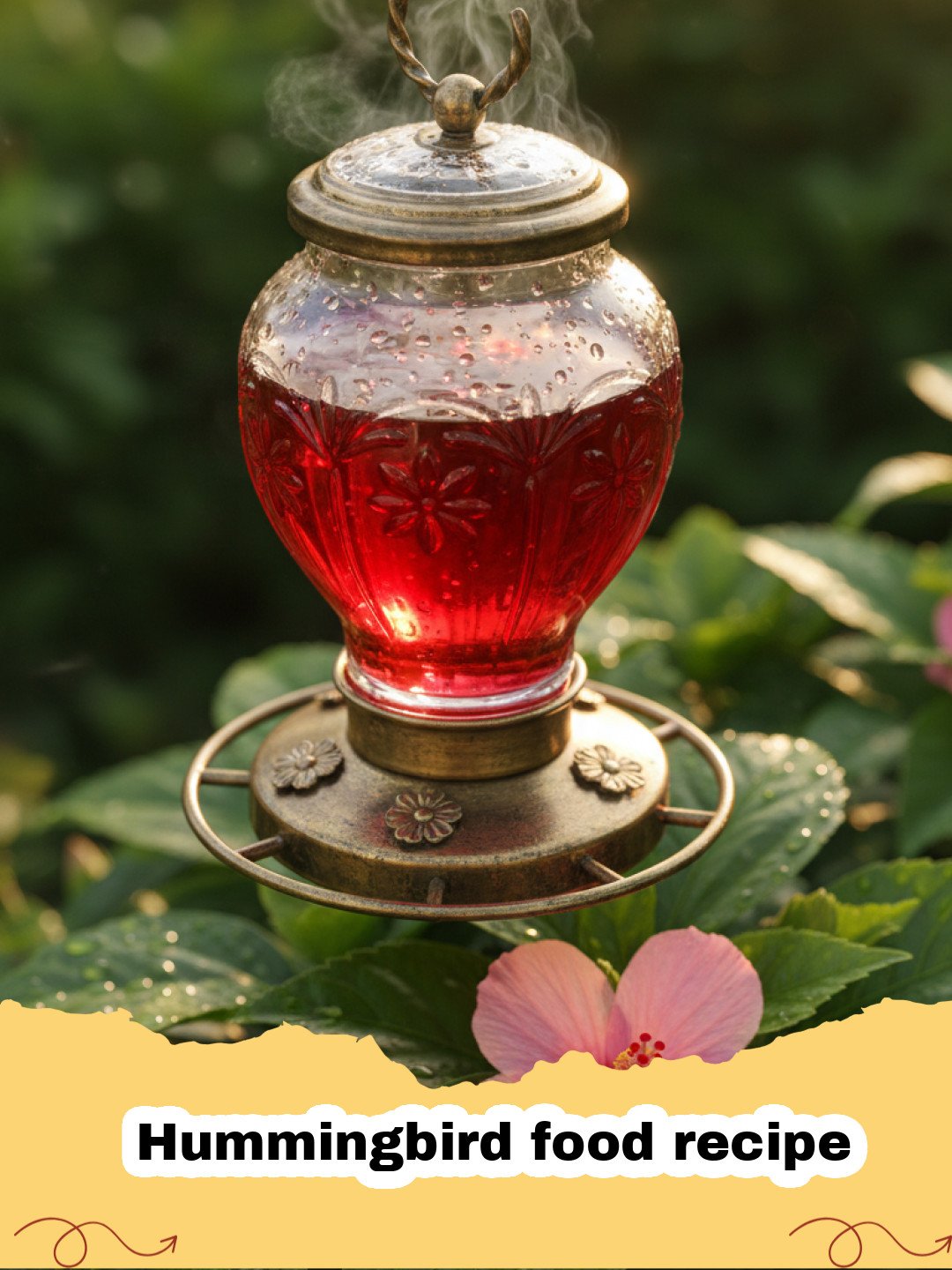
Creating a reliable hummingbird food recipe has become a cherished morning ritual in my household, bringing these iridescent wings closer than ever before. There is something truly magical about sitting on the back porch with a warm cup of coffee, watching the tiny, shimmering birds dart back and forth from the flowers to the feeders. For years, I simply bought the red-dyed nectar at the store, thinking I was doing them a favor. However, after learning about the potential health risks that artificial dyes and preservatives can pose to these delicate creatures, I decided to take matters into my own hands. This hummingbird food recipe is so incredibly simple and effective that I haven’t looked back since. It mimics the natural nectar found in flowers, providing the high-energy fuel these tiny athletes need to thrive during their long migrations and busy summer days.
Why This Recipe is a Must-Try
- Safety First: By making your own hummingbird food recipe, you eliminate harmful red dyes and chemicals that can damage the health of the birds.
- Cost-Effective: This recipe uses only two pantry staples—refined white sugar and water—making it significantly cheaper than pre-made commercial nectars.
- Optimal Hydration: The 4:1 water-to-sugar ratio perfectly replicates the caloric density and hydration levels of natural flower nectar.
- Quick and Easy: It takes less than ten minutes of active preparation time to create a batch that will last several days in the fridge.
Key Ingredient Notes
When preparing your hummingbird food recipe, the quality and type of ingredients are paramount. You might be tempted to use different sweeteners, but when it comes to hummingbirds, stick to the basics. The goal is to replicate natural nectar, which is primarily sucrose. Using anything else can be fatal to these small birds.
Refined White Sugar: This is the only sugar you should use. Avoid honey, which can cause fungal infections in birds’ tongues. Avoid brown sugar, which contains iron that can be toxic in high amounts. Avoid organic or raw sugar, as these often contain molasses and higher levels of minerals that hummingbirds cannot process. Standard granulated white sugar is the safest choice for any hummingbird food recipe.
Clean Water: While tap water is generally fine, if your water is heavily chlorinated or has a strong odor, consider using filtered water. Boiling the water is a crucial step in my hummingbird food recipe because it helps dissolve the sugar completely and kills any bacteria or mold spores that might be present in the water or the sugar itself. It is similar to the care you would take when making Homemade Dandelion Jelly, where purity and clarity are essential for the final product.
Step-by-Step Guide with Pro Tips
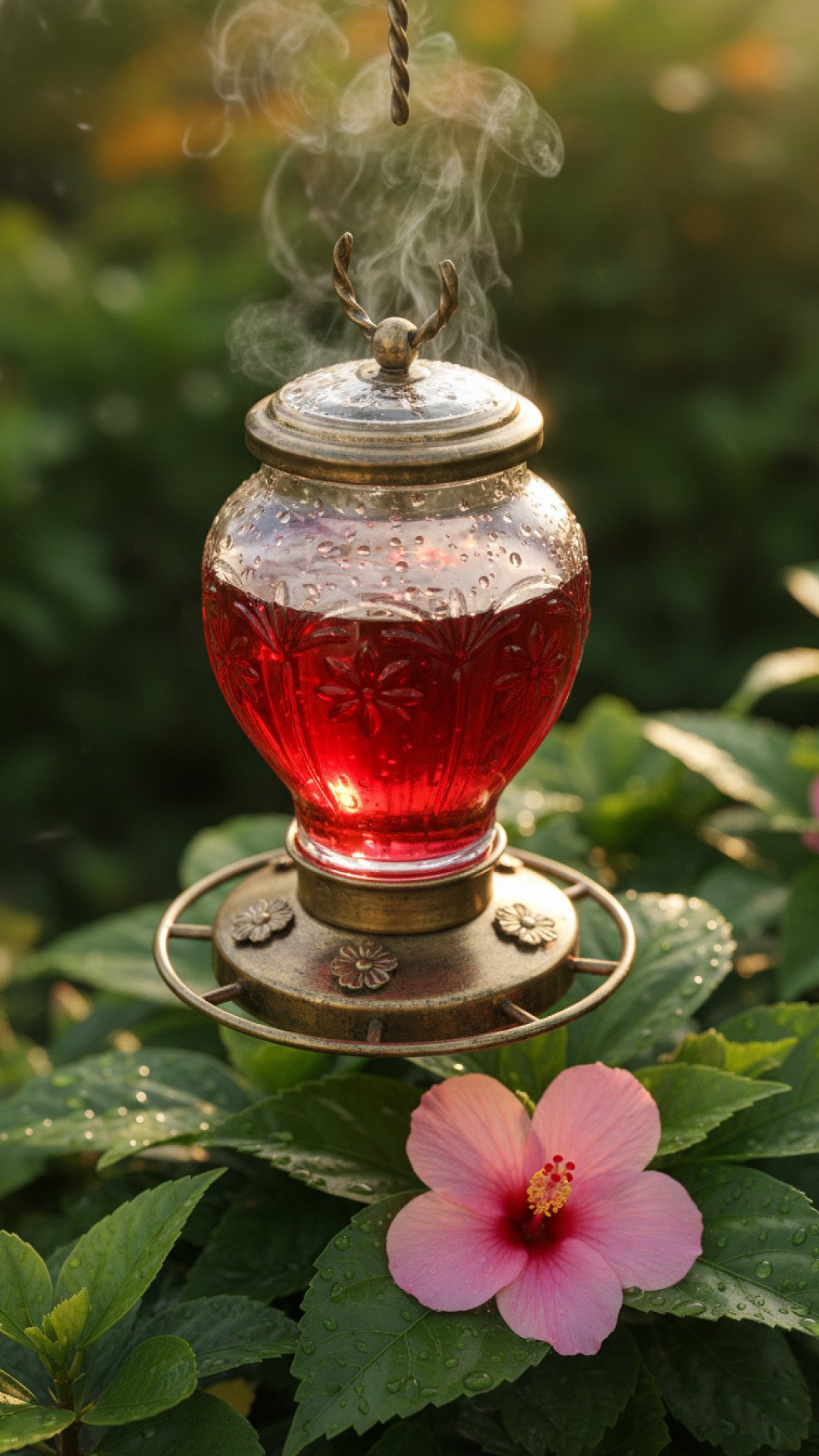
Following this hummingbird food recipe is straightforward, but the nuances in preparation can make a big difference in how long the nectar stays fresh and how many birds you attract. Remember to always keep your feeders clean to prevent the spread of disease among the local bird population.
Preparation: Start by ensuring all your equipment is clean. Any residue from old nectar can cause a new batch of your hummingbird food recipe to ferment faster. Measure your ingredients accurately. The standard ratio is four parts water to one part sugar. This concentration is ideal for most seasons, though some bird enthusiasts increase the sugar slightly in very cold weather to provide extra calories.
Pro Tip: Never use a microwave to boil your water for this hummingbird food recipe if you can avoid it. Using the stove allows for more even heating and easier stirring. Once the sugar is added, keep a close eye on the pot. You don't want to boil the mixture for too long, as excess evaporation will change the concentration and make the nectar too thick for the birds to drink easily.
Storage: If you make a large batch, storage is key. I recommend using high-quality glass containers. To keep the nectar fresh, I always store the leftovers in Basics Glass Food Storage. This ensures that no plastic odors leach into the nectar and keeps the liquid airtight until the next time you need to refill your feeders.
Variations & Serving Suggestions
While the basic hummingbird food recipe remains the same (sugar and water), you can vary how you present it to attract different species or manage different weather conditions. During the height of summer, the nectar can ferment quickly. If you notice the liquid becoming cloudy or see black spots (mold) in the feeder, discard it immediately and clean the feeder with a solution of vinegar and water.
To attract more birds, place your feeders near native flowers or in areas with both sun and shade. Hummingbirds are territorial, so having multiple small feeders spread out around your yard can be more effective than one large feeder. While you sit on the patio with a refreshing drink, perhaps The Ultimate Creamy Piña Colada Recipe, you can enjoy the fruits of your labor as the birds flock to your yard. Making a hummingbird food recipe isn't just about the birds; it’s about creating an ecosystem in your backyard that brings peace and entertainment.
Nutrition Information
The following table provides estimated nutrition for a single serving of the prepared nectar. Note that for hummingbirds, this represents pure energy for flight.
| Nutrient | Amount Per Serving (1/4 Cup) |
|---|---|
| Calories | 48 kcal |
| Carbohydrate Content | 12g |
| Sugar Content | 12g |
| Sodium Content | 1mg |
| Protein Content | 0g |
| Fat Content | 0g |
Conclusion
Making your own hummingbird food recipe is a small but impactful way to support your local wildlife while enjoying the beauty of nature. By following these simple steps and avoiding harmful additives, you provide a safe haven for these incredible birds. Once you see the first hummingbird hovering at your feeder, you'll know that the five minutes spent on this hummingbird food recipe were well worth the effort. Happy birdwatching!
FAQs
Should I add red dye to my hummingbird food recipe?
No, you should never add red dye. Artificial colorings can be toxic to hummingbirds. Most feeders have red parts that are sufficient to attract the birds without coloring the nectar.
Can I use honey or brown sugar instead of white sugar?
No. Honey promotes fungal growth that can kill birds, and brown sugar contains iron and molasses which are toxic to their systems. Only use refined white granulated sugar.
How long can I store this hummingbird food recipe in the fridge?
You can store the prepared nectar in a clean, airtight container in the refrigerator for up to one to two weeks.
How often should I change the nectar in the feeder?
In hot weather (over 90u00b0F), change the nectar every day. In cooler weather, every 3-5 days is usually sufficient to prevent fermentation and mold.
The Ultimate Homemade Hummingbird Nectar
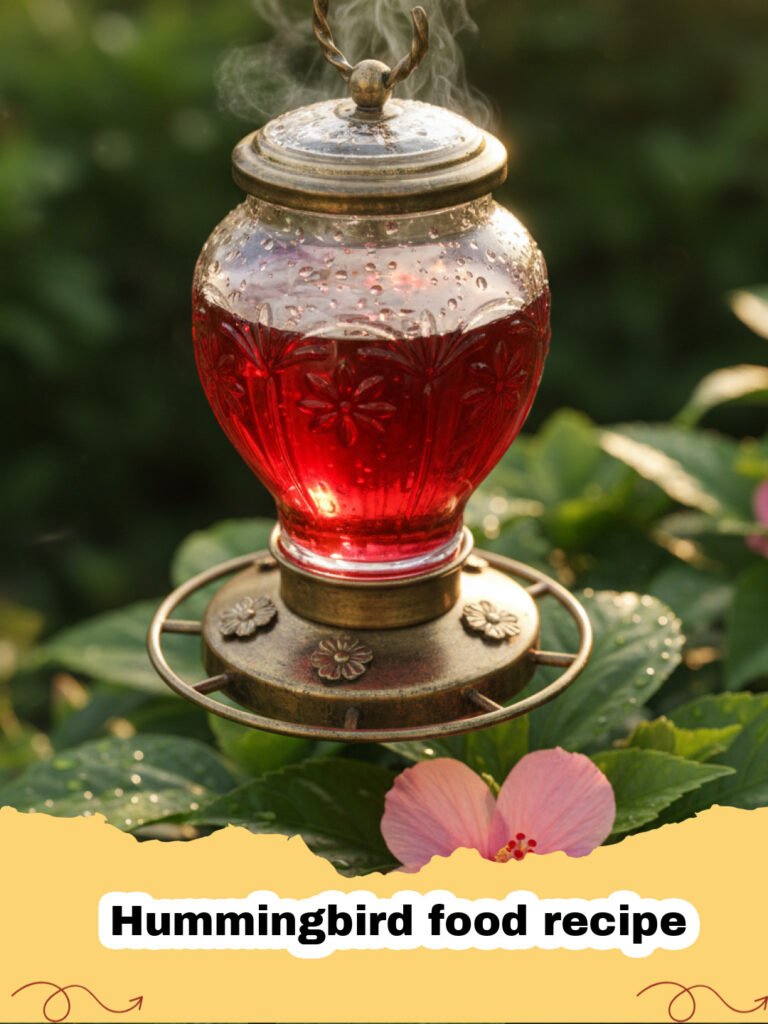
A simple, 2-ingredient hummingbird food recipe that is safe, natural, and highly effective at attracting hummingbirds to your garden without the use of red dyes.
- Total Time: 7 minutes
- Yield: 2 cups 1x
Ingredients
2 cups Water
1/2 cup Refined White Granulated Sugar
Instructions
Step 1: Combine the 2 cups of water and 1/2 cup of white sugar in a small saucepan.
Step 2: Heat the mixture over medium-high heat, stirring constantly until the sugar is completely dissolved.
Step 3: Bring the liquid to a brief boil for about 1-2 minutes to kill any bacteria or mold spores.
Step 4: Remove from heat and let the hummingbird food recipe mixture cool completely to room temperature before filling your feeders.
Notes
Always clean your feeders every 2-3 days, or more frequently in hot weather, to prevent mold growth.
- Prep Time: 2 minutes
- Cook Time: 5 minutes
- Category: Drinks, Snacks & Holiday Treats
- Cuisine: American
Nutrition
- Serving Size: 1/4 cup
- Calories: 48
- Sugar: 12g
- Sodium: 1mg
- Fat: 0g
- Saturated Fat: 0g
- Unsaturated Fat: 0g
- Trans Fat: 0g
- Carbohydrates: 12g
- Fiber: 0g
- Protein: 0g
- Cholesterol: 0mg