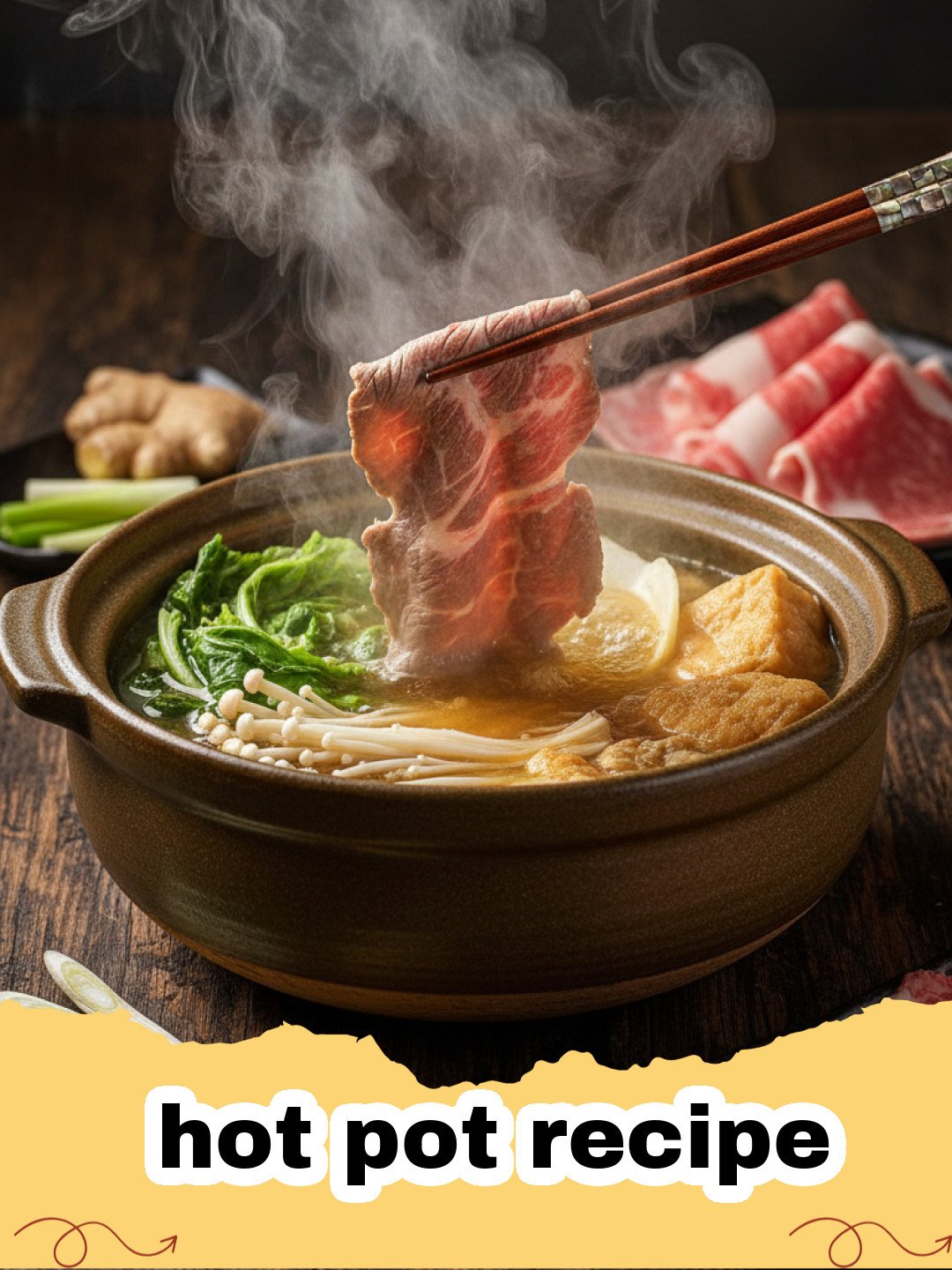
The first time I truly understood the magic of a hot pot recipe, it wasn't in a bustling restaurant but in a cozy, slightly cluttered apartment kitchen on a chilly autumn evening. My friend, a seasoned culinary adventurer, had invited a small group over, promising an experience rather than just a meal. I arrived, somewhat skeptical, to find a table laden with an array of vibrant, thinly sliced meats, fresh vegetables, delicate mushrooms, and an intriguing pot simmering gently in the center. The aroma alone was intoxicating – a complex blend of savory spices, earthy herbs, and a hint of sweetness. This wasn't just dinner; it was an interactive culinary adventure, a communal dance of chopsticks and ladles, and a conversation starter like no other. Each person was their own chef, delicately dipping morsels into the bubbling broth, then fishing them out to plunge into their personalized dipping sauces. The laughter, the shared stories, the gentle warmth radiating from the pot – it all coalesced into an unforgettable evening. Since then, perfecting my own hot pot recipe has become a passion, a way to bring that same warmth, connection, and incredible flavor into my home. It's a testament to how food can be more than sustenance; it can be an event, a memory, and a joyous ritual. This homemade hot pot recipe is more than just instructions; it's an invitation to create those cherished moments yourself.
Why This Hot Pot Recipe is a Must-Try
- Ultimate Customization: Everyone's a chef! With this hot pot recipe, each diner can choose exactly what they want to cook and how long they want to cook it. From various meats and seafood to an endless array of vegetables and noodles, the possibilities are limitless.
- Perfect for Gatherings: A hot pot meal is inherently communal, encouraging conversation, laughter, and shared enjoyment. It's an experience that brings people closer, making it ideal for family dinners, holiday celebrations, or casual get-togethers with friends. This hot pot recipe turns a meal into an event.
- Healthy & Fresh: By using fresh, high-quality ingredients and a flavorful broth, hot pot can be an incredibly healthy meal. You control the ingredients, ensuring a meal packed with nutrients, lean proteins, and plenty of fiber from all those delicious vegetables.
- Engaging & Fun: Beyond just eating, hot pot is an interactive culinary journey. The process of cooking your own food at the table, experimenting with different combinations of ingredients and dipping sauces, makes it an entertaining and memorable dining experience for all ages.
Key Ingredient Notes for Your Hot Pot Recipe
The Broth: The Soul of Your Hot Pot Recipe
The broth is the foundation of any good hot pot recipe. It's where all the flavors meld, and it infuses everything you cook with its essence. While you can certainly buy pre-made hot pot bases, making your own allows for complete control over the flavor profile and sodium levels. A good broth often starts with chicken or pork bones, simmered for hours with aromatics like ginger, garlic, star anise, goji berries, and dried dates. For a vegetarian hot pot recipe, a mushroom and vegetable base is equally delicious, using shiitake mushrooms, daikon radish, carrots, and kombu (dried kelp). Don't be shy about adding a little extra seasoning, as the broth will be diluted by the water released from the cooking ingredients.
Thinly Sliced Meats: The Star of Many Hot Pot Recipes
For meats, the thinner, the better. This ensures quick cooking in the hot broth and a tender, melt-in-your-mouth texture. You'll typically find thinly sliced beef (ribeye, short rib), lamb, pork (pork belly, shoulder), and chicken available at Asian grocery stores specifically for hot pot. If you're slicing your own, partially freezing the meat for 30-60 minutes makes it much easier to achieve those paper-thin cuts. The rapid cooking preserves the meat's natural juices, making every bite of this hot pot recipe a delight.
Dipping Sauces: Personalizing Your Hot Pot Recipe Experience
While the broth provides a base flavor, dipping sauces are where personal preference truly shines. They add layers of complexity and allow each diner to customize every bite. Common sauce components include soy sauce, sesame oil, chili oil, minced garlic, chopped green onions, cilantro, satay sauce, peanut sauce, and even raw egg yolk for a silky texture. I love setting up a 'sauce bar' so everyone can mix and match to their heart's content. A good hot pot recipe isn't complete without a variety of dipping options.
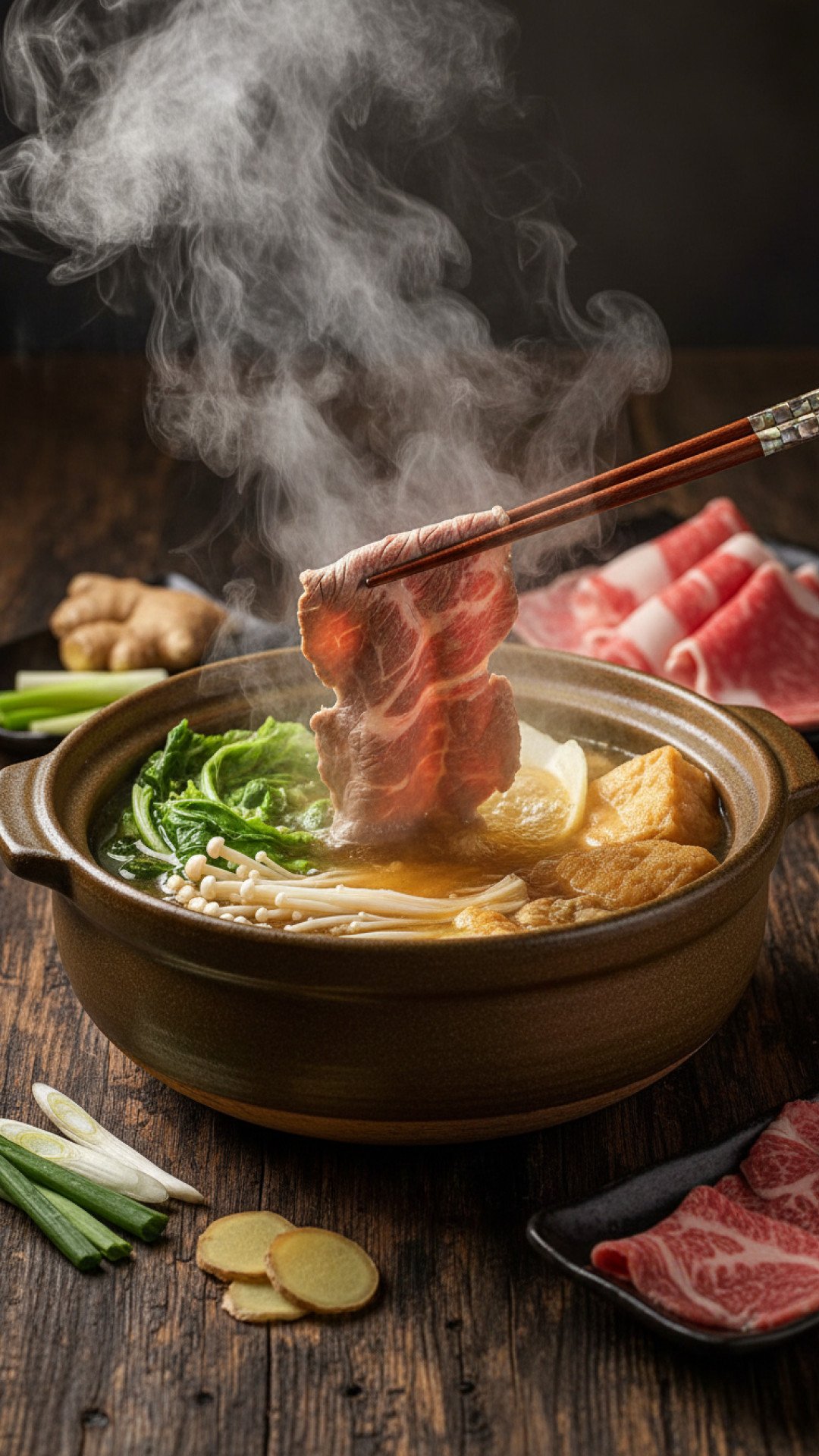
Step-by-Step Guide to the Best Hot Pot Recipe with Pro Tips
Gathering friends and family for a hot pot recipe is more than just preparing a meal; it's creating an experience. Here’s how to master this delightful communal cooking method.
Preparing Your Broth Base
- Step 1: In a large pot, combine chicken or beef broth with sliced ginger, garlic cloves, star anise, dried red chilies (if using), and any other aromatics you prefer. For a richer flavor, you can also add a few dried shiitake mushrooms. Bring to a boil, then reduce heat and simmer for at least 30 minutes, or longer for a deeper flavor. Season with salt to taste. This is the heart of your hot pot recipe.
- Step 2: If you want a 'yin-yang' pot with two different broths (e.g., spicy and mild), divide the prepared broth between two compartments of a split hot pot. Add chili paste, Szechuan peppercorns, and additional spices to one side for the spicy version.
Ingredient Preparation and Arrangement
The visual appeal of hot pot is almost as important as the taste! Arrange all your prepared ingredients beautifully on platters or in small bowls around the hot pot cooker. Once your ingredients are beautifully prepped, you'll want to keep them fresh and organized before the hot pot feast begins. For easy storage and food safety, I highly recommend using quality containers like these Basics Glass Food Storage containers.
- Step 3: Thinly slice all meats (beef, lamb, pork, chicken) if not pre-sliced. Arrange them neatly on platters.
- Step 4: Wash and chop all vegetables. Consider a mix of leafy greens (napa cabbage, bok choy, spinach), root vegetables (sliced daikon, carrots), and firm vegetables (broccoli florets).
- Step 5: Prepare an assortment of mushrooms (enoki, shiitake, oyster, king oyster).
- Step 6: Prepare other proteins like firm tofu (cubed), fish balls, shrimp, and scallops.
- Step 7: Set out noodles (fresh ramen, udon, glass noodles) and dumplings.
Setting Up Your Dipping Sauce Bar
This is where individual preferences truly come alive for your hot pot recipe!
- Step 8: Provide small individual bowls for each diner.
- Step 9: Arrange an array of dipping sauce components: soy sauce, sesame oil, chili oil, minced garlic, chopped green onions, cilantro, satay sauce, hoisin sauce, peanut butter (thinned with a little hot water), rice vinegar, and a raw egg yolk (optional, for a creamy, silky coating).
The Cooking Process & Enjoying Your Hot Pot Recipe
This is the fun part!
- Step 10: Place the hot pot cooker in the center of the table and bring the broth to a gentle boil. Maintain a steady simmer throughout the meal.
- Step 11: Each diner uses chopsticks or a small strainer ladle to add ingredients to the simmering broth. Cook items like thinly sliced meats for a very short time (10-30 seconds, or until just cooked through). Harder vegetables and root vegetables take longer. Delicate greens and noodles cook quickly.
- Step 12: Once cooked, retrieve your items and dip them into your custom-made sauce. Enjoy immediately! Continue adding ingredients as desired until you’re deliciously full. For another hearty and comforting meal, especially during colder months, you might enjoy trying our Hearty Ham and Beans Crockpot Recipe. And speaking of fresh ingredients, if you're ever looking for a unique and flavorful green, don't miss our guide to Sautéed Dandelion Greens with Garlic and Bacon.
Variations & Serving Suggestions for Your Hot Pot Recipe
Broth Variations
- Sichuan Spicy Hot Pot: Load up on dried chilies, Szechuan peppercorns, and chili bean paste for an authentic numbing and spicy kick.
- Mushroom & Herb: A rich vegetarian broth made with a variety of dried and fresh mushrooms, ginseng, and goji berries.
- Tom Yum Inspired: Add lemongrass, galangal, kaffir lime leaves, and fish sauce for a Thai twist to your hot pot recipe.
Protein Power-Ups
Beyond the classic beef and lamb, consider:
- Seafood Medley: Shrimp, scallops, mussels, thinly sliced fish fillets (cod, tilapia).
- Tofu & Plant-Based: Various types of tofu (firm, fried, silken), vegetarian 'meatballs', and gluten puffs.
Side Delights
- Serve your hot pot recipe with a side of steamed white rice, which is perfect for soaking up any extra broth or sauce.
- Offer a small selection of pickled vegetables (kimchi, pickled daikon) to provide a refreshing contrast to the rich flavors.
Nutrition Information
Here's a breakdown of the estimated nutrition for one serving of this hot pot recipe, assuming a balanced mix of ingredients.
| Nutrient | Amount per Serving |
|---|---|
| Calories | 650 kcal |
| Carbohydrate Content | 45 g |
| Cholesterol Content | 100 mg |
| Fat Content | 35 g |
| Fiber Content | 8 g |
| Protein Content | 40 g |
| Saturated Fat Content | 15 g |
| Serving Size | 1 large bowl |
| Sodium Content | 1200 mg |
| Sugar Content | 5 g |
| Trans Fat Content | 0.5 g |
| Unsaturated Fat Content | 18 g |
*Note: Nutrition values can vary widely based on specific ingredients and portion sizes chosen for your hot pot recipe.
Conclusion
There’s something truly special about a hot pot recipe that goes beyond just the food. It’s an experience, a celebration of togetherness, and a canvas for endless culinary creativity. Whether you’re a seasoned hot pot enthusiast or trying it for the first time, I hope this guide inspires you to gather your loved ones, prepare a bountiful spread, and dive into the delicious world of communal cooking. So fire up that pot, slice those veggies, mix those sauces, and create your own unforgettable hot pot recipe feast. Happy dipping!
FAQs
What kind of pot do I need for a hot pot recipe?
You'll need a hot pot cooker, which is typically an electric pot designed to sit in the middle of a table, keeping the broth simmering. Many come with a divider for two different broths. If you don't have one, a regular electric slow cooker or even a large pot on a portable induction burner can work in a pinch, just ensure it can maintain a steady simmer.
How do I make the broth for my hot pot recipe flavorful?
The key to a flavorful broth is simmering aromatics for a good amount of time. Start with quality chicken or beef broth, then add sliced ginger, garlic, star anise, dried dates, goji berries, and even dried shiitake mushrooms. Let it simmer for at least 30 minutes, or longer for a deeper flavor, before you start cooking your ingredients.
What are common ingredients to include in a hot pot recipe?
Common ingredients include thinly sliced beef, lamb, or pork; an assortment of fresh vegetables like napa cabbage, bok choy, spinach, and various mushrooms (enoki, shiitake); firm tofu; seafood like shrimp and scallops; and various noodles such as glass noodles or ramen. The beauty of a hot pot recipe is the endless customization, so feel free to include your favorites!
Can I prepare hot pot ingredients ahead of time?
Absolutely! Most of the prep work for a hot pot recipe can be done in advance. Slice your meats and vegetables, prepare your dipping sauce components, and make your broth a few hours before or even the day before. Store everything separately in airtight containers in the refrigerator, then simply arrange them on platters just before serving. This makes the hot pot experience much more relaxed and enjoyable.
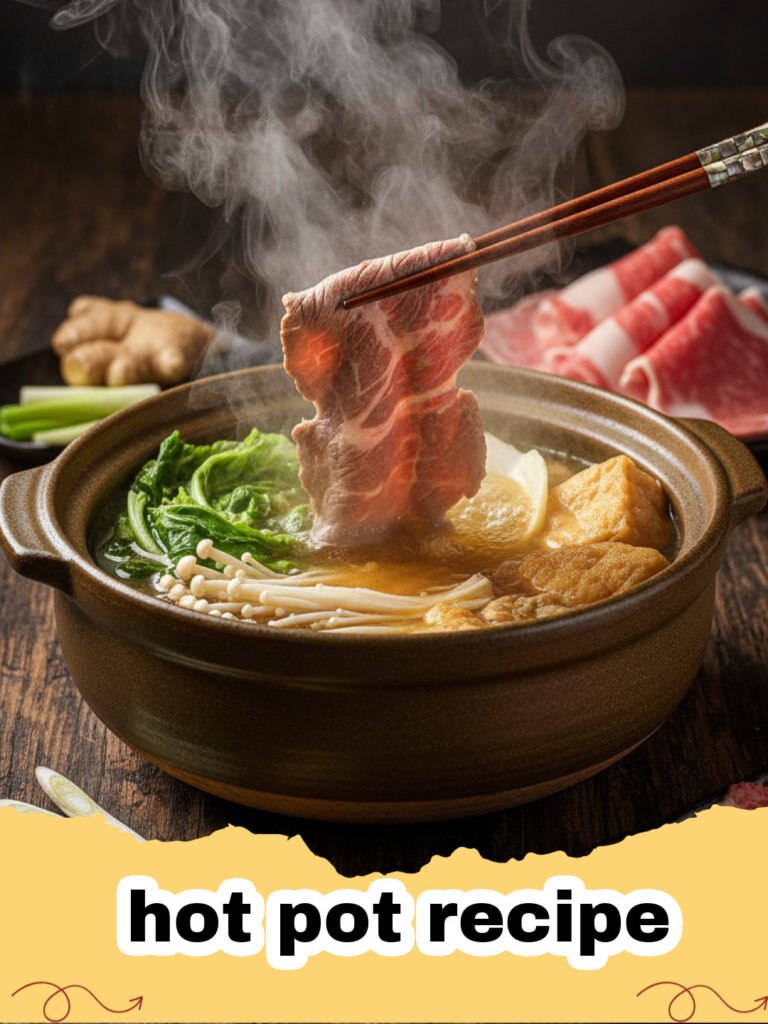
Ultimate Homemade Hot Pot Feast
An interactive and customizable hot pot recipe perfect for communal dining, featuring a rich broth, thinly sliced meats, fresh vegetables, and an array of delicious dipping sauces.
- Total Time: 1 hour 15 minutes
- Yield: 4-6 servings 1x
Ingredients
8 cups (2 liters) chicken or beef broth
1 inch ginger, sliced
4 cloves garlic, smashed
2 star anise pods
2-3 dried red chilies (optional, for a hint of spice)
1 lb (450g) thinly sliced beef (e.g., ribeye, short rib)
1 lb (450g) thinly sliced lamb or pork
1 lb (450g) assorted seafood (shrimp, scallops, fish balls) (optional)
1 head napa cabbage, cut into 2-inch pieces
2 bundles bok choy, trimmed
1 cup spinach
8 oz (225g) assorted mushrooms (enoki, shiitake, oyster)
1 block firm tofu, cubed
1 large daikon radish, thinly sliced
1 carrot, thinly sliced
4 oz (110g) glass noodles or fresh ramen
For Dipping Sauces (assorted options):
Soy sauce
Sesame oil
Chili oil
Minced garlic
Chopped green onions
Fresh cilantro, chopped
Satay sauce
Peanut butter (thinned with hot water)
Hoisin sauce
Rice vinegar
Raw egg yolk (optional)
Instructions
Step 1: Prepare the Hot Pot Broth: In a large pot or the hot pot cooker itself, combine chicken or beef broth, sliced ginger, smashed garlic, star anise, and dried red chilies (if using). Bring to a boil, then reduce heat and simmer for at least 30 minutes to develop flavors. Season with salt to taste. If using a split hot pot, divide the broth and add extra spices (like chili paste and Szechuan peppercorns) to one side for a spicy broth.
Step 2: Prepare Meats: Arrange thinly sliced beef, lamb, pork, and any seafood on separate platters. If slicing at home, partially freeze meat for 30-60 minutes for easier, thinner cuts.
Step 3: Prepare Vegetables: Wash and chop napa cabbage, bok choy, spinach, and other leafy greens. Slice daikon and carrots. Arrange all vegetables on platters.
Step 4: Prepare Mushrooms and Tofu: Clean and trim assorted mushrooms. Cube the firm tofu. Arrange these on separate platters.
Step 5: Prepare Noodles and Other Items: Soak glass noodles in warm water for 10-15 minutes if they are dried. Arrange fresh ramen or other noodles. Set out any fish balls or dumplings.
Step 6: Set Up Dipping Sauce Bar: Provide individual small bowls for each diner. Arrange all dipping sauce components (soy sauce, sesame oil, chili oil, minced garlic, chopped green onions, cilantro, satay sauce, thinned peanut butter, hoisin sauce, rice vinegar, and optional raw egg yolk) so guests can create their own custom sauces.
Step 7: Assemble the Table: Place the hot pot cooker in the center of the table. Arrange all platters of prepared ingredients and the sauce bar around it, ensuring easy access for everyone.
Step 8: Start Cooking: Bring the broth in the hot pot cooker to a gentle simmer. Maintain this temperature throughout the meal. Guests use chopsticks or small strainer ladles to add ingredients to the broth.
Step 9: Cook and Enjoy: Cook thinly sliced meats for 10-30 seconds until just cooked through. Vegetables and other items will take longer depending on their density. Retrieve cooked items and dip into your personalized sauce.
Step 10: Replenish: As the broth level decreases or becomes too rich, you can add more plain hot water or plain broth to dilute it slightly. Continue adding ingredients and enjoying until everyone is satisfied.
Step 11: Noodle Finish: Towards the end of the meal, add noodles to the broth to cook, soaking up all the rich flavors. This makes a wonderfully satisfying finish.
Step 12: Serve with Rice (Optional): Offer steamed white rice on the side to complement the hot pot and soak up any delicious broth or sauce.
Notes
Feel free to experiment with your favorite ingredients! The beauty of hot pot is its flexibility. Always ensure meats and seafood are cooked through before consuming.
- Prep Time: 30 minutes
- Cook Time: 45 minutes (active cooking time at table)
- Category: Main Dishes & Savory Recipes
- Cuisine: Asian
Nutrition
- Serving Size: 1 large bowl
- Calories: 650 kcal
- Sugar: 5 g
- Sodium: 1200 mg
- Fat: 35 g
- Saturated Fat: 15 g
- Unsaturated Fat: 18 g
- Trans Fat: 0.5 g
- Carbohydrates: 45 g
- Fiber: 8 g
- Protein: 40 g
- Cholesterol: 100 mg