
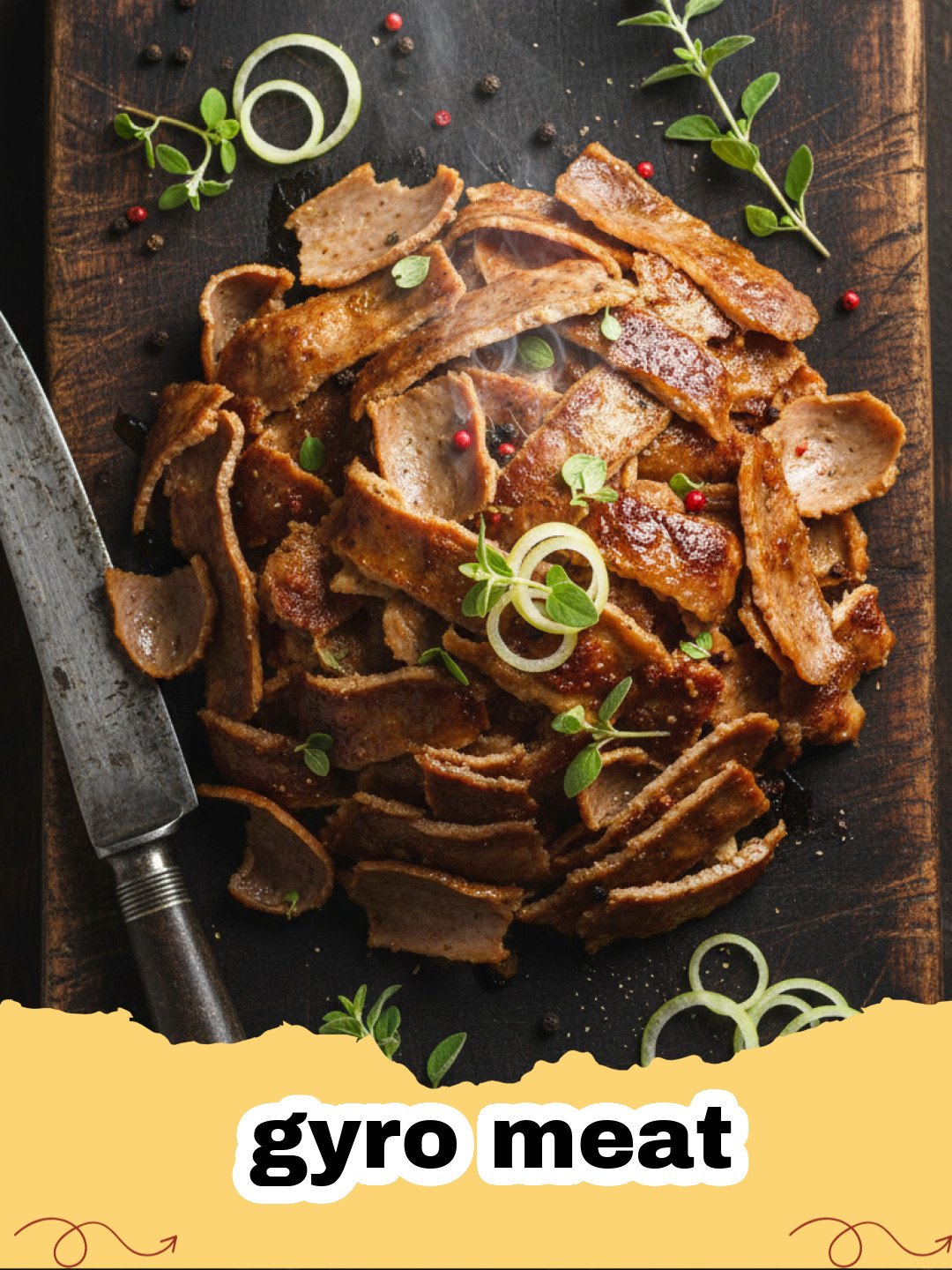
Making authentic gyro meat at home has always felt like a culinary Everest to me, but once I mastered the technique, it changed our family dinner rotation forever. I remember the first time I tried a real gyro in a tiny shop in Athens; the meat was perfectly seasoned, slightly salty, and had that incredible, tight texture that separates it from a standard meatloaf. For years, I thought you needed a massive vertical rotisserie to achieve that specific result. However, through trial and error in my own kitchen, I discovered that the secret isn't the spit—it's the emulsion of the meat and the way it is pressed. This recipe brings those Mediterranean street food vibes right into your home, filling your kitchen with the mouthwatering aroma of marjoram, rosemary, and garlic. Whether you are hosting a big backyard gathering or just want a high-protein meal prep option for the week, this meat is a total game-changer that will have everyone asking for your secret.
Why This Recipe is a Must-Try
- Authentic Texture: By using a food processor to emulsify the meat, we achieve that dense, professional-grade gyro meat snap that you usually only find in Greek restaurants.
- Complete Flavor Control: You can adjust the salt, garlic, and herbs to your personal preference, ensuring every bite is perfectly balanced.
- Meal Prep Perfection: This recipe makes a large batch, and because it stores so well, it is ideal for busy weeknights.
- Versatile Serving Options: From classic pitas to low-carb bowls, this meat works with almost any dietary preference.
Key Ingredient Notes
The Meat Blend: Lamb and Beef
Traditional gyro meat is often a 50/50 or 60/40 blend of ground lamb and ground beef. The lamb provides that distinct, earthy flavor that is synonymous with Greek cuisine, while the beef adds structure and a familiar richness. If you aren't a fan of lamb, you can use all beef, but I highly recommend keeping at least a little lamb for that authentic profile. Ensure your meat has a decent fat content (around 15-20%) to keep the final product juicy.
The Aromatics: Onion and Garlic
We don't just chop the onion and garlic; we practically liquefy them. This allows the juices to permeate the meat without adding chunky textures. A pro tip is to squeeze the excess liquid out of the pureed onion using a cheesecloth. This prevents the gyro meat from becoming too mushy during the baking process and helps maintain that tight, sliceable consistency.
The Herbs: Marjoram and Rosemary
While many people reach for oregano, the real secret to that 'restaurant smell' is the combination of dried marjoram and rosemary. Marjoram has a slightly sweeter, more delicate profile than oregano, which complements the lamb beautifully. When ground into the meat, these herbs bloom during the slow bake, creating a deep, complex flavor profile.
Step-by-Step Guide with Pro Tips
The process of creating homemade gyro meat starts with the preparation of your aromatics. Place one large onion and several cloves of garlic in a food processor and pulse until they are a fine paste. It is essential to strain this mixture through a fine-mesh sieve or cheesecloth to remove the bitter juice, leaving only the flavorful pulp. This ensures your gyro meat remains firm and doesn't steam from the inside out.
Next, combine the meat, the onion pulp, and your spices in a large bowl. I recommend mixing by hand first to distribute everything evenly. Now comes the most important part: the second trip to the food processor. Work in batches and process the meat mixture until it becomes a tacky, pale pink paste. This breaks down the protein fibers, which is the scientific secret to that signature gyro meat texture. If you skip this, you will end up with something that tastes like a Mediterranean meatloaf instead of authentic gyro strips.
Pack the mixture into a loaf pan, making sure to press down firmly to remove any air pockets. Bake at a low temperature—around 300°F (150°C)—until the internal temperature reaches 165°F. Once it comes out of the oven, do not slice it immediately! Place a heavy weight (like a foil-wrapped brick or heavy canned goods) on top of the loaf while it cools. This further compresses the gyro meat, making it easy to slice paper-thin later.
For a fantastic side dish that cuts through the richness of the meat, I always serve this alongside The Ultimate Mediterranean Chickpea Salad Recipe. The acidity of the salad is the perfect foil for the savory lamb and beef blend.
Variations & Serving Suggestions
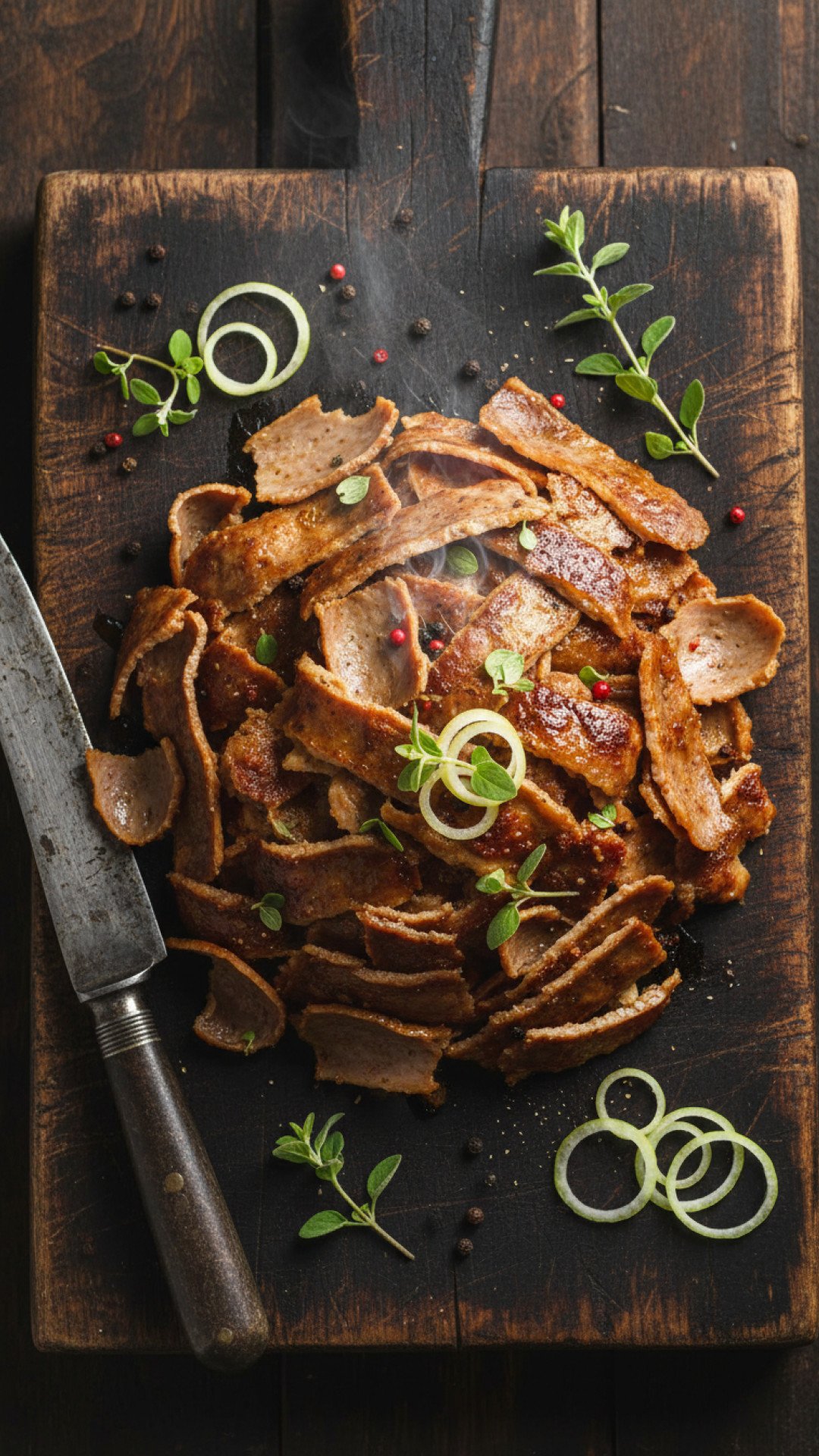
Once your gyro meat is chilled and pressed, the best way to serve it is to slice it very thin and give it a quick sear in a hot skillet with a teaspoon of olive oil. This creates crispy, caramelized edges that are absolutely addictive. You can serve these slices in a warm pita with tzatziki, tomatoes, and red onions. If you are looking for a lower-carb alternative, you might try serving the meat over a base of vegetables, much like the techniques found in The Ultimate Roasted Spaghetti Squash Guide.
For those who love to meal prep, I recommend slicing the entire loaf and storing the portions in Basics Glass Food Storage containers. They keep the meat fresh and make it easy to grab a handful of slices for a quick protein-packed lunch. You can even freeze the sliced gyro meat for up to three months. Just defrost overnight in the fridge and sear when you are ready to eat.
Nutrition Information
| Component | Value |
|---|---|
| Calories | 320 kcal |
| Serving Size | 4 oz |
| Protein | 24g |
| Fat Content | 22g |
| Saturated Fat | 9g |
| Carbohydrates | 4g |
| Sugar | 1g |
| Fiber | 1g |
| Sodium | 680mg |
| Cholesterol | 85mg |
Conclusion
Mastering homemade gyro meat is a rewarding experience that elevates your home cooking to restaurant quality. With the right blend of meats, the correct processing technique, and a bit of patience during the pressing stage, you can enjoy this Greek classic anytime. Don't forget to sear your slices for that perfect crunch, and feel free to experiment with different toppings and sides to make the meal your own. Happy cooking!
FAQs
Can I make gyro meat with only ground beef?
Yes, you can make gyro meat using only ground beef if you prefer or if lamb is unavailable. However, using a blend with lamb provides a more traditional and complex flavor profile.
Why do I need to process the gyro meat in a food processor?
The food processor emulsifies the proteins, creating a dense and uniform paste. This is what gives gyro meat its signature tight texture that allows it to be sliced very thin without crumbling.
How should I store leftover gyro meat?
Store leftover gyro meat in an airtight container in the refrigerator for up to 4 days. For longer storage, you can freeze the sliced meat for up to 3 months.
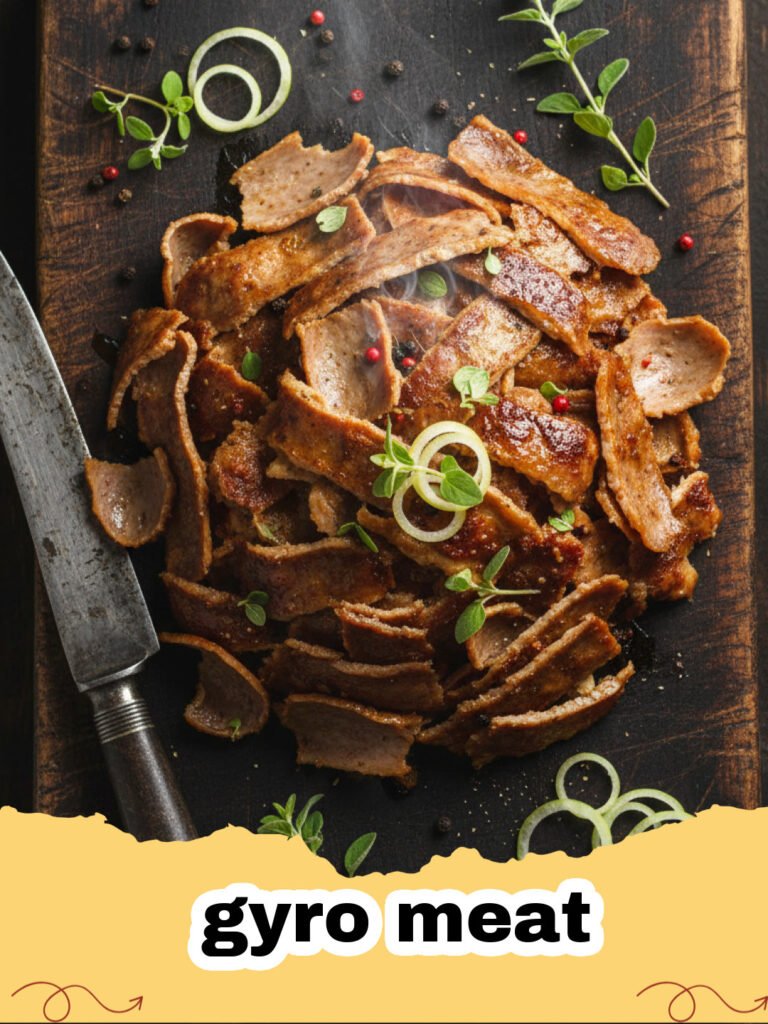
Authentic Homemade Gyro Meat
A restaurant-quality gyro meat recipe made with a blend of lamb and beef, emulsified for the perfect texture and baked to perfection.
- Total Time: 1 hour 30 minutes
- Yield: 8 servings 1x
Ingredients
1 lb ground lamb
1 lb ground beef (80/20)
1 large yellow onion, coarsely chopped
4 cloves garlic, minced
1 tbsp dried marjoram
1 tbsp dried rosemary
2 tsp kosher salt
1/2 tsp freshly ground black pepper
Instructions
Step 1: Pulse the onion and garlic in a food processor for about 30 seconds until it becomes a fine paste.
Step 2: Place the onion/garlic mixture in a fine-mesh strainer or cheesecloth and squeeze out as much liquid as possible; discard the liquid.
Step 3: In a large bowl, mix the ground lamb, ground beef, onion pulp, and all spices by hand until thoroughly combined.
Step 4: Return the mixture to the food processor in batches and process for 1-2 minutes until it becomes a fine, tacky paste.
Step 5: Pack the meat paste into a 9x5 inch loaf pan, pressing down firmly to ensure there are no air bubbles.
Step 6: Bake at 300°F (150°C) for 45-60 minutes, or until the internal temperature reaches 165°F (74°C).
Step 7: Remove from the oven, drain excess fat, and place a heavy weight on top of the loaf. Let it cool completely while pressed.
Step 8: Once chilled, slice the gyro meat into thin strips and sear in a hot skillet before serving.
Notes
For the best results, let the meat rest under weights in the refrigerator for at least 2 hours before slicing.
- Prep Time: 30 minutes
- Cook Time: 1 hour
- Category: Main Dishes & Savory Recipes
- Cuisine: Greek
Nutrition
- Serving Size: 4 oz
- Calories: 320 kcal
- Sugar: 1g
- Sodium: 680mg
- Fat: 22g
- Saturated Fat: 9g
- Unsaturated Fat: 11g
- Trans Fat: 0.5g
- Carbohydrates: 4g
- Fiber: 1g
- Protein: 24g
- Cholesterol: 85mg
Leave a Reply