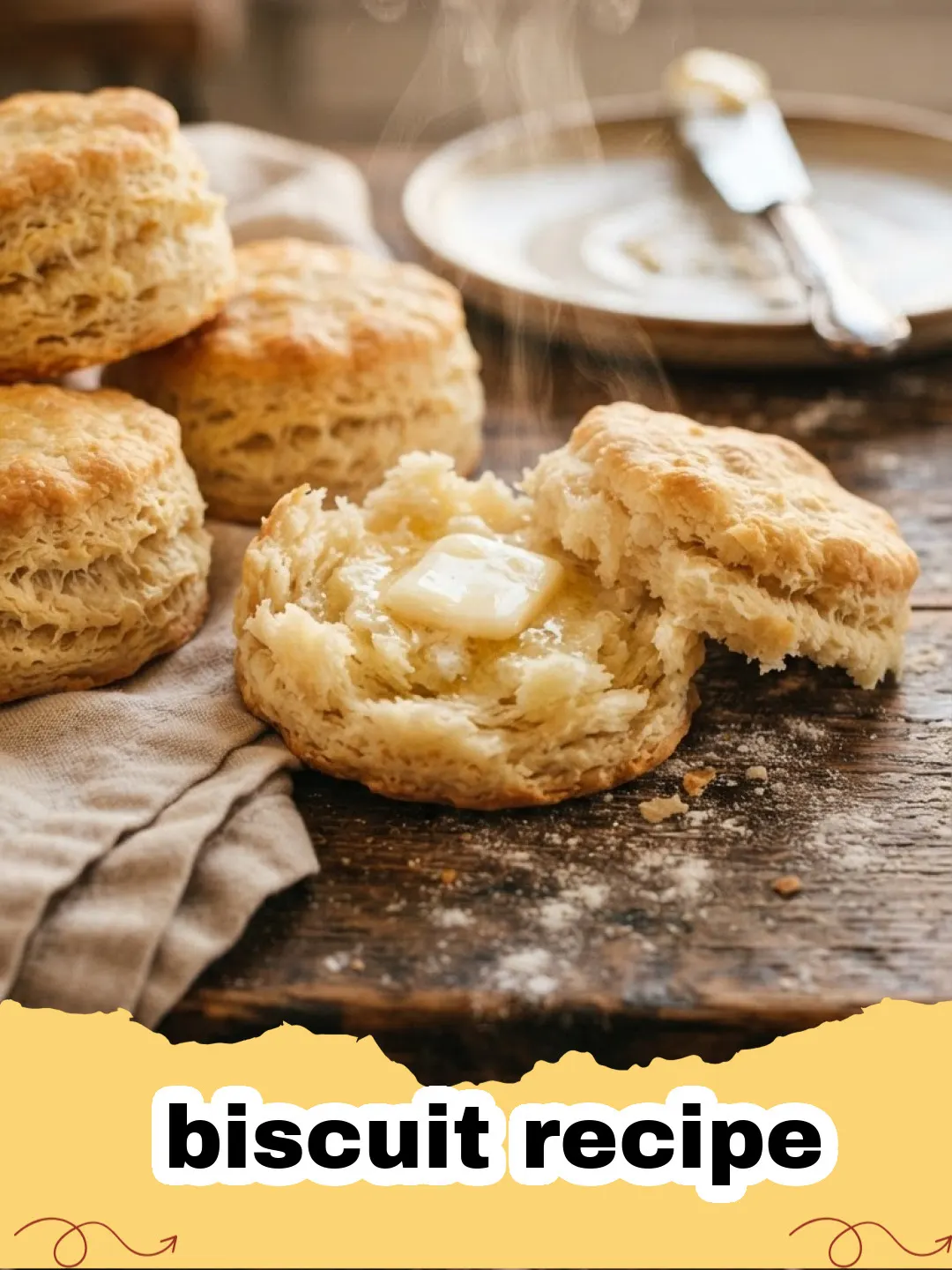
There’s something truly magical about the aroma of freshly baked biscuits wafting through the house. For me, the perfect biscuit recipe isn't just about flour and butter; it's a gateway to cherished memories. I can still picture my grandmother, her hands dusted with flour, meticulously working the dough on her worn wooden board. She taught me that the secret to the best biscuit recipe wasn't just in the ingredients, but in the love and patience you put into it. Every weekend, her kitchen was a haven, filled with the promise of warm, flaky delights. As a child, I’d stand on a stool, watching her every move, eager to get my turn with the biscuit cutter. There was a particular satisfaction in pressing down firmly, then lifting the perfect round, knowing it would soon transform into a golden cloud of deliciousness. This isn't just *a* biscuit recipe; it's *the* biscuit recipe that brings that comfort and nostalgia to my own home, and I’m so excited to share it with you.
Why This Biscuit Recipe is a Must-Try
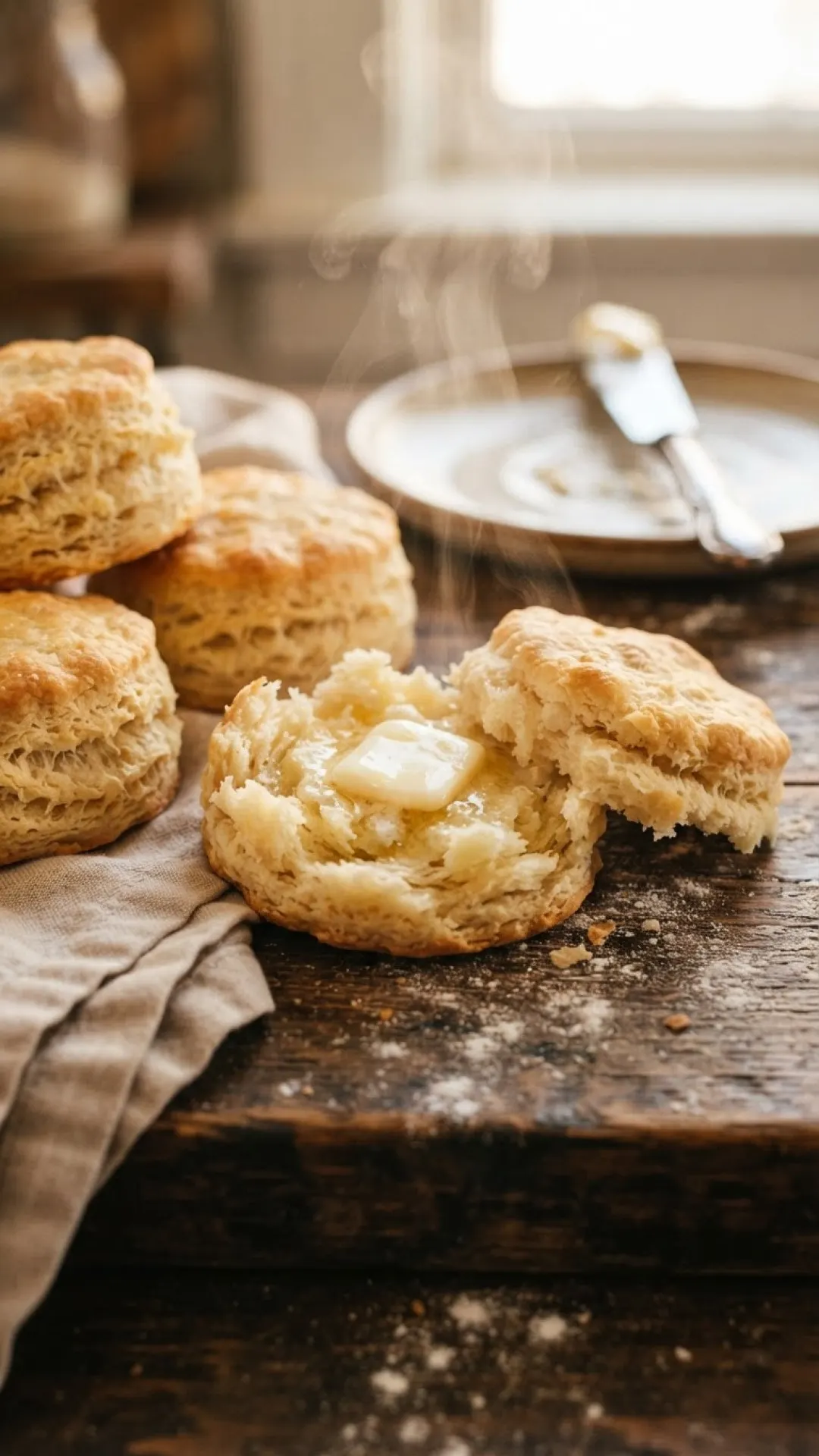
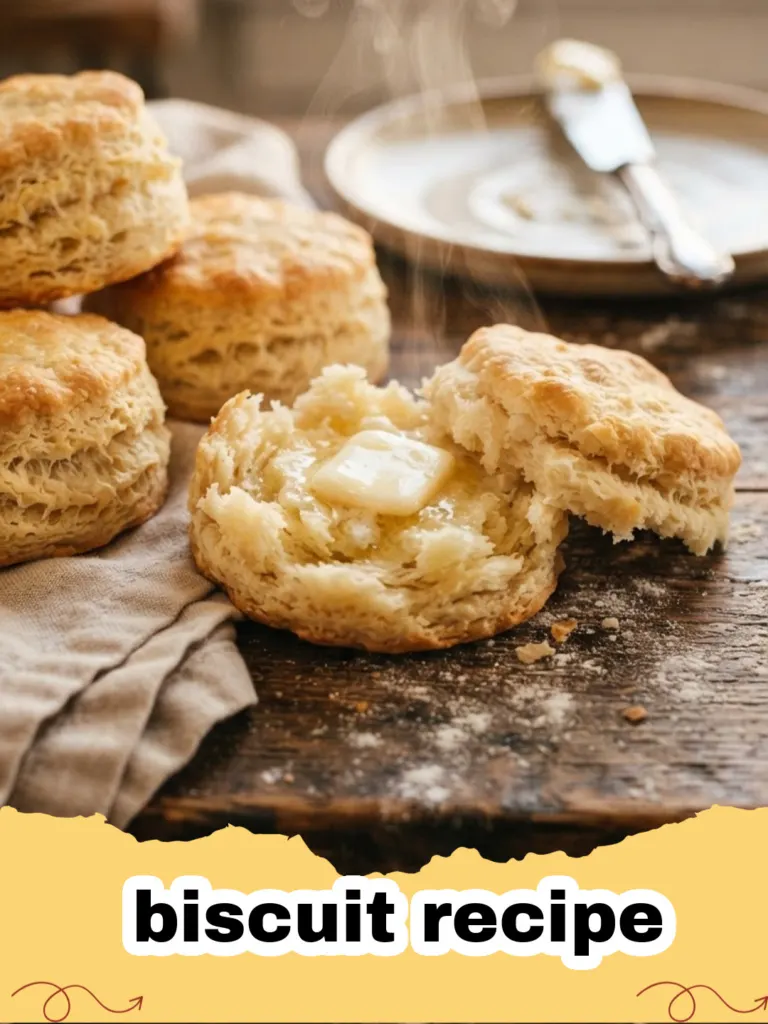
- Unbeatable Fluffiness: This biscuit recipe yields biscuits that are incredibly light and airy, practically melting in your mouth.
- Golden, Crispy Edges: Experience a delightful contrast between the soft interior and the slightly crisp, buttery crust.
- Simple & Rewarding: With clear steps and pro tips, even beginners can master this biscuit recipe and feel like a seasoned baker.
- Versatile Comfort Food: Perfect for breakfast, brunch, dinner, or even as a sweet treat with jam.
Key Ingredient Notes for Your Perfect Biscuit Recipe
While the process is important, selecting the right ingredients is paramount to mastering this biscuit recipe.
Cold Butter is Non-Negotiable
This is arguably the most crucial element for flaky biscuits. Why cold? As the butter melts in the hot oven, it releases steam, which creates pockets of air within the dough. These air pockets are what give biscuits their characteristic flaky layers. If your butter is too warm, it will blend into the flour, resulting in a more cake-like, dense biscuit. I recommend using unsalted butter so you can control the salt content precisely. Cube it and pop it back into the freezer for 10-15 minutes before you start, or even grate it directly into your flour mixture for tiny, perfect pieces.
The Magic of Buttermilk
Buttermilk isn't just for adding a tangy flavor; it’s essential for tenderness. The acidity in buttermilk reacts with the baking soda (which we'll add if using all-purpose flour, or is already in self-rising flour), creating carbon dioxide gas. This gas helps the biscuits rise even higher and contributes to that wonderfully soft crumb. If you don't have buttermilk on hand, you can make a quick substitute: add 1 tablespoon of white vinegar or lemon juice to a measuring cup, then fill the rest with regular milk until it reaches 1 cup. Let it sit for 5-10 minutes until it slightly curdles.
Flour Power: Self-Rising vs. All-Purpose
This biscuit recipe is highly adaptable. While many traditional Southern biscuit recipes call for self-rising flour (which already contains baking powder and salt), you can absolutely achieve fantastic results with all-purpose flour. If using all-purpose, you'll need to add baking powder and a pinch of baking soda to mimic the leavening and tenderness that self-rising flour provides. I’ve included quantities for both options in the recipe card below, so choose what you have!
Step-by-Step Guide with Pro Tips for this Biscuit Recipe
Ready to bake the best biscuits of your life? Follow these detailed steps for a truly incredible biscuit recipe.
Pro Tip: For the flakiest biscuits, keep everything as cold as possible – your butter, your buttermilk, and even your hands if they tend to run warm!
Preparation is Key
Step 1: Preheat your oven to 425°F (220°C). Prepare a baking sheet by lining it with parchment paper or a silicone mat. This prevents sticking and ensures even browning. If you want ultra-crispy bottoms, you can use a cast-iron skillet instead – just make sure it's well-greased.
Mixing the Dry Ingredients
Step 2: In a large bowl, whisk together your flour (either self-rising or all-purpose plus baking powder and baking soda, according to the recipe card) and salt. A good whisk ensures all the leavening agents are evenly distributed, which is crucial for a consistent rise in your biscuit recipe.
Incorporating the Cold Butter
Step 3: Add the very cold, cubed butter to the dry ingredients. Now, here's where technique matters for this biscuit recipe. You can use a pastry blender, two knives, or your fingertips. Work quickly to cut or rub the butter into the flour until the mixture resembles coarse meal with some pea-sized pieces of butter remaining. These larger pieces are your secret to flakiness! Avoid overworking the butter; you want distinct chunks, not a smooth paste. If your hands are warm, try to handle the butter as little as possible. Some bakers even freeze the butter and grate it directly into the flour for ultimate coldness.
Adding the Buttermilk
Step 4: Make a well in the center of your flour-butter mixture. Pour in the cold buttermilk. Stir gently with a fork or a rubber spatula until just combined. The dough will be shaggy and a bit sticky, but that’s exactly what you want. Do not overmix! Overmixing develops the gluten in the flour, leading to tough biscuits. As soon as most of the flour is moistened, stop stirring. This delicate touch is fundamental to a tender biscuit recipe.
The Folding Technique (Optional, but Recommended for Layers)
Step 5: Lightly flour a clean work surface. Turn the shaggy dough out onto the surface. Gently pat the dough into a rough rectangle, about 1-inch thick. Fold one third of the dough over the middle, then fold the other third over that, like folding a letter. Rotate the dough 90 degrees, and gently pat it out again to about 1-inch thick. Repeat this folding process 2-3 more times. This layering technique helps create those beautiful, flaky layers without kneading the dough too much. Each fold is a mini lamination, building structure into your biscuit recipe.
Cutting the Biscuits
Step 6: Pat the dough out to your desired thickness (typically about 1/2 to 3/4 inch for taller biscuits). Using a 2-inch or 2.5-inch round biscuit cutter, press straight down through the dough. Do not twist the cutter! Twisting seals the edges of the biscuit, preventing it from rising properly. If you don't have a biscuit cutter, a clean, sharp-edged drinking glass works just fine. Re-roll any scraps gently, combining them as little as possible, and cut out additional biscuits. The second batch might not rise quite as high, but they'll still be delicious. Place the cut biscuits onto your prepared baking sheet, ensuring they are slightly touching each other if you want softer sides, or spaced apart for crispier edges. This biscuit recipe yields amazing results either way.
The Golden Finish
Step 7: For a golden-brown top, brush the tops of the biscuits with a little melted butter or extra buttermilk. This step is optional but highly recommended for that desirable color and extra richness.
Baking to Perfection
Step 8: Bake in the preheated oven for 12-18 minutes, or until the biscuits are beautifully golden brown on top and bottom. Keep an eye on them; oven temperatures can vary. The internal temperature should reach about 200°F (93°C) if you use an instant-read thermometer, but visual cues are usually sufficient. Once baked, remove from the oven and, if desired, brush with a little more melted butter for an irresistible sheen and flavor. This final touch makes any biscuit recipe shine.
Serving Your Masterpiece
Step 9: Serve these fluffy buttermilk biscuits warm, straight from the oven. They are best enjoyed immediately!
Variations & Serving Suggestions
This classic biscuit recipe is a fantastic starting point, but don't hesitate to get creative!
- Cheesy Biscuits: Fold in 1 cup of shredded cheddar, Monterey Jack, or a sharp Gruyere cheese with the dry ingredients. A little garlic powder or onion powder can also be a great addition.
- Herb Biscuits: Mix 1-2 tablespoons of finely chopped fresh herbs like chives, rosemary, thyme, or parsley into the flour mixture.
- Sweet Biscuits: For a sweeter treat, you can add 1-2 tablespoons of sugar to the dry ingredients. After baking, brush with melted butter and sprinkle with cinnamon sugar, or drizzle with a simple glaze made from powdered sugar and a splash of milk or lemon juice.
- Savory Companions: These biscuits are phenomenal with sausage gravy for a classic breakfast. They also pair perfectly with hearty main courses like our ultimate easy pulled pork crock pot recipe, chicken pot pie, or alongside a comforting bowl of chili.
- Breakfast Sandwiches: Split them open and fill with eggs, cheese, and bacon or sausage for an amazing breakfast sandwich.
- Jam & Honey: Sometimes, simple is best. A warm biscuit with your favorite berry jam or a dollop of local honey is pure bliss.
- Southern Spread: And if you're looking for another classic Southern side, our crispy fried okra recipe makes an excellent companion to these fluffy biscuits.
Storing leftovers? These biscuits, if they last that long, can be stored in an airtight container. I often use my favorite glass food storage containers to keep them fresh for a day or two. Reheat them quickly in the oven or microwave for a near-fresh experience.
Nutrition Information
| Nutrient | Amount per serving |
|---|---|
| Calories | 280 kcal |
| Carbohydrates | 32g |
| Cholesterol | 45mg |
| Fat | 15g |
| Fiber | 1g |
| Protein | 5g |
| Saturated Fat | 9g |
| Serving Size | 1 biscuit |
| Sodium | 380mg |
| Sugar | 2g |
| Trans Fat | 0g |
| Unsaturated Fat | 6g |
Conclusion
There you have it – my go-to biscuit recipe for fluffy, tender, and utterly delicious buttermilk biscuits. This recipe is more than just a list of ingredients and steps; it's an invitation to create warmth, comfort, and delicious memories in your own kitchen. Whether you're making them for a special breakfast or as a side for a family dinner, these biscuits are sure to impress. Don't be intimidated by the process; with a little practice, you'll be a biscuit master in no time. Happy baking!
FAQs
What is the secret to fluffy biscuits?
The main secrets to fluffy biscuits are using very cold butter (which creates steam and pockets of air as it melts), not overmixing the dough (to avoid developing gluten and making them tough), and using buttermilk (its acidity reacts with baking soda for a better rise).
Can I make buttermilk biscuits without buttermilk?
Yes, you can! To make a quick buttermilk substitute, add 1 tablespoon of white vinegar or lemon juice to a liquid measuring cup, then fill the rest with regular milk (dairy or non-dairy) until it reaches 1 cup. Let it sit for 5-10 minutes until it slightly curdles before using it in your biscuit recipe.
How do I prevent my biscuits from being tough?
Tough biscuits are usually a result of overmixing the dough. When you overmix, you develop the gluten in the flour, which makes the biscuits dense and chewy rather than light and flaky. Mix the dough just until the dry ingredients are moistened, and handle it as little as possible during folding and cutting.
What is the best way to store and reheat leftover biscuits?
Store leftover biscuits in an airtight container at room temperature for 1-2 days, or in the refrigerator for up to 4 days. To reheat, wrap them loosely in foil and warm in a 300u00b0F (150u00b0C) oven for 10-15 minutes, or microwave briefly until warm, though the oven method retains more crispness.
The Ultimate Fluffy Buttermilk Biscuits
This classic biscuit recipe yields incredibly fluffy, tender, and golden-brown buttermilk biscuits perfect for any meal. Learn the secrets to achieving flaky layers and a melt-in-your-mouth texture with our step-by-step guide and pro tips. A true Southern comfort food staple!
- Total Time: 35 minutes
- Yield: 8-10 biscuits 1x
Ingredients
2 cups (240g) all-purpose flour OR self-rising flour (see notes)
1 tablespoon baking powder (if using all-purpose flour)
1/2 teaspoon baking soda (if using all-purpose flour)
1 teaspoon salt (adjust to 1/2 tsp if using self-rising flour)
1/2 cup (113g) unsalted butter, very cold and cubed
3/4 cup (180ml) cold buttermilk, plus more for brushing
Instructions
Step 1: Preheat your oven to 425°F (220°C). Line a baking sheet with parchment paper or a silicone mat. Alternatively, use a well-greased cast-iron skillet for crispier bottoms.
Step 2: In a large bowl, whisk together the flour, baking powder (if using all-purpose), baking soda (if using all-purpose), and salt. Ensure all dry ingredients are well combined.
Step 3: Add the very cold, cubed butter to the dry ingredients. Using a pastry blender, two knives, or your fingertips, cut or rub the butter into the flour until the mixture resembles coarse meal with some pea-sized pieces of butter remaining. Work quickly to keep the butter as cold as possible.
Step 4: Make a well in the center of the flour-butter mixture. Pour in the cold buttermilk. Stir gently with a fork or rubber spatula until just combined and the dough is shaggy and sticky. Avoid overmixing.
Step 5: Lightly flour a clean work surface. Turn the shaggy dough out onto the surface. Gently pat the dough into a rough rectangle, about 1-inch thick. Fold one third of the dough over the middle, then fold the other third over that, like folding a letter. Rotate the dough 90 degrees, and gently pat it out again to about 1-inch thick. Repeat this folding process 2-3 more times for extra flakiness.
Step 6: Pat the dough out to a final thickness of 1/2 to 3/4 inch. Using a 2-inch or 2.5-inch round biscuit cutter, press straight down through the dough without twisting. Place the cut biscuits onto your prepared baking sheet, either slightly touching for softer sides or spaced apart for crispier edges. Gently re-roll any scraps and cut additional biscuits.
Step 7: For a golden-brown top, brush the tops of the biscuits with a little melted butter or extra buttermilk (optional, but recommended).
Step 8: Bake in the preheated oven for 12-18 minutes, or until the biscuits are beautifully golden brown on top and bottom. Keep an eye on them as oven temperatures vary.
Step 9: Remove from the oven and, if desired, brush with a little more melted butter. Serve warm, straight from the oven.
Notes
For best results, use very cold butter and buttermilk. Avoid overmixing the dough, as this can lead to tough biscuits. If using all-purpose flour, ensure your baking powder and baking soda are fresh. This biscuit recipe is incredibly versatile; feel free to add cheese, herbs, or a touch of sugar for sweet variations.
- Prep Time: 20 minutes
- Cook Time: 15 minutes
- Category: Desserts & Baking
- Cuisine: Southern American
Nutrition
- Serving Size: 1 biscuit
- Calories: 280 kcal
- Sugar: 2g
- Sodium: 380mg
- Fat: 15g
- Saturated Fat: 9g
- Unsaturated Fat: 6g
- Trans Fat: 0g
- Carbohydrates: 32g
- Fiber: 1g
- Protein: 5g
- Cholesterol: 45mg