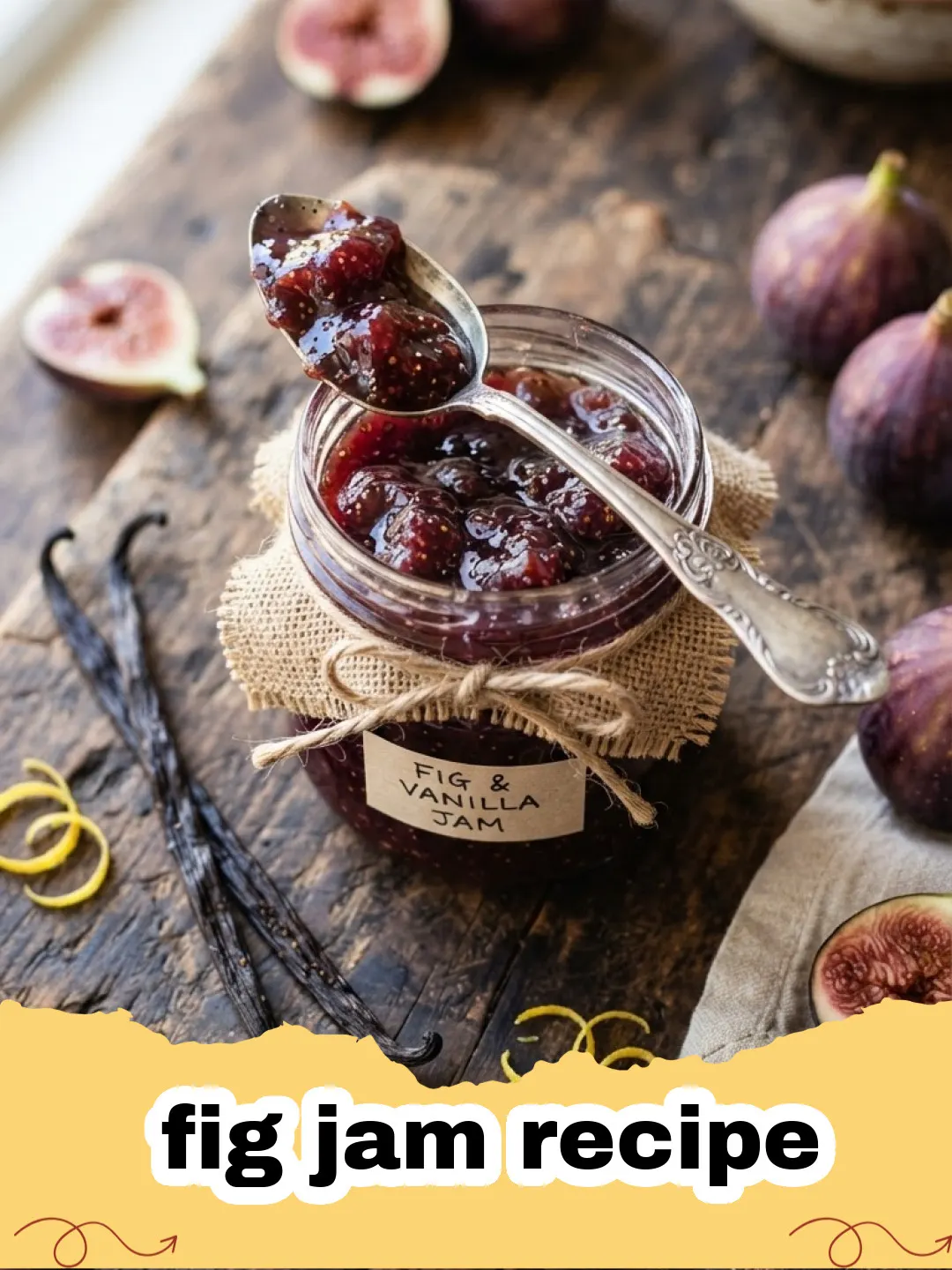
This fig jam recipe always brings me back to the golden afternoons of my childhood, spent in my grandmother's sprawling garden where a single, gnarled fig tree stood as the undisputed queen. I remember the weight of the sun on my shoulders as I reached for the softest, darkest fruits, their skins thin and almost bursting with honey-like nectar. Every August, the kitchen would transform into a steamy sanctuary of sweetness, filled with the heady aroma of simmering fruit and lemon zest. We would spend hours stirring the pot with long wooden spoons, watching the vibrant purple skins break down into a rich, ruby-colored preserve. There is something profoundly meditative about the process of making a fig jam recipe from scratch; it is a slow dance with nature that rewards your patience with a jar of pure sunshine. Whether you are a seasoned canner or a first-time jam maker, this recipe is designed to capture that nostalgic magic and bring a touch of artisanal elegance to your pantry. Let us dive into the wonderful world of preserves and rediscover the simple joy of a perfectly crafted fig jam recipe.
Why This Recipe is a Must-Try
- No Added Pectin: Unlike many commercial preserves, this fig jam recipe relies on the natural sugars and a bit of lemon juice to achieve a perfect, spreadable consistency.
- Small Batch Friendly: You do not need a massive harvest to enjoy this; a few pints of fresh figs are all it takes to make a couple of precious jars.
- Balanced Flavor Profile: We balance the intense sweetness of the figs with bright citrus notes, making it versatile enough for both breakfast toast and gourmet cheese boards.
- Pure Ingredients: By making your own fig jam recipe, you avoid the high-fructose corn syrup and artificial preservatives found in store-bought versions.
Key Ingredient Notes
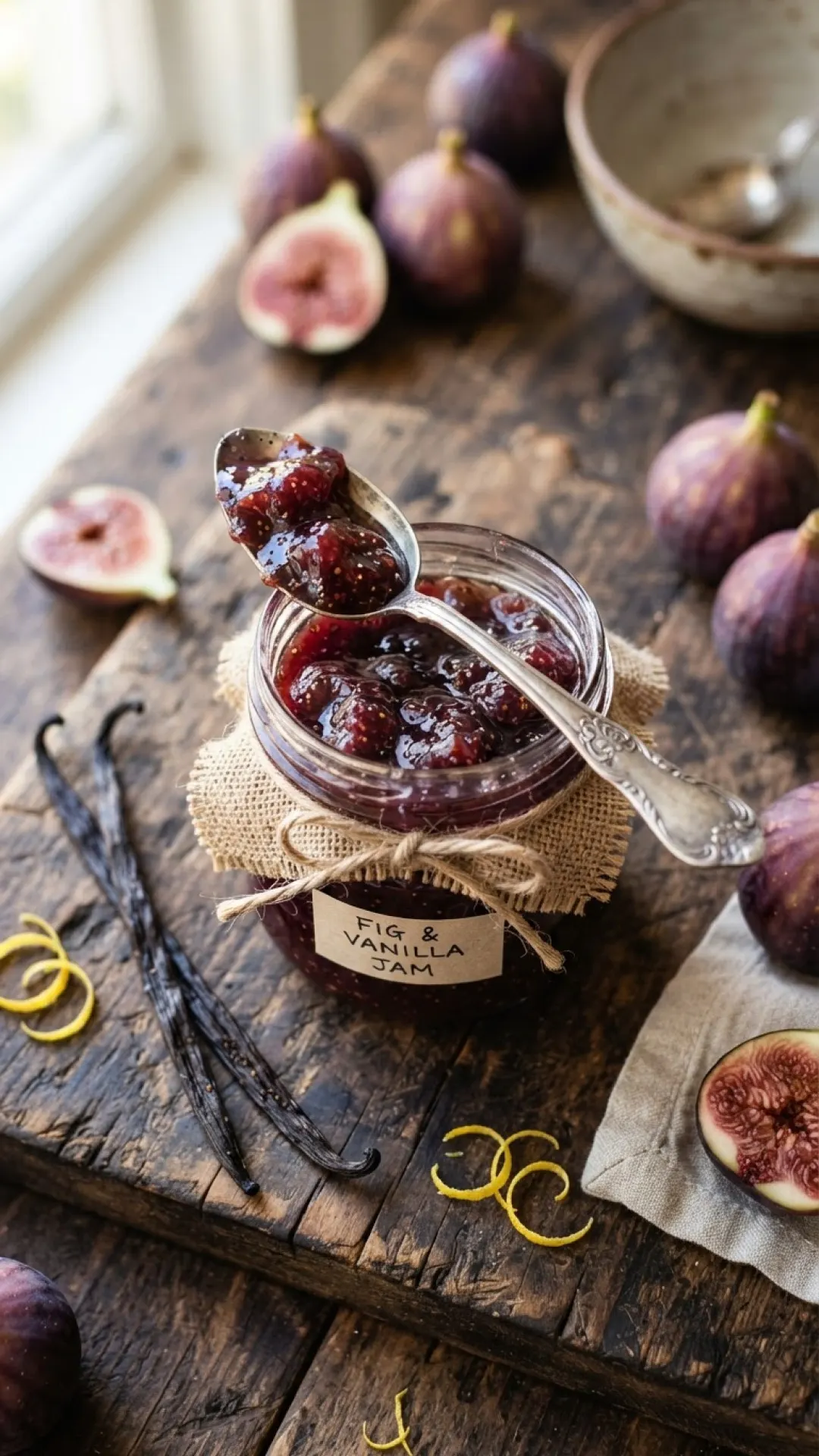
The success of any fig jam recipe begins with the quality of your fruit. I personally prefer using Black Mission figs because they offer a deep, earthy sweetness and a beautiful magenta hue when cooked. However, Brown Turkey figs are also a fantastic option, providing a milder, more honeyed flavor profile. Regardless of the variety, ensure your figs are ripe—they should feel heavy for their size and give slightly when pressed. If they are too firm, they won't break down properly; if they are overripe, they might be too watery. Another crucial component in this fig jam recipe is the lemon. We use both the juice and the zest. The juice provides the necessary acidity to help the jam set naturally and prevents the growth of bacteria, while the zest adds a sophisticated floral note that cuts through the richness of the fruit.
Finally, let’s talk about the sugar. While it might be tempting to reduce the sugar significantly, remember that in a traditional fig jam recipe, sugar acts as more than just a sweetener—it is a preservative and a structural component. It helps the fruit juices gel together. If you’re looking for other ways to preserve fruit, you might also enjoy learning about The Ultimate Homemade Applesauce, which follows a similar philosophy of simple, high-quality ingredients. For this jam, we use standard granulated sugar to keep the color bright and the flavor clean.
Step-by-Step Guide with Pro Tips
Preparing a fig jam recipe is an exercise in patience and sensory observation. You aren't just following a timer; you are watching for changes in color, viscosity, and aroma. Before you begin, make sure your workspace is clean and you have all your jars ready. I highly recommend using high-quality containers like the Basics Glass Food Storage jars if you plan on keeping these in the refrigerator or giving them as gifts.
Phase 1: Fruit Preparation
Start by washing your figs thoroughly and removing the stems. For a rustic texture, I like to quarter the figs, but if you prefer a smoother fig jam recipe, you can finely chop them. Combine the figs with sugar in a heavy-bottomed pot and let them macerate for about 30 minutes. This draws out the natural juices and creates a syrup before you even turn on the heat.
Phase 2: The Simmer
Place the pot over medium heat and bring the mixture to a gentle boil. This is the stage where the fig jam recipe truly comes to life. You will notice the fruit softening and the liquid becoming glossy. Stir frequently to prevent the bottom from scorching. Add your lemon juice and zest now. Pro Tip: Use a potato masher during the simmering process if you want to break up larger chunks of fruit without losing the jam's character.
Phase 3: Testing the Set
Knowing when your fig jam recipe is done is the most critical part. Use the "cold plate test." Place a small saucer in the freezer for ten minutes. Drop a spoonful of hot jam onto the cold plate, wait thirty seconds, and then push it with your finger. If it wrinkles and holds its shape, it is ready. If it’s still runny, simmer for another five minutes and test again. Overcooking can lead to a sticky, candy-like texture, so stay vigilant!
Variations & Serving Suggestions
Once you have mastered the base fig jam recipe, the possibilities for customization are endless. For a sophisticated twist, try adding a tablespoon of aged balsamic vinegar and a sprig of fresh rosemary during the last five minutes of cooking. This creates a savory-sweet profile that pairs exquisitely with a sharp Manchego or a creamy Brie. Alternatively, a splash of vanilla extract can turn your fig jam recipe into a dessert-style preserve that tastes like liquid gold when swirled into Greek yogurt or spooned over vanilla bean ice cream.
When it comes to serving, don't limit yourself to just bread. This jam is a spectacular addition to a charcuterie board. It complements salty meats like prosciutto and adds a layer of depth to appetizers. Speaking of crowd-pleasing snacks, if you are looking for something with a bit more crunch to serve alongside your preserves, you might want to try The Ultimate Easy Fresh Blueberry Crumb Cake for your next brunch gathering. The earthy tones of the fig jam recipe also work surprisingly well as a glaze for roasted pork or chicken, adding a caramelized finish that is sure to impress your dinner guests.
Nutrition Information
While this fig jam recipe is a treat, it is helpful to know the nutritional breakdown for those tracking their intake. Below is an estimate based on a standard serving size of one tablespoon.
| Nutrient | Amount per Serving |
|---|---|
| Calories | 55 kcal |
| Total Fat | 0.1g |
| Saturated Fat | 0g |
| Trans Fat | 0g |
| Unsaturated Fat | 0.1g |
| Cholesterol | 0mg |
| Sodium | 1mg |
| Carbohydrate Content | 14g |
| Fiber Content | 1g |
| Sugar Content | 12g |
| Protein Content | 0.3g |
| Serving Size | 1 tbsp |
Conclusion
Creating your own fig jam recipe is a rewarding journey that connects you to the seasons and the simple pleasures of the kitchen. There is a unique satisfaction in hearing the "pop" of a sealing jar and knowing that you have preserved a moment of summer to enjoy during the colder months. This fig jam recipe is more than just a spread; it is a versatile pantry staple, a thoughtful gift, and a delicious tradition in the making. I hope this guide inspires you to grab a basket of fresh figs and start simmering your own batch of homemade goodness. Happy preserving!
FAQs
What type of figs are best for this fig jam recipe?
Black Mission figs are highly recommended for their deep color and rich flavor, but Brown Turkey or Calimyrna figs also work wonderfully for a sweeter, honey-like jam.
Can I make this fig jam recipe with less sugar?
Yes, but be aware that sugar acts as a preservative and helps the jam set. Reducing it significantly may result in a thinner consistency and a shorter shelf life.
How long does homemade fig jam last?
When stored in the refrigerator in an airtight container, this fig jam will stay fresh for up to 3 to 4 weeks. If properly canned in a water bath, it can last up to a year in a cool, dark place.
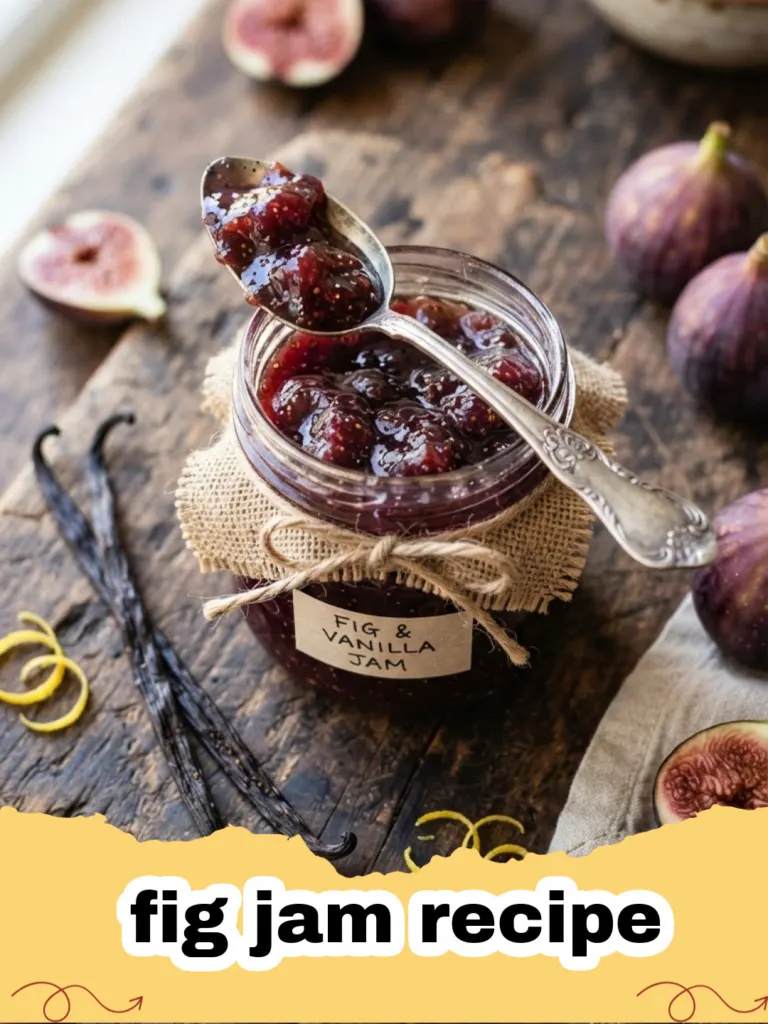
Small Batch Homemade Fig Jam
A simple, pectin-free fig jam recipe that highlights the natural sweetness of fresh figs with a hint of bright lemon.
- Total Time: 1 hour
- Yield: 2 half-pint jars 1x
Ingredients
2 lbs fresh figs (Black Mission or Brown Turkey), stemmed and chopped
1.5 cups granulated sugar
1/4 cup fresh lemon juice
1 tsp lemon zest
1/2 cup water (optional, if figs are very dry)
1 tsp vanilla extract (optional)
Instructions
Step 1: Wash the figs thoroughly, remove the stems, and chop them into small pieces or quarters depending on your preferred texture.
Step 2: In a large, heavy-bottomed saucepan, combine the chopped figs and the granulated sugar. Let the mixture sit for 30 minutes to allow the juices to release.
Step 3: Add the lemon juice, lemon zest, and water (if using) to the pan. Place over medium heat and bring to a gentle boil, stirring frequently.
Step 4: Reduce the heat to low and simmer the mixture for 35-45 minutes. Stir often to ensure the jam does not stick or burn on the bottom of the pot.
Step 5: As the jam thickens, use a potato masher to crush some of the fruit if a smoother consistency is desired. The jam will darken and become glossy.
Step 6: Perform the cold plate test: place a small amount of jam on a chilled saucer. If it wrinkles when pushed after 30 seconds, it is done. Remove from heat and stir in vanilla extract if using.
Step 7: Ladle the hot jam into sterilized glass jars, leaving 1/4 inch of headspace. Wipe the rims and seal tightly. Let cool to room temperature before refrigerating.
Notes
Store in the refrigerator for up to 3 weeks or process in a water bath canner for 10 minutes for long-term shelf storage.
- Prep Time: 15 minutes
- Cook Time: 45 minutes
- Category: Desserts & Baking
- Cuisine: Mediterranean
Nutrition
- Serving Size: 1 tablespoon
- Calories: 55 kcal
- Sugar: 12g
- Sodium: 1mg
- Fat: 0.1g
- Saturated Fat: 0g
- Unsaturated Fat: 0.1g
- Trans Fat: 0g
- Carbohydrates: 14g
- Fiber: 1g
- Protein: 0.3g
- Cholesterol: 0mg