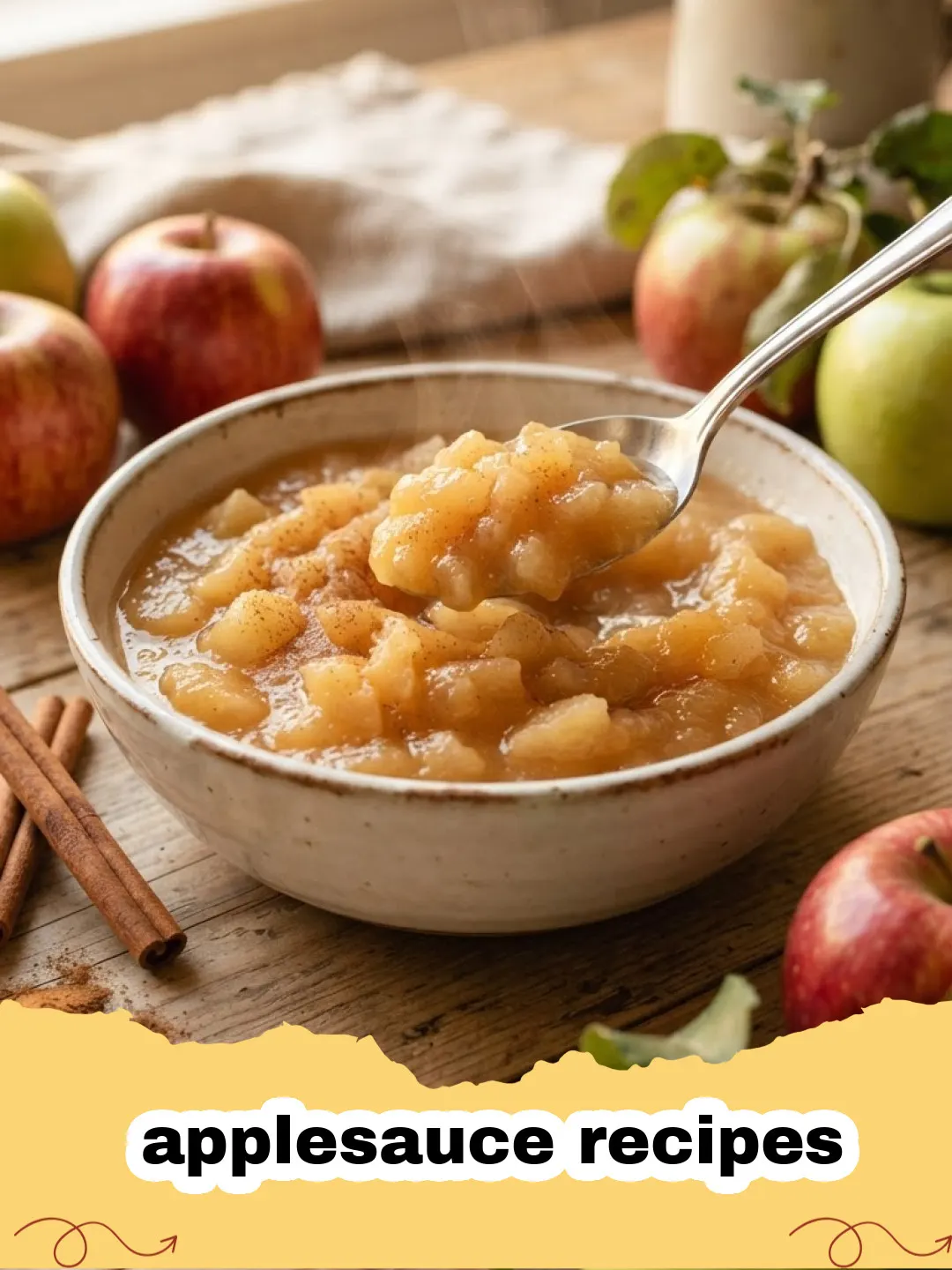
There's something uniquely comforting about the aroma of cinnamon and simmering apples wafting through your kitchen. For me, the magic of homemade applesauce recipes isn't just about the taste; it’s a journey back to my grandmother’s bustling kitchen, a place filled with warmth, laughter, and the scent of autumn harvests. I remember autumn afternoons, leaves crunching underfoot, as we'd come home from apple picking, baskets overflowing with McIntosh, Honeycrisp, and Granny Smiths. Grandma would have her largest stockpot ready, and the whole family would gather around, peeling and coring, each apple bringing us closer. Those moments, messy hands and flour-dusted aprons, taught me that the best applesauce recipes aren't just about ingredients; they're about love, tradition, and creating memories. It’s a simple pleasure, yet profoundly satisfying, and I've carried that tradition into my own home, refining those cherished memories into this perfect, easy-to-follow recipe for you.
Why This Homemade Applesauce Recipe is a Must-Try
Incredibly Fresh & Flavorful
Unlike store-bought versions that can often be bland or overly sweet, homemade applesauce allows you to control the quality of your ingredients and the balance of flavors. You'll taste the pure essence of apples, enhanced by just the right hint of cinnamon and sweetness, making this one of the most delightful applesauce recipes you'll ever encounter.
Simple & Economical
Making your own applesauce is surprisingly easy and far more cost-effective, especially when apples are in season. It's a fantastic way to utilize a bounty of fresh apples, turning them into a versatile staple that saves you money and tastes infinitely better. You’ll find that creating your own applesauce recipes at home is a rewarding experience.
Customizable to Your Taste
Whether you prefer it chunky or smooth, sweet or tart, this recipe is incredibly adaptable. You can adjust the type of apples, the amount of sugar, and the spices to suit your family's preferences. This flexibility means you can experiment with various applesauce recipes until you find your signature blend.
Versatile Kitchen Staple
Homemade applesauce isn't just for eating with a spoon! It's a fantastic ingredient in baking (think muffins, cakes, or even as an oil substitute), a perfect accompaniment to pork or chicken, and a healthy snack for kids and adults alike. Having a batch of this readily available expands your culinary possibilities significantly, proving its worth among classic applesauce recipes.
Key Ingredient Notes
Choosing the Right Apples for Applesauce Recipes
The type of apple you choose will significantly impact the flavor and texture of your homemade applesauce. For the best balance, I recommend using a mix of sweet and tart apples. My go-to combination includes:
- Granny Smith: These provide a wonderful tartness that prevents the applesauce from being overly sweet and helps maintain some structure.
- Fuji or Honeycrisp: Sweet and crisp, these apples contribute natural sweetness and a lovely texture.
- McIntosh or Gala: These varieties break down easily, contributing to a smooth and creamy consistency, essential for many delicious applesauce recipes.
Using a blend ensures a complex, well-rounded flavor that single-variety applesauce often lacks. Don't be afraid to experiment with other apples like Golden Delicious, Braeburn, or Pink Lady to discover your favorite blend for applesauce recipes.
Cinnamon: The Soul of Applesauce
While you can certainly make applesauce without cinnamon, I find it's what truly elevates this dish from simple cooked fruit to a comforting, aromatic treat. A good quality ground cinnamon adds warmth and depth without overpowering the natural apple flavor. If you're feeling adventurous, a whole cinnamon stick simmered with the apples can impart a more subtle, complex spice profile, which you can remove before blending. Some applesauce recipes might call for other spices, but cinnamon is the true classic.
Sugar: Sweetness to Taste
The amount of sugar you add will depend heavily on the sweetness of your chosen apples and your personal preference. I often start with a minimal amount and taste as I go. Remember, you can always add more sugar, but you can't take it away! For a healthier option, you can even omit sugar entirely, especially if using very sweet apples, making it one of the healthiest applesauce recipes. Honey or maple syrup can also be used as natural sweeteners.
Step-by-Step Guide with Pro Tips
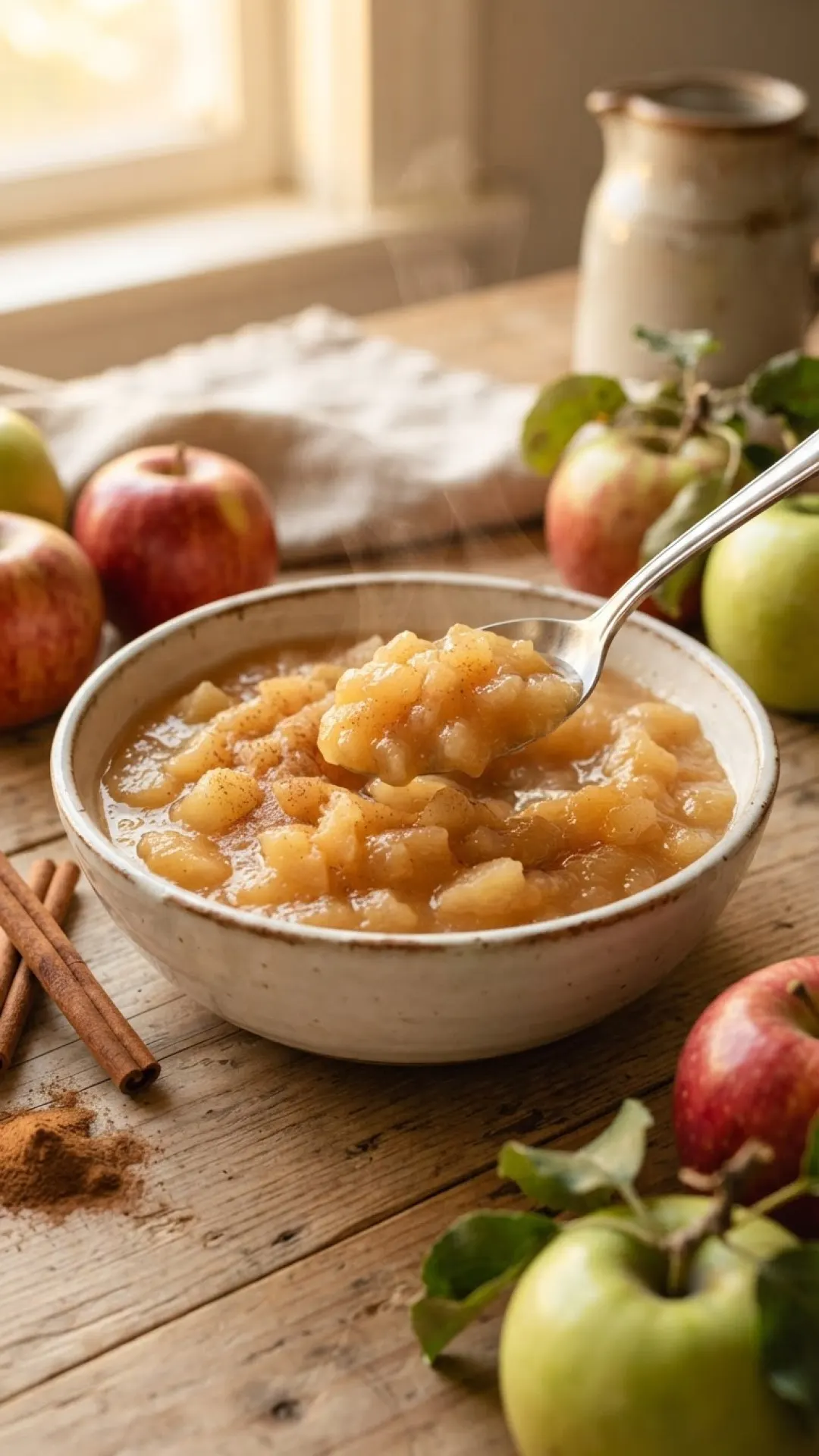
Getting perfect applesauce recipes every time is easier than you think. Follow these steps for a delicious, homemade batch.
- Step 1: Begin by washing your apples thoroughly. Peel, core, and chop the apples into roughly 1-inch pieces. Don't worry too much about uniformity, but smaller pieces will cook down faster. Place the chopped apples into a large, heavy-bottomed pot or Dutch oven.
- Step 2: Add 1/2 cup of water (or apple cider for extra flavor!) to the pot along with the lemon juice, cinnamon, and a pinch of salt. The lemon juice helps prevent browning and brightens the flavor, making this an essential step for vibrant applesauce recipes.
- Step 3: Bring the mixture to a simmer over medium heat. Once simmering, reduce the heat to low, cover the pot, and cook for 15-20 minutes, or until the apples are very soft and easily mashable. Stir occasionally to prevent sticking, especially towards the end of the cooking time. The goal is for the apples to completely break down.
- Step 4: Once the apples are tender, remove the pot from the heat. At this point, you have options for your desired consistency. For chunky applesauce, simply mash the apples with a potato masher directly in the pot. For smooth applesauce, use an immersion blender directly in the pot, or carefully transfer the cooked apples to a blender or food processor and blend until silky smooth. Be cautious when blending hot liquids.
- Step 5: Taste the applesauce. This is where you adjust the sweetness. Add granulated sugar, a tablespoon at a time, until it reaches your desired level of sweetness. Remember, different applesauce recipes call for varying levels of sugar, so trust your palate. Stir until the sugar is fully dissolved.
- Step 6: Allow the applesauce to cool completely before transferring it to airtight containers. It will thicken slightly as it cools. Homemade applesauce can be stored in the refrigerator for up to 7-10 days, or frozen for up to 3 months. For easy storage and reheating, I love using Basics Glass Food Storage containers.
Variations & Serving Suggestions
Once you master the basic applesauce recipes, the possibilities for customization are endless!
Spice It Up!
Beyond cinnamon, consider adding a pinch of nutmeg, a dash of ground cloves, or a touch of allspice for a more complex flavor profile. A tiny amount of ginger can also add a delightful warmth. For an even more autumnal twist, try simmering with a star anise pod or a few cardamom pods, removing them before mashing. These small additions can turn standard applesauce recipes into gourmet creations.
Sweetener Alternatives
Instead of granulated sugar, you can use brown sugar for a richer, molasses-like flavor, or maple syrup or honey for a natural, nuanced sweetness. For a sugar-free option, rely solely on the natural sweetness of the apples, particularly if you've chosen varieties like Honeycrisp or Fuji. This makes your applesauce recipes even more versatile for various dietary needs.
Flavor Boosters
Add a splash of vanilla extract after cooking for a comforting aroma. A tablespoon of butter stirred in at the end can add a luxurious richness. For a vibrant pink hue and extra flavor, toss in a handful of cranberries or a chopped beet with the apples while cooking. These subtle additions elevate everyday applesauce recipes.
Serving Suggestions
- Classic Side: A perfect accompaniment to roasted pork chops, chicken, or turkey.
- Breakfast Treat: Spoon it over oatmeal, yogurt, pancakes, or waffles.
- Baking Ingredient: Use it as a natural sweetener and moistening agent in muffins, cakes, and bread. It can often substitute oil or eggs in many applesauce recipes for baking.
- Snack Time: Enjoy it warm or cold, plain, or topped with a sprinkle of granola or chopped nuts. For another easy and healthy snack idea, check out our post on Crispy Kale Chips!
- Dessert Base: Layer with granola and whipped cream for a simple parfait, or serve warm with a scoop of vanilla ice cream. This creates a comforting dessert that utilizes your homemade applesauce recipes beautifully.
Don't limit yourself to just one way of enjoying your delicious homemade applesauce. It's truly one of those staples that keeps on giving!
Nutrition Information
| Nutrient | Amount |
|---|---|
| Calories | 105 kcal |
| Carbohydrates | 27 g |
| Cholesterol | 0 mg |
| Fat | 0 g |
| Fiber | 4 g |
| Protein | 0 g |
| Saturated Fat | 0 g |
| Serving Size | 1/2 cup (120g) |
| Sodium | 2 mg |
| Sugar | 21 g |
| Trans Fat | 0 g |
| Unsaturated Fat | 0 g |
Conclusion
Making your own applesauce is a simple act that brings immense satisfaction and a burst of fresh, comforting flavor to your table. It’s more than just a recipe; it’s a way to connect with nature’s bounty, reduce food waste, and create lasting memories, just like those cherished afternoons in Grandma's kitchen. We hope these applesauce recipes inspire you to get cooking and enjoy this timeless classic. For more delicious dessert ideas, don't miss our Ultimate Gooey & Perfect Rice Krispie Treats Recipe. Happy cooking!
FAQs
What are the best apples for applesauce?
For the best balance of flavor and texture in applesauce recipes, use a mix of sweet and tart apples. Good choices include Granny Smith (for tartness), Fuji or Honeycrisp (for sweetness), and McIntosh or Gala (for easy breakdown). Combining these varieties creates a more complex and delicious applesauce.
How long does homemade applesauce last?
Homemade applesauce can be stored in an airtight container in the refrigerator for up to 7-10 days. For longer storage, it can be frozen for up to 3 months. Thaw in the refrigerator before serving or reheating.
Can I make applesauce without added sugar?
Yes, absolutely! If you use naturally sweet apples like Honeycrisp, Fuji, or Gala, you might find that you don't need to add any sugar at all. Taste your applesauce before adding any sweeteners. You can also use natural alternatives like a touch of maple syrup or honey if desired, making it one of the healthier applesauce recipes.
What can I do with leftover homemade applesauce?
Homemade applesauce is incredibly versatile! Beyond eating it as a snack, you can use it in baking (muffins, cakes, breads) as a substitute for oil or eggs, serve it as a side dish with pork or chicken, mix it into oatmeal or yogurt, or create simple parfaits. The possibilities for delicious applesauce recipes are endless!
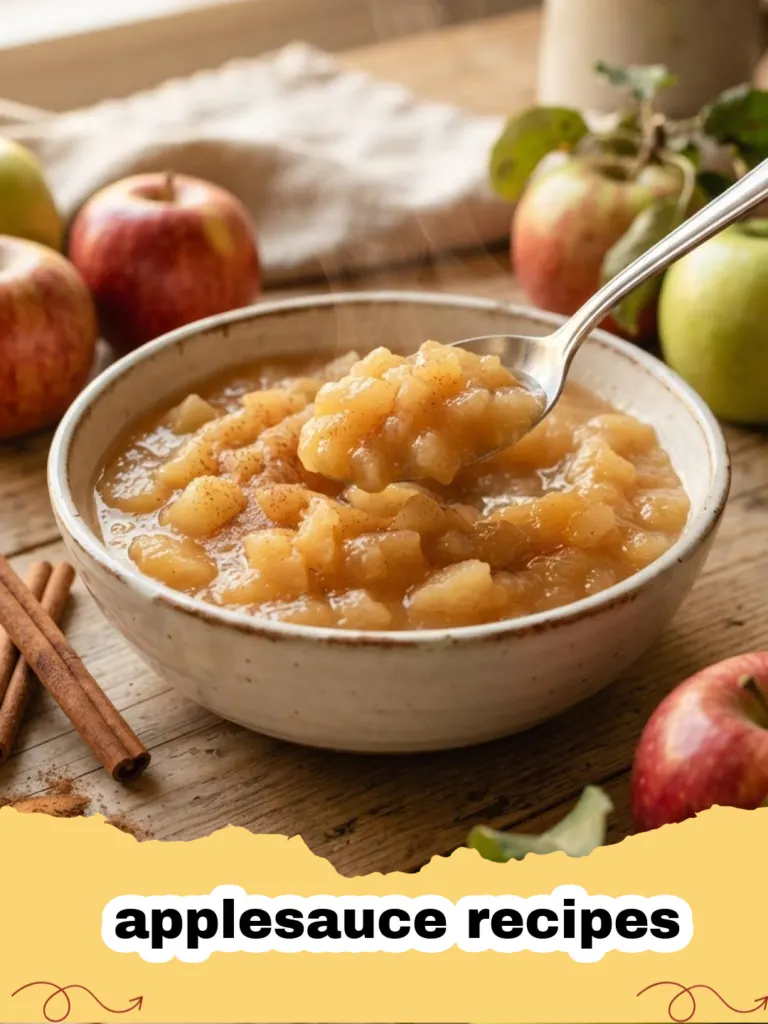
Classic Homemade Applesauce
Learn how to make the best homemade applesauce with this easy recipe, perfect for a healthy snack, baking, or as a side dish. This simple applesauce recipe captures the sweet and tart flavors of autumn.
- Total Time: 35 minutes
- Yield: 4 servings (approx. 2 cups) 1x
Ingredients
4 medium apples (mix of sweet and tart, e.g., 2 Fuji, 2 Granny Smith)
1/2 cup water (or apple cider)
1 tablespoon lemon juice
1/2 teaspoon ground cinnamon (or 1 cinnamon stick)
Pinch of salt
2-4 tablespoons granulated sugar (or to taste, optional)
Instructions
Step 1: Wash, peel, core, and chop apples into roughly 1-inch pieces. Place them in a large, heavy-bottomed pot or Dutch oven.
Step 2: Add water (or apple cider), lemon juice, cinnamon (or cinnamon stick), and a pinch of salt to the pot with the apples.
Step 3: Bring the mixture to a simmer over medium heat. Reduce heat to low, cover, and cook for 15-20 minutes, or until apples are very soft. Stir occasionally.
Step 4: Remove from heat. Mash with a potato masher for chunky applesauce, or use an immersion blender (or transfer to a regular blender/food processor) for smooth applesauce.
Step 5: Taste and add granulated sugar, 1 tablespoon at a time, until desired sweetness is reached. Stir until dissolved.
Step 6: Let cool completely before transferring to airtight containers. Store in the refrigerator for up to 7-10 days, or freeze for up to 3 months.
Notes
For a richer flavor, substitute water with apple cider. Adjust sugar to your preference and the natural sweetness of your apples. For a smoother consistency, strain the applesauce through a fine-mesh sieve after blending.
- Prep Time: 15 minutes
- Cook Time: 20 minutes
- Category: Desserts & Baking
- Cuisine: American
Nutrition
- Serving Size: 1/2 cup (120g)
- Calories: 105 kcal
- Sugar: 21 g
- Sodium: 2 mg
- Fat: 0 g
- Saturated Fat: 0 g
- Unsaturated Fat: 0 g
- Trans Fat: 0 g
- Carbohydrates: 27 g
- Fiber: 4 g
- Protein: 0 g
- Cholesterol: 0 mg