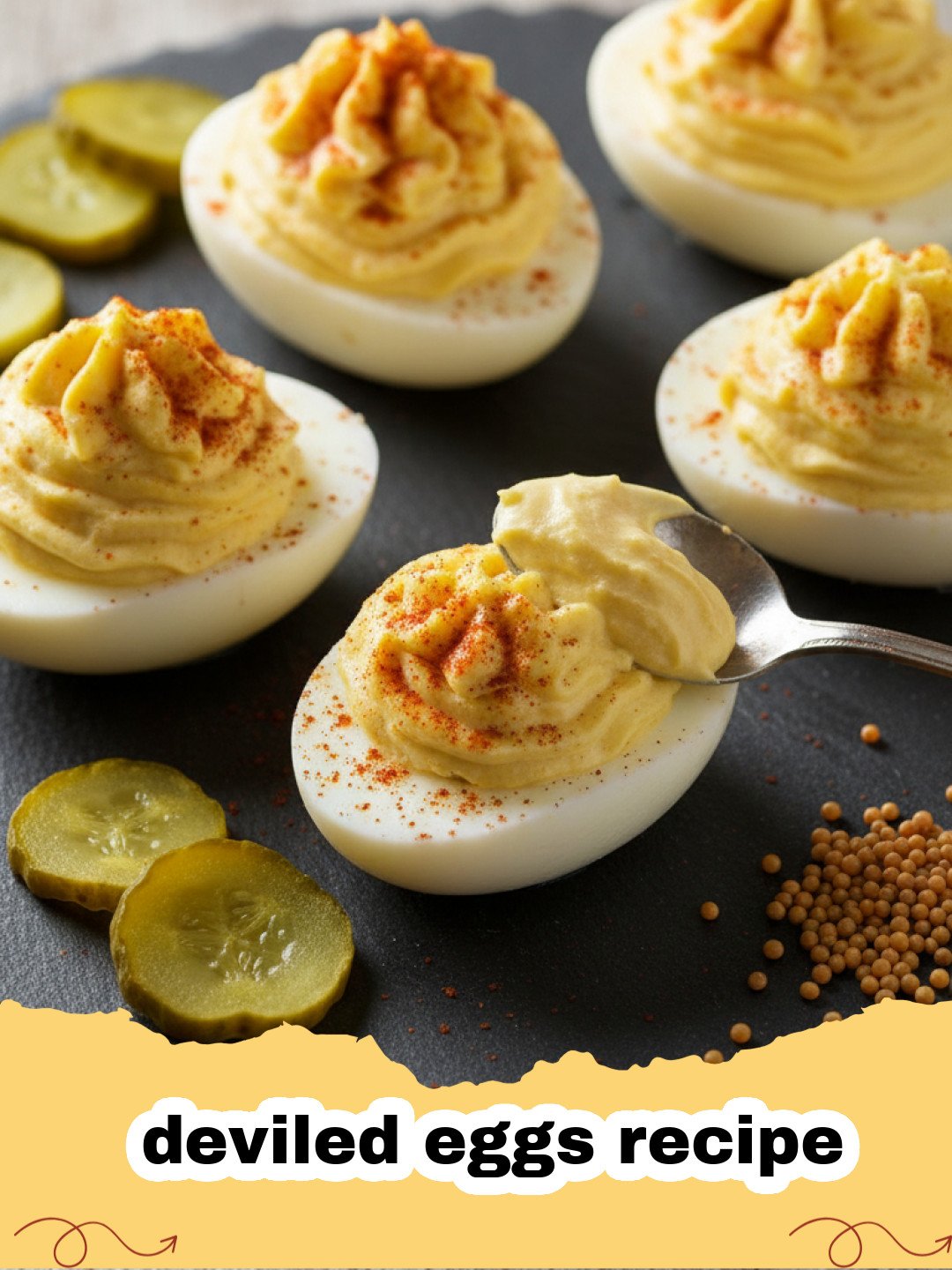
Finding the perfect deviled eggs recipe is like finding a piece of your childhood on a plate. There is something profoundly nostalgic about a platter of these creamy, mustard-yellow treats sitting at the center of a picnic table or a holiday spread. For as long as I can remember, my grandmother’s kitchen was the staging ground for every family reunion, and the centerpiece was always her famous deviled eggs. They were the first thing to disappear, snatched up by cousins and uncles before the main course even hit the table. That specific deviled eggs recipe wasn't just a set of instructions; it was a tradition passed down through whispers and hands-on teaching, and today, I am thrilled to share my perfected version with you.
Deviled eggs are the quintessential appetizer, bridging the gap between humble home cooking and elegant party fare. Whether you are hosting a summer barbecue or a formal Easter brunch, a reliable deviled eggs recipe is a tool every home cook should have in their arsenal. The beauty of this dish lies in its simplicity—just a handful of ingredients transformed into a bite-sized explosion of flavor. However, don't let the simplicity fool you; the difference between a mediocre egg and a magnificent one lies in the details of the technique. In this guide, we will explore the history, the science, and the art behind creating the most velvety and flavorful deviled eggs you have ever tasted.
Why This Recipe is a Must-Try
- Perfect Texture: By using a specific mashing technique, we ensure the filling is silky smooth without a single lump.
- Balanced Flavor Profile: This deviled eggs recipe strikes the perfect chord between tangy vinegar, creamy mayonnaise, and a hint of spice.
- Easy to Peel: We include the definitive method for hard-boiled eggs that slip right out of their shells every single time.
- Versatility: Once you master this base deviled eggs recipe, the customization possibilities are virtually endless.
Key Ingredient Notes
The foundation of any great deviled eggs recipe is, of course, the eggs. While you might think fresh is best, when it comes to hard-boiling, eggs that have sat in your fridge for about a week are actually easier to peel. The protective membrane under the shell loosens over time, making your life much easier when it’s time to prep. Always use large, high-quality eggs for the best yolk-to-white ratio.
Mayonnaise is the second pillar of this dish. I highly recommend using a full-fat, high-quality mayonnaise. It provides the necessary richness and structural integrity to the filling. If you choose a low-fat version, you might find the filling becomes too runny. Additionally, the type of mustard you choose significantly impacts the final result. While classic yellow mustard offers that iconic tang and bright color, a touch of Dijon mustard adds a sophisticated depth that elevates this deviled eggs recipe from standard to gourmet.
Finally, never underestimate the power of the acid. A splash of apple cider vinegar or even juice from a jar of sweet pickles provides the necessary brightness to cut through the richness of the yolks and mayo. This acidity is what truly makes the flavor "pop" and keeps your guests coming back for more.
Step-by-Step Guide with Pro Tips
The journey to the perfect deviled eggs recipe begins with the boil. Place your eggs in a single layer in a saucepan and cover them with cold water by at least an inch. Bring the water to a rolling boil, then immediately turn off the heat and cover the pan. Let them sit for exactly 12 minutes. This method prevents that unsightly green ring around the yolk, which is caused by overcooking and the reaction of sulfur and iron.
Immediately transfer the eggs to an ice bath. This shocks the eggs and stops the cooking process instantly. Let them chill for at least 10 minutes. When peeling, crack the shell gently all over and peel under cool running water. The water helps the shell slide off smoothly. Once peeled, pat them dry and slice them lengthwise with a sharp, clean knife. For a professional look, wipe your knife between every single cut.
Scoop the yolks into a medium bowl. To get that ultra-creamy filling that makes this deviled eggs recipe stand out, I recommend pushing the yolks through a fine-mesh sieve or using a hand mixer. Combine the yolks with your mayo, mustard, vinegar, salt, and pepper. If the mixture feels too stiff, add a teaspoon of mayo at a time until it reaches a pipeable consistency. To keep your eggs fresh while you work, consider using Basics Glass Food Storage containers which are perfect for prep and transport.
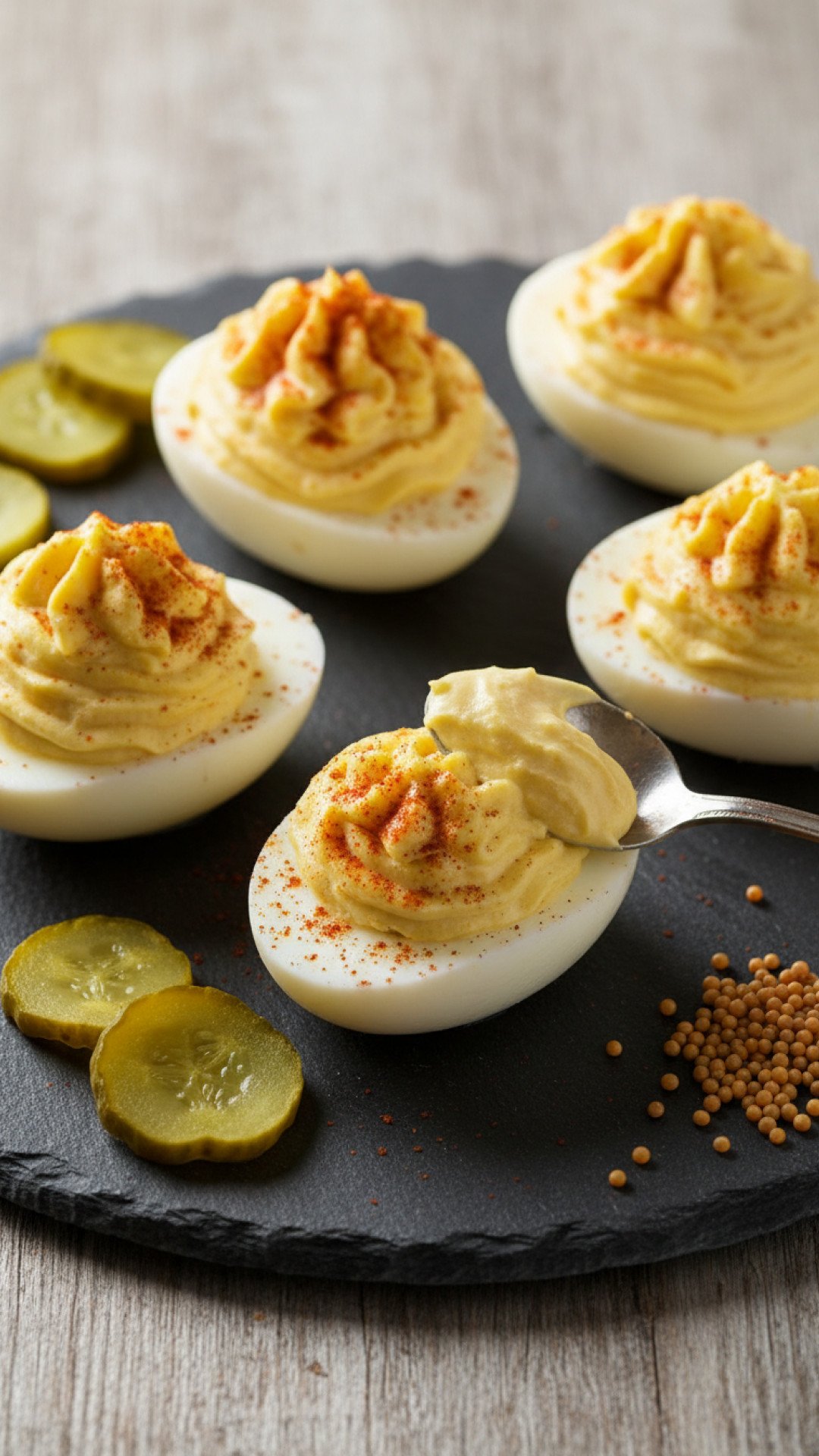
When it comes to filling the whites, you can certainly use a spoon, but for a truly elegant presentation, use a piping bag fitted with a large star tip. This creates a beautiful ruffled effect. If you don’t have a piping bag, a plastic sandwich bag with the corner snipped off works in a pinch. Finish with a generous dusting of paprika—smoked paprika is a fantastic choice if you want a bit of a modern twist on this classic deviled eggs recipe.
Variations & Serving Suggestions
Once you have mastered the classic deviled eggs recipe, you can start experimenting with fun toppings. For a salty crunch, top each egg with a small piece of crispy bacon and a chive. For those who enjoy a bit of heat, a thin slice of fresh jalapeño or a dot of Sriracha can transform the flavor profile entirely. You could even fold in some finely minced lump crab meat for an "Oscar-style" appetizer that pairs beautifully with a The Ultimate Oscar Style Steak.
If you are planning a full spread for a party, these eggs are incredible when served alongside other cold classics. They complement a The Ultimate Creamy Club Sandwich Pasta Salad perfectly, providing a creamy contrast to the textures of the pasta and vegetables. When serving, ensure the eggs stay chilled; they should not sit at room temperature for more than two hours for safety and flavor quality.
Nutrition Information
Understanding the nutritional value of your favorite snacks is always helpful. Here is a breakdown of the estimated nutrition facts for one serving (which consists of two halves) of our deviled eggs recipe.
| Nutrient | Amount per Serving |
|---|---|
| Calories | 145 kcal |
| Carbohydrate Content | 1.2 g |
| Cholesterol Content | 188 mg |
| Fat Content | 11.5 g |
| Fiber Content | 0.1 g |
| Protein Content | 6.4 g |
| Saturated Fat Content | 2.8 g |
| Serving Size | 2 Egg Halves |
| Sodium Content | 165 mg |
| Sugar Content | 0.6 g |
| Trans Fat Content | 0 g |
| Unsaturated Fat Content | 8.2 g |
Conclusion
The humble deviled eggs recipe remains a favorite for a reason. It is a dish that evokes comfort, celebration, and culinary simplicity all at once. By following these steps—from the perfect 12-minute boil to the fine-mesh sieve yolk mash—you are guaranteed to serve an appetizer that is the talk of the party. Don't be afraid to make this recipe your own and start your own family traditions. Happy cooking, and I hope these eggs bring as much joy to your table as they have to mine for decades!
FAQs
Can I make this deviled eggs recipe ahead of time?
Yes! You can boil and peel the eggs up to two days in advance. However, for the best results, it is recommended to pipe the filling no more than 12 hours before serving to prevent the whites from drying out.
How do I prevent the green ring around the yolk?
The green ring is caused by overcooking. Following the '12-minute sit' method in this deviled eggs recipe and immediately using an ice bath will prevent this reaction.
What can I use instead of mayonnaise?
If you want a healthier alternative, you can substitute Greek yogurt or mashed avocado for the mayonnaise, though the flavor and texture will change slightly.
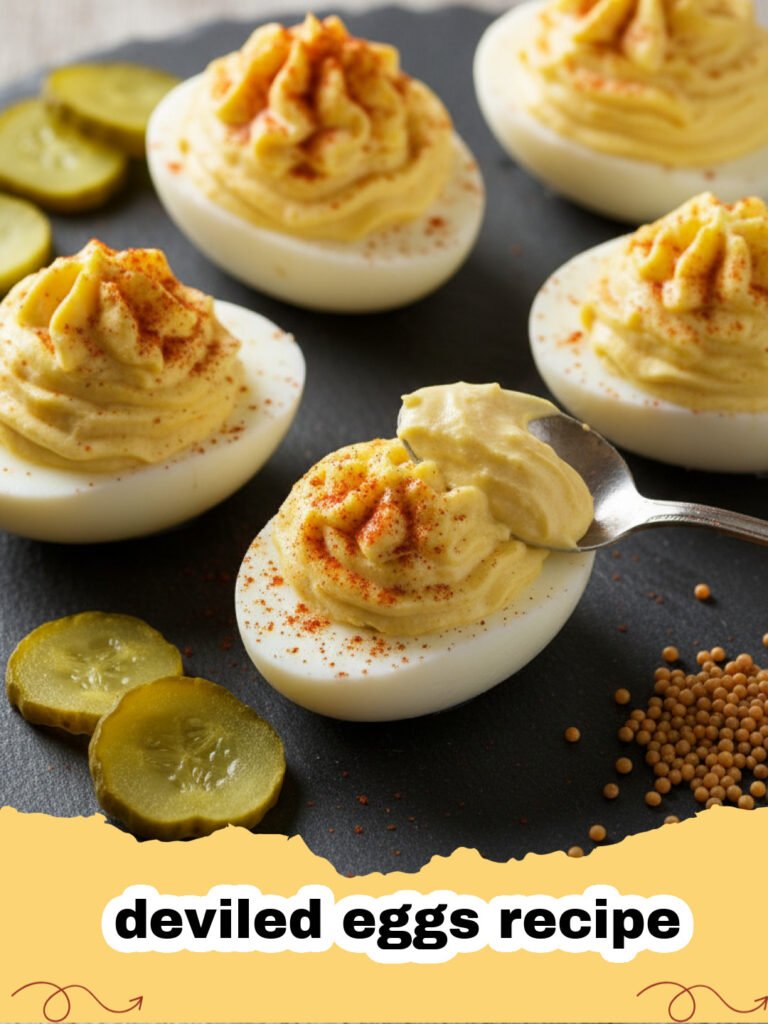
The Ultimate Classic Deviled Eggs
A foolproof deviled eggs recipe that produces silky-smooth filling and perfectly cooked whites every single time.
- Total Time: PT27M
- Yield: 12 halves 1x
Ingredients
6 large eggs
1/4 cup high-quality mayonnaise
1 teaspoon Dijon mustard
1 teaspoon yellow mustard
1 teaspoon apple cider vinegar
1/8 teaspoon salt
1/8 teaspoon black pepper
Paprika for garnish
Fresh chives for garnish (optional)
Instructions
Step 1: Place eggs in a single layer in a saucepan and cover with enough water that there is 1 inch of water above the eggs.
Step 2: Heat the pot on high heat and bring the water to a full rolling boil.
Step 3: Turn off the heat, cover the pan with a lid, and let the eggs sit in the hot water for exactly 12 minutes.
Step 4: Prepare an ice bath while the eggs sit. Once the 12 minutes are up, transfer the eggs to the ice bath for 10 minutes.
Step 5: Gently crack and peel the eggs under cool running water, then pat them dry with a paper towel.
Step 6: Slice each egg in half lengthwise. Carefully remove the yolks and place them into a bowl, setting the whites aside on a serving platter.
Step 7: Mash the yolks with a fork or press through a sieve. Add mayonnaise, both mustards, vinegar, salt, and pepper. Mix until completely smooth.
Step 8: Spoon or pipe the yolk mixture back into the centers of the egg whites.
Step 9: Sprinkle with paprika and garnish with fresh chives before serving.
Notes
For easier peeling, use eggs that are 7-10 days old rather than farm-fresh. Ensure the filling is whipped well for the best texture.
- Prep Time: PT15M
- Cook Time: PT12M
- Category: Drinks, Snacks & Holiday Treats
- Cuisine: American
Nutrition
- Serving Size: 2 halves
- Calories: 145 kcal
- Sugar: 0.6 g
- Sodium: 165 mg
- Fat: 11.5 g
- Saturated Fat: 2.8 g
- Unsaturated Fat: 8.2 g
- Trans Fat: 0 g
- Carbohydrates: 1.2 g
- Fiber: 0.1 g
- Protein: 6.4 g
- Cholesterol: 188 mg