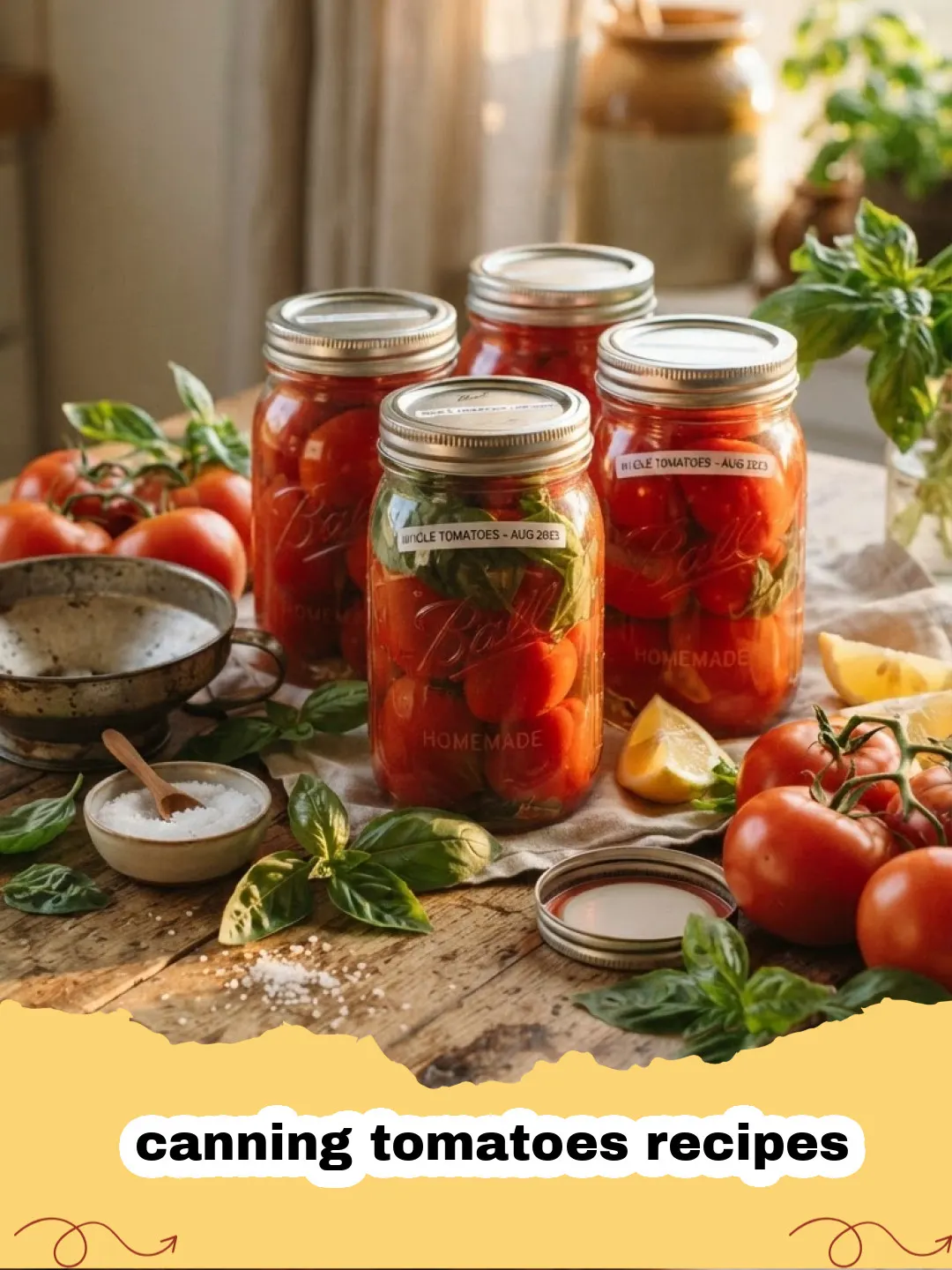
Growing up, my grandmother’s kitchen was a sanctuary of smells. Every late summer, the air would thicken with the scent of ripe tomatoes, simmering gently on the stove. This wasn't just cooking; it was a ritual, a celebration of the harvest. For her, mastering canning tomatoes recipes was a rite of passage, a way to bottle up the sunshine and warmth of summer to nourish us through the long, cold winter months. I remember sitting on a stool, watching her strong, experienced hands move with purpose, sterilizing jars, blanching tomatoes, and carefully ladling the crimson goodness into its glass confines. The satisfying 'pop' of the lid sealing was the sound of provision, of love, and of timeless tradition. It instilled in me a deep appreciation for homemade food and the magic of preservation. Today, I'm thrilled to share a recipe that honors her legacy, allowing you to create your own pantry of summer's bounty. This simple yet profound technique ensures you'll have the freshest, most flavorful tomatoes for all your culinary adventures, from hearty stews to vibrant pasta sauces.
Why This Canning Tomatoes Recipe is a Must-Try
- Unbeatable Freshness: Capture the peak flavor of summer tomatoes, far superior to store-bought canned varieties.
- Cost-Effective & Sustainable: Utilize garden surpluses or farmers' market finds, reducing food waste and saving money.
- Versatile Culinary Base: These canned tomatoes form the perfect foundation for countless dishes, from pasta sauces and soups to chilis and casseroles.
- Peace of Mind: Control all ingredients, avoiding unwanted preservatives or additives found in commercial products.
Key Ingredient Notes
While the process of canning tomatoes might seem daunting, it truly boils down to a few star ingredients. Let's talk about them.
The Tomatoes
The heart of any good canning tomatoes recipe is, naturally, the tomatoes themselves. For canning, choose firm, ripe, unblemished tomatoes. Varieties with more 'meat' and less water are ideal for sauces. Think Roma, San Marzano, or other paste tomatoes. They have fewer seeds and a thicker flesh, which reduces cooking time and yields a richer product. If you're using slicers like Beefsteak, you might need to cook them down a bit longer to achieve the desired consistency. Always ensure they are free from any signs of mold or rot, as this can affect the safety and quality of your canned goods. This attention to detail is crucial for successful canning tomatoes recipes.
Citric Acid or Lemon Juice
This is a non-negotiable for safe canning of tomatoes. Tomatoes are naturally acidic, but their acidity can vary significantly depending on the variety, ripeness, and growing conditions. To ensure the pH is low enough (below 4.6) to prevent the growth of harmful bacteria, especially Clostridium botulinum, an external acidifier is required. Citric acid is preferred by many canners because it doesn't alter the flavor of the tomatoes as much as lemon juice can. However, bottled lemon juice (not fresh, as its acidity can vary) is a perfectly acceptable alternative. This step is vital for all canning tomatoes recipes to ensure food safety.
Salt
While not strictly necessary for safety when canning tomatoes, salt plays a crucial role in enhancing flavor and helping to preserve the texture of the tomatoes. Non-iodized canning or pickling salt is recommended, as regular table salt often contains anti-caking agents that can make the canning liquid cloudy. If you're watching your sodium intake, you can reduce or omit the salt, but be aware it might slightly affect the final taste profile of your canning tomatoes recipes.
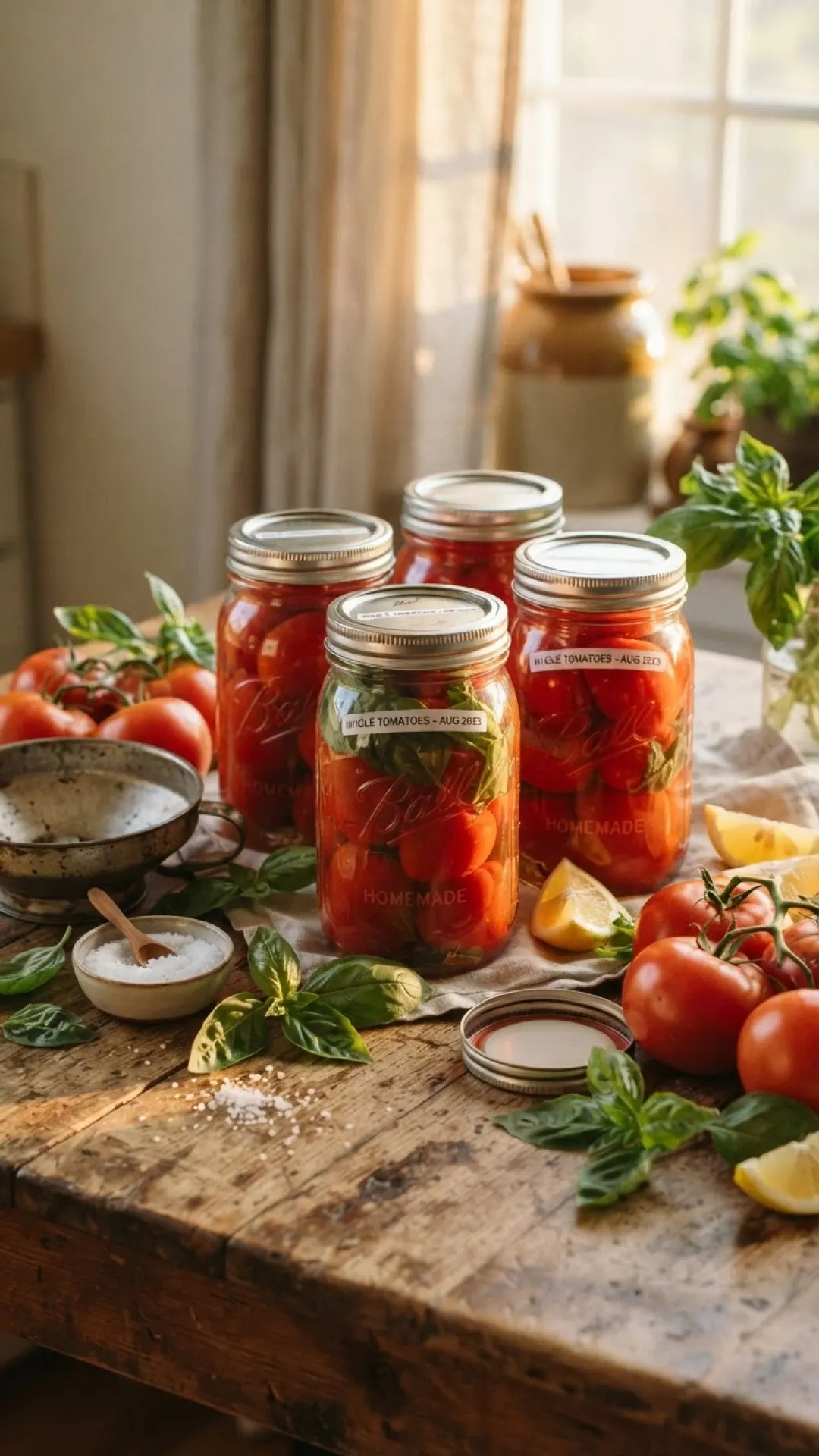
Step-by-Step Guide with Pro Tips
Embark on your journey to preserving summer's bounty with these detailed steps for canning tomatoes recipes:
Preparation is Key
Step 1: Gather all your equipment: canning jars, lids, rings, a large stockpot for blanching, another large pot for cooking tomatoes, a water bath canner, jar lifter, funnel, and a clean damp cloth. Sterilize your jars by washing them thoroughly in hot soapy water, rinsing, and then placing them in a boiling water canner for 10 minutes or in an oven at 225°F (107°C) for 20 minutes. Keep them hot until ready to fill. Lids do not need to be sterilized, but should be heated in simmering water (not boiling) as per manufacturer's instructions.
Tomato Treatment
Step 2: Wash tomatoes thoroughly. Score a small 'X' on the bottom of each tomato. Bring a large pot of water to a rolling boil. Carefully lower tomatoes into the boiling water for 30-60 seconds, or until the skins start to crack. Immediately transfer them to an ice bath to stop the cooking process. This makes peeling incredibly easy.
Step 3: Once cooled, peel the skins off the tomatoes. Core them (remove the hard stem end) and chop them into desired pieces. For a smoother sauce, you can remove seeds, but it's optional. You're now well on your way to amazing canning tomatoes recipes!
Cooking and Acidifying
Step 4: Place the chopped tomatoes into a large, heavy-bottomed pot. Bring to a boil over medium-high heat, then reduce heat and simmer gently, stirring occasionally, for 15-20 minutes for crushed or diced tomatoes, or longer for a thicker sauce (up to 45-60 minutes). Add salt to taste during this simmering phase. If you're making a dedicated sauce, feel free to add herbs like basil or oregano here, but for basic canned tomatoes, keep it simple.
Step 5: Add the acidifier to each hot, sterile jar BEFORE filling with tomatoes. For pint jars, use 1/4 teaspoon of citric acid or 1 tablespoon of bottled lemon juice. For quart jars, use 1/2 teaspoon of citric acid or 2 tablespoons of bottled lemon juice. This is a critical step for safe canning tomatoes recipes.
Filling and Sealing
Step 6: Carefully ladle the hot tomato mixture into the prepared jars, leaving 1/2 inch of headspace (the space between the food and the rim of the jar). Remove any air bubbles by gently running a non-metallic utensil (like a plastic spatula) along the inside of the jar. Wipe the rims of the jars with a clean, damp cloth to ensure a good seal. Center the hot lids on the jars and apply the rings, tightening them to fingertip-tight (just until you feel resistance, then a slight snug). Do not overtighten.
Processing
Step 7: Place the filled, sealed jars into a boiling water canner, ensuring they are fully submerged by at least 1 inch of water. Bring the water to a rolling boil. Process pint jars for 35 minutes and quart jars for 45 minutes, adjusting for altitude as necessary (add 5 minutes for every 1000 feet above sea level). After processing, turn off the heat, remove the canner lid, and let the jars sit in the hot water for 5 minutes before carefully removing them with a jar lifter.
Step 8: Place the hot jars on a wire rack or towel-lined surface, ensuring they are not touching, and allow them to cool undisturbed for 12-24 hours. You'll hear the satisfying 'pop' as the lids seal. After cooling, check seals by pressing the center of the lid; it should not flex. If a lid does not seal, refrigerate and use within a week, or reprocess with a new lid. Store properly sealed jars in a cool, dark place for up to 18 months. These canning tomatoes recipes are worth the effort!
Variations & Serving Suggestions
Once you've mastered the basic canning tomatoes recipes, the possibilities are endless!
- Herbed Tomatoes: Add a sprig of fresh basil or a teaspoon of dried Italian herbs to each jar before filling.
- Spicy Tomatoes: Tuck a dried chili pepper or a pinch of red pepper flakes into each jar for a kick.
- Roasted Tomatoes: For an intensely flavored product, roast your tomatoes with a drizzle of olive oil, salt, and pepper before proceeding with the canning steps.
- Uses: These home-canned beauties are perfect for a classic marinara, a hearty stuffed peppers recipe, or as the base for a rich soup. Don't forget them for your next batch of sausage and peppers recipe. You can even use them to make a quick bruschetta topping or a vibrant shakshuka. Their robust flavor elevates any dish, making these canning tomatoes recipes incredibly versatile.
- Storage Tip: Once opened, transfer any unused canned tomatoes to an airtight container, like these Basics Glass Food Storage containers, and refrigerate for up to a week.
Nutrition Information
| Nutrient | Amount (per serving) |
|---|---|
| Calories | 25 kcal |
| Carbohydrates | 5 g |
| Cholesterol | 0 mg |
| Fat | 0 g |
| Fiber | 1.5 g |
| Protein | 1 g |
| Saturated Fat | 0 g |
| Sodium | 15 mg |
| Sugar | 3 g |
| Trans Fat | 0 g |
| Unsaturated Fat | 0 g |
Conclusion
Canning tomatoes recipes are more than just a way to preserve food; they're a connection to tradition, a testament to self-sufficiency, and a celebration of flavor. The effort you put in during the summer will reward you with unparalleled taste throughout the year. Imagine the depth and brightness these homemade canned tomatoes will bring to your winter meals. So, embrace the art of canning, fill your pantry with this liquid gold, and enjoy the delicious dividends of your labor. Happy canning!
FAQs
What type of tomatoes are best for canning?
For canning, paste tomatoes like Roma or San Marzano are ideal. They have thicker flesh, fewer seeds, and less water content, resulting in a richer, more concentrated product perfect for sauces and stews. They hold up better during the cooking and canning process than juicier slicing tomatoes, making them perfect for canning tomatoes recipes.
Why do I need to add acid to tomatoes when canning?
Adding an acidifier like citric acid or bottled lemon juice is crucial for food safety when canning tomatoes. Tomatoes' natural acidity can vary, and if the pH is not low enough (below 4.6), it creates an environment where Clostridium botulinum, a dangerous bacteria, can grow. The added acid ensures a safe pH level, which is a mandatory step in all modern canning tomatoes recipes.
Can I use fresh lemon juice instead of bottled lemon juice for canning tomatoes?
No, it's highly recommended to use bottled lemon juice for canning. The acidity of fresh lemons can vary significantly, making it unreliable for ensuring the necessary pH level for safe canning. Bottled lemon juice has a standardized acidity, providing a consistent and safe acidifying agent for canning tomatoes recipes.
How do I know if my canned tomatoes are properly sealed?
After cooling for 12-24 hours, check the seals by pressing the center of the lid. A properly sealed lid will be concave (curved inward) and will not flex or pop up when pressed. If a lid does not seal, refrigerate the jar and use its contents within a week, or reprocess with a new lid following all steps carefully. This step is vital for the longevity of your canning tomatoes recipes.
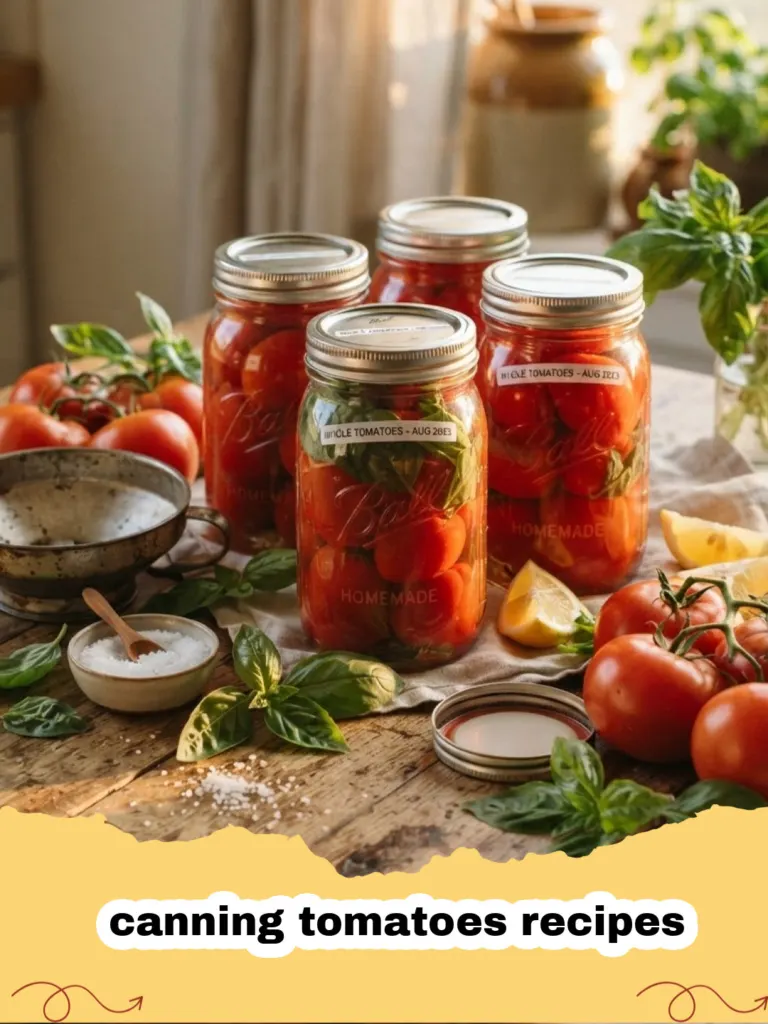
Homemade Canned Crushed Tomatoes
Preserve the vibrant taste of summer with this essential guide to canning tomatoes. Perfect for rich sauces, stews, and all your winter cooking needs, this recipe ensures fresh flavor all year long. Mastering canning tomatoes recipes will transform your pantry.
- Total Time: 2 hours 30 minutes
- Yield: Approx. 7-8 Quart Jars
Ingredients
25-30 lbs ripe paste tomatoes (e.g., Roma, San Marzano)
Canning or pickling salt (optional, to taste)
Citric acid OR bottled lemon juice
Sterilized canning jars (pint or quart size)
New canning lids and rings
Instructions
Step 1: Prepare your canning equipment. Wash jars, lids, and rings thoroughly. Sterilize jars by submerging them in boiling water for 10 minutes or heating in an oven at 225°F (107°C) for 20 minutes. Keep jars hot until filling. Heat lids in simmering (not boiling) water as per manufacturer's instructions.
Step 2: Wash tomatoes well. Score a small 'X' on the bottom of each tomato. Bring a large pot of water to a rolling boil. Carefully blanch tomatoes for 30-60 seconds until skins crack. Immediately transfer to an ice bath to cool.
Step 3: Once cool enough to handle, peel the skins off the tomatoes. Core them (remove the stem end) and chop them into desired pieces. For a smoother product, you can remove seeds if preferred.
Step 4: Place the chopped tomatoes in a large, heavy-bottomed pot. Bring to a boil over medium-high heat, then reduce heat and simmer gently for 15-20 minutes for crushed tomatoes, or longer (up to 45-60 minutes) for a thicker sauce. Add canning salt to taste during simmering.
Step 5: Add the acidifier to each hot, sterile jar before filling. Use 1/4 teaspoon citric acid or 1 tablespoon bottled lemon juice for pint jars. Use 1/2 teaspoon citric acid or 2 tablespoons bottled lemon juice for quart jars.
Step 6: Carefully ladle the hot tomato mixture into the prepared jars, leaving 1/2 inch of headspace. Remove air bubbles by running a non-metallic utensil around the inside of the jar. Wipe jar rims clean with a damp cloth. Center hot lids on jars and apply rings, tightening to fingertip-tight.
Step 7: Place filled jars into a boiling water canner, ensuring they are covered by at least 1 inch of water. Bring water to a rolling boil. Process pint jars for 35 minutes and quart jars for 45 minutes. Adjust processing time for altitude if necessary (add 5 minutes for every 1000 feet above sea level).
Step 8: After processing, turn off heat, remove canner lid, and let jars sit in hot water for 5 minutes. Carefully remove jars with a jar lifter and place them on a wire rack or towel-lined surface to cool undisturbed for 12-24 hours. Check seals; lids should be concave and not flex when pressed. Unsealed jars must be refrigerated and used within a week or reprocessed. Store sealed jars in a cool, dark place.
Notes
Always use a reliable canning guide or extension office resources for the latest safety recommendations. Botulism is a serious risk if proper canning procedures, especially acidification and processing times, are not followed correctly. Never skip the acidifying step for canning tomatoes recipes.
- Prep Time: 1 hour 30 minutes
- Cook Time: 1 hour
- Category: Main Dishes & Savory Recipes
- Cuisine: American
Nutrition
- Serving Size: 1/2 cup (approx. 120g)
- Calories: 25 kcal
- Sugar: 3 g
- Sodium: 15 mg
- Fat: 0 g
- Saturated Fat: 0 g
- Unsaturated Fat: 0 g
- Trans Fat: 0 g
- Carbohydrates: 5 g
- Fiber: 1.5 g
- Protein: 1 g
- Cholesterol: 0 mg