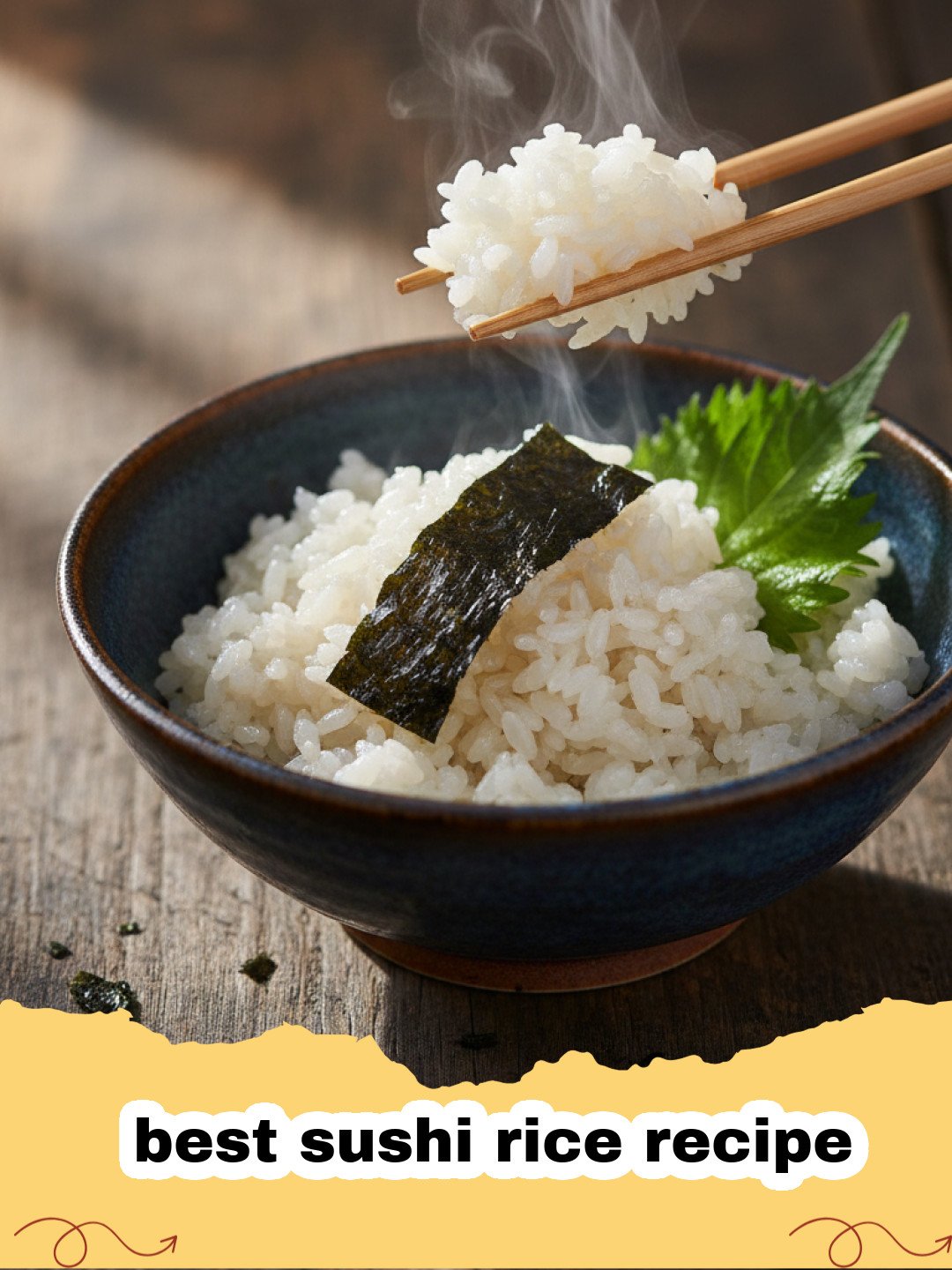
Ah, the magic of sushi! For years, my Friday nights often involved a trip to our favorite local Japanese spot. The anticipation of that perfectly rolled maki, the melt-in-your-mouth nigiri, and the comforting warmth of a miso soup was a ritual. But there was always one element that truly made or broke the experience for me: the rice. That perfectly seasoned, slightly sticky, yet distinct grain of rice that cradles the fish and vegetables with such elegance. I remember one evening, after a particularly uninspiring takeout experience where the rice was bland and mushy, I decided enough was enough. I was going to master the best sushi rice recipe myself.
My kitchen became a rice-cooking laboratory. I tried countless ratios, different types of rice vinegar, and experimented with every cooling method imaginable. There were some epic fails, trust me – sticky clumps, bland grains, and even some that were suspiciously crunchy. My family, bless their hearts, endured these culinary experiments with varying degrees of enthusiasm. But through persistence, research, and a lot of taste-testing, I finally cracked the code. The moment I made a batch of rice that tasted exactly like the perfectly balanced, slightly sweet, slightly tangy rice from my favorite sushi chef, I knew I had it. This isn't just a recipe; it's the culmination of a journey to bring authentic sushi flavors right into your home. If you've ever dreamt of making your own sushi, poke bowls, or even just side dishes that sing with flavor, then this best sushi rice recipe is your golden ticket.
Why This Recipe is a Must-Try
- Achieve Restaurant-Quality Texture: Forget mushy or too-firm rice. This best sushi rice recipe delivers perfectly separate, yet sticky grains, ideal for rolling and shaping.
- Authentic Flavor Profile: The precise balance of vinegar, sugar, and salt creates that signature sweet and tangy sushi rice taste that is utterly addictive.
- Versatility Beyond Sushi: While perfect for traditional sushi, this rice also shines in poke bowls, chirashi bowls, or even as a flavorful side dish for grilled fish or chicken.
- Detailed Pro Tips for Success: We've included all the little secrets, from proper rinsing to ideal cooling techniques, ensuring your first attempt is a resounding success.
Key Ingredient Notes
While making the best sushi rice recipe might seem simple, a few key ingredients are non-negotiable for achieving that authentic taste and texture.
Japanese Short-Grain Rice
This is the star of the show. Do NOT substitute with long-grain or medium-grain rice. Japanese short-grain rice (often labeled 'sushi rice') has a higher starch content, which gives it that desirable sticky, plump texture when cooked. Brands like Nishiki, Kokuho Rose, or Tamanishiki are excellent choices. Rinsing this rice thoroughly is crucial to remove excess starch, which prevents mushiness and allows for individual grains to be discernible while still clinging together.
Rice Vinegar
Not just any vinegar will do! Japanese rice vinegar is milder and sweeter than other vinegars like white or apple cider vinegar. It provides the essential tang and helps preserve the rice slightly. Look for 'seasoned rice vinegar' for an even easier approach, but if you have plain rice vinegar, we'll season it ourselves in this best sushi rice recipe. The seasoning mixture (often called 'sushi-zu') is what truly transforms plain rice into sushi rice.
Sugar and Salt
These two humble ingredients, when combined with rice vinegar, create the magical 'sushi-zu'. The sugar balances the acidity of the vinegar and adds a subtle sweetness, while the salt enhances all the flavors. The precise ratio is key, so don't be tempted to eyeball it. This balance is what gives the best sushi rice recipe its distinctive and irresistible flavor.
Step-by-Step Guide with Pro Tips
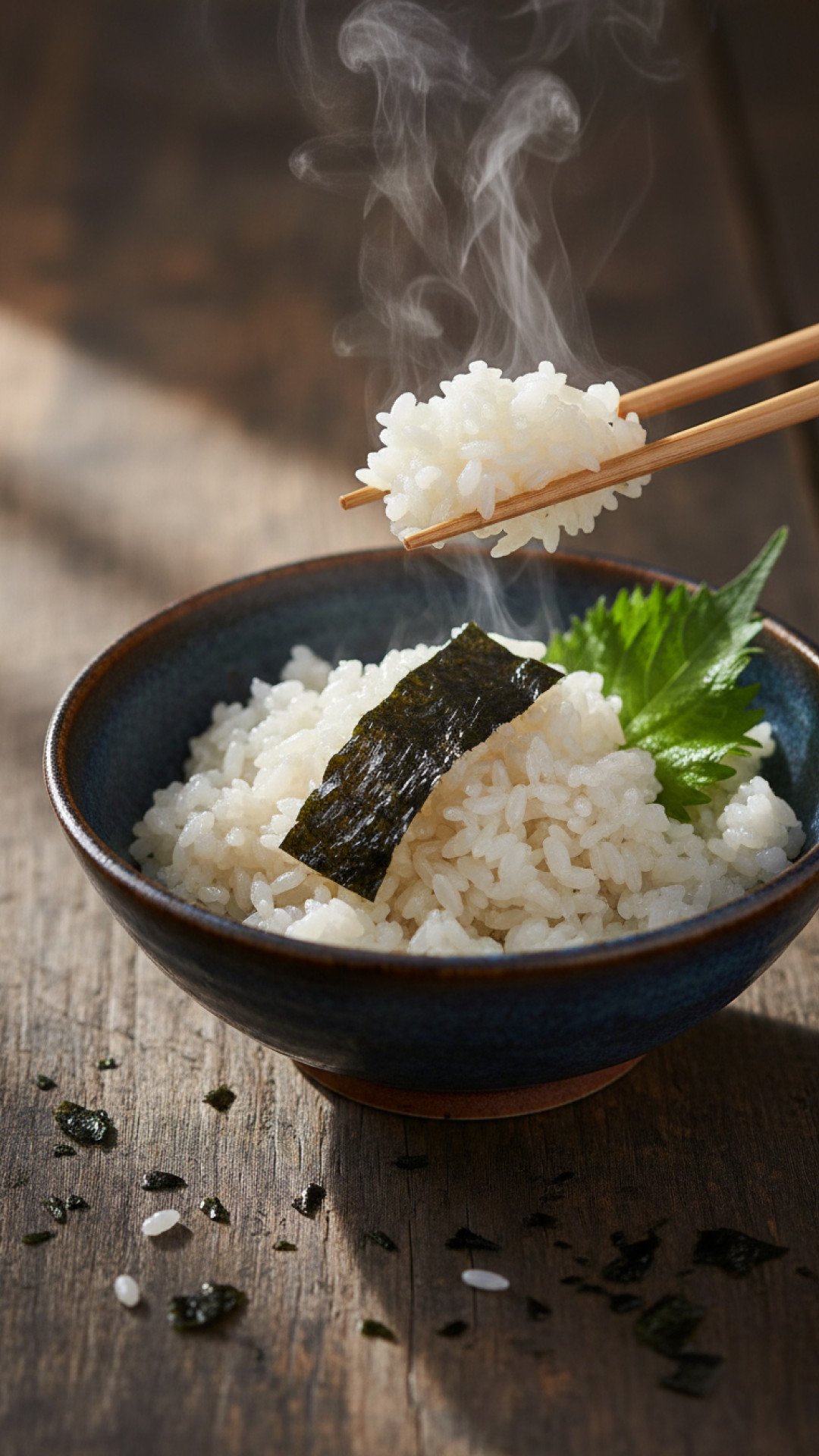
Mastering the best sushi rice recipe is all about precision and patience. Follow these steps for perfect results every time.
- Step 1: Rinse the Rice Thoroughly. Place 2 cups of Japanese short-grain rice in a fine-mesh sieve or a large bowl. Rinse under cold running water, swirling the rice gently with your hand, until the water runs mostly clear. This usually takes 5-7 changes of water. This step is crucial for achieving distinct, yet sticky, grains and is a secret to the best sushi rice recipe. Drain well.
- Step 2: Soak the Rice. Transfer the rinsed rice to a heavy-bottomed pot with a tight-fitting lid. Add 2¼ cups of cold water. Let the rice soak for at least 30 minutes, or up to an hour. This allows the rice to absorb water evenly, leading to more uniformly cooked grains.
- Step 3: Cook the Rice. Bring the rice and water to a boil over medium-high heat. Once boiling, reduce the heat to the lowest setting, cover the pot tightly, and simmer for 13-15 minutes. Do NOT lift the lid during this time! After 13-15 minutes, remove the pot from the heat and let it rest, still covered, for another 10 minutes. This allows the rice to steam and absorb any remaining moisture.
- Step 4: Prepare the Sushi-zu (Seasoning). While the rice is resting, combine ¼ cup rice vinegar, 2 tablespoons sugar, and 1 teaspoon salt in a small saucepan. Heat gently over low heat, stirring until the sugar and salt are completely dissolved. Do not boil. Remove from heat and let cool slightly.
- Step 5: Season the Rice. Transfer the cooked rice to a large, wide, non-metallic bowl or a traditional Japanese hangiri (wooden sushi rice tub). If using a metal bowl, ensure it's stainless steel as aluminum can react with the vinegar. Gradually pour the prepared sushi-zu over the hot rice, using a cutting motion with a flat, non-metallic spatula or wooden spoon. Avoid mashing the rice. The goal is to evenly coat each grain without breaking it. This is a vital step for the best sushi rice recipe's flavor.
- Step 6: Cool and Fan the Rice. Continue to gently fold and spread the rice, fanning it simultaneously (a hand fan, a piece of cardboard, or even a small desk fan works wonders). Fanning helps cool the rice quickly, evaporating excess moisture and giving it a beautiful sheen. Continue fanning and folding until the rice reaches body temperature (around 98-100°F / 37-38°C). This process can take 10-15 minutes.
- Step 7: Cover and Rest. Once cooled, cover the rice with a damp cloth or plastic wrap to prevent it from drying out. Use it within a few hours for the best results. Leftover rice can be stored in an airtight container in the refrigerator, but it's best enjoyed fresh. For storing, I highly recommend using Basics Glass Food Storage containers to keep it fresh and prevent odors.
Variations & Serving Suggestions
This best sushi rice recipe is incredibly versatile once you've mastered it. Here are some ideas to inspire your culinary adventures:
- Classic Sushi Rolls (Maki): Spread a thin layer of rice on nori (seaweed sheets), add your favorite fillings like cucumber, avocado, fresh fish, or imitation crab, and roll tightly.
- Nigiri: Gently form small, oblong mounds of rice and top with a slice of fresh fish (like salmon or tuna) or cooked shrimp. A tiny dab of wasabi can be placed between the rice and topping.
- Chirashi Bowls: Arrange the seasoned rice in a bowl and top with an assortment of sashimi, colorful vegetables, and garnishes like avocado, edamame, and pickled ginger.
- Poke Bowls: A fantastic way to use this rice! Layer with marinated raw fish (tuna or salmon), fresh vegetables, and a delicious sauce. If you're looking for other refreshing bowl ideas, you might enjoy our Ultimate Zesty Summer Pasta Salad.
- Onigiri (Rice Balls): Form the rice into triangles or spheres, often with a filling in the center (like pickled plum, salmon, or tuna mayo), and wrap with a small strip of nori.
- Side Dish: Simply serve this flavorful rice alongside grilled chicken, pan-seared fish, or stir-fries for an elevated weeknight meal. It's truly an upgrade from plain steamed rice! While you're exploring unique flavors, why not try our Absolute Best Rhubarb Crumble for a delightful dessert?
Nutrition Information
| Nutrient | Amount Per Serving |
|---|---|
| Calories | 210 kcal |
| Carbohydrates | 45 g |
| Cholesterol | 0 mg |
| Fat | 0.5 g |
| Fiber | 1 g |
| Protein | 4 g |
| Saturated Fat | 0 g |
| Sodium | 250 mg |
| Sugar | 6 g |
| Trans Fat | 0 g |
| Unsaturated Fat | 0.5 g |
*Nutrition information is an estimate based on ingredients and preparation, and may vary.
Conclusion
There you have it – the definitive guide to making the best sushi rice recipe right in your own kitchen! What started as a simple desire for better homemade sushi blossomed into a genuine appreciation for the subtle art of Japanese cooking. With a little practice, you'll be creating rice that's perfectly sticky, shiny, and seasoned to perfection. This best sushi rice recipe isn't just about cooking; it's about bringing a piece of culinary art to your table and sharing delicious, authentic flavors with your loved ones. So grab your rice, your vinegar, and get ready to impress! Happy rolling!
FAQs
What type of rice is best for sushi?
Japanese short-grain white rice, often labeled 'sushi rice,' is essential for making the best sushi rice recipe. Its higher starch content allows it to become sticky and hold together without being mushy, which is perfect for rolling sushi.
How do I prevent my sushi rice from becoming mushy?
To prevent mushy sushi rice, thoroughly rinse the rice under cold running water until the water runs clear. This removes excess surface starch. Also, adhere to the correct water-to-rice ratio and avoid lifting the lid during cooking and resting times.
Can I make sushi rice in a rice cooker?
Yes, you can absolutely make the best sushi rice recipe in a rice cooker! Follow the same steps for rinsing and soaking, then use your rice cooker's 'white rice' setting. Once cooked, transfer to a wide bowl and proceed with the seasoning and fanning steps.
How long does seasoned sushi rice last?
Seasoned sushi rice is best used within a few hours of preparation at room temperature for optimal texture and safety, especially if used with raw fish. If stored promptly in an airtight container in the refrigerator, it can last for up to 1-2 days, but it will lose some of its desirable texture upon chilling.
The Best Sushi Rice Recipe
Master the art of making perfectly seasoned, restaurant-quality sushi rice at home with this authentic and easy-to-follow recipe. Ideal for sushi rolls, nigiri, and poke bowls.
- Total Time: 1 hour 40 minutes
- Yield: 4 cups (serves 4-6) 1x
Ingredients
2 cups Japanese short-grain rice (sushi rice)
2¼ cups cold water (plus more for rinsing)
¼ cup unseasoned rice vinegar
2 tablespoons granulated sugar
1 teaspoon sea salt
Instructions
Step 1: Rinse the rice thoroughly. Place rice in a fine-mesh sieve or large bowl and rinse under cold running water, swirling with your hand, until the water runs mostly clear (5-7 changes). Drain well.
Step 2: Soak the rice. Transfer the rinsed rice to a heavy-bottomed pot with a tight-fitting lid. Add 2¼ cups cold water. Let soak for at least 30 minutes, up to 1 hour.
Step 3: Cook the rice. Bring rice and water to a boil over medium-high heat. Once boiling, reduce heat to the lowest setting, cover tightly, and simmer for 13-15 minutes. Do not lift the lid. Remove from heat and let rest, still covered, for 10 minutes.
Step 4: Prepare the sushi-zu (seasoning). While rice rests, combine ¼ cup rice vinegar, 2 tablespoons sugar, and 1 teaspoon salt in a small saucepan. Heat gently over low heat, stirring until sugar and salt are completely dissolved. Do not boil. Remove from heat and let cool slightly.
Step 5: Season the rice. Transfer cooked rice to a large, wide, non-metallic bowl (like glass or wooden hangiri). Gradually pour the cooled sushi-zu over the hot rice, using a cutting motion with a flat, non-metallic spatula or wooden spoon. Gently fold to evenly coat each grain without mashing.
Step 6: Cool and fan the rice. Continue to gently fold and spread the rice while fanning it simultaneously (with a hand fan or small desk fan). Fan until the rice cools to body temperature (around 98-100°F / 37-38°C) and develops a beautiful sheen. This takes 10-15 minutes.
Step 7: Cover and rest. Once cooled, cover the rice with a damp cloth or plastic wrap to prevent drying out. Use within a few hours for best results.
Notes
For the best results, use a heavy-bottomed pot that holds heat well. A hangiri (wooden sushi rice tub) is ideal for cooling and seasoning, but a large glass or ceramic bowl works perfectly fine. Always use fresh ingredients for the best flavor.
- Prep Time: 1 hour 15 minutes
- Cook Time: 25 minutes
- Category: Main Dishes & Savory Recipes
- Cuisine: Japanese
Nutrition
- Serving Size: 0.75 cup (130g)
- Calories: 210 kcal
- Sugar: 6 g
- Sodium: 250 mg
- Fat: 0.5 g
- Saturated Fat: 0 g
- Unsaturated Fat: 0.5 g
- Trans Fat: 0 g
- Carbohydrates: 45 g
- Fiber: 1 g
- Protein: 4 g
- Cholesterol: 0 mg