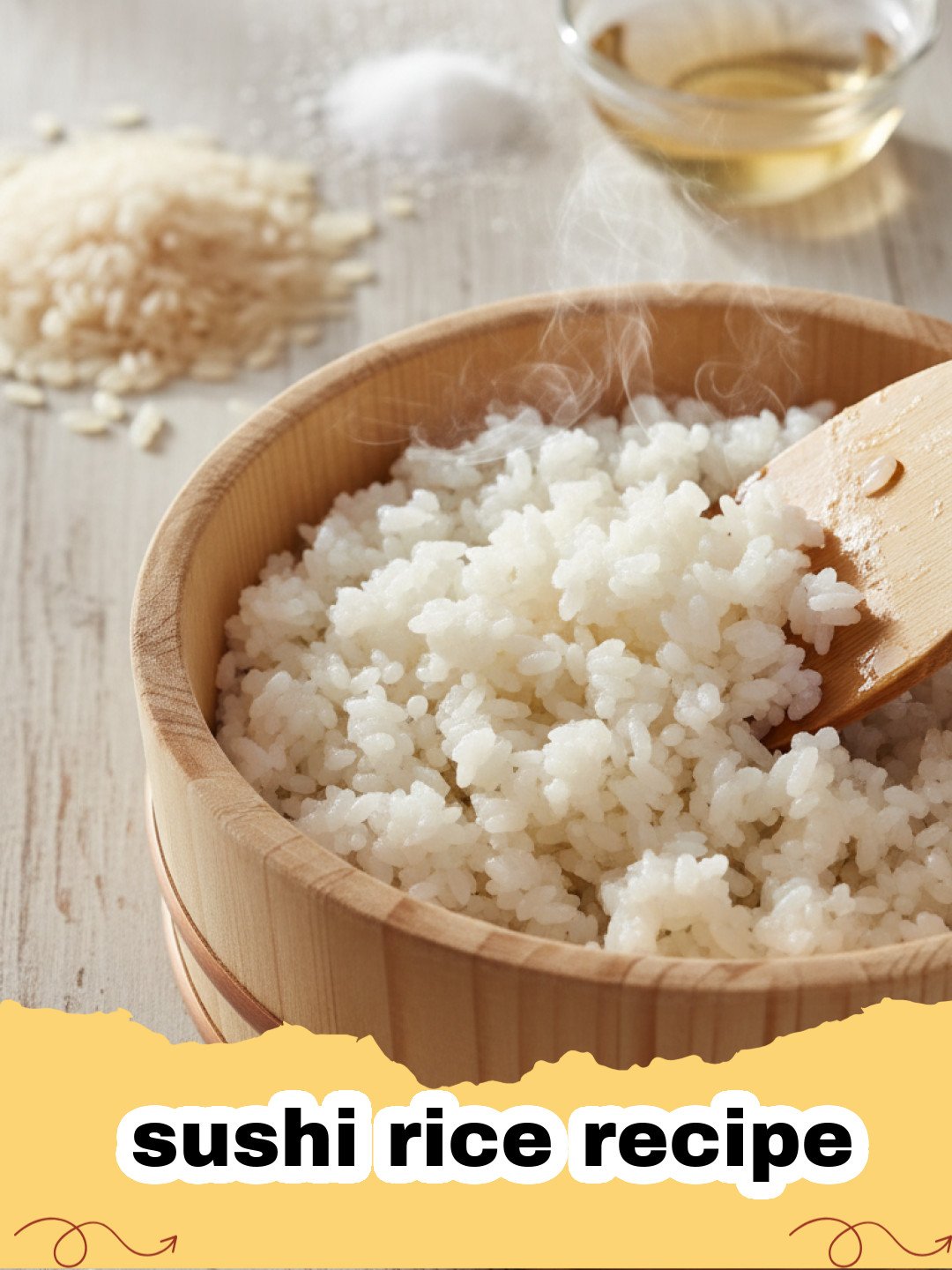
There’s a comfort that comes with recreating beloved restaurant dishes in your own kitchen, and for me, that journey often started with the deceptively simple foundation of many Japanese meals: perfect sushi rice. I remember my first attempts at making a proper sushi rice recipe. It was a disaster. The rice was either a sticky, mushy mess or an unyielding, grainy disappointment. My sushi rolls would fall apart, my poke bowls lacked that authentic chew, and I’d end up ordering takeout, feeling defeated. But I was determined! I poured over cookbooks, watched countless videos, and experimented with different rice-to-water ratios, cooking times, and seasoning blends. It took time, patience, and a few more sticky mishaps, but eventually, I cracked the code. This isn’t just a sushi rice recipe; it’s the culmination of years of trial and error, designed to empower you to create restaurant-quality sushi rice right in your own home. Get ready to elevate your homemade sushi, poke bowls, and chirashi to a whole new level!
Why This Sushi Rice Recipe is a Must-Try
- Authentic Flavor and Texture: This sushi rice recipe delivers that perfect balance of slightly sweet, tangy, and subtly salty, with a fluffy yet slightly sticky texture essential for all your sushi creations.
- Simple, Step-by-Step Instructions: Even if you’re a beginner, our clear, concise steps will guide you to success, making this the best sushi rice recipe for home cooks.
- Versatile for Many Dishes: Beyond just sushi, this rice is fantastic for poke bowls, chirashi, or as a side dish to grilled fish or chicken, showcasing the versatility of a good sushi rice recipe.
- Cost-Effective: Making your own sushi rice at home is significantly cheaper than buying pre-made sushi, allowing you to enjoy your favorite Japanese dishes more often.
Key Ingredient Notes
While the overall process for this sushi rice recipe seems straightforward, the quality of your ingredients makes all the difference.
Short-Grain Japanese Rice
This is non-negotiable for an authentic sushi rice recipe. Look for varieties labeled as 'sushi rice' or 'Calrose rice' (a common short-grain variety). Short-grain rice has a higher starch content which gives it that desired stickiness when cooked, crucial for holding sushi rolls together. Do not substitute with long-grain or medium-grain rice; they simply won't achieve the right texture for this sushi rice recipe.
Rice Vinegar
Specifically, unseasoned rice vinegar is preferred for the dressing in this sushi rice recipe. Seasoned rice vinegar often contains added sugar and salt, which can make it harder to control the final flavor profile. By using unseasoned vinegar, you can precisely balance the sweetness and saltiness to your liking. This is key to a balanced sushi rice recipe.
Sugar and Salt
These humble ingredients are vital for creating the signature sweet and tangy flavor of sushi rice. Fine sugar dissolves more easily, but granulated sugar works just fine. Use a good quality fine sea salt or table salt. The combination with rice vinegar creates the perfect 'sushi-zu' (sushi vinegar seasoning) for this sushi rice recipe.
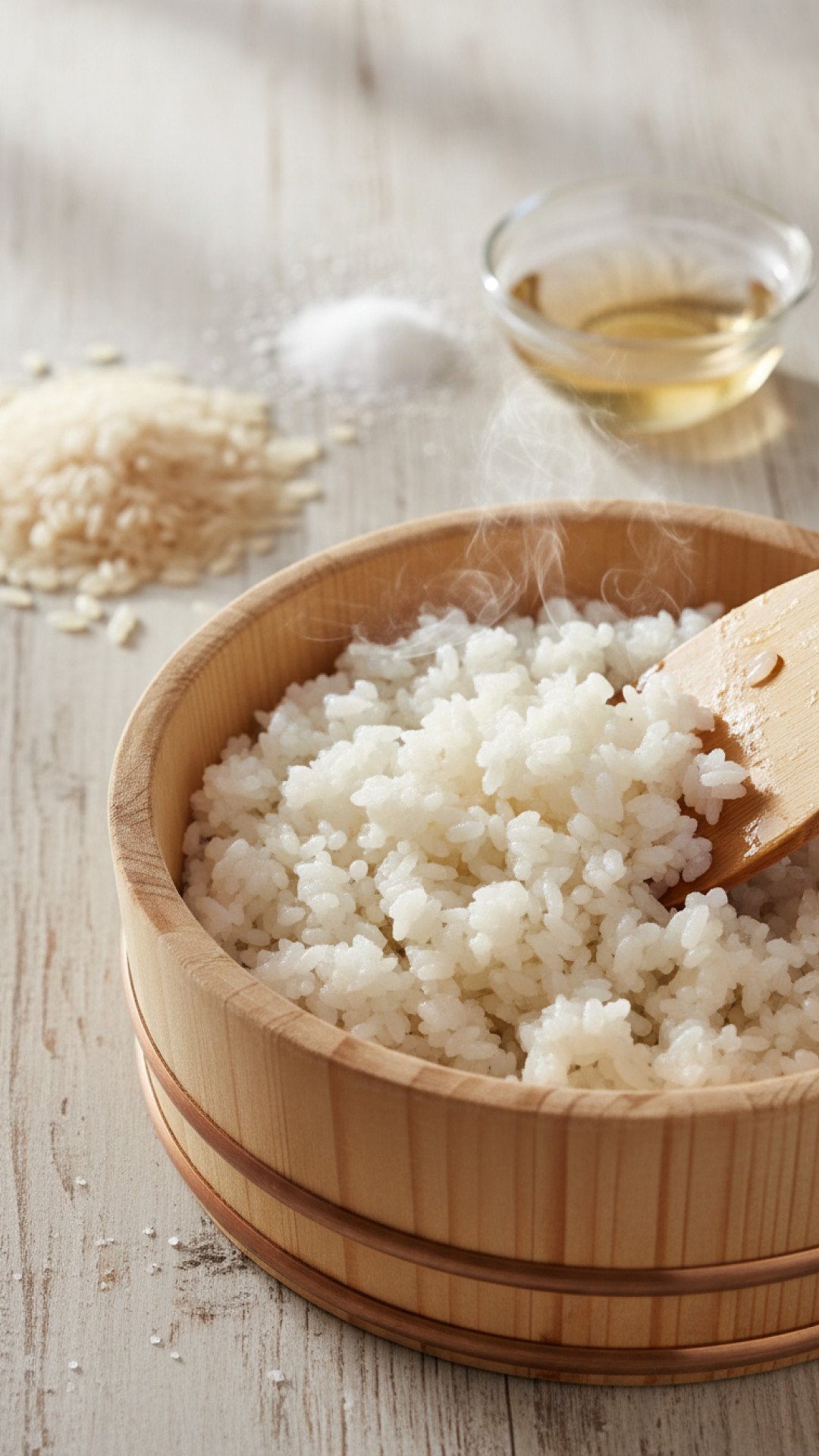
Step-by-Step Guide with Pro Tips
Follow this detailed guide to achieve perfect sushi rice every time. This sushi rice recipe focuses on precision and technique.
Variations & Serving Suggestions
Once you’ve mastered this basic sushi rice recipe, the possibilities are endless! Here are some ideas:
- Nigiri and Sashimi: The most classic use! Form small, oval mounds for nigiri, topping with your favorite fish or vegetables.
- Maki Rolls: Spread the rice on nori sheets for delicious maki. For inspiration, check out how to make delicious fillings in our Art of the Perfect Spring Roll post – many principles apply!
- Chirashi Bowl: A beautiful and easy way to enjoy sushi rice. Simply layer the rice in a bowl and top with assorted sashimi, avocado, cucumber, and a sprinkle of sesame seeds.
- Poke Bowls: A fantastic base for fresh poke bowls. Add marinated raw fish (like tuna or salmon), edamame, corn, seaweed salad, and a drizzle of spicy mayo.
- Onigiri (Rice Balls): Form the cooled rice into triangles or spheres, often with a savory filling inside (like umeboshi, tuna mayo, or grilled salmon), and wrap with a small piece of nori. For more ideas on using rice paper, which can be a fun alternative for wrapping, see our Beyond the Wrap: Exploring Delicious & Versatile Rice Paper Recipes.
- Leftover Rice: If you have any leftover sushi rice, it's excellent for fried rice the next day, though it will lose some of its signature stickiness. You can also store it in an airtight container for up to 2 days in the fridge. Glass food storage containers work wonderfully for this, keeping the rice fresh and preventing odors from lingering in your fridge. Consider using a Basics Glass Food Storage set for convenient storage.
Nutrition Information
| Nutrient | Amount per serving |
|---|---|
| Calories | 210 kcal |
| Carbohydrates | 45g |
| Cholesterol | 0mg |
| Fat | 0.5g |
| Fiber | 1g |
| Protein | 4g |
| Saturated Fat | 0g |
| Serving Size | 1/2 cup cooked |
| Sodium | 250mg |
| Sugar | 6g |
| Trans Fat | 0g |
| Unsaturated Fat | 0.5g |
Conclusion
There you have it – the ultimate guide to making perfect sushi rice at home! This isn't just about cooking a dish; it's about mastering a fundamental skill that opens up a world of culinary possibilities. No more sticky, bland rice for your homemade sushi; with this sushi rice recipe, you'll achieve that irresistible sweet, tangy, and perfectly textured base every single time. So gather your ingredients, follow these steps, and get ready to impress yourself and your loved ones with your newfound sushi rice prowess. Happy cooking!
FAQs
What kind of rice should I use for a sushi rice recipe?
For an authentic sushi rice recipe, you must use short-grain Japanese rice, often labeled as 'sushi rice' or sometimes 'Calrose rice'. This type of rice has the right starch content to become sticky yet fluffy, which is essential for sushi.
How important is rinsing the rice in a sushi rice recipe?
Rinsing the rice is very important in a sushi rice recipe. It removes excess starch from the surface of the grains, which prevents the rice from becoming overly sticky or mushy during cooking, resulting in a cleaner flavor and better texture.
Can I use seasoned rice vinegar for my sushi rice recipe?
While you can, it's generally recommended to use unseasoned rice vinegar for this sushi rice recipe. Seasoned rice vinegar already contains sugar and salt, making it harder to control the final flavor balance of your sushi-zu (vinegar dressing). Using unseasoned vinegar allows you to customize the sweetness and saltiness precisely.
How long can homemade sushi rice be stored?
Homemade sushi rice is best enjoyed fresh, ideally within a few hours of preparation. If absolutely necessary, you can keep it covered with a damp cloth at room temperature for up to 6 hours. For longer storage, refrigerate it in an airtight container for up to 2 days, though it may lose some of its optimal texture when reheated or served cold.
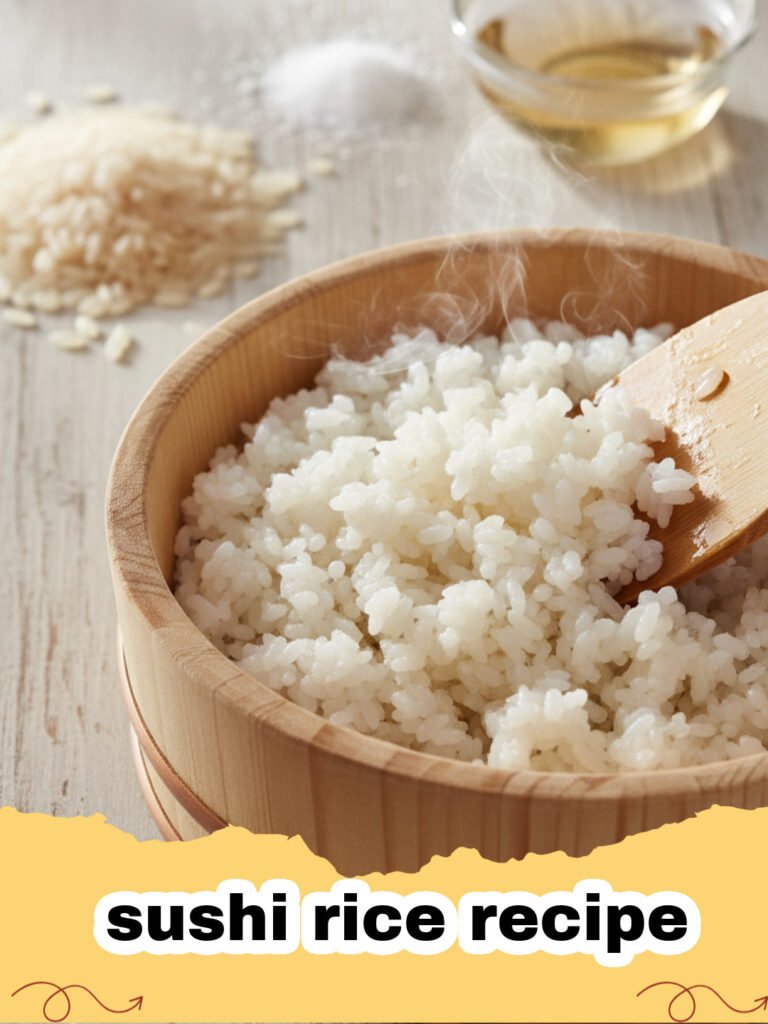
Perfect Homemade Sushi Rice
Master the art of creating fluffy, flavorful, and perfectly seasoned sushi rice at home with this comprehensive sushi rice recipe. Ideal for sushi rolls, poke bowls, and chirashi.
- Total Time: 50 minutes
- Yield: 4 servings (2 cups cooked rice) 1x
Ingredients
2 cups short-grain Japanese rice (sushi rice)
2.5 cups cold water
1/2 cup unseasoned rice vinegar
2 tablespoons granulated sugar
1 teaspoon salt
Instructions
Step 1: Rinse the rice: Place the short-grain Japanese rice in a fine-mesh sieve and rinse under cold running water. Use your hand to gently swirl the rice until the water runs mostly clear. This removes excess starch, which is crucial for achieving the perfect texture in your sushi rice recipe.
Step 2: Soak the rice: Transfer the rinsed rice to a medium-sized pot with a tight-fitting lid. Add 2.5 cups of cold water. Let the rice soak for at least 30 minutes. This helps the rice cook more evenly and prevents it from becoming mushy.
Step 3: Cook the rice: Bring the pot to a boil over medium-high heat. Once boiling, reduce the heat to the lowest setting, cover tightly, and simmer for 15 minutes. Do not lift the lid during this time, as it will release steam essential for cooking.
Step 4: Rest the rice: After 15 minutes, remove the pot from the heat and let it rest, still covered, for another 10 minutes. Again, resist the urge to peek! This resting period allows the steam to finish cooking the rice and redistribute moisture, ensuring a fluffy texture for your sushi rice recipe.
Step 5: Prepare the sushi-zu (vinegar dressing): While the rice is resting, combine the unseasoned rice vinegar, granulated sugar, and salt in a small saucepan. Heat over low heat, stirring constantly until the sugar and salt are fully dissolved. Do not boil. Remove from heat and let cool slightly.
Step 6: Season the rice: Transfer the cooked rice to a large, wide, non-metallic bowl or a traditional hangiri (wooden sushi rice bowl). Using a paddle or spatula, gently 'cut' through the rice at an angle to separate the grains, rather than stirring or mashing. This helps prevent the rice from becoming sticky and gummy, a common pitfall in many sushi rice recipe attempts.
Step 7: Add the sushi-zu: Gradually pour the prepared sushi-zu over the rice while continuing to gently 'cut' and fold. Aim for even distribution. You may not need all of the sushi-zu, depending on your preference and the rice's absorbency. Continue to fan the rice (with a traditional fan or a piece of cardboard) as you mix, which helps to cool it quickly and gives it a glossy finish. This fanning is a classic technique in any authentic sushi rice recipe.
Step 8: Cool the rice: Continue fanning and gently turning the rice until it reaches room temperature, or is slightly warm. It should be slightly sticky but still have individual grains visible. Cover the rice with a damp cloth to prevent it from drying out if not using immediately. Your perfect sushi rice recipe is now ready for use!
Notes
Always use a non-metallic bowl for mixing the rice with vinegar, as metal can react with the vinegar. For best results, use the sushi rice within a few hours of making it. If storing, cover tightly with a damp cloth and cling film, and keep at room temperature for up to 6 hours, or refrigerate for up to 2 days (though it will lose some optimal texture).
- Prep Time: 15 minutes
- Cook Time: 25 minutes
- Category: Main Dishes & Savory Recipes
- Cuisine: Japanese
Nutrition
- Serving Size: 1/2 cup cooked
- Calories: 210 kcal
- Sugar: 6g
- Sodium: 250mg
- Fat: 0.5g
- Saturated Fat: 0g
- Unsaturated Fat: 0.5g
- Trans Fat: 0g
- Carbohydrates: 45g
- Fiber: 1g
- Protein: 4g
- Cholesterol: 0mg