
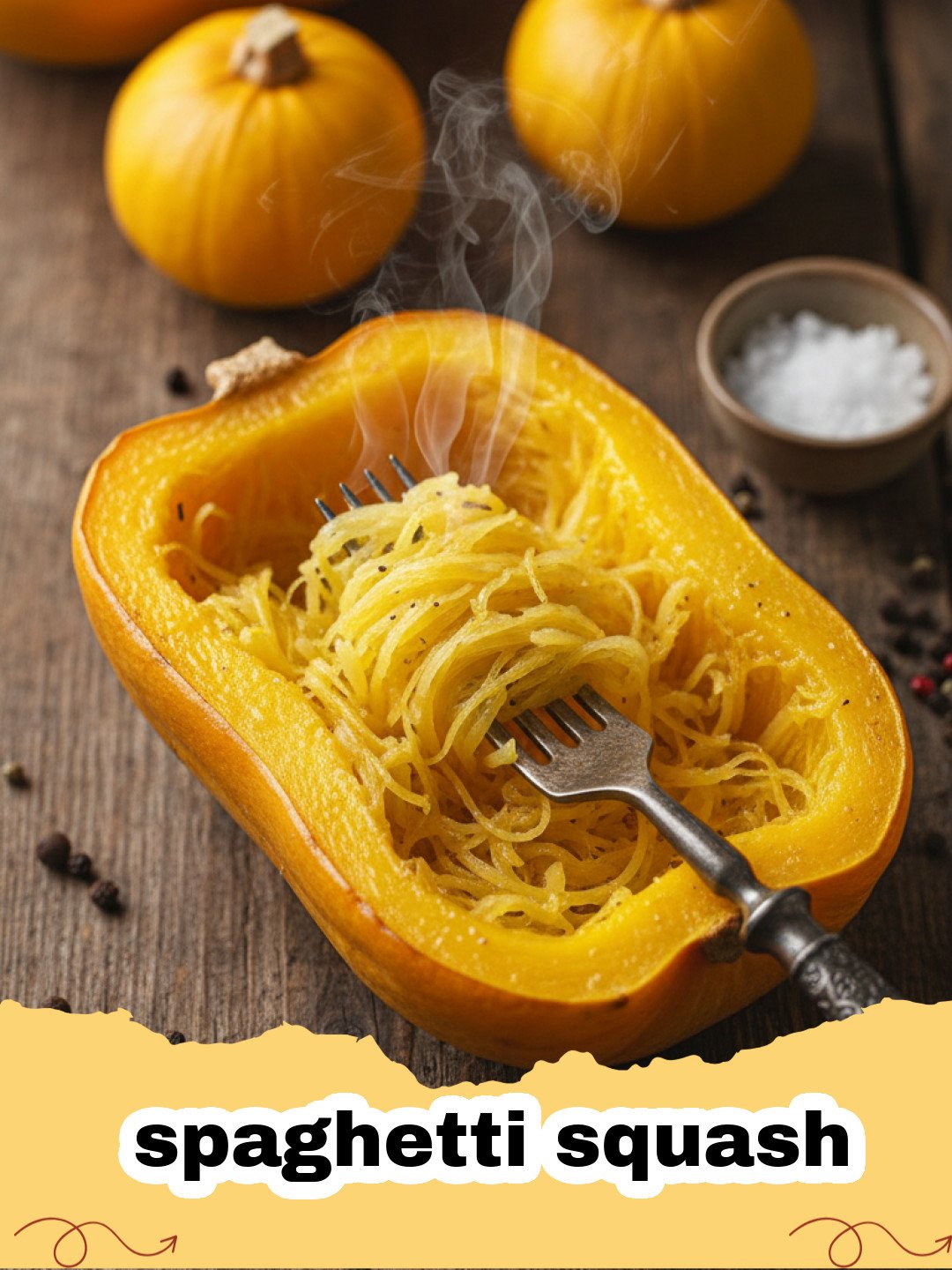
Whenever I find a beautiful spaghetti squash at the farmers' market, I am reminded of my first culinary adventure with this incredible vegetable. Years ago, I was looking for a gluten-free alternative to my favorite pasta dishes, and I stumbled upon this bright yellow gourd. At first, I was skeptical; how could a vegetable truly mimic the texture of noodles? My first attempt was, admittedly, a soggy mess because I overcooked it. But through trial and error, I discovered the secrets to achieving those perfect, al dente strands that hold up beautifully under any sauce. This spaghetti squash recipe has since become a staple in my kitchen, providing a comforting, nutrient-dense base for countless dinners. Whether you are a long-time fan or a curious newcomer, there is something truly magical about scraping a fork across the flesh and watching those golden ribbons appear. Let us dive into the world of this versatile squash and transform your dinner routine.
Why This Recipe is a Must-Try
- Low-Carb Excellence: This spaghetti squash is an incredible low-carb and keto-friendly alternative to traditional grain-based pasta, allowing you to enjoy your favorite sauces with fewer calories.
- Nutrient Dense: Packed with vitamins A and C, fiber, and antioxidants, this dish is as healthy as it is delicious.
- Incredible Texture: When roasted correctly, the squash offers a satisfying 'bite' that mimics the texture of vermicelli noodles.
- Versatility: From simple garlic and herb toppings to heavy meat sauces, the neutral flavor of spaghetti squash adapts to any culinary style.
Key Ingredient Notes
Choosing the right spaghetti squash is the most critical part of this recipe. You want a squash that feels heavy for its size with a firm, matte skin. Avoid any that have soft spots or deep cracks. The skin should be a vibrant, pale yellow; if it looks too green, it is underripe and won't shred properly into those signature strands. If you find yourself craving a vibrant meal, you might also enjoy my The Ultimate Zesty Italian Pasta Salad Recipe for Every Occasion, but when you want something warm and low-carb, this squash is the absolute winner.
The second key is the quality of your olive oil. Since the spaghetti squash itself is quite mild, using a high-quality extra virgin olive oil will impart a lovely peppery note that enhances the roasting process. Don't be afraid to season generously with kosher salt and freshly cracked black pepper before it goes into the oven. This initial seasoning penetrates the flesh as it softens, ensuring flavor in every single bite. For a simple vinaigrette topping later on, check out The Ultimate Homemade Italian Dressing for a burst of extra flavor.
Step-by-Step Guide with Pro Tips
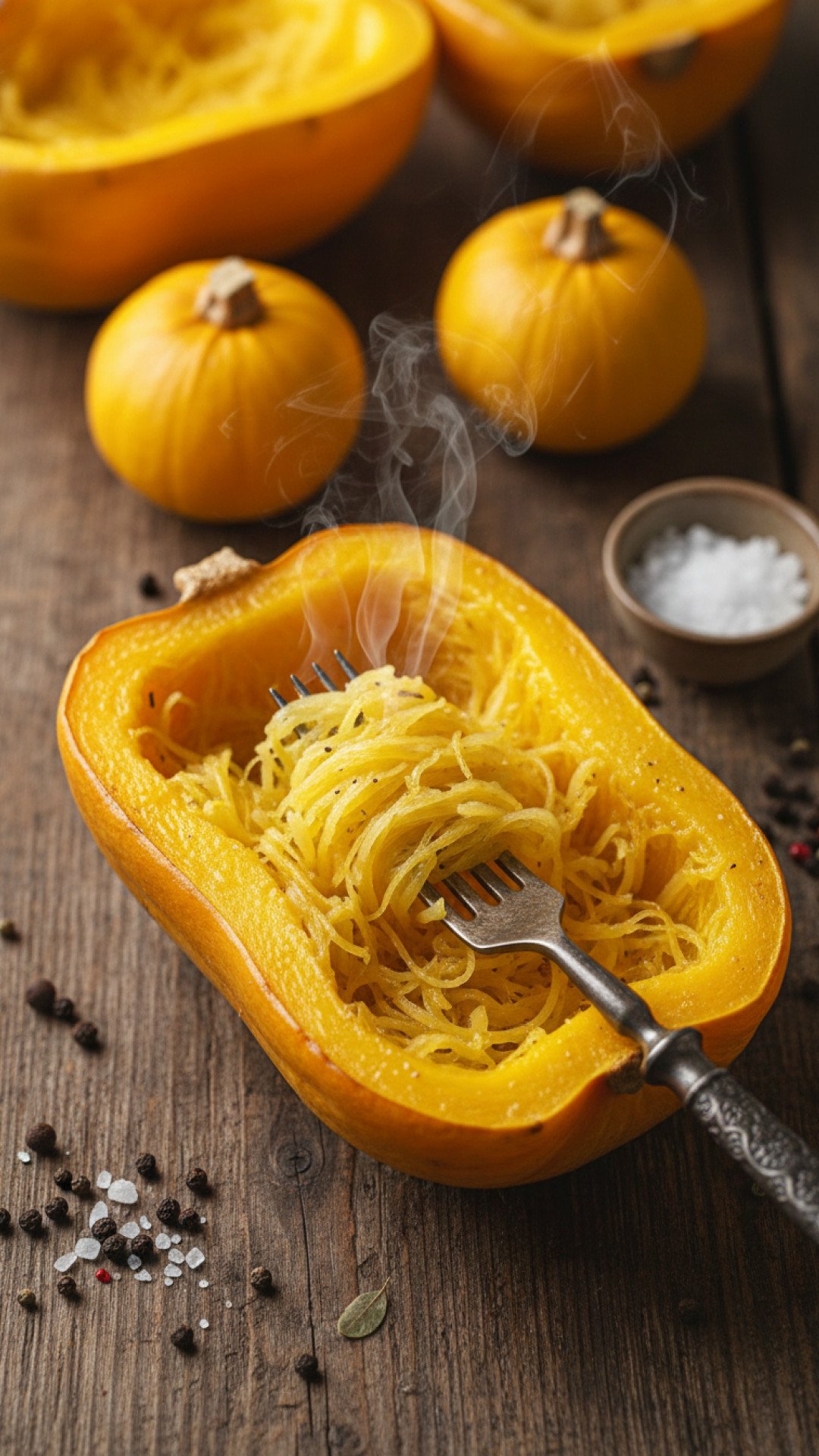
Preparing spaghetti squash can seem intimidating because the skin is so tough, but with a sharp knife and a steady hand, it is quite manageable. I recommend cutting off a small slice from the top and bottom first to create flat surfaces. This makes the squash much more stable when you slice it down the middle. One pro tip I have learned over the years: for longer, more noodle-like strands, cut the squash crosswise into rings rather than lengthwise. The strands grow horizontally around the interior, so cutting them this way preserves their full length.
Once cut, use a sturdy spoon to scrape out the seeds and the pulpy 'guts.' Don't throw the seeds away! You can roast them just like pumpkin seeds for a crunchy snack. Rub the interior of the spaghetti squash with your olive oil and seasonings. Place the squash cut-side down on a parchment-lined baking sheet. This 'face-down' method allows the steam to trapped inside, softening the flesh, while the edges that touch the pan caramelize beautifully. To keep your leftovers fresh for tomorrow's lunch, I highly recommend using Basics Glass Food Storage containers to maintain that perfect texture.
Variations & Serving Suggestions
The beauty of spaghetti squash lies in its adaptability. For a Mediterranean twist, toss the roasted strands with feta cheese, kalamata olives, sun-dried tomatoes, and a squeeze of lemon. If you are in the mood for something hearty, top it with a rich Bolognese or a simple marinara with meatballs. For a vegetarian delight, a browned butter and sage sauce with toasted walnuts adds a sophisticated, nutty depth that highlights the squash's natural sweetness. You can even use the empty squash shells as bowls for a 'stuffed' presentation, which is always a hit at dinner parties.
Nutrition Information
| Nutrient | Amount Per Serving |
|---|---|
| Calories | 150 kcal |
| Serving Size | 1 cup |
| Carbohydrate Content | 10 g |
| Protein Content | 2 g |
| FatContent | 12 g |
| FiberContent | 4 g |
| SugarContent | 4 g |
| SodiumContent | 150 mg |
| CholesterolContent | 0 mg |
| SaturatedFatContent | 1.5 g |
| TransFatContent | 0 g |
| UnsaturatedFatContent | 10 g |
Conclusion
Mastering the art of cooking spaghetti squash is a game-changer for anyone looking to add more vegetables to their diet without sacrificing the comfort of a noodle bowl. By following these simple steps—selecting a ripe squash, roasting it face down, and using the right tools—you will create a base that is healthy, flavorful, and incredibly satisfying. I hope this guide inspires you to get creative in the kitchen and enjoy the golden, strand-filled goodness of this wonderful vegetable. Happy roasting!
FAQs
Why is my spaghetti squash mushy?
Mushiness usually happens from overcooking or excess moisture. Roast the squash cut-side down to let steam escape, and check it at the 40-minute mark to ensure an al dente texture.
How do I get the longest strands?
To get the longest strands, cut your spaghetti squash into rings crosswise rather than cutting it lengthwise. The strands run in circles around the squash, so cutting lengthwise snaps them in half.
Can I freeze cooked spaghetti squash?
Yes, you can freeze it! Squeeze out as much moisture as possible from the cooked strands before placing them in an airtight container or freezer bag. It will last up to 3 months.
How do I tell if a spaghetti squash is ripe?
A ripe spaghetti squash should be firm, heavy, and have a deep yellow or golden color. Avoid squash with green tints or soft spots on the skin.
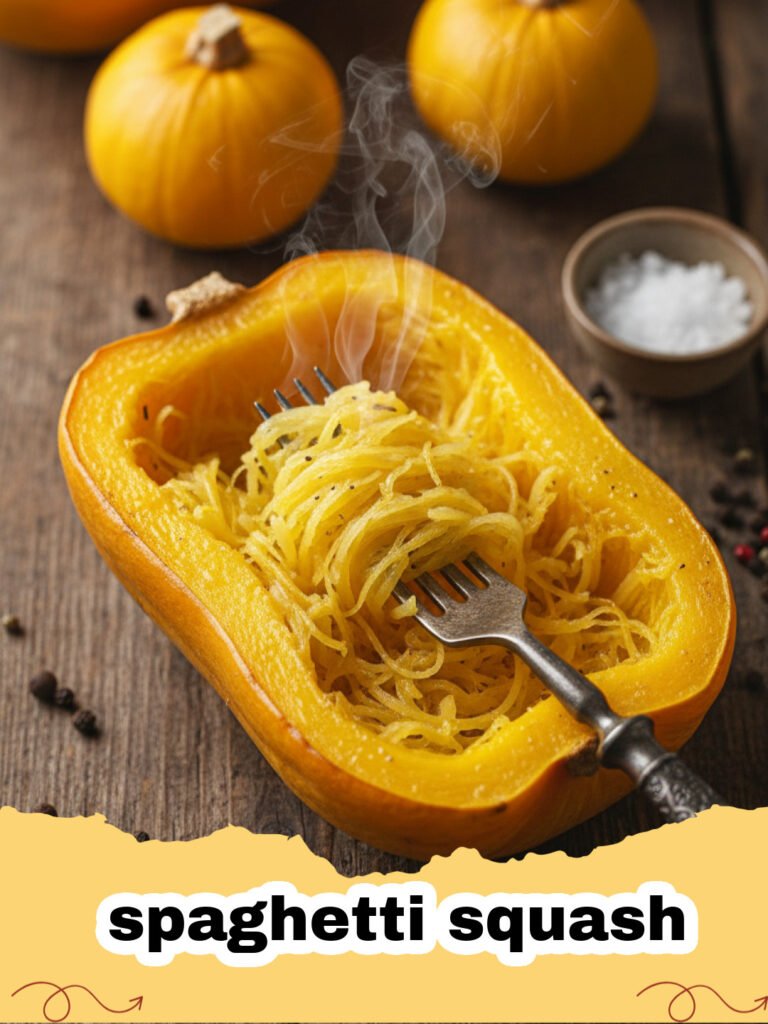
Perfect Roasted Spaghetti Squash
A foolproof guide to roasting spaghetti squash for long, al dente strands that serve as a healthy, low-carb pasta alternative.
- Total Time: 55 minutes
- Yield: 4 servings 1x
Ingredients
1 medium spaghetti squash (about 3 lbs)
2 tablespoons extra virgin olive oil
1 teaspoon kosher salt
1/2 teaspoon black pepper
1/2 teaspoon garlic powder (optional)
Instructions
Step 1: Preheat your oven to 400°F (200°C) and line a large baking sheet with parchment paper for easy cleanup.
Step 2: Slice the ends off the spaghetti squash, then stand it upright and carefully cut it in half lengthwise (or crosswise for longer strands).
Step 3: Use a large spoon to scoop out the seeds and stringy pulp from the center of both halves.
Step 4: Drizzle the interior of the squash with olive oil and sprinkle with salt, pepper, and garlic powder, rubbing it in to coat evenly.
Step 5: Place the squash halves cut-side down on the prepared baking sheet.
Step 6: Roast for 40-50 minutes, or until the skin is easily pierced with a fork and the edges are starting to brown.
Step 7: Remove from the oven and let cool for 5-10 minutes. Use a fork to scrape the flesh, pulling it away from the skin to create spaghetti-like strands.
Notes
For even crispier strands, salt the interior of the squash and let it sit for 15 minutes to draw out moisture before roasting. Wipe dry, then oil and season.
- Prep Time: 10 minutes
- Cook Time: 45 minutes
- Category: Main Dishes & Savory Recipes
- Cuisine: American
Nutrition
- Serving Size: 1 cup
- Calories: 150 kcal
- Sugar: 4 g
- Sodium: 150 mg
- Fat: 12 g
- Saturated Fat: 1.5 g
- Unsaturated Fat: 10 g
- Trans Fat: 0 g
- Carbohydrates: 10 g
- Fiber: 4 g
- Protein: 2 g
- Cholesterol: 0 mg
Leave a Reply