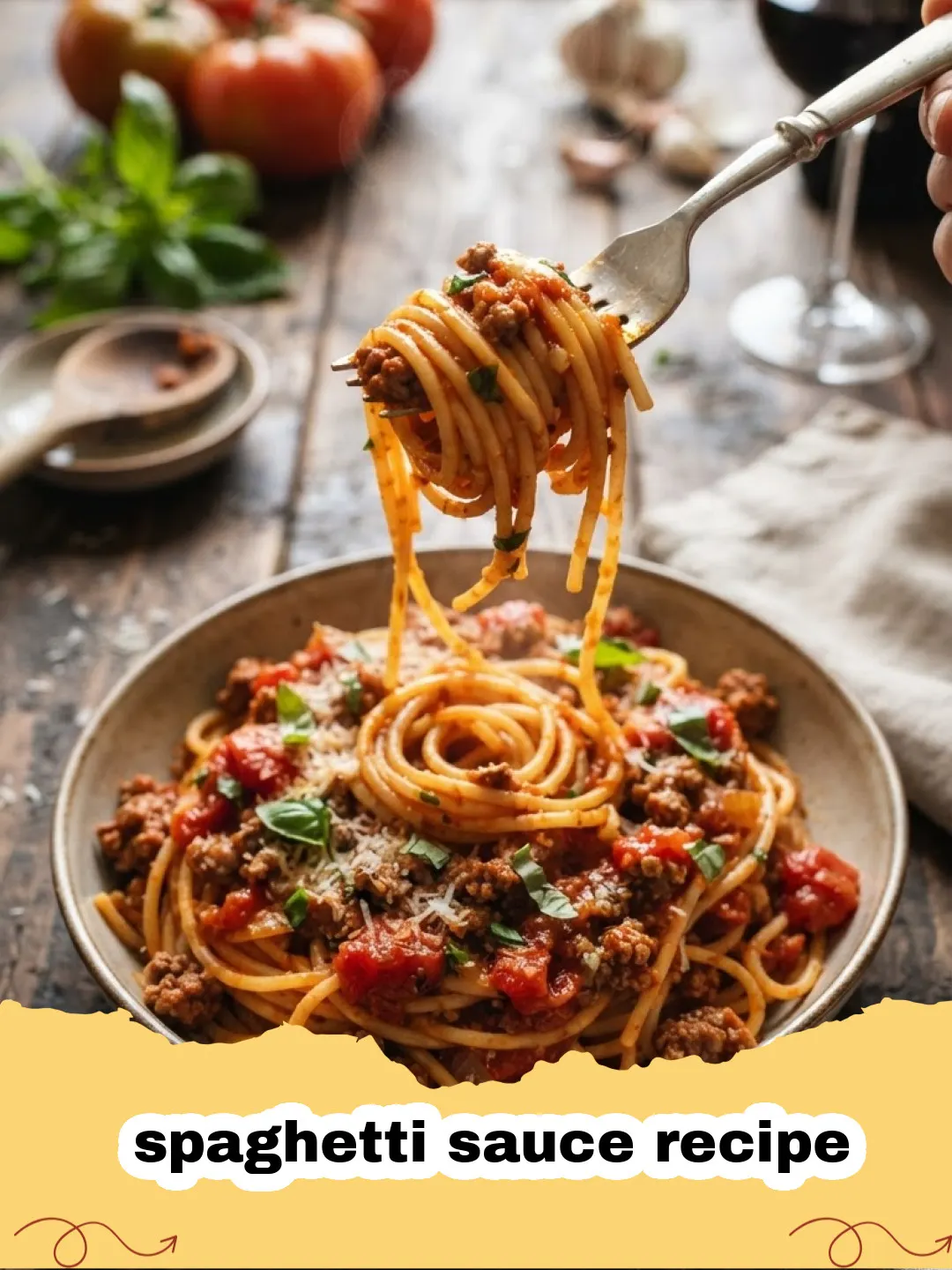
There are some aromas that instantly transport you back in time, isn't there? For me, it's the rich, savory scent of garlic and onions sizzling in olive oil, quickly followed by the deep, sweet fragrance of tomatoes simmering on the stovetop. This isn't just any smell; it's the signature perfume of my grandmother's kitchen on a Sunday afternoon, the promise of warmth, family, and the most incredible homemade spaghetti sauce recipe. Growing up, our Sundays revolved around Nonna's pasta. The day would start with the gentle bubbling of her sauce, a symphony of flavors developing slowly over hours. She never rushed it, and neither do I. Her philosophy was simple: good food takes time, love, and the best ingredients. This particular spaghetti sauce recipe isn't just about feeding hungry mouths; it's about preserving a legacy, creating memories, and passing down a piece of culinary history. It's the kind of dish that hugs you from the inside out, making even the busiest weeknight feel like a special occasion. I've tweaked her original a tiny bit over the years, adding a personal touch here and there, but the soul of her spaghetti sauce recipe remains perfectly intact. Get ready to create your own cherished memories with this incredible homemade spaghetti sauce recipe.
Why This Spaghetti Sauce Recipe is a Must-Try
- Deep, Authentic Flavor: This isn't your average jarred sauce. Our spaghetti sauce recipe builds layers of flavor from sautéed aromatics, rich tomatoes, and a careful blend of herbs, resulting in an unparalleled taste experience.
- Wholesome & Hearty: Packed with fresh vegetables and lean protein (if you choose to add meat), this spaghetti sauce recipe is a balanced and satisfying meal that will leave everyone feeling nourished and content.
- Perfect for Meal Prep: This versatile spaghetti sauce recipe makes a large batch, ideal for freezing and enjoying later. Say goodbye to last-minute dinner stress!
- Customizable to Your Taste: Whether you prefer it chunky or smooth, spicy or mild, vegetarian or meat-lovers, this spaghetti sauce recipe provides a fantastic base that can be easily adapted to suit your family's preferences.
Key Ingredient Notes for Your Spaghetti Sauce Recipe
High-Quality Canned Tomatoes
The foundation of any great spaghetti sauce recipe lies in its tomatoes. While fresh tomatoes are wonderful in season, a high-quality canned variety often provides a more consistent flavor profile and deeper red color, especially when out of season. Look for San Marzano tomatoes or other brands that specify crushed or diced tomatoes for sauces. They are typically sweeter and less acidic than regular varieties. I often use a combination of crushed tomatoes for body and diced for a little texture. Remember, the better your tomatoes, the better your homemade spaghetti sauce recipe will taste.
Fresh Aromatics (Onions & Garlic)
Never underestimate the power of fresh aromatics. Diced yellow onions and minced garlic are the unsung heroes of this spaghetti sauce recipe, creating the flavorful base upon which everything else is built. Take your time to sauté them until they are soft and translucent, not browned. This process coaxes out their natural sweetness and depth, which is crucial for a truly rich spaghetti sauce recipe. Using fresh rather than powdered versions makes a world of difference.
Good Quality Olive Oil
Just like the tomatoes, the olive oil you choose makes a significant impact on the final taste of your spaghetti sauce recipe. A good extra virgin olive oil will add a fruity, slightly peppery note that complements the other ingredients beautifully. It's not just for sautéing; a drizzle at the end can brighten the flavors and add a luxurious finish to your spaghetti sauce recipe. Don't skimp here; it's worth the investment.
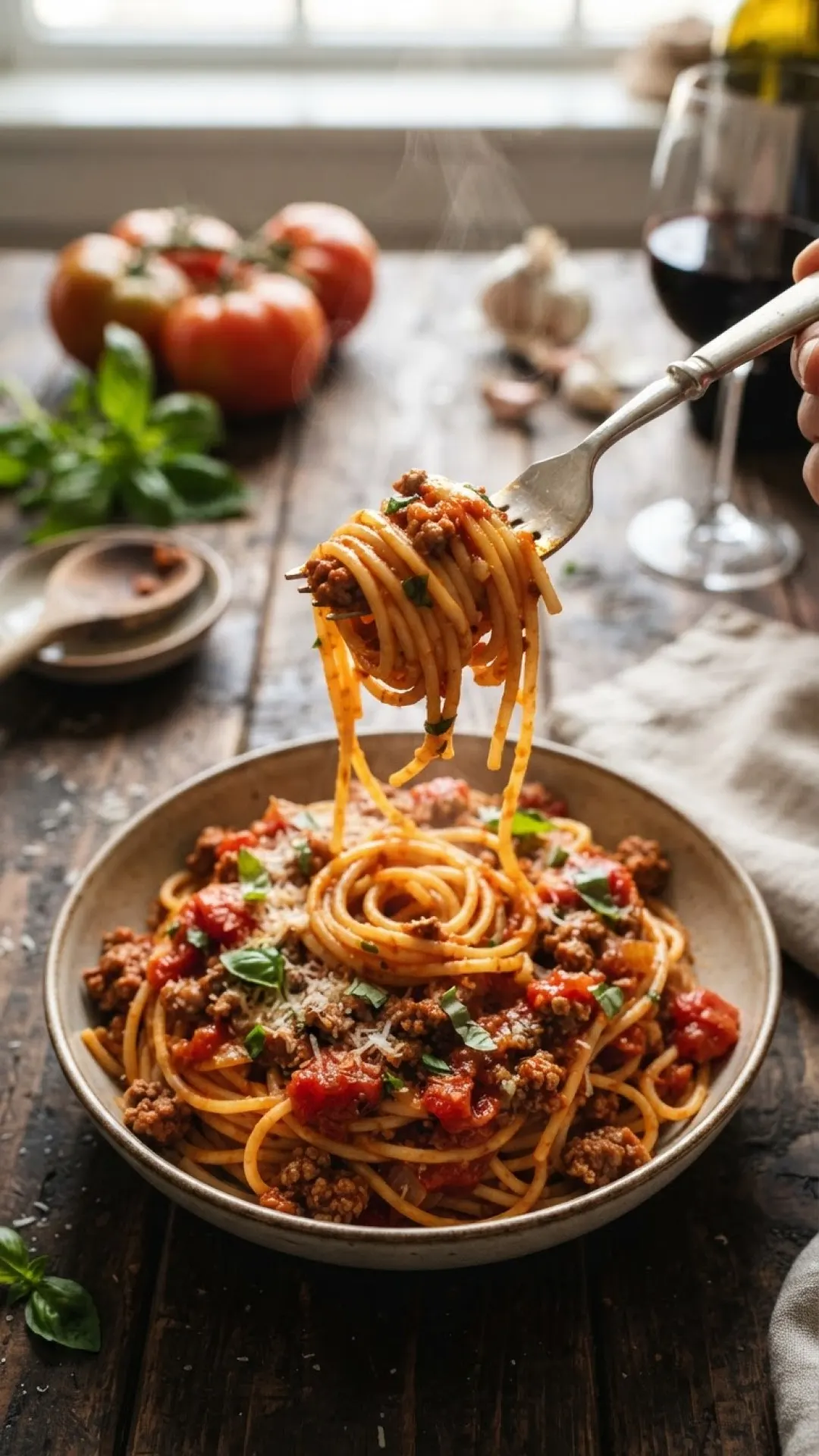
Step-by-Step Guide with Pro Tips for Your Spaghetti Sauce Recipe
Creating this delicious spaghetti sauce recipe is a labor of love, but the steps are straightforward and rewarding. Follow these instructions carefully, and you'll be enjoying the best homemade spaghetti sauce recipe in no time.
Prepare Your Ingredients
Before you begin cooking this spaghetti sauce recipe, make sure all your vegetables are chopped and measured. This 'mise en place' approach makes the cooking process smoother and more enjoyable. Have your herbs ready, and your canned tomatoes opened.
Building the Flavor Base
The first few steps are crucial for developing the rich, complex flavors of this spaghetti sauce recipe. Patience here will pay off immensely.
- Step 1: Heat the olive oil in a large, heavy-bottomed pot or Dutch oven over medium heat.
- Step 2: Add the diced onion and cook, stirring occasionally, until softened and translucent, about 5-7 minutes. Do not let it brown. This slow cooking brings out the onion's natural sweetness for your spaghetti sauce recipe.
- Step 3: Add the minced garlic and cook for another 1-2 minutes until fragrant, being careful not to burn it. Burnt garlic can make your spaghetti sauce recipe bitter.
- Step 4: If using ground meat, add it to the pot and break it up with a spoon. Cook until browned, then drain any excess fat.
Adding the Tomatoes and Seasonings
Now, it's time to introduce the stars of our spaghetti sauce recipe: the tomatoes and herbs. This is where the magic really starts to happen.
- Step 5: Pour in the crushed tomatoes and diced tomatoes, along with the tomato paste. Stir well to combine all ingredients in your spaghetti sauce recipe.
- Step 6: Add the dried oregano, dried basil, red pepper flakes (if using), and bay leaf. Season generously with salt and black pepper. Taste and adjust seasonings as needed, knowing they will deepen as the spaghetti sauce recipe simmers.
- Step 7: Stir in the sugar. This helps to balance the acidity of the tomatoes, creating a well-rounded flavor in your spaghetti sauce recipe.
- Step 8: If the sauce seems too thick, add about 1/2 cup of water or vegetable/beef broth to achieve a looser consistency.
The Simmering Process
Patience is key for a truly exceptional spaghetti sauce recipe. Low and slow is the way to go.
- Step 9: Bring the spaghetti sauce recipe to a gentle simmer. Once simmering, reduce the heat to low, cover the pot partially (leaving a small gap for steam to escape), and let it simmer for at least 1.5 to 2 hours, or up to 3 hours for deeper flavor. Stir occasionally to prevent sticking. The longer it simmers, the more the flavors meld and intensify, transforming your simple spaghetti sauce recipe into a masterpiece.
- Step 10: About 15 minutes before serving, stir in the fresh basil and fresh parsley. This adds a vibrant, fresh note to the cooked spaghetti sauce recipe.
- Step 11: Remove the bay leaf before serving.
Serving Your Homemade Spaghetti Sauce Recipe
Your incredible spaghetti sauce recipe is now ready to be enjoyed!
- Step 12: Serve hot over your favorite pasta, garnished with freshly grated Parmesan cheese and an extra sprinkle of fresh basil. This spaghetti sauce recipe pairs beautifully with spaghetti, linguine, or even a hearty lasagna.
Pro Tip: For an even richer flavor, especially if you're making a meat sauce, consider browning a small amount of pancetta or bacon before adding the onions. The rendered fat adds incredible depth to this spaghetti sauce recipe. For those who enjoy extra vegetables, consider adding finely diced carrots or bell peppers with the onions. For more delicious tomato-based dishes, you might enjoy our article on Grandma's Classic Homemade Stewed Tomatoes or explore Rustic Roasted Tomato and Garlic Pasta.
Variations & Serving Suggestions for Your Spaghetti Sauce Recipe
This classic spaghetti sauce recipe is wonderfully versatile, offering countless ways to adapt it to your taste or what you have on hand. Don't be afraid to experiment!
- Meat Lover's Delight: Easily turn this into a hearty Bolognese by adding ground beef, pork, or a sausage blend. Brown the meat after the onions and garlic, then drain the fat before adding the tomatoes. This creates a robust and satisfying meat spaghetti sauce recipe.
- Vegetarian Powerhouse: For a vegetarian version, omit the meat entirely. You can boost the umami by adding finely chopped mushrooms or a splash of red wine during the simmering phase. This still makes for an incredible spaghetti sauce recipe.
- Spicy Kick: If you love heat, increase the red pepper flakes or add a pinch of cayenne pepper with the seasonings.
- Herb Variations: While oregano and basil are classic, feel free to experiment with a touch of fresh rosemary or thyme for a different aromatic profile.
- Serving Suggestions: Beyond traditional spaghetti, this spaghetti sauce recipe is fantastic with lasagna, baked ziti, stuffed shells, over polenta, or even as a base for chicken or eggplant Parmesan. It also makes an amazing dipping sauce for garlic bread!
Nutrition Information
Here’s a general nutritional breakdown for one serving of this amazing spaghetti sauce recipe. Please note that these values are estimates and can vary based on specific ingredients and portion sizes. This spaghetti sauce recipe is designed to be both delicious and reasonably healthy.
| Nutrient | Amount Per Serving |
|---|---|
| Calories | 220 kcal |
| Carbohydrates | 25 g |
| Cholesterol | 45 mg |
| Total Fat | 10 g |
| Fiber | 6 g |
| Protein | 12 g |
| Saturated Fat | 3 g |
| Serving Size | 1 cup (240g) |
| Sodium | 480 mg |
| Sugar | 10 g |
| Trans Fat | 0 g |
| Unsaturated Fat | 7 g |
Conclusion
There's nothing quite like the warmth and comfort of a homemade spaghetti sauce recipe. This classic recipe, rooted in tradition and bursting with fresh, vibrant flavors, is more than just a meal; it's an experience. It's the taste of cherished memories, the joy of gathering around a table, and the simple pleasure of good food made with love. I hope this spaghetti sauce recipe becomes a staple in your home, bringing as much happiness and deliciousness to your family as it has to mine. Don't forget that any leftover spaghetti sauce recipe can be stored in airtight containers – I love using Basics Glass Food Storage for easy reheating. Enjoy every flavorful bite!
FAQs
Can I freeze this homemade spaghetti sauce recipe?
Absolutely! This spaghetti sauce recipe freezes exceptionally well. Allow the sauce to cool completely, then transfer it to airtight freezer-safe containers or heavy-duty freezer bags. It can be stored in the freezer for up to 3-4 months. Thaw in the refrigerator overnight or gently reheat from frozen on the stovetop.
What are the best tomatoes to use for this spaghetti sauce recipe?
For the best flavor in your spaghetti sauce recipe, opt for high-quality canned crushed and diced tomatoes. San Marzano tomatoes are often considered the gold standard due to their sweetness and low acidity. Other good options include brands that specify 'Italian style' or 'for sauces.' While fresh tomatoes can be used in season, canned often provide a more consistent and deep flavor for simmering.
How can I make this spaghetti sauce recipe vegetarian?
Making this spaghetti sauce recipe vegetarian is simple! Just omit the ground beef or Italian sausage in Step 4. You can enhance the umami flavor by adding finely diced mushrooms (sautu00e9ed with the onions), a splash of red wine, or even a teaspoon of nutritional yeast during the simmering process. It will still be a rich and satisfying vegetarian spaghetti sauce recipe.
How long does homemade spaghetti sauce last in the refrigerator?
Once cooled, homemade spaghetti sauce can be stored in an airtight container in the refrigerator for 5-7 days. Always ensure it's cooled quickly after cooking and stored promptly to maintain freshness and safety.
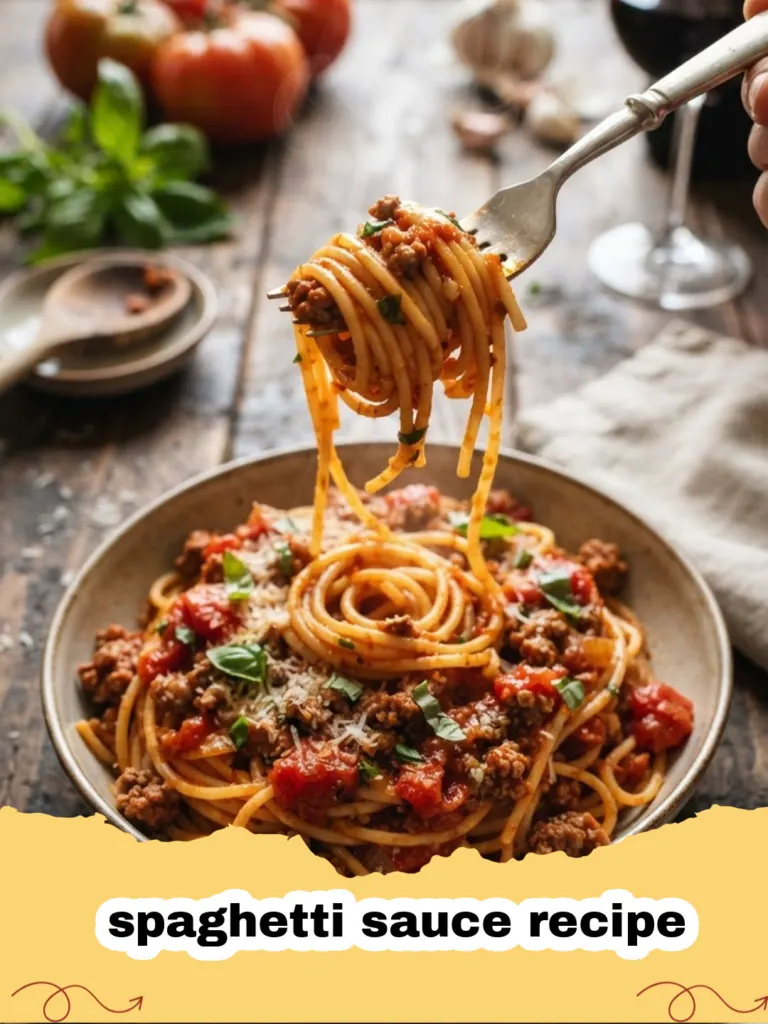
Classic Homemade Spaghetti Sauce
This is the ultimate classic homemade spaghetti sauce recipe, rich with deep tomato flavor, aromatic herbs, and a hint of sweetness. Perfect for family dinners and meal prepping, this traditional recipe brings comfort and warmth to any table.
- Total Time: 2 hours 50 minutes
- Yield: 8 servings 1x
Ingredients
2 tablespoons olive oil
1 large yellow onion, finely diced
4 cloves garlic, minced
1 lb ground beef or Italian sausage (optional, for meat sauce)
2 (28 ounce) cans crushed tomatoes
1 (15 ounce) can diced tomatoes
1 (6 ounce) can tomato paste
2 teaspoons dried oregano
1 teaspoon dried basil
1/2 teaspoon red pepper flakes (optional, for a kick)
1 bay leaf
1 tablespoon granulated sugar
Salt and freshly ground black pepper to taste
1/4 cup fresh basil, chopped
1/4 cup fresh parsley, chopped
1/2 cup water or vegetable/beef broth (optional, for consistency)
Instructions
Step 1: Heat the olive oil in a large, heavy-bottomed pot or Dutch oven over medium heat.
Step 2: Add the diced onion and cook, stirring occasionally, until softened and translucent, about 5-7 minutes. Do not let it brown.
Step 3: Add the minced garlic and cook for another 1-2 minutes until fragrant, being careful not to burn it.
Step 4: If using ground meat, add it to the pot and break it up with a spoon. Cook until browned, then drain any excess fat.
Step 5: Pour in the crushed tomatoes and diced tomatoes, along with the tomato paste. Stir well to combine all ingredients.
Step 6: Add the dried oregano, dried basil, red pepper flakes (if using), and bay leaf. Season generously with salt and black pepper.
Step 7: Stir in the sugar. This helps to balance the acidity of the tomatoes.
Step 8: If the sauce seems too thick, add about 1/2 cup of water or vegetable/beef broth to achieve a looser consistency.
Step 9: Bring the sauce to a gentle simmer. Once simmering, reduce the heat to low, cover the pot partially, and let it simmer for at least 1.5 to 2 hours, or up to 3 hours for deeper flavor. Stir occasionally to prevent sticking.
Step 10: About 15 minutes before serving, stir in the fresh basil and fresh parsley.
Step 11: Remove the bay leaf before serving.
Step 12: Serve hot over your favorite pasta, garnished with freshly grated Parmesan cheese and an extra sprinkle of fresh basil.
Notes
For an even richer flavor, consider adding a parmesan rind to the sauce during the simmering process and remove before serving. This spaghetti sauce recipe freezes beautifully for future meals. Ensure to use a heavy-bottomed pot to prevent sticking and allow for even simmering.
- Prep Time: 20 minutes
- Cook Time: 2 hours 30 minutes
- Category: Main Dishes & Savory Recipes
- Cuisine: Italian-American
Nutrition
- Serving Size: 1 cup (240g)
- Calories: 220 kcal
- Sugar: 10 g
- Sodium: 480 mg
- Fat: 10 g
- Saturated Fat: 3 g
- Unsaturated Fat: 7 g
- Trans Fat: 0 g
- Carbohydrates: 25 g
- Fiber: 6 g
- Protein: 12 g
- Cholesterol: 45 mg