Smoked brisket recipes hold a special place in my heart, reminding me of long summer weekends spent in the backyard with the smell of hickory smoke drifting through the air. My journey with barbecue began years ago when my grandfather handed me his old offset smoker. He told me that patience was the most important ingredient, a lesson that resonated through every cook I have attempted since. There is something profoundly therapeutic about the process of waking up at 4:00 AM, trimming a massive piece of beef, and tending to a fire for twelve hours or more. It is a slow dance between heat and meat, and when you finally slice into that bark to reveal a glistening smoke ring, the satisfaction is unmatched. This specific approach to smoked brisket recipes focuses on simplicity and technique, ensuring that whether you are a novice or a seasoned pitmaster, you can achieve world-class results on your own patio.
Why This Recipe is a Must-Try
- Unbeatable Tenderness: By following our specific temperature guidelines, you transform a tough piece of muscle into butter-soft beef that melts in your mouth.
- Perfect Bark Formation: We use a classic salt-and-pepper ratio that, when combined with the right smoke flow, creates a dark, flavorful crust that defines the best smoked brisket recipes.
- No-Fuss Ingredients: You do not need a pantry full of exotic spices; the natural flavor of high-quality beef takes center stage here.
- Foolproof Resting Phase: We emphasize the resting period, which is the secret weapon used by professionals to keep the juices inside the meat rather than on the cutting board.
Key Ingredient Notes
When exploring various smoked brisket recipes, the quality of your beef is the most critical variable. I always recommend a "Prime" or "Top Choice" grade whole packer brisket. A packer brisket includes both the point (the fatty end) and the flat (the leaner end). The intramuscular fat, known as marbling, is what keeps the meat moist during the long cooking process. If you choose a brisket that is too lean, you run the risk of it drying out before the connective tissue has time to break down. This is a common pitfall when people first start experimenting with smoked brisket recipes.
The second pillar of flavor is the wood choice. For a traditional Texas profile, post oak is the gold standard because it provides a clean, mild smoke flavor that does not overpower the beef. However, many successful smoked brisket recipes utilize hickory for a bolder punch or fruitwoods like apple or cherry for a slightly sweeter finish. Regardless of the wood, ensure it is well-seasoned (dried) to prevent bitter, creosote-laden smoke from ruining your hard work. While you are prepping your outdoor kitchen, you might also be interested in other outdoor techniques like The Ultimate Blackstone Hibachi Steak and Shrimp for those days when you want a faster cook.
Step-by-Step Guide with Pro Tips
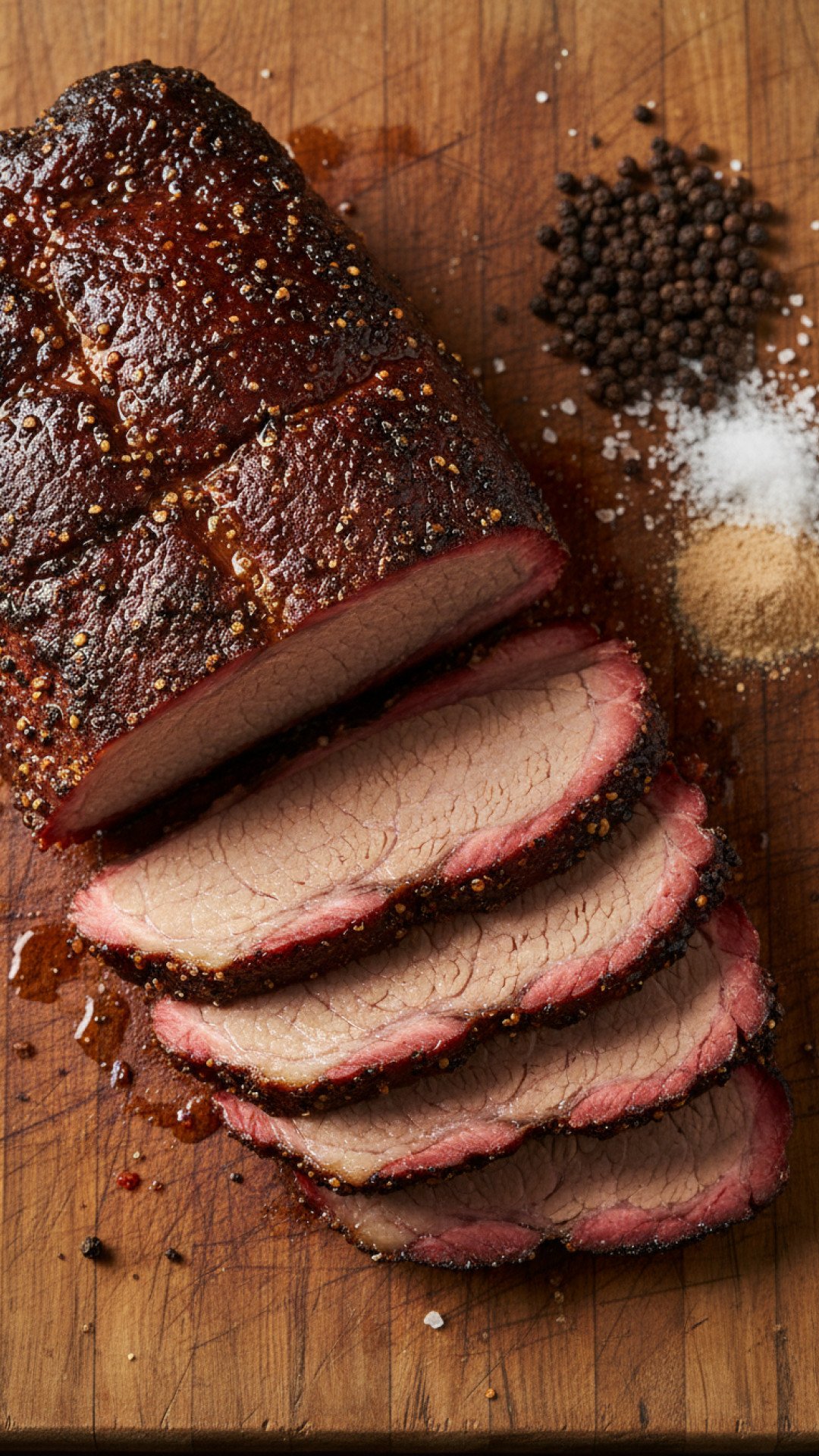
Mastering smoked brisket recipes requires a blend of science and intuition. The process begins with the trim. You want to remove the hard, waxy fat that won't render down, while leaving about a quarter-inch of the softer fat cap to protect the meat. Aerodynamics are key; aim for a smooth, rounded shape so the smoke can flow over the meat without hitting any sharp corners that might burn. Once trimmed, apply your rub generously. A 50/50 mix of coarse kosher salt and 16-mesh black pepper is the classic "Dalmatian rub" used in the most famous smoked brisket recipes across Central Texas.
Maintaining a steady temperature of 225°F to 250°F is your goal. During the first few hours, the meat absorbs the most smoke. This is when the "bark" begins to form. Around the 160°F internal temperature mark, you will likely hit "the stall." This is where the internal temperature stops rising as moisture evaporates from the surface of the meat. In many smoked brisket recipes, this is when we use the "Texas Crutch"—wrapping the brisket in peach butcher paper. This helps push through the stall while maintaining the integrity of the bark. Unlike foil, butcher paper allows the meat to breathe slightly, preventing the crust from becoming mushy.
Pro Tip: Use a water pan in your smoker. The humidity helps the smoke stick to the meat and prevents the edges from drying out. Also, resist the urge to peek! Every time you open the lid, you lose heat and moisture, extending the cook time and potentially affecting the final texture of your smoked brisket recipes. If you find yourself with leftovers—though that is rare—they can be repurposed much like Transform Your Meals with These Easy Leftover Corned Beef Recipes to create incredible hashes or sandwiches the next day.
Variations & Serving Suggestions
While the classic salt and pepper rub is iconic, you can customize smoked brisket recipes to suit your palate. Some pitmasters add garlic powder, onion powder, or even a hint of cayenne for heat. If you prefer a sweeter profile, a light dusting of brown sugar can help with caramelization, though you must be careful not to burn it. For serving, traditional sides like white bread, pickled onions, and jalapeños are standard. If you want something more substantial, a warm potato salad or a crisp slaw provides a great acidic balance to the rich, fatty meat.
To keep your leftovers fresh and organized, I highly recommend storing them in Basics Glass Food Storage containers. They keep the beef from picking up other fridge odors and make reheating a breeze. When reheating, do it slowly in the oven with a splash of beef broth to maintain that juicy texture we worked so hard for in our smoked brisket recipes.
Nutrition Information
Understanding the caloric density of your meal is helpful for planning. Below is the estimated nutritional breakdown for a single serving of this Texas-style brisket.
| Nutrient | Amount Per Serving |
|---|---|
| Calories | 450 kcal |
| Carbohydrates | 1g |
| Cholesterol | 115mg |
| Fat | 35g |
| Fiber | 0g |
| Protein | 32g |
| Saturated Fat | 14g |
| Serving Size | 6 oz |
| Sodium | 680mg |
| Sugar | 0g |
| Trans Fat | 1.5g |
| Unsaturated Fat | 18g |
Conclusion
Perfecting smoked brisket recipes is a journey, not a destination. Each time you fire up the smoker, you learn something new about your equipment, the wood, and the meat itself. Don't be discouraged if your first attempt isn't perfect; even the best pitmasters have had a few "tough" days. The key is to enjoy the process, share the results with people you love, and keep refining your craft. Happy smoking!
FAQs
What is the best wood for smoked brisket recipes?
Post oak is the traditional choice for Texas-style brisket as it provides a balanced, mild flavor. Hickory and oak blends are also very popular for a stronger smoke profile.
Why should I use butcher paper instead of foil?
Butcher paper is breathable, which helps preserve the crunchy bark while still speeding up the cooking process. Foil tends to steam the meat, which can result in a softer, mushier crust.
How long should I rest my smoked brisket?
You should rest your brisket for a minimum of 2 hours, though 4 hours is often better. This allows the muscle fibers to relax and reabsorb the juices, preventing them from spilling out when you slice.
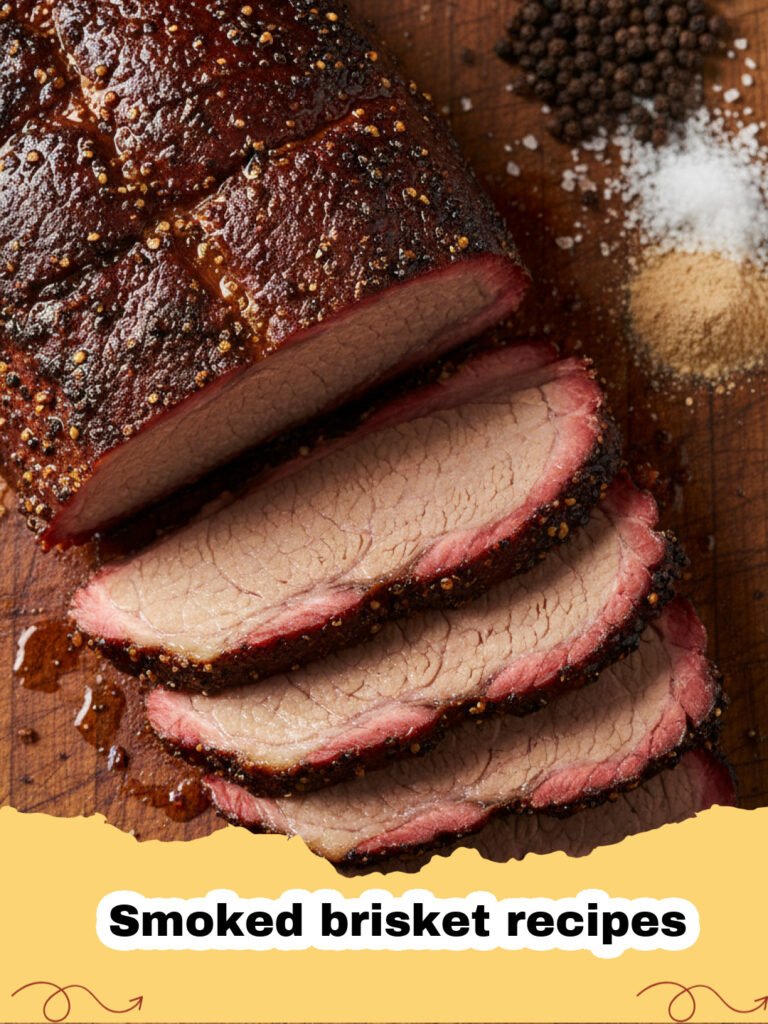
The Ultimate Texas-Style Smoked Brisket
A traditional, slow-smoked Texas brisket with a thick pepper bark and juicy, tender meat using the classic butcher paper wrap method.
- Total Time: 15 hours
- Yield: 12 servings 1x
Ingredients
1 whole packer beef brisket (12-14 lbs)
1/2 cup coarse kosher salt
1/2 cup 16-mesh black pepper
1/4 cup beef tallow (optional, for wrapping)
Post oak or hickory wood chunks/logs
Instructions
Step 1: Trim the brisket by removing the hard fat and squaring off the edges for better airflow. Leave about 1/4 inch of fat cap.
Step 2: Mix the salt and pepper in a shaker and coat the entire brisket evenly, ensuring you cover the sides and ends.
Step 3: Preheat your smoker to a steady 225°F (107°C) using wood chunks or logs for flavor.
Step 4: Place the brisket on the smoker with the fat cap facing the heat source. Insert a meat probe into the thickest part of the flat.
Step 5: Smoke the brisket until the internal temperature reaches approximately 165°F and the bark is well-established.
Step 6: Remove the brisket and wrap it tightly in pink butcher paper, optionally adding a few spoonfuls of beef tallow over the meat before sealing.
Step 7: Return the wrapped brisket to the smoker and continue cooking until the internal temperature reaches 203°F and the meat feels 'probe tender' like butter.
Step 8: Remove from the smoker and let the brisket rest in an insulated cooler for at least 2 to 4 hours before slicing against the grain.
Notes
Always slice against the grain to ensure the most tender bite. The rest period is non-negotiable for a juicy result.
- Prep Time: 45 minutes
- Cook Time: 12 hours
- Category: Main Dishes & Savory Recipes
- Cuisine: American / Texas BBQ
Nutrition
- Serving Size: 6 oz
- Calories: 450 kcal
- Sugar: 0g
- Sodium: 680mg
- Fat: 35g
- Saturated Fat: 14g
- Unsaturated Fat: 18g
- Trans Fat: 1.5g
- Carbohydrates: 1g
- Fiber: 0g
- Protein: 32g
- Cholesterol: 115mg