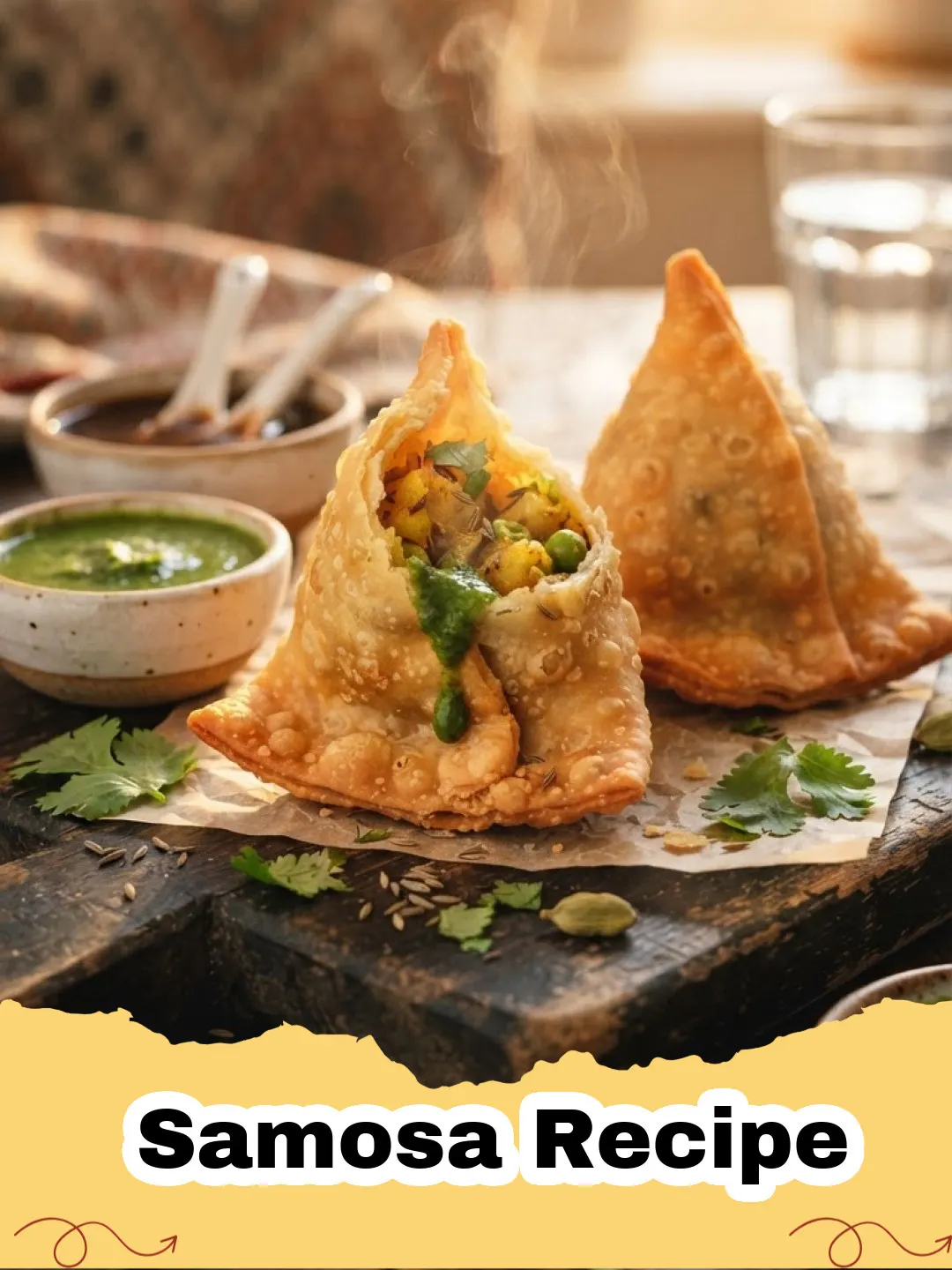
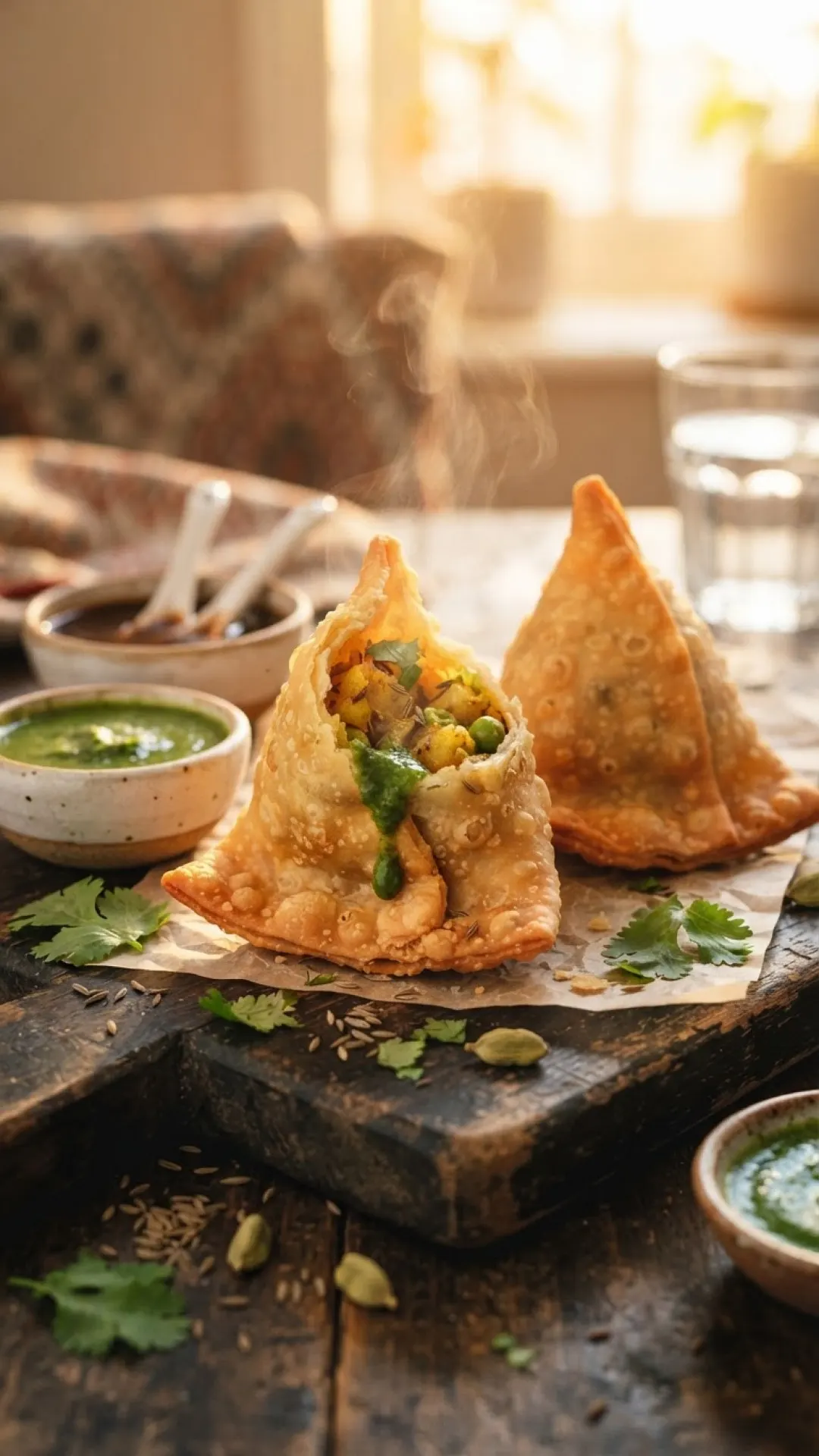
There are some culinary memories that are so deeply ingrained, they become a part of your personal history. For me, one such memory is tied to the aroma of freshly fried samosas wafting from my grandmother's kitchen. Growing up, the anticipation of biting into a golden, crispy, potato and pea-filled pastry was pure joy. It wasn't just a snack; it was an event, a celebration of flavors and family. The first time I attempted this Samosa Recipe on my own, I felt a connection to those cherished moments, a passing down of tradition through dough and spice. It took a few tries to get the perfect crimp and the right balance of spices, but every attempt was a delicious lesson. Now, I’m thrilled to share my perfected version with you, so you can create your own delicious memories with this iconic Indian snack. This Samosa Recipe is not just about cooking; it's about connecting with a rich heritage of flavor.
Why This Samosa Recipe is a Must-Try
Authentic & Irresistible Flavor
This Samosa Recipe delivers that quintessential, aromatic, and savory taste you crave. The blend of spices in the potato and pea filling is perfectly balanced, offering a depth of flavor that's both comforting and exciting. It's a taste of tradition in every bite.
Perfectly Crispy Texture
Achieving that golden, flaky, and unbelievably crispy exterior is key to an excellent samosa, and this recipe guides you to perfection. We'll explore the secrets to a dough that fries up beautifully, offering a satisfying crunch with every bite of your homemade samosa.
Versatile & Customizable
While the classic potato and pea filling is a favorite, this Samosa Recipe provides a fantastic base for experimentation. You can easily adapt the filling to include paneer, minced meat, or other vegetables, making it a versatile snack for any occasion or dietary preference.
Ideal for Entertaining
Samosas are a crowd-pleaser! They're perfect as an appetizer for dinner parties, a snack for game nights, or a special treat for family gatherings. You can even prepare them ahead of time and freeze them, making entertaining a breeze. This Samosa Recipe is your secret weapon for impressing guests.
Key Ingredient Notes
Potatoes
For the perfect samosa filling, the type of potato you choose matters. Russet or Yukon Gold potatoes are ideal because they are starchy and become wonderfully fluffy when boiled and mashed. Avoid waxy varieties like red or new potatoes, as they can result in a gluey or overly dense filling. The goal is a light, crumbly texture that absorbs the spices beautifully. This contributes significantly to the overall texture of your Samosa Recipe.
Flour for the Dough
All-purpose flour (maida) is the traditional choice for samosa dough, giving it that characteristic flaky and crispy texture when fried. Kneading the dough correctly, as detailed in this Samosa Recipe, is crucial. It needs to be firm but pliable, not too soft, to prevent it from absorbing too much oil during frying. A touch of semolina can also be added for extra crispness.
Aromatic Spices
The soul of any good Samosa Recipe lies in its spices. Cumin seeds, coriander powder, turmeric, garam masala, and especially dried mango powder (amchur) are non-negotiable. Amchur provides that distinctive tangy kick that elevates the potato filling from good to unforgettable. Don't skimp on fresh ginger and green chilies either, as they add essential layers of heat and freshness to your samosa.
Step-by-Step Guide with Pro Tips
Prepare the Dough
The foundation of any great samosa is its crispy, flaky shell. This Samosa Recipe ensures you get it right every time.
Step 1: In a large mixing bowl, combine 2 cups all-purpose flour, 1/2 teaspoon salt, and 1/4 teaspoon carom seeds (ajwain). Mix well.
Step 2: Add 1/4 cup ghee or vegetable oil to the flour mixture. Using your fingertips, rub the fat into the flour until it resembles coarse crumbs. This step, known as 'moin', is crucial for the crispy texture of your samosas.
Step 3: Gradually add about 1/2 to 3/4 cup cold water, a tablespoon at a time, and knead to form a firm, yet pliable dough. The dough should not be soft like chapati dough; a firm dough is essential for crispy samosas. Knead for about 5-7 minutes until smooth. Cover the dough with a damp cloth and let it rest for at least 30 minutes. Resting allows the gluten to relax, making the dough easier to roll and contributing to the perfect texture of this Samosa Recipe.
Craft the Flavorful Filling
This is where the magic happens, transforming simple ingredients into an explosion of flavor.
Step 4: Boil 3-4 medium potatoes until tender but not mushy. Peel and roughly mash them. Don't over mash; some small chunks are desirable for texture.
Step 5: In a large pan or kadai, heat 2 tablespoons of oil over medium heat. Add 1 teaspoon cumin seeds and let them splutter. Then add 1/2 inch grated ginger, 1-2 finely chopped green chilies (adjust to your spice preference), and 1/2 cup green peas (fresh or frozen). Sauté for 2-3 minutes.
Step 6: Add the mashed potatoes to the pan. Season with 1 teaspoon salt, 1 teaspoon coriander powder, 1/2 teaspoon turmeric powder, 1/2 teaspoon garam masala, and 1/2 teaspoon dried mango powder (amchur). Mix everything thoroughly, ensuring the spices are well incorporated. Cook for 5-7 minutes, stirring occasionally, until the mixture is relatively dry. Let the filling cool completely. This cooling step is vital; hot filling can make the dough soggy.
Assemble the Samosas
The art of shaping the samosa, a key part of any Samosa Recipe.
Step 7: Divide the rested dough into 8-10 equal portions. Roll each portion into an oval shape, about 6-7 inches long and 4-5 inches wide. The dough should be slightly thicker than a chapati.
Step 8: Cut the oval in half lengthwise, creating two semi-circles. Take one semi-circle and moisten the straight edge with a little water.
Step 9: Bring the two ends of the straight edge together, overlapping them slightly to form a cone. Press the seam firmly to seal it. Ensure there are no gaps, as this will prevent the filling from escaping during frying.
Step 10: Fill the cone with about 1.5-2 tablespoons of the cooled potato filling. Don't overfill, as it makes sealing difficult. Leave some space at the top.
Step 11: Moisten the top edges of the cone with water. Gently pinch and pleat the top edge on one side, then press the edges together to seal the samosa into its classic triangular shape. Make sure all seams are tightly sealed. Repeat with the remaining dough and filling.
Fry to Golden Perfection
The final step to achieving that irresistible crispness in your Samosa Recipe.
Step 12: Heat enough vegetable oil for deep frying in a deep pan or wok over medium-low heat. The oil temperature is crucial; it should be around 280-300°F (135-150°C). If the oil is too hot, the samosas will brown quickly on the outside but remain raw inside. If it's too cold, they will absorb too much oil.
Step 13: Gently slide 4-5 samosas into the hot oil, ensuring not to overcrowd the pan. Fry on medium-low heat, turning occasionally, until they are golden brown and crispy on all sides. This usually takes about 10-15 minutes per batch. Be patient, as slow frying ensures an evenly cooked and perfectly crispy shell.
Step 14: Remove the fried samosas with a slotted spoon and place them on a wire rack lined with paper towels to drain excess oil. Serve hot with your favorite chutney. For storage, consider using Basics Glass Food Storage containers to keep them fresh in the fridge or freezer.
Variations & Serving Suggestions
Creative Samosa Fillings
Paneer and Spinach Samosas
Crumble paneer (Indian cheese) and sauté with blanched spinach, a touch of ginger, garlic, and a hint of garam masala. This offers a creamy and nutritious alternative to the traditional Samosa Recipe.
Minced Lamb or Chicken Samosas
For meat lovers, sauté finely minced lamb or chicken with onions, ginger-garlic paste, and a blend of robust spices like red chili powder, cumin, and coriander. This makes for a heartier, more substantial samosa.
Sweet Samosas
Yes, sweet samosas! Fill with a mixture of grated coconut, jaggery or brown sugar, cardamom, and chopped nuts for a delightful dessert twist. This Samosa Recipe can truly be adapted for any course.
Perfect Pairings
Green Chutney (Mint & Coriander)
This vibrant, tangy, and slightly spicy chutney is the classic accompaniment for samosas. Its freshness cuts through the richness of the fried pastry, creating a perfect balance. You can find many recipes online for a quick homemade version.
Tamarind Chutney (Sweet & Sour)
A sweet and tangy tamarind chutney provides a wonderful contrast to the savory filling. Its sticky, date-like consistency and deep flavor complement the crispy Samosa Recipe beautifully.
Yogurt Raita
A cooling cucumber or mint raita can be a refreshing dip, especially if your samosas are on the spicier side. The creamy texture and cool temperature provide a lovely counterpoint.
Chai Tea
What could be more Indian than pairing hot, spicy samosas with a steaming cup of masala chai? The warmth and aromatic spices of the tea perfectly complement the rich flavors of this Samosa Recipe, making for an authentic snack experience. It’s like pairing a delicious Butter Chicken Recipe with fragrant rice, but for a snack!
Nutrition Information
| Nutrient | Amount per Serving |
|---|---|
| Calories | 280 kcal |
| Carbohydrate Content | 35 g |
| Cholesterol Content | 5 mg |
| Fat Content | 15 g |
| Fiber Content | 4 g |
| Protein Content | 6 g |
| Saturated Fat Content | 3 g |
| Serving Size | 1 samosa |
| Sodium Content | 320 mg |
| Sugar Content | 2 g |
| Trans Fat Content | 0.1 g |
| Unsaturated Fat Content | 10 g |
Please note that these are estimated nutritional values and can vary based on specific ingredients and preparation methods. This Samosa Recipe aims for deliciousness, so enjoy in moderation!
As we wrap up our culinary journey with this delightful Samosa Recipe, I hope you feel inspired and ready to tackle your own batch of crispy, flavorful samosas. There's something truly special about creating these golden pockets of joy in your own kitchen. Whether you're enjoying them as a nostalgic treat, a hearty snack, or sharing them with loved ones, the experience is bound to be memorable. Don't be afraid to get your hands a little floury and embrace the process; the reward is truly worth it. And who knows, maybe this Samosa Recipe will inspire you to try other Indian delights, perhaps even some Chili Crisp Noodles if you're feeling adventurous with flavors! Happy cooking!
FAQs
What is the secret to a crispy Samosa Recipe dough?
The secret to a crispy samosa dough lies in two main factors: the 'moin' (rubbing fat into the flour) and the consistency of the dough. Ensure you rub the ghee or oil thoroughly into the flour until it resembles coarse crumbs. Additionally, the dough should be firm, not soft, and allowed to rest adequately (at least 30 minutes) to relax the gluten. Frying on medium-low heat is also crucial.
Can I bake samosas instead of frying them?
Yes, you can bake samosas as a healthier alternative, though the texture will differ slightly from traditional fried samosas. Preheat your oven to 375u00b0F (190u00b0C). Brush the samosas with a little oil or egg wash, and bake for 25-35 minutes, flipping halfway, until golden brown and crispy. They may not be as flaky as fried ones but are still delicious.
How do I prevent my samosas from breaking open during frying?
To prevent samosas from breaking open, ensure all seams are very tightly sealed. Moisten the edges of the dough with water before sealing to create a strong bond. Also, avoid overfilling the samosas, as this puts pressure on the seams. Finally, fry them in oil that is not too hot, as high heat can cause sudden expansion and breakage.
Can I make the samosa filling ahead of time?
Absolutely! The samosa filling can be prepared 1-2 days in advance and stored in an airtight container in the refrigerator. Make sure the filling is completely cooled before storing. This makes the assembly process much quicker when you're ready to make your homemade samosas.
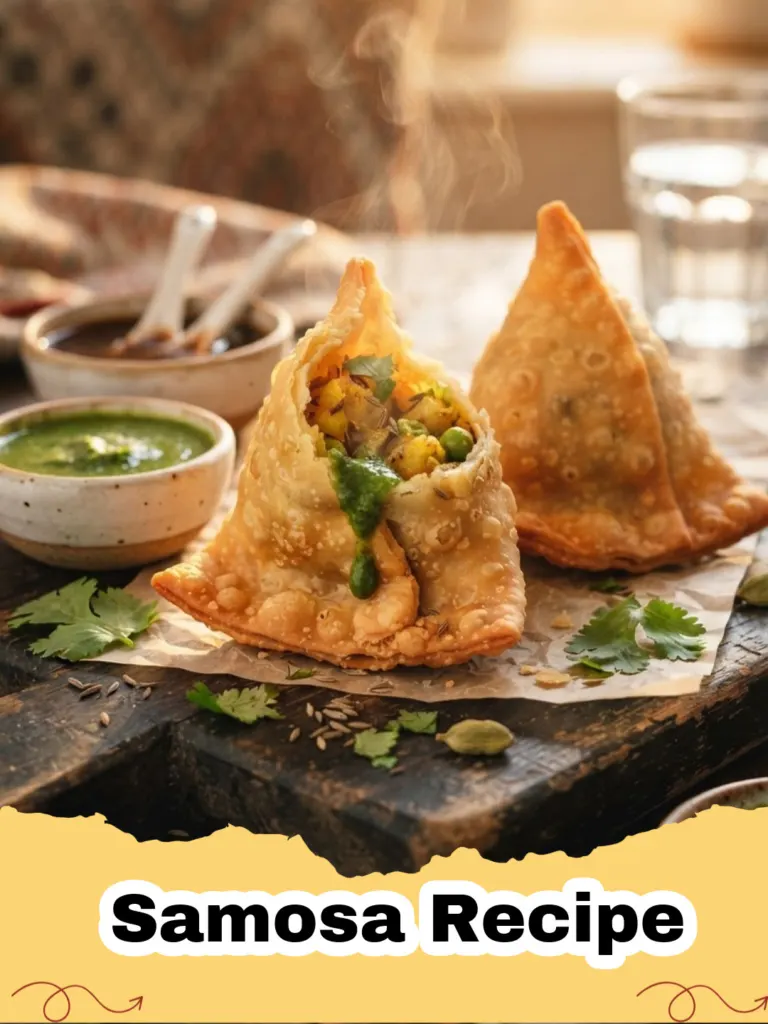
Classic Crispy Homemade Samosa Recipe
Indulge in the authentic flavors of India with this irresistible homemade samosa recipe. Featuring a perfectly flaky, crispy pastry shell and a savory, spiced potato and pea filling, these samosas are a beloved snack or appetizer that will transport your taste buds.
- Total Time: 90 minutes
- Yield: 16-18 samosas 1x
Ingredients
2 cups all-purpose flour (maida)
1/2 teaspoon salt (for dough)
1/4 teaspoon carom seeds (ajwain)
1/4 cup ghee or vegetable oil (for dough)
1/2 - 3/4 cup cold water (for dough)
3-4 medium potatoes (Russet or Yukon Gold)
2 tablespoons vegetable oil (for filling)
1 teaspoon cumin seeds
1/2 inch ginger, grated
1-2 green chilies, finely chopped (adjust to taste)
1/2 cup green peas (fresh or frozen)
1 teaspoon salt (for filling)
1 teaspoon coriander powder
1/2 teaspoon turmeric powder
1/2 teaspoon garam masala
1/2 teaspoon dried mango powder (amchur)
Oil for deep frying
Instructions
Step 1: In a large mixing bowl, combine 2 cups all-purpose flour, 1/2 teaspoon salt, and 1/4 teaspoon carom seeds (ajwain). Mix well.
Step 2: Add 1/4 cup ghee or vegetable oil to the flour mixture. Using your fingertips, rub the fat into the flour until it resembles coarse crumbs.
Step 3: Gradually add about 1/2 to 3/4 cup cold water, a tablespoon at a time, and knead to form a firm, yet pliable dough. Cover the dough with a damp cloth and let it rest for at least 30 minutes.
Step 4: Boil 3-4 medium potatoes until tender but not mushy. Peel and roughly mash them.
Step 5: In a large pan or kadai, heat 2 tablespoons of oil over medium heat. Add 1 teaspoon cumin seeds and let them splutter. Then add 1/2 inch grated ginger, 1-2 finely chopped green chilies, and 1/2 cup green peas. Sauté for 2-3 minutes.
Step 6: Add the mashed potatoes to the pan. Season with 1 teaspoon salt, 1 teaspoon coriander powder, 1/2 teaspoon turmeric powder, 1/2 teaspoon garam masala, and 1/2 teaspoon dried mango powder (amchur). Mix everything thoroughly. Cook for 5-7 minutes, stirring occasionally, until the mixture is relatively dry. Let the filling cool completely.
Step 7: Divide the rested dough into 8-10 equal portions. Roll each portion into an oval shape, about 6-7 inches long and 4-5 inches wide.
Step 8: Cut the oval in half lengthwise, creating two semi-circles. Take one semi-circle and moisten the straight edge with a little water.
Step 9: Bring the two ends of the straight edge together, overlapping them slightly to form a cone. Press the seam firmly to seal it.
Step 10: Fill the cone with about 1.5-2 tablespoons of the cooled potato filling. Don't overfill.
Step 11: Moisten the top edges of the cone with water. Gently pinch and pleat the top edge on one side, then press the edges together to seal the samosa into its classic triangular shape. Make sure all seams are tightly sealed. Repeat with the remaining dough and filling.
Step 12: Heat enough vegetable oil for deep frying in a deep pan or wok over medium-low heat (280-300°F / 135-150°C).
Step 13: Gently slide 4-5 samosas into the hot oil, ensuring not to overcrowd the pan. Fry on medium-low heat, turning occasionally, until they are golden brown and crispy on all sides (10-15 minutes per batch).
Step 14: Remove the fried samosas with a slotted spoon and place them on a wire rack lined with paper towels to drain excess oil. Serve hot with your favorite chutney.
Notes
For best results, ensure your oil temperature is consistently low to medium to allow the samosas to cook through and become truly crispy without burning. The dough must be firm, not soft, to prevent oil absorption. You can prepare and freeze uncooked samosas for later; simply fry them directly from frozen, adding a few extra minutes to the cooking time.
- Prep Time: 60 minutes
- Cook Time: 30 minutes
- Category: Drinks, Snacks & Holiday Treats
- Cuisine: Indian
Nutrition
- Serving Size: 1 samosa
- Calories: 280 kcal
- Sugar: 2 g
- Sodium: 320 mg
- Fat: 15 g
- Saturated Fat: 3 g
- Unsaturated Fat: 10 g
- Trans Fat: 0.1 g
- Carbohydrates: 35 g
- Fiber: 4 g
- Protein: 6 g
- Cholesterol: 5 mg