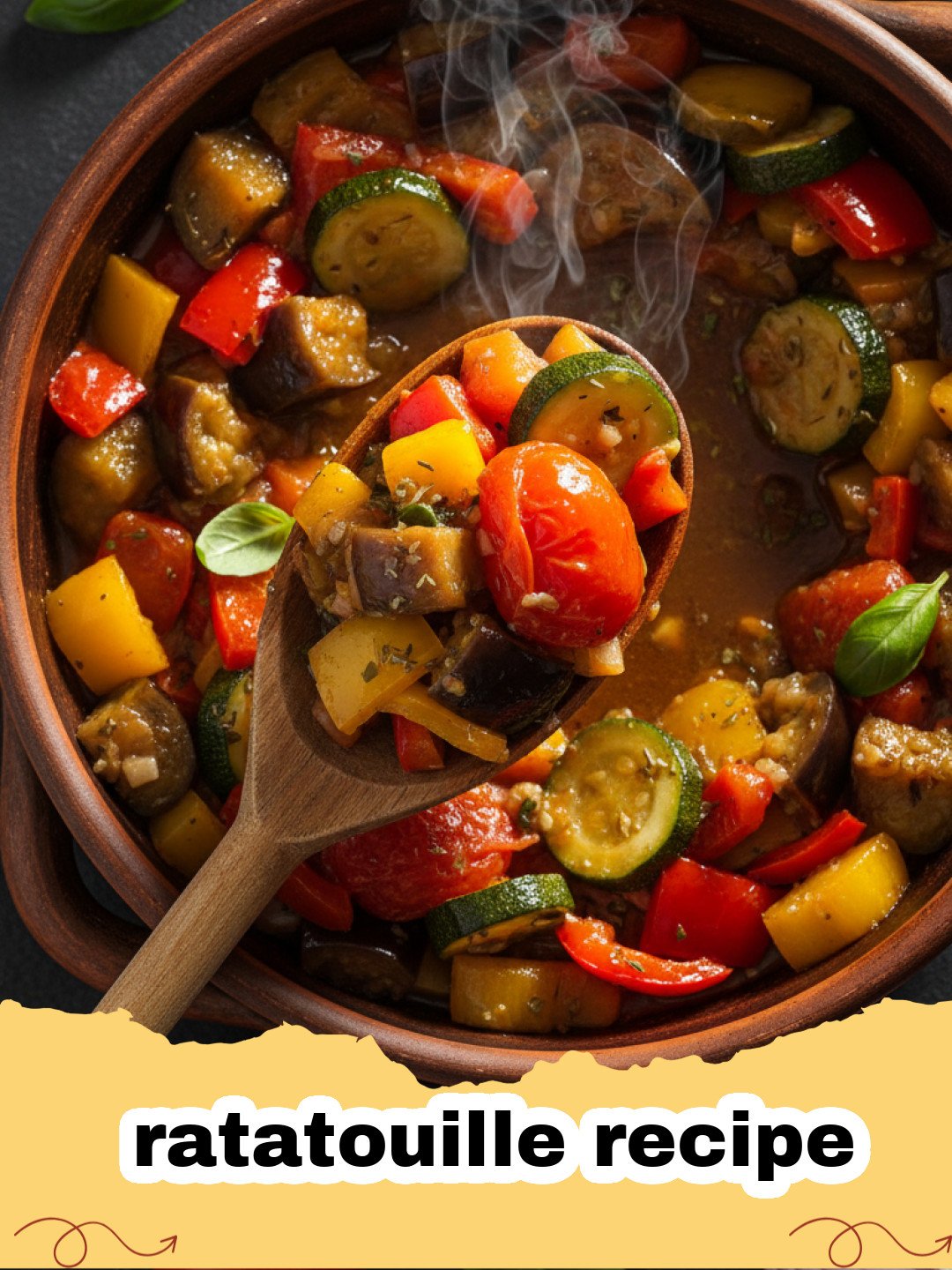
There are some dishes that just transport you, taking you back to a specific moment or a cherished memory. For me, the aroma of a simmering ratatouille recipe does just that. It reminds me of a summer trip to Provence years ago, where every meal was a celebration of fresh, sun-drenched produce. I remember sitting at a small, family-run bistro, the air thick with the scent of herbs and olive oil, and being served a vibrant, rustic bowl of ratatouille. It wasn't the fancy, layered kind seen in animated movies, but a hearty, flavorful stew that tasted like pure sunshine. That experience ignited my love for this classic French dish, and ever since, I’ve been perfecting my own version, trying to capture that simple, authentic taste of the Mediterranean. It’s a dish that embodies the very essence of summer, bringing together humble vegetables into a symphony of flavors. Today, I'm thrilled to share my tried-and-true ratatouille recipe with you, hoping it brings a little bit of that Provençal magic to your kitchen.
Why This Ratatouille Recipe is a Must-Try
- Peak Season Flavor: This particular ratatouille recipe celebrates the bounty of summer, utilizing fresh, ripe vegetables at their peak for unparalleled taste. It’s truly a garden on a plate!
- Versatile & Satisfying: Whether you serve it as a light main course, a hearty side, or even a base for other dishes, this ratatouille recipe is incredibly adaptable and surprisingly filling.
- Healthy & Wholesome: Packed with nutrient-rich vegetables, herbs, and olive oil, this classic French ratatouille recipe is a fantastic way to enjoy a delicious, guilt-free meal.
- Make Ahead Magic: Like many stews, ratatouille often tastes even better the next day, making it an excellent option for meal prepping or entertaining.
Key Ingredient Notes for Your Ratatouille Recipe
The beauty of any authentic ratatouille recipe lies in the quality of its core ingredients. While it's a humble dish, selecting the right produce makes all the difference.
Eggplant
Choose firm, shiny eggplants that feel heavy for their size. If you're concerned about bitterness, you can salt and drain the eggplant slices or cubes before cooking. This helps draw out moisture and any potential bitterness, leading to a creamier texture. However, with modern varieties, this step is often optional for this ratatouille recipe.
Zucchini
Look for medium-sized zucchini that are firm and free of blemishes. Avoid overly large ones, as they can sometimes be watery and have larger seeds. Zucchini adds a lovely tenderness and mild sweetness to your ratatouille recipe.
Tomatoes
Ripe, juicy tomatoes are the heart of this ratatouille recipe. While fresh, ripe summer tomatoes are ideal, good quality canned diced or crushed tomatoes can be an excellent substitute, especially when fresh options are out of season. San Marzano tomatoes are particularly excellent for their balanced sweetness and acidity.
Herbs
Fresh herbs like thyme, rosemary, and basil are non-negotiable for an aromatic ratatouille recipe. They infuse the dish with the quintessential flavors of the Mediterranean. Don't skimp on these!
Step-by-Step Guide with Pro Tips for this Ratatouille Recipe
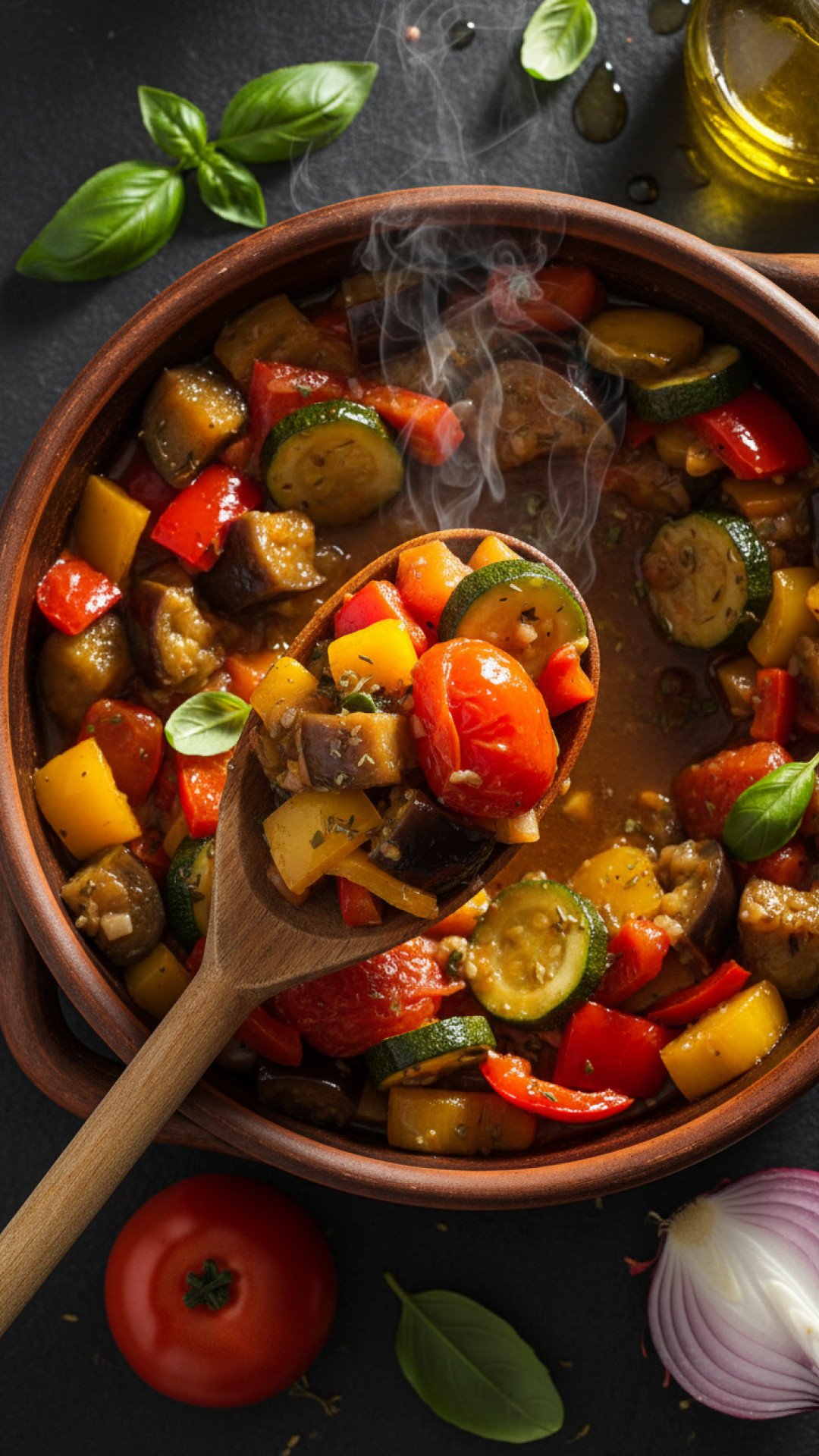
Mastering this classic ratatouille recipe is all about patience and layering flavors. Don't rush the cooking of each vegetable component.
- Step 1: Prepare all your vegetables. Cut eggplant, zucchini, bell peppers, and tomatoes into roughly 1-inch cubes. Finely chop the onion and garlic.
- Step 2: Heat 2 tablespoons of olive oil in a large, heavy-bottomed pot or Dutch oven over medium-high heat. Add the eggplant and sauté for about 5-7 minutes until lightly browned and softened. Remove with a slotted spoon and set aside.
- Step 3: Add another tablespoon of olive oil to the pot, then add the zucchini. Sauté for 4-6 minutes until tender-crisp and lightly browned. Remove and set aside with the eggplant.
- Step 4: Add the remaining tablespoon of olive oil to the pot. Reduce heat to medium. Add the chopped onion and cook until softened and translucent, about 5-7 minutes.
- Step 5: Stir in the minced garlic and bell peppers. Cook for another 5-8 minutes, stirring occasionally, until the peppers begin to soften.
- Step 6: Add the diced tomatoes (fresh or canned), tomato paste, fresh thyme sprigs, rosemary sprigs, bay leaf, salt, and black pepper to the pot. Bring to a simmer, then reduce heat to low, cover, and cook for 20 minutes, allowing the flavors to meld.
- Step 7: Return the cooked eggplant and zucchini to the pot. Gently stir to combine all vegetables. Continue to simmer, uncovered, for another 20-30 minutes, or until the vegetables are very tender and the sauce has thickened slightly. For an even richer flavor in your ratatouille recipe, let it simmer longer on low heat.
- Step 8: Remove the herb sprigs and bay leaf. Stir in the fresh basil leaves. Taste and adjust seasoning as needed. Serve warm, garnished with extra fresh basil. This ratatouille recipe is best served after the flavors have had a chance to fully develop.
Variations & Serving Suggestions for Your Ratatouille Recipe
This traditional ratatouille recipe is wonderful on its own, but it's also incredibly versatile. Here are a few ideas to get you started:
- Add Protein: For a heartier meal, stir in cooked chicken, white beans, or chickpeas towards the end of cooking. You could even serve it alongside grilled fish or herb-marinated pork tenderloin.
- Grains & Pasta: Serve your ratatouille over couscous, quinoa, brown rice, or even pasta for a complete meal. It’s also delicious as a topping for polenta.
- Eggs: For a delightful breakfast or brunch, warm leftover ratatouille and crack a few eggs directly into it, baking until the whites are set and the yolks are runny.
- Appetizer Spreads: Serve chilled ratatouille on toasted baguette slices with a sprinkle of feta cheese or a dollop of fresh ricotta. It makes a fantastic addition to any mezze platter, perhaps alongside a vibrant homemade salsa recipe.
- Storage: Leftover ratatouille keeps beautifully in the refrigerator for up to 4-5 days. Store it in airtight containers, like these Basics Glass Food Storage containers, for best results. It also freezes well for up to 3 months.
Nutrition Information for this Ratatouille Recipe
| Nutrient | Amount per Serving |
|---|---|
| Calories | 250 kcal |
| Carbohydrates | 30g |
| Cholesterol | 0mg |
| Total Fat | 13g |
| Fiber | 8g |
| Protein | 5g |
| Saturated Fat | 2g |
| Serving Size | 1.5 cups |
| Sodium | 400mg |
| Sugar | 10g |
| Trans Fat | 0g |
| Unsaturated Fat | 11g |
Conclusion
There you have it – my favorite classic ratatouille recipe. This dish is more than just a mix of vegetables; it's a testament to the power of simple, fresh ingredients cooked with love and patience. Each spoonful is a journey to the sun-drenched fields of Provence, a comforting and flavorful experience that nourishes both body and soul. Whether you’re a seasoned cook or just starting your culinary adventure, I encourage you to try this amazing ratatouille recipe. Enjoy the process, savor the aromas, and most importantly, delight in the delicious results. Happy cooking!
FAQs
What is ratatouille?
Ratatouille is a classic French Provenu00e7al stewed vegetable dish, originating from Nice. It's typically made with seasonal vegetables like eggplant, zucchini, bell peppers, onions, and tomatoes, slow-cooked with garlic and aromatic herbs. There are various ways to prepare this ratatouille recipe, from rustic stovetop stews to finely layered baked versions.
Can I make this ratatouille recipe ahead of time?
Absolutely! Ratatouille is one of those dishes that actually tastes better the next day, after the flavors have had a chance to fully meld. You can prepare this ratatouille recipe a day or two in advance and reheat it gently on the stovetop or in the oven. It's perfect for meal prepping.
What are the best vegetables for a ratatouille recipe?
For the best ratatouille recipe, use fresh, peak-season vegetables. Key ingredients include firm eggplant, tender zucchini, vibrant bell peppers, ripe tomatoes, sweet onions, and fresh garlic. Herbs like thyme, rosemary, and basil are essential for that authentic Provenu00e7al flavor.
How do you store leftover ratatouille?
Leftover ratatouille can be stored in an airtight container in the refrigerator for up to 4-5 days. It also freezes exceptionally well; portion it into freezer-safe containers or bags and freeze for up to 3 months. Thaw overnight in the refrigerator before reheating gently.
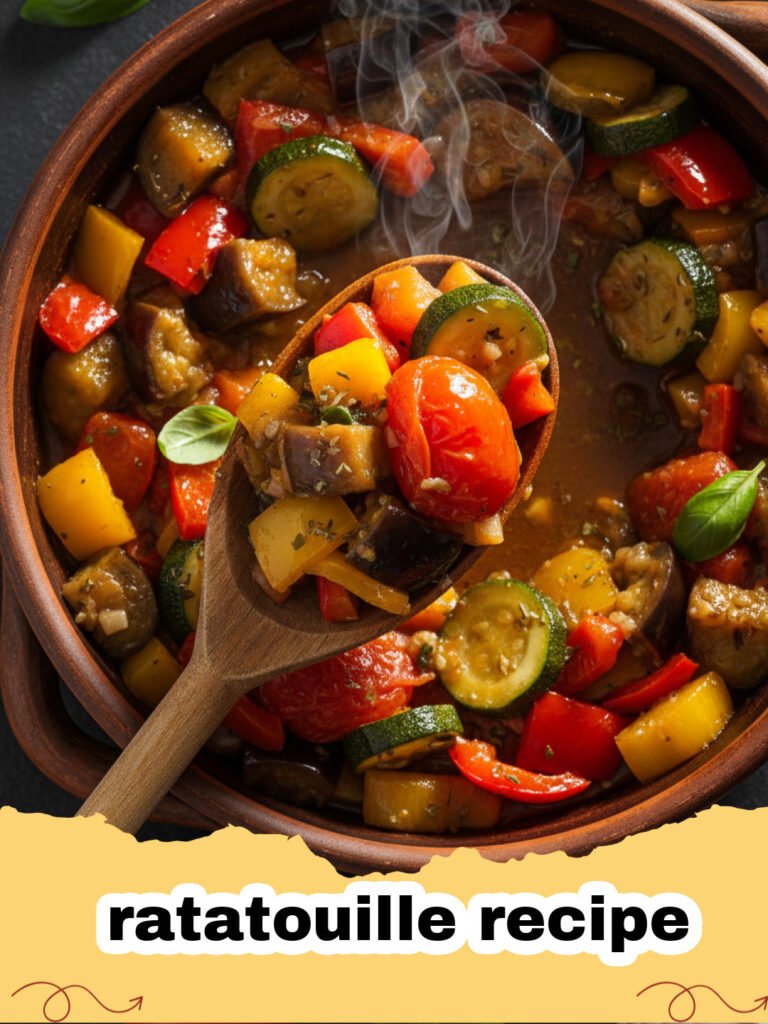
Classic French Ratatouille Recipe
A rustic and flavorful Provençal vegetable stew made with eggplant, zucchini, bell peppers, and tomatoes, simmered with aromatic herbs. This ratatouille recipe is perfect as a side or a light main course.
- Total Time: 1 hour 45 minutes
- Yield: 6 servings 1x
Ingredients
1 large eggplant, about 1.5 lbs, cut into 1-inch cubes
2 medium zucchini, about 1 lb, cut into 1-inch cubes
2 bell peppers (any color), seeded and cut into 1-inch pieces
1 large onion, chopped
4 cloves garlic, minced
1 (28 ounce) can crushed tomatoes or 4 cups fresh diced tomatoes
2 tablespoons tomato paste
4 tablespoons olive oil, divided
1 teaspoon fresh thyme leaves (or 1/2 tsp dried)
1 sprig fresh rosemary
1 bay leaf
1/2 cup fresh basil leaves, torn or chopped, plus more for garnish
Salt to taste
Freshly ground black pepper to taste
Instructions
Step 1: Prepare all your vegetables. Cut eggplant, zucchini, bell peppers, and tomatoes into roughly 1-inch cubes. Finely chop the onion and garlic.
Step 2: Heat 2 tablespoons of olive oil in a large, heavy-bottomed pot or Dutch oven over medium-high heat. Add the eggplant and sauté for about 5-7 minutes until lightly browned and softened. Remove with a slotted spoon and set aside.
Step 3: Add another tablespoon of olive oil to the pot, then add the zucchini. Sauté for 4-6 minutes until tender-crisp and lightly browned. Remove and set aside with the eggplant.
Step 4: Add the remaining tablespoon of olive oil to the pot. Reduce heat to medium. Add the chopped onion and cook until softened and translucent, about 5-7 minutes.
Step 5: Stir in the minced garlic and bell peppers. Cook for another 5-8 minutes, stirring occasionally, until the peppers begin to soften.
Step 6: Add the diced tomatoes (fresh or canned), tomato paste, fresh thyme sprigs, rosemary sprigs, bay leaf, salt, and black pepper to the pot. Bring to a simmer, then reduce heat to low, cover, and cook for 20 minutes, allowing the flavors to meld. This is where the magic of a good ratatouille recipe begins to unfold.
Step 7: Return the cooked eggplant and zucchini to the pot. Gently stir to combine all vegetables. Continue to simmer, uncovered, for another 20-30 minutes, or until the vegetables are very tender and the sauce has thickened slightly. For an even richer flavor in your ratatouille recipe, let it simmer longer on low heat.
Step 8: Remove the herb sprigs and bay leaf. Stir in the fresh basil leaves. Taste and adjust seasoning as needed. Serve warm, garnished with extra fresh basil. This ratatouille recipe is best served after the flavors have had a chance to fully develop.
Notes
This ratatouille recipe tastes even better the next day as the flavors have more time to meld. Feel free to adjust the amount of garlic and herbs to your preference. If you prefer a smoother sauce, you can blend a portion of the ratatouille before returning the vegetables to the pot.
- Prep Time: 30 minutes
- Cook Time: 1 hour 15 minutes
- Category: Main Dishes & Savory Recipes
- Cuisine: French
Nutrition
- Serving Size: 1.5 cups
- Calories: 250 kcal
- Sugar: 10g
- Sodium: 400mg
- Fat: 13g
- Saturated Fat: 2g
- Unsaturated Fat: 11g
- Trans Fat: 0g
- Carbohydrates: 30g
- Fiber: 8g
- Protein: 5g
- Cholesterol: 0mg