
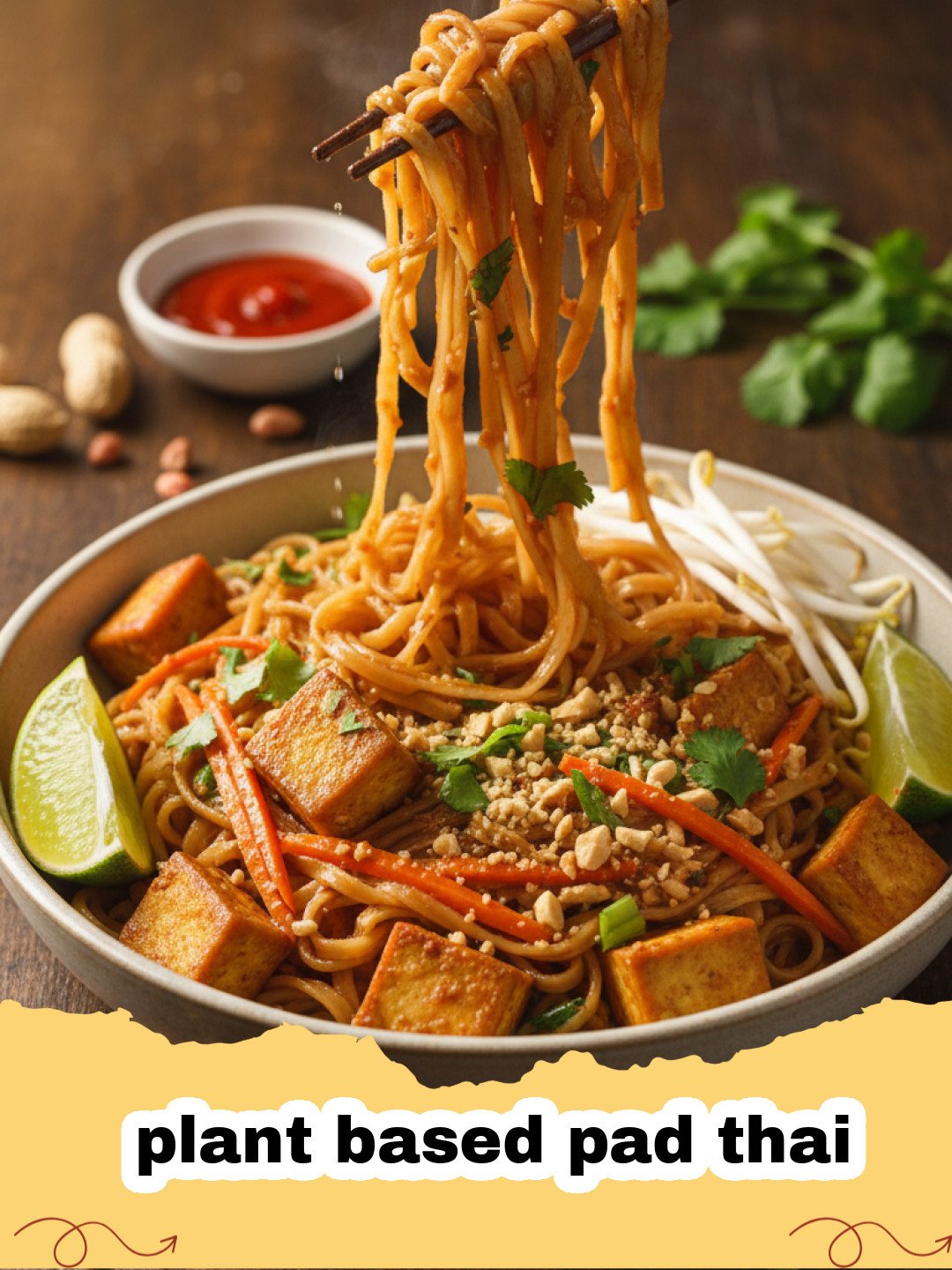
Creating a restaurant-quality plant based pad thai at home used to feel like an impossible culinary mountain to climb. I remember the first time I sat on a tiny plastic stool in a bustling Bangkok night market, the air thick with the scent of sizzling garlic and tangy tamarind, realizing that this dish is truly an art form. My early attempts at home were often soggy or lacked that specific 'oomph' that defines authentic Thai street food. However, after years of experimenting with plant-based alternatives to fish sauce and honey, I have finally perfected a version that rivals any takeout. This plant based pad thai is the result of countless trials, ensuring every strand of noodle is coated in a perfectly balanced sauce that hits every note: sweet, sour, salty, and a tiny bit of spice. Whether you are a long-time vegan or just looking to incorporate more vegetables into your diet, this dish will quickly become a staple in your weekly rotation because it brings those vibrant, complex flavors right to your dining table without any animal products.
Why This Recipe is a Must-Try
- Authentic Flavor Profile: By using a custom blend of tamarind, soy sauce, and coconut sugar, we replicate the traditional complex taste without needing fish sauce, making this plant based pad thai truly exceptional.
- Quick and Convenient: This entire meal comes together in about 30 minutes, which is faster than most delivery services can get to your door, perfect for busy weeknights.
- Packed with Protein and Fiber: With extra-firm tofu and a mountain of fresh vegetables, this version is a nutritional powerhouse that keeps you full and satisfied.
- Easily Customizable: You can swap out vegetables based on what is in your fridge or adjust the spice level to suit your personal preference.
Key Ingredient Notes
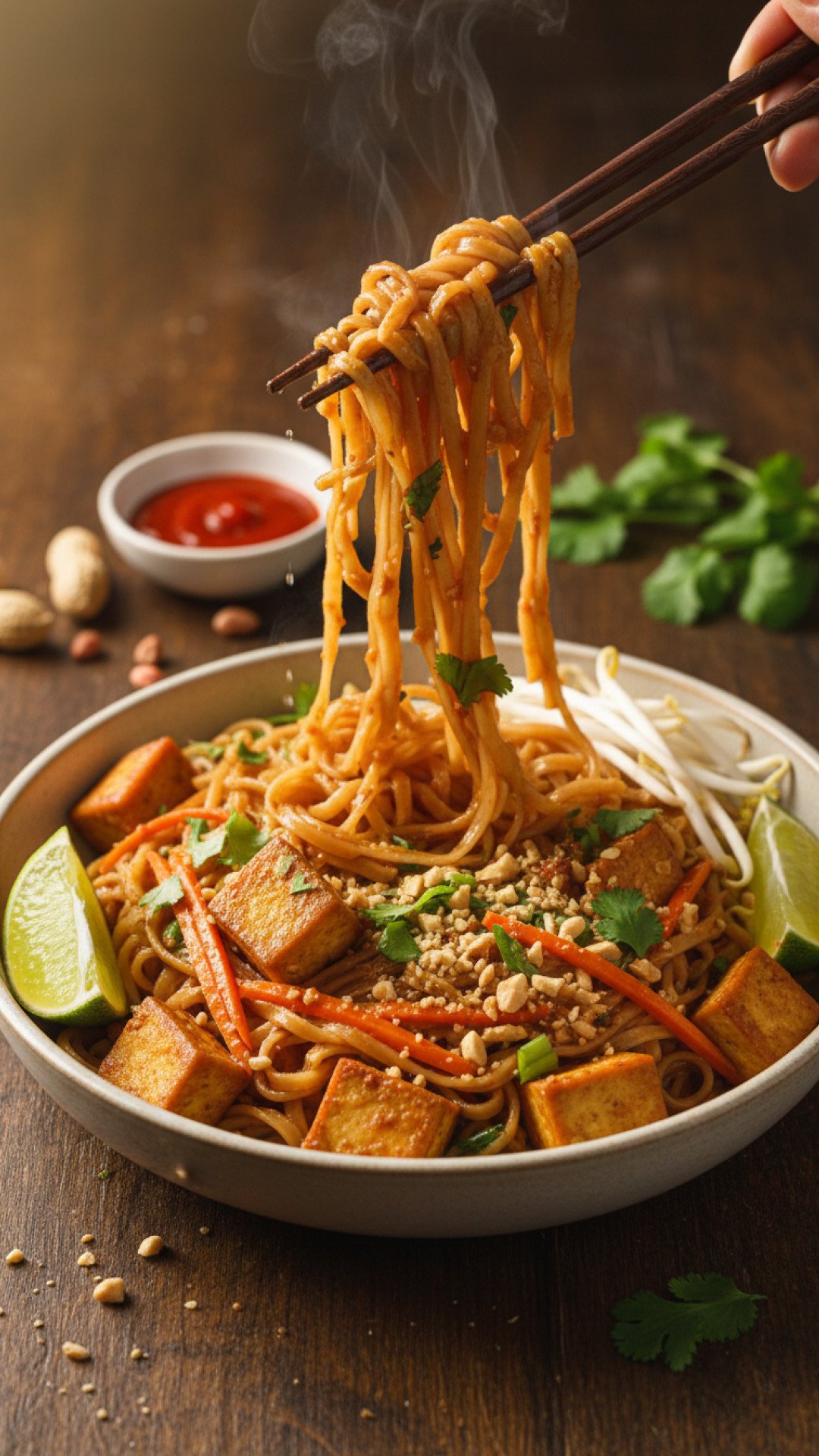
The success of your plant based pad thai depends heavily on a few core components. First and foremost is the Tamarind Paste. This is the 'soul' of the dish. Avoid the sweetened tamarind syrups meant for drinks; you want the thick, tart concentrate usually found in jars or blocks. It provides that signature zing that cannot be replaced by lime juice alone. Second, the Rice Stick Noodles are crucial. I recommend using medium-width dried rice noodles. The secret is to soak them in hot (but not boiling) water until they are 'al dente'—slightly firm to the bite—because they will finish cooking in the pan. If they are too soft before hitting the wok, you will end up with a mushy mess. Finally, using Extra-Firm Tofu is essential. It holds its shape during the high-heat stir-fry process and absorbs the sauce beautifully, providing a meaty texture that makes this plant based pad thai feel substantial. For those who enjoy variety in their plant-based cooking, you might also find inspiration in Crispy Sweet Sour Cauliflower: A Better-Than-Takeout Delight, which shares a similar balance of bold flavors.
Step-by-Step Guide with Pro Tips
Preparation is key when making plant based pad thai because the cooking process moves very quickly. Start by whisking your sauce ingredients together in a small bowl. You want to taste it; it should be a punchy balance of salty and sour. If it is too sour, add a pinch more sugar. Once your noodles are soaked and drained, and your veggies are chopped, you are ready for the heat. Use a large wok or a wide non-stick skillet to allow for maximum surface area. Pro Tip: Cook in batches if your pan is small. If you crowd the pan, the temperature drops, and instead of frying, your ingredients will steam, which ruins the texture of your plant based pad thai. Always keep your heat on high and your spatula moving. If you love the technique of quick stir-frying, you should also check out The Best Low Carb Fried Rice Recipe for Healthy Weeknights for another fast dinner option. When you add the noodles to the pan, pour the sauce directly over them; this allows the noodles to absorb the liquid and soften to perfection. Don't forget the final garnish of crushed peanuts and fresh bean sprouts, which provide the essential crunch that contrasts with the soft noodles.
Variations & Serving Suggestions
This plant based pad thai is incredibly versatile. For a nut-free version, swap the peanuts for toasted sunflower seeds or pumpkin seeds. If you prefer more heat, double the amount of red chili flakes or serve with a side of sriracha. You can also boost the vegetable content by adding thinly sliced bell peppers, snap peas, or shredded carrots. For an extra protein boost beyond tofu, some pan-seared seitan or even 'soy curls' work wonderfully. When serving, always provide extra lime wedges on the side; a fresh squeeze of lime right before eating brightens all the deep flavors of the tamarind and soy. If you have leftovers, they make an excellent lunch the next day. Store your leftovers in Basics Glass Food Storage to keep them fresh and prevent the noodles from drying out. Simply reheat with a splash of water to loosen the sauce back up.
Nutrition Information
| Nutrient | Amount per Serving |
|---|---|
| Calories | 410 kcal |
| CarbohydrateContent | 62g |
| CholesterolContent | 0mg |
| FatContent | 14g |
| FiberContent | 5g |
| ProteinContent | 12g |
| SaturatedFatContent | 2g |
| ServingSize | 1 bowl (approx 400g) |
| SodiumContent | 850mg |
| SugarContent | 12g |
| TransFatContent | 0g |
| UnsaturatedFatContent | 12g |
The values provided above are estimates based on standard ingredient measurements for this plant based pad thai. Actual values may vary depending on the specific brands of noodles and tamarind paste used.
Conclusion
Mastering the art of plant based pad thai is a journey that rewards you with one of the most delicious meals imaginable. By focusing on the balance of the sauce and the texture of the noodles, you can create a dish that is healthy, vibrant, and completely satisfying. I hope this recipe brings a little bit of Thai sunshine to your kitchen and becomes a favorite for your family and friends. Happy cooking!
FAQs
Can I make plant based pad thai gluten-free?
Yes! Simply ensure that you use a certified gluten-free tamari instead of soy sauce. Rice noodles are naturally gluten-free.
What is the best substitute for tamarind paste?
While tamarind is unique, you can substitute it with a mixture of equal parts lime juice and brown sugar, or a splash of rice vinegar. However, for the best plant based pad thai flavor, tamarind is highly recommended.
How do I prevent my noodles from sticking together?
The key is to rinse the soaked noodles in cold water after draining to remove excess starch and toss them with a tiny bit of oil if you aren't using them immediately.
Is plant based pad thai healthy?
Yes, this version is high in plant-based protein from tofu and contains less sodium and saturated fat than traditional versions that use processed fish sauce and eggs.
The Ultimate Plant Based Pad Thai
A vibrant, authentic, and completely vegan version of the classic Thai street food dish, featuring tofu, rice noodles, and a tangy tamarind sauce.
- Total Time: PT30M
- Yield: 4 servings 1x
Ingredients
8 oz medium-width dried rice stick noodles
14 oz extra-firm tofu, pressed and cubed
3 tbsp tamarind paste (concentrate)
3 tbsp soy sauce (or tamari for gluten-free)
2 tbsp coconut sugar or maple syrup
1 tsp sriracha or red chili flakes (adjust to taste)
2 tbsp neutral oil (like avocado or grapeseed)
3 cloves garlic, minced
1 shallot, finely diced
1 cup fresh bean sprouts
1/2 cup garlic chives or scallions, cut into 2-inch pieces
1/4 cup roasted peanuts, crushed
1 lime, cut into wedges
Fresh cilantro for garnish
Instructions
Step 1: Soak the rice noodles in a large bowl of hot (not boiling) water for about 20-30 minutes until they are pliable but still have a firm bite (al dente). Drain and set aside.
Step 2: In a small bowl, whisk together the tamarind paste, soy sauce, coconut sugar, and sriracha until the sugar is dissolved. This is your plant based pad thai sauce.
Step 3: Heat 1 tablespoon of oil in a large wok or non-stick skillet over medium-high heat. Add the cubed tofu and cook until golden brown on all sides. Remove the tofu and set aside.
Step 4: In the same pan, add the remaining tablespoon of oil. Sauté the minced garlic and shallots for about 1 minute until fragrant.
Step 5: Add the drained noodles and the prepared sauce to the pan. Toss constantly using tongs or a spatula over high heat for 2-3 minutes until the noodles absorb the sauce and become tender.
Step 6: Fold in the cooked tofu, bean sprouts, and garlic chives. Toss for another 1 minute until the sprouts are just beginning to wilt.
Step 7: Remove from heat and serve immediately. Garnish each portion of plant based pad thai with crushed peanuts, fresh cilantro, and a lime wedge.
Notes
Always soak noodles in hot water rather than boiling them to ensure they don't get mushy. If you don't have tamarind, a mix of lime juice and brown sugar can work in a pinch, though the flavor won't be as authentic.
- Prep Time: PT15M
- Cook Time: PT15M
- Category: Main Dishes & Savory Recipes
- Cuisine: Thai
Nutrition
- Serving Size: 1 bowl (approx 400g)
- Calories: 410 kcal
- Sugar: 12g
- Sodium: 850mg
- Fat: 14g
- Saturated Fat: 2g
- Unsaturated Fat: 12g
- Trans Fat: 0g
- Carbohydrates: 62g
- Fiber: 5g
- Protein: 12g
- Cholesterol: 0mg
Leave a Reply