
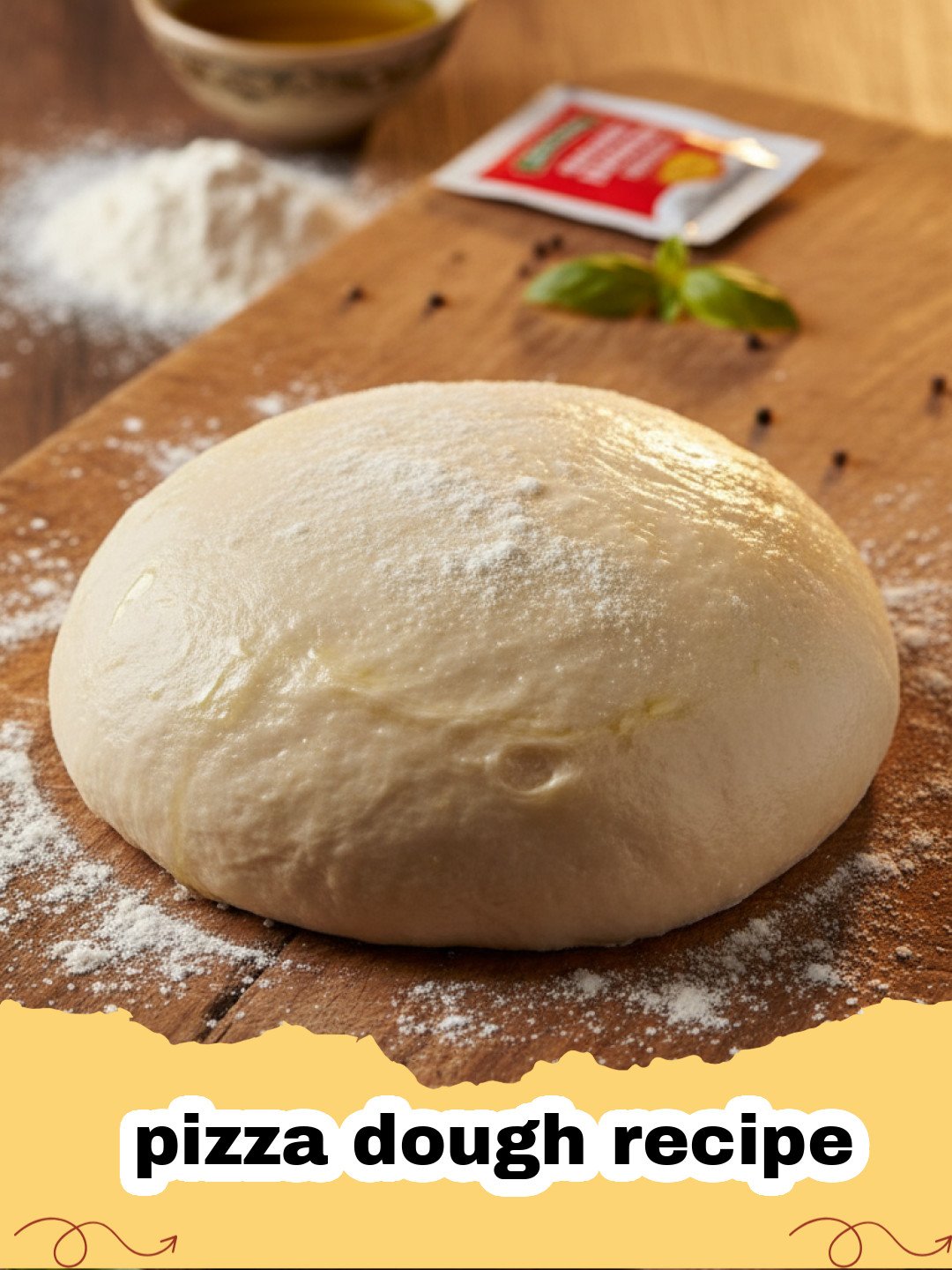
Finding the perfect pizza dough recipe changed my life on a rainy Tuesday evening when I realized that delivery just wasn't going to cut it anymore. There is something profoundly therapeutic about the rhythmic motion of kneading dough, feeling the transformation from a sticky mess of flour and water into a smooth, elastic ball of potential. For years, I struggled with store-bought bases that were either too cracker-like or suspiciously bready, never hitting that sweet spot of a charred, airy rim and a sturdy base. After months of experimentation, countless flour-dusted countertops, and more than a few 'experimental' pies, I finally cracked the code to a pizza dough recipe that brings the authentic pizzeria experience right into my humble home kitchen. Whether you are a seasoned baker or a complete novice, this method is designed to be approachable, reliable, and, most importantly, delicious.
Why This Recipe is a Must-Try
- Ultimate Texture: This pizza dough recipe balances a crispy exterior with a light, airy crumb, thanks to a specific hydration ratio.
- No Fancy Equipment Needed: While a stand mixer helps, I have designed this to be easily made by hand with just a bowl and some elbow grease.
- Make-Ahead Friendly: You can prep this dough days in advance; in fact, a long cold ferment in the fridge only makes the flavor more complex.
- Versatility: Use this same base for calzones, garlic knots, or even focaccia if you are feeling creative.
Key Ingredient Notes
To master this pizza dough recipe, the quality and type of your ingredients matter more than you might think. First, let's talk about flour. While all-purpose flour works in a pinch, I highly recommend using '00' flour or a high-protein bread flour. Bread flour provides the gluten structure needed for that classic chew, while '00' flour, common in Italy, results in a silkier texture and a beautiful char. If you enjoy hearty textures, you might even pair your pizza night with a side from The Ultimate Homemade Lasagna Recipe for Family Dinners for a full Italian feast.
The second hero is the yeast. I prefer using Instant Yeast because it can be mixed directly with dry ingredients, skipping the proofing step. However, if you use Active Dry Yeast, ensure your water is between 105°F and 110°F. Too hot, and you kill the yeast; too cold, and it won't wake up. Lastly, never skip the salt. Salt isn't just for flavor; it actually regulates the yeast activity and strengthens the gluten network, ensuring your pizza dough recipe doesn't over-proof and collapse.
Step-by-Step Guide with Pro Tips
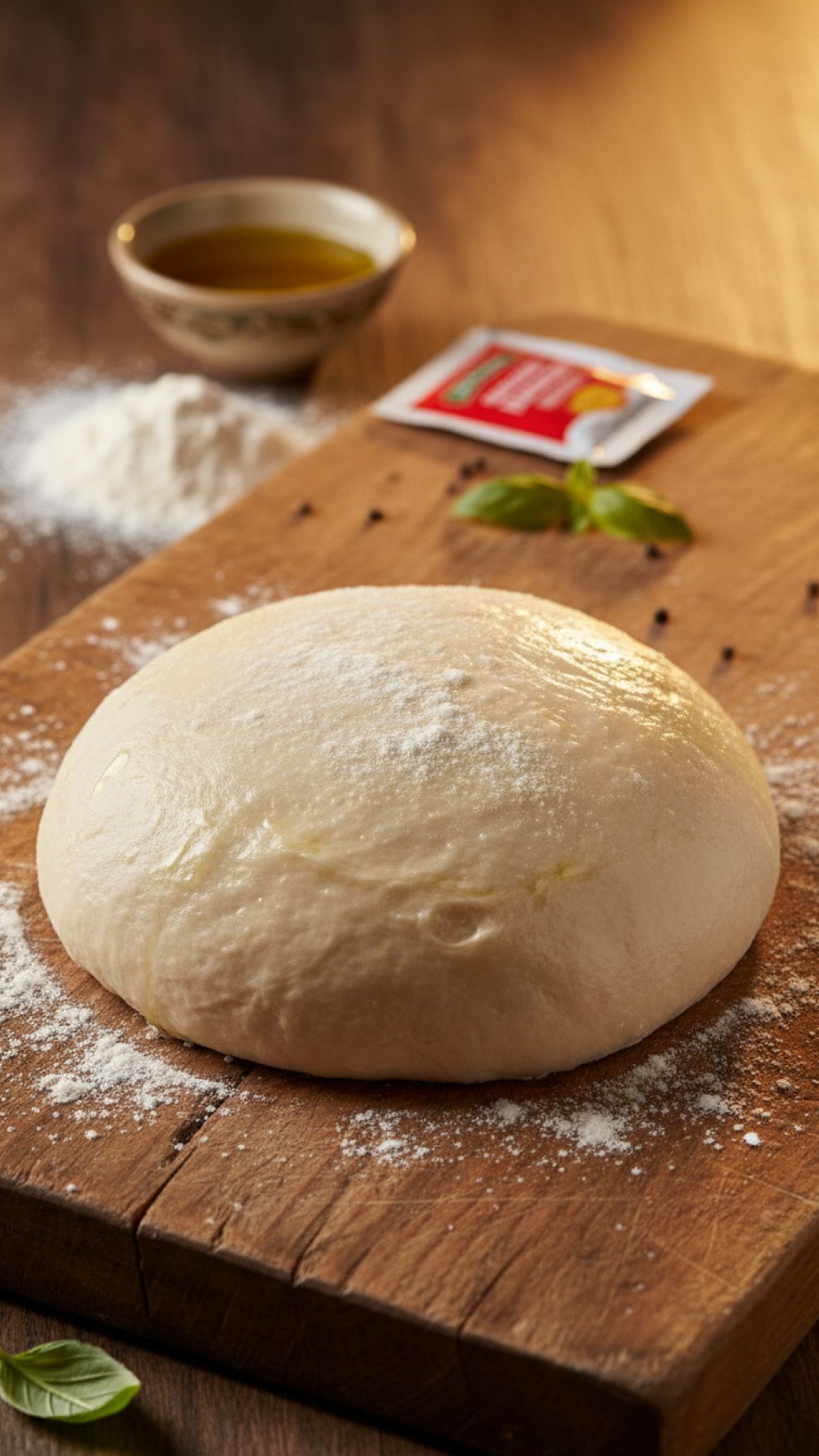
Creating the perfect pizza dough recipe is a journey of patience. Start by whisking your flour, salt, and yeast in a large mixing bowl. Slowly add lukewarm water and a touch of olive oil. Using a sturdy spoon, stir until a shaggy mass forms. If the dough feels too dry, add water one tablespoon at a time. If it’s a sticky disaster, a light dusting of flour will help.
Once the dough comes together, turn it out onto a floured surface. This is where the magic happens. Knead the dough for about 8 to 10 minutes. You are looking for the 'windowpane test'—when a small piece of dough can be stretched thin enough to see light through it without tearing. After kneading, place your dough in a lightly oiled container. I highly recommend using Basics Glass Food Storage containers for the rising process because they allow you to easily monitor the dough's expansion and keep it airtight in the fridge.
Let the dough rise in a warm, draft-free spot until doubled in size, which usually takes 60 to 90 minutes. Pro Tip: If you have the time, after the first hour, punch the dough down and put it in the refrigerator for 24 hours. This 'cold ferment' allows the yeast to produce more flavorful byproducts, resulting in a crust that tastes like it came from a wood-fired oven in Naples. When you're ready to bake, remember that high heat is your best friend. Crank your oven as high as it will go—usually 500°F or 550°F—and use a preheated pizza stone or steel for the best results.
Variations & Serving Suggestions
Once you have mastered the basic pizza dough recipe, the world is your topping! For a Mediterranean vibe, try a 'White Pizza' using garlic-infused olive oil, ricotta, and fresh spinach. If you prefer something classic, a simple San Marzano tomato sauce and fresh buffalo mozzarella never go out of style. You can also incorporate dried herbs like oregano or basil directly into the dough during the kneading phase for an extra layer of aromatics.
If you find yourself with leftover dough, don't let it go to waste. Roll it into small balls, fry them, and toss them in cinnamon sugar for a quick dessert. Speaking of sweets, if you're planning a full dinner party, this pizza dough recipe pairs excellently with a decadent dessert like The Ultimate Soft and Chewy Chocolate Chip Cookies Recipe to round out the evening. For a savory twist, use the dough to wrap around high-quality sausages for the ultimate fancy 'pigs in a blanket'.
Nutrition Information
Understanding the nutritional profile of your homemade crust can help you balance your meal. Below is the estimated nutrition for one serving of this pizza dough recipe.
| Nutrient | Amount per Serving |
|---|---|
| Calories | 280 kcal |
| Total Fat | 4g |
| Saturated Fat | 0.5g |
| Trans Fat | 0g |
| Unsaturated Fat | 3g |
| Cholesterol | 0mg |
| Sodium | 450mg |
| Carbohydrates | 52g |
| Fiber | 2g |
| Sugar | 1g |
| Protein | 8g |
Conclusion
Mastering this pizza dough recipe is a rewarding skill that will elevate your weekend dinners and impress your friends. There is nothing quite like the pride of pulling a bubbling, golden-brown pizza out of your own oven. Remember, the key is patience and high-quality ingredients. Once you get the hang of the kneading and rising process, you will never want to go back to pre-made crusts again. Happy baking, and may your crusts always be crispy and your cheese always be perfectly melted!
FAQs
Can I freeze this pizza dough recipe?
Yes! This pizza dough recipe freezes beautifully. After the first rise, divide the dough into balls, coat lightly in oil, and place in freezer-safe bags. Thaw in the refrigerator overnight before using.
What is the best flour for a pizza dough recipe?
For an authentic, crispy-yet-chewy crust, '00' flour is the gold standard. However, high-protein bread flour is an excellent substitute that provides a great chew.
Why is my pizza dough snapping back when I stretch it?
If the dough snaps back, it means the gluten is too tight. Let the dough rest at room temperature for another 15-20 minutes to allow the gluten to relax, then try stretching again.
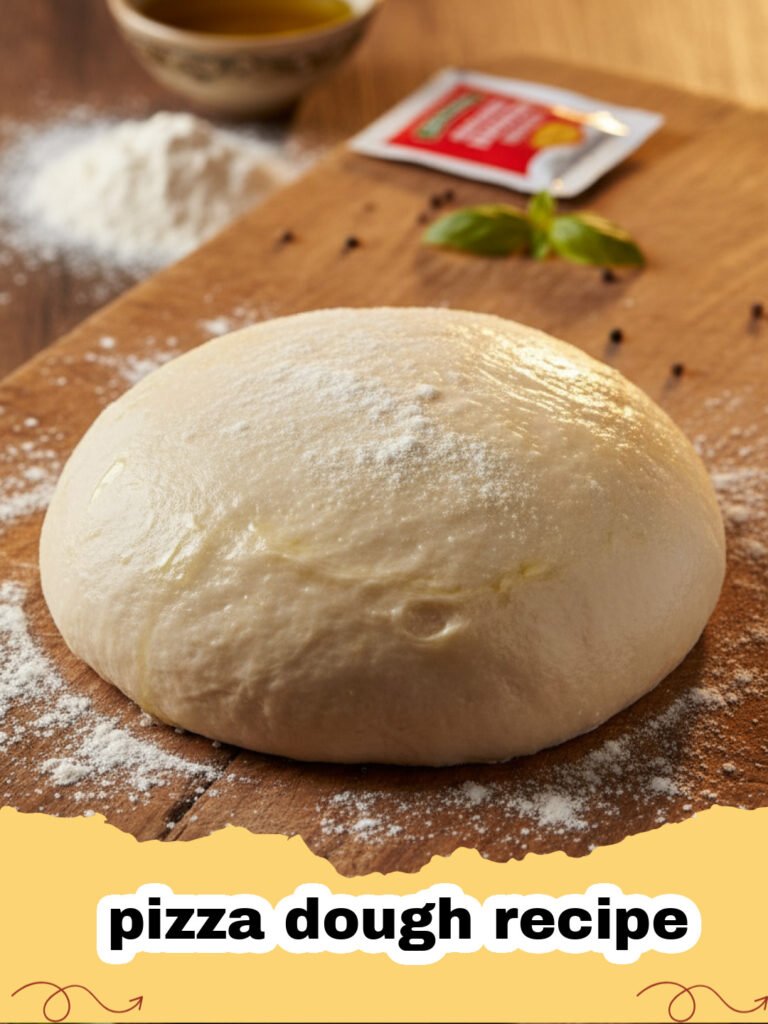
Homemade Artisan Pizza Dough
A foolproof pizza dough recipe that yields a crispy, chewy, and flavorful crust every single time. Perfect for beginners and pros alike.
- Total Time: 1 hour 45 minutes
- Yield: 2 medium pizzas 1x
Ingredients
3.5 to 4 cups (500g) '00' flour or bread flour
1.5 cups (350ml) lukewarm water (approx 105°F)
2.25 tsp (1 packet) Instant Yeast
2 tsp Sea salt
1 tbsp Extra virgin olive oil
1 tsp Sugar or honey (optional, for browning)
Instructions
Step 1: In a large bowl, combine the flour, salt, and instant yeast. Whisk together until evenly distributed.
Step 2: Create a well in the center of the dry ingredients and pour in the lukewarm water, olive oil, and sugar (if using).
Step 3: Stir with a wooden spoon until a shaggy dough begins to form and no dry flour remains at the bottom of the bowl.
Step 4: Turn the dough out onto a lightly floured surface and knead by hand for 8-10 minutes until smooth and elastic.
Step 5: Place the dough in a lightly greased bowl, cover with a damp cloth, and let rise in a warm spot for 1 to 1.5 hours until doubled in size.
Step 6: Gently punch down the dough and divide into two equal portions. Shape into smooth balls and let rest for 15 minutes before stretching.
Step 7: Preheat your oven and pizza stone to its highest setting (500°F+). Stretch the dough, add toppings, and bake for 8-12 minutes until the edges are charred and golden.
Notes
For the best flavor, let the dough rise in the refrigerator for 24-48 hours. This cold fermentation develops deep, complex flavors in the crust.
- Prep Time: 20 minutes
- Cook Time: 10 minutes
- Category: Desserts & Baking
- Cuisine: Italian
Nutrition
- Serving Size: 1/4 of recipe
- Calories: 280 kcal
- Sugar: 1g
- Sodium: 450mg
- Fat: 4g
- Saturated Fat: 0.5g
- Unsaturated Fat: 3g
- Trans Fat: 0g
- Carbohydrates: 52g
- Fiber: 2g
- Protein: 8g
- Cholesterol: 0mg
Leave a Reply