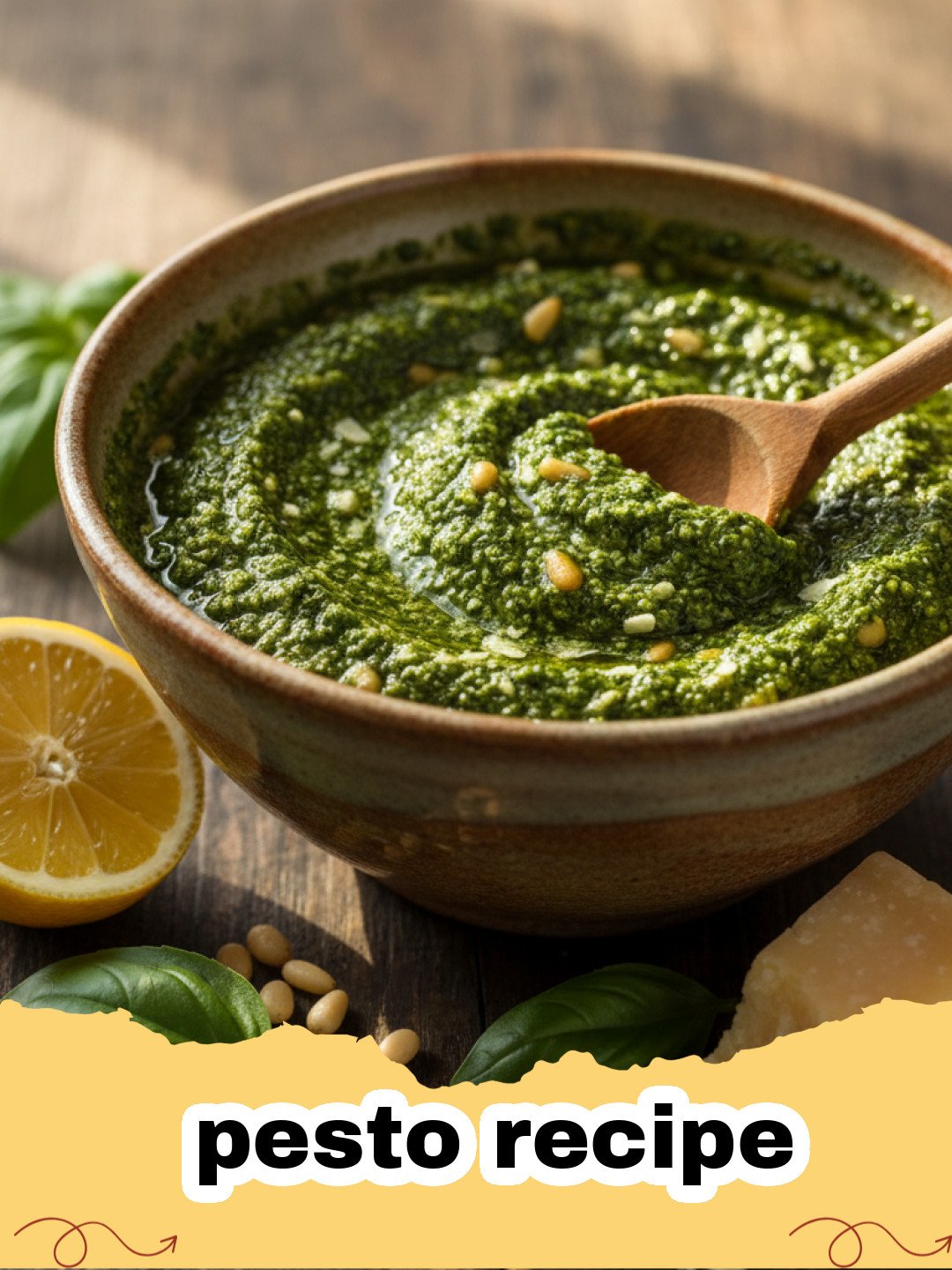
Ah, summer! For me, the word conjures up images of sun-drenched days, long evenings, and the unmistakable aroma of fresh basil wafting through the air. There's truly nothing quite like it. My journey with the perfect pesto recipe started many years ago, in my grandmother's tiny, bustling kitchen. She had this incredible knack for transforming the simplest ingredients into culinary masterpieces. Her garden, a riot of green and purple, always boasted the most fragrant basil plants, leaves so lush they practically begged to be plucked. I remember vividly watching her, hands stained green from countless basil leaves, as she deftly combined pine nuts, garlic, Parmesan, and olive oil in a mortar and pestle. The rhythmic thudding and grinding, the gradual transformation of vibrant leaves into a rich, emerald paste – it was pure magic. That aroma, that vibrant color, the explosion of fresh, savory, and nutty flavors on a piece of crusty bread or tossed with pasta – it cemented my love for homemade pesto. It wasn't just food; it was an experience, a memory encapsulated in every spoonful. For years, I tried to replicate her exact method, sometimes succeeding, sometimes falling short. But what I learned was the essence of a great pesto recipe isn't about rigid rules, but about fresh, quality ingredients and a little bit of love. And today, I'm thrilled to share my perfected version with you, a recipe that captures the spirit of Nonna's kitchen but with a modern, time-saving twist, bringing that taste of Italian summer right to your table in under 10 minutes. This isn't just any pesto recipe; it's a journey back to the roots of flavor, a celebration of simplicity, and a testament to the power of fresh ingredients.
Why This Pesto Recipe is a Must-Try
- Unbeatable Freshness: Unlike store-bought versions, this homemade pesto recipe bursts with the vibrant, authentic flavors of fresh basil and high-quality olive oil. You control every ingredient, ensuring peak freshness and taste.
- Lightning Fast: Forget complicated culinary endeavors! This pesto recipe comes together in under 10 minutes, making it perfect for a quick weeknight dinner or an impromptu gathering. A food processor does all the heavy lifting.
- Incredibly Versatile: From classic pasta dishes to sandwiches, pizzas, and even grilled meats, this pesto recipe is a culinary chameleon. Its rich flavor elevates almost any dish.
- Customizable to Your Taste: Want more garlic? Less cheese? A different nut? This pesto recipe is a fantastic base for experimentation, allowing you to tailor it perfectly to your palate.
Key Ingredient Notes
The beauty of a classic pesto recipe lies in the quality of its few, but mighty, ingredients. Each plays a crucial role in creating that iconic flavor profile.
Fresh Basil
This is the undisputed star of any pesto recipe. Use only the freshest, brightest green basil leaves you can find. Avoid any bruised or wilted leaves, as they can impart a bitter taste. The aroma should be pungent and sweet. Sweet Genovese basil is the traditional choice, but other varieties like Thai basil (for a different twist) can also be explored if you're feeling adventurous. Wash your basil thoroughly and dry it completely before using; excess water can make your pesto watery and can reduce its shelf life.
Pine Nuts
Pine nuts provide a subtle creaminess and a delicate, buttery flavor that is quintessential to a classic pesto recipe. While they can be used raw, lightly toasting them in a dry pan for a few minutes until fragrant brings out their nutty depth. Be careful not to burn them, as they can turn bitter very quickly. If you have a nut allergy or can't find pine nuts, walnuts or even blanched almonds can be a decent substitute, though they will alter the traditional flavor profile of this pesto recipe.
Parmesan Cheese (Parmigiano-Reggiano)
Authentic Parmigiano-Reggiano is non-negotiable for a truly exceptional pesto recipe. Its salty, umami-rich, and slightly granular texture adds incredible depth and complexity. Pre-grated cheeses often contain anti-caking agents that can affect the texture and flavor, so it's always best to grate your own fresh block. For a dairy-free or vegan pesto recipe, you can omit the cheese and increase the nutritional yeast, or use a good quality plant-based Parmesan alternative.
Step-by-Step Guide with Pro Tips
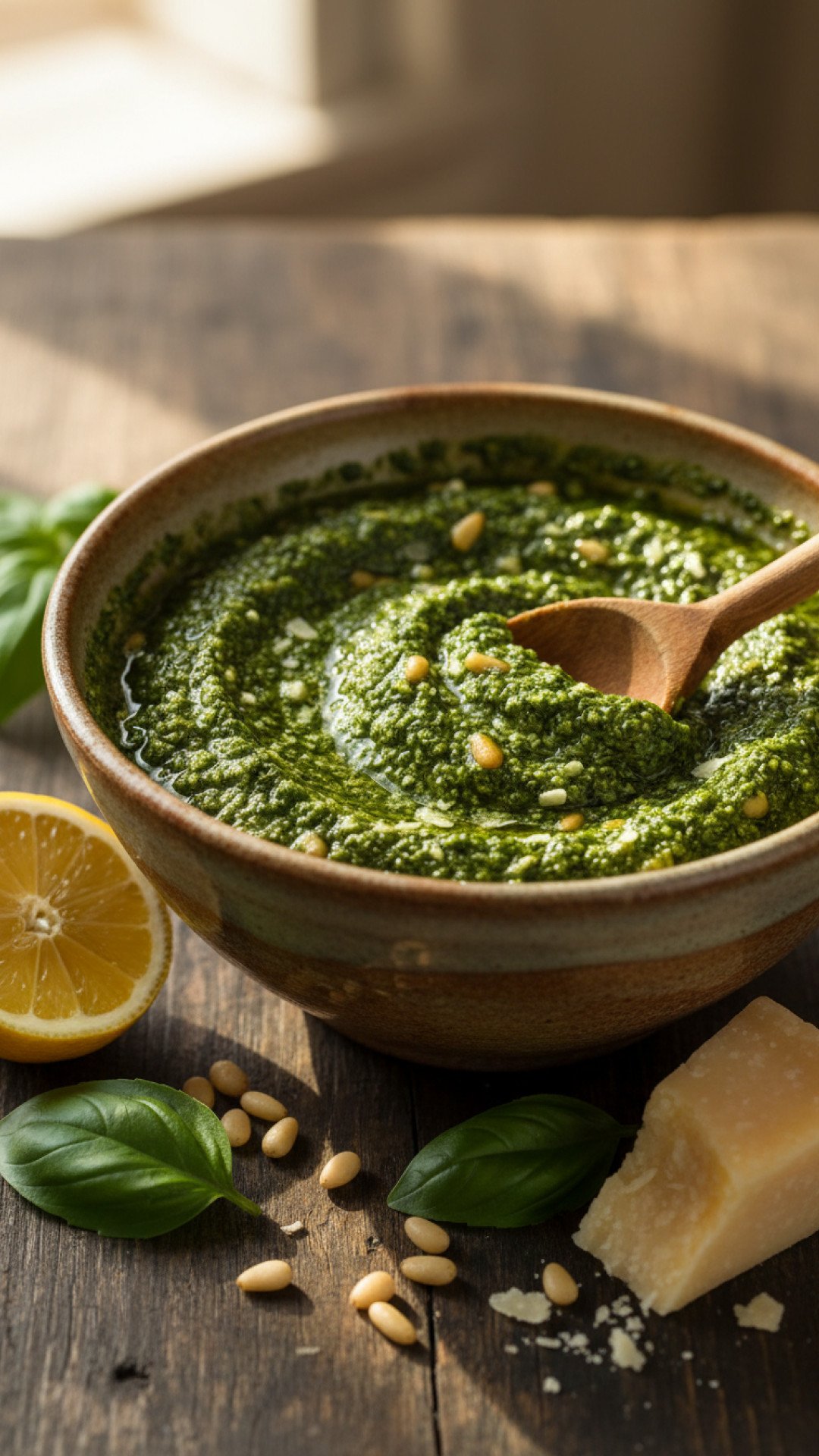
Making your own pesto recipe is surprisingly simple, especially with a food processor. Follow these steps for perfect pesto every time!
- Step 1: Gather your ingredients. Ensure your basil is washed and thoroughly dried. Have your pine nuts (toasted or raw), garlic, Parmesan, olive oil, salt, and pepper ready.
- Step 2: In the bowl of a food processor, combine the fresh basil leaves, pine nuts, garlic cloves, and a pinch of salt. Pulse several times until the mixture is finely chopped but not yet a paste. Pro Tip: Don't over-process at this stage, as you want to break down the ingredients evenly before adding the oil.
- Step 3: Add the freshly grated Parmesan cheese to the food processor. Pulse a few more times until everything is well combined and starts to resemble a coarse paste.
- Step 4: With the food processor running on low speed, slowly drizzle in the extra virgin olive oil through the feed tube. Continue to process until the pesto recipe reaches your desired consistency – smooth but still with a slight texture. Pro Tip: Drizzling slowly emulsifies the oil, preventing it from separating and creating a creamier pesto.
- Step 5: Taste the pesto and adjust seasoning as needed. Add more salt, freshly ground black pepper, or even a squeeze of fresh lemon juice if you desire a brighter flavor. Lemon juice also helps to preserve the vibrant green color of your pesto recipe.
- Step 6: Transfer the fresh pesto to an airtight container. If not using immediately, press a piece of plastic wrap directly onto the surface of the pesto before sealing the container. This prevents oxidation and helps maintain its beautiful green color. Refrigerate for up to a week.
Variations & Serving Suggestions
This classic pesto recipe is fantastic on its own, but it's also incredibly adaptable! Here are some ideas to inspire your culinary creativity:
- Pasta Perfect: The most classic pairing! Toss your freshly made pesto with hot pasta, a splash of pasta water, and maybe some cherry tomatoes and a sprinkle of extra Parmesan. For a hearty meal, consider pairing it with our Garlic Parmesan Green Beans for a truly complete and delicious experience.
- Pizza Base: Spread a thin layer of pesto instead of tomato sauce on your pizza dough for a fresh, herbaceous base. Top with mozzarella, sun-dried tomatoes, and perhaps some grilled chicken.
- Sandwich & Wrap Spread: Elevate your everyday sandwiches. Pesto adds a gourmet touch to turkey, chicken, or veggie wraps.
- Bruschetta & Crostini: Spread a spoonful of pesto on toasted baguette slices and top with fresh mozzarella, chopped tomatoes, or roasted red peppers for an elegant appetizer.
- Marinade & Rub: Use this pesto recipe as a vibrant marinade for chicken, fish, or pork before grilling or roasting. It also makes a fantastic rub for lamb chops.
- Roasted Vegetables: Drizzle a little pesto over roasted potatoes, asparagus, or bell peppers for an instant flavor boost.
- Soups & Stews: Swirl a spoonful of pesto into minestrone or a vegetable soup just before serving for an extra layer of flavor.
- Creamy Dips: Blend pesto with cream cheese, Greek yogurt, or sour cream for a delicious dip for crackers and vegetables.
- Nut Variations: Experiment with walnuts, almonds, or even pistachios instead of pine nuts for different flavor profiles in your pesto recipe.
- Greens Beyond Basil: While basil is traditional, you can also make pesto with a mix of basil and spinach, arugula, kale, or even sun-dried tomatoes for unique flavor combinations.
Nutrition Information
| Nutrient | Amount per Serving |
|---|---|
| Calories | 350 kcal |
| Carbohydrates | 4 g |
| Cholesterol | 15 mg |
| Total Fat | 35 g |
| Fiber | 1 g |
| Protein | 8 g |
| Saturated Fat | 6 g |
| Serving Size | 2 tablespoons (30g) |
| Sodium | 350 mg |
| Sugar | 1 g |
| Trans Fat | 0 g |
| Unsaturated Fat | 28 g |
Remember, these are estimates and can vary based on specific ingredients and brands used.
Conclusion
Making your own homemade pesto recipe is one of those culinary triumphs that feels incredibly rewarding. It's a testament to the power of fresh, simple ingredients and a skill that will serve you well in countless kitchen adventures. This isn't just a sauce; it's a vibrant, flavorful staple that can elevate almost any dish you prepare. I encourage you to whip up a batch, savor the process, and enjoy the incredible taste of truly fresh pesto. And don't forget, it makes a wonderful gift for fellow food lovers too! Store any extra pesto in an airtight container, perhaps even some Basics Glass Food Storage containers, to keep it fresh for days. So go ahead, embrace the green goodness, and make this pesto recipe your own. Happy cooking!
FAQs
What is the best type of basil to use for a pesto recipe?
The best type of basil for a traditional pesto recipe is Sweet Genovese basil. Its large, fragrant leaves provide the classic, slightly sweet, and peppery flavor profile that is characteristic of authentic Italian pesto. Always use fresh, vibrant green leaves for the best results.
Can I make this pesto recipe without pine nuts?
Yes, you can! While pine nuts are traditional, you can substitute them with other nuts like walnuts, cashews, or blanched almonds if you have a nut allergy or prefer a different flavor. Just remember that the flavor and texture of your pesto recipe will be slightly different from the classic version.
How long does homemade pesto last and how should I store it?
Homemade pesto recipe typically lasts for about 1 week in the refrigerator when stored in an airtight container. To prevent browning and keep it fresh, press a layer of plastic wrap directly onto the surface of the pesto before sealing. For longer storage, you can freeze pesto in ice cube trays; once frozen, transfer the cubes to a freezer-safe bag, and it will last for several months.
What are some creative ways to use leftover pesto?
Beyond pasta, this versatile pesto recipe can be used as a spread for sandwiches or wraps, a base for pizza instead of tomato sauce, a flavorful addition to scrambled eggs or omelets, or swirled into soups and stews. It also makes a fantastic marinade for grilled chicken or vegetables, and a delicious topping for bruschetta or roasted potatoes. The possibilities for using this pesto recipe are endless!
Homemade Basil Pesto
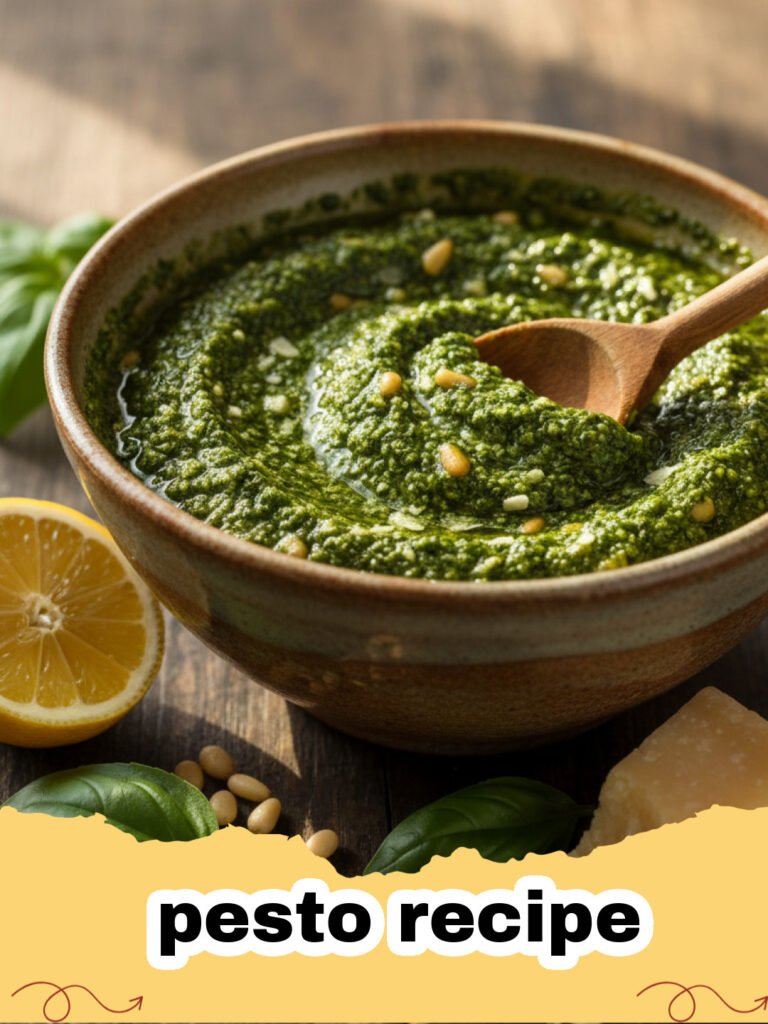
This quick and easy pesto recipe brings the vibrant flavors of fresh basil, garlic, pine nuts, and Parmesan cheese together in just 10 minutes. Perfect for pasta, sandwiches, or as a flavorful spread.
- Total Time: 10 minutes
- Yield: 1.5 cups (4-6 servings) 1x
Ingredients
2 cups fresh basil leaves, packed (about 2 large bunches)
1/2 cup grated Parmigiano-Reggiano cheese
1/3 cup pine nuts (lightly toasted, optional)
2 large garlic cloves, peeled
1/2 cup extra virgin olive oil
1/2 teaspoon salt
1/4 teaspoon black pepper
Instructions
Step 1: In the bowl of a food processor, combine the fresh basil leaves, pine nuts, garlic cloves, and salt. Pulse several times until the mixture is finely chopped.
Step 2: Add the freshly grated Parmigiano-Reggiano cheese to the food processor. Pulse a few more times until well combined and the mixture starts to resemble a coarse paste.
Step 3: With the food processor running on low speed, slowly drizzle in the extra virgin olive oil through the feed tube. Continue to process until the pesto reaches your desired consistency – smooth but still with a slight texture.
Step 4: Taste the pesto and adjust seasoning as needed. Add more salt, freshly ground black pepper, or a squeeze of fresh lemon juice if desired for a brighter flavor. Lemon juice also helps maintain the vibrant green color.
Step 5: Transfer the fresh pesto to an airtight container. If not using immediately, press a piece of plastic wrap directly onto the surface of the pesto before sealing the container. Refrigerate for up to a week. For longer storage, freeze in ice cube trays.
Notes
For best results, use fresh, high-quality ingredients, especially your basil and olive oil. Toasting the pine nuts is optional but adds a deeper, nuttier flavor. If you prefer a milder garlic flavor, blanch the garlic cloves in boiling water for 30 seconds before adding them to the food processor. Store leftover pesto in the refrigerator for up to one week, or freeze in ice cube trays for longer storage.
- Prep Time: 5 minutes
- Cook Time: 0 minutes
- Category: Main Dishes & Savory Recipes
- Cuisine: Italian
Nutrition
- Serving Size: 2 tablespoons (30g)
- Calories: 350 kcal
- Sugar: 1 g
- Sodium: 350 mg
- Fat: 35 g
- Saturated Fat: 6 g
- Unsaturated Fat: 28 g
- Trans Fat: 0 g
- Carbohydrates: 4 g
- Fiber: 1 g
- Protein: 8 g
- Cholesterol: 15 mg