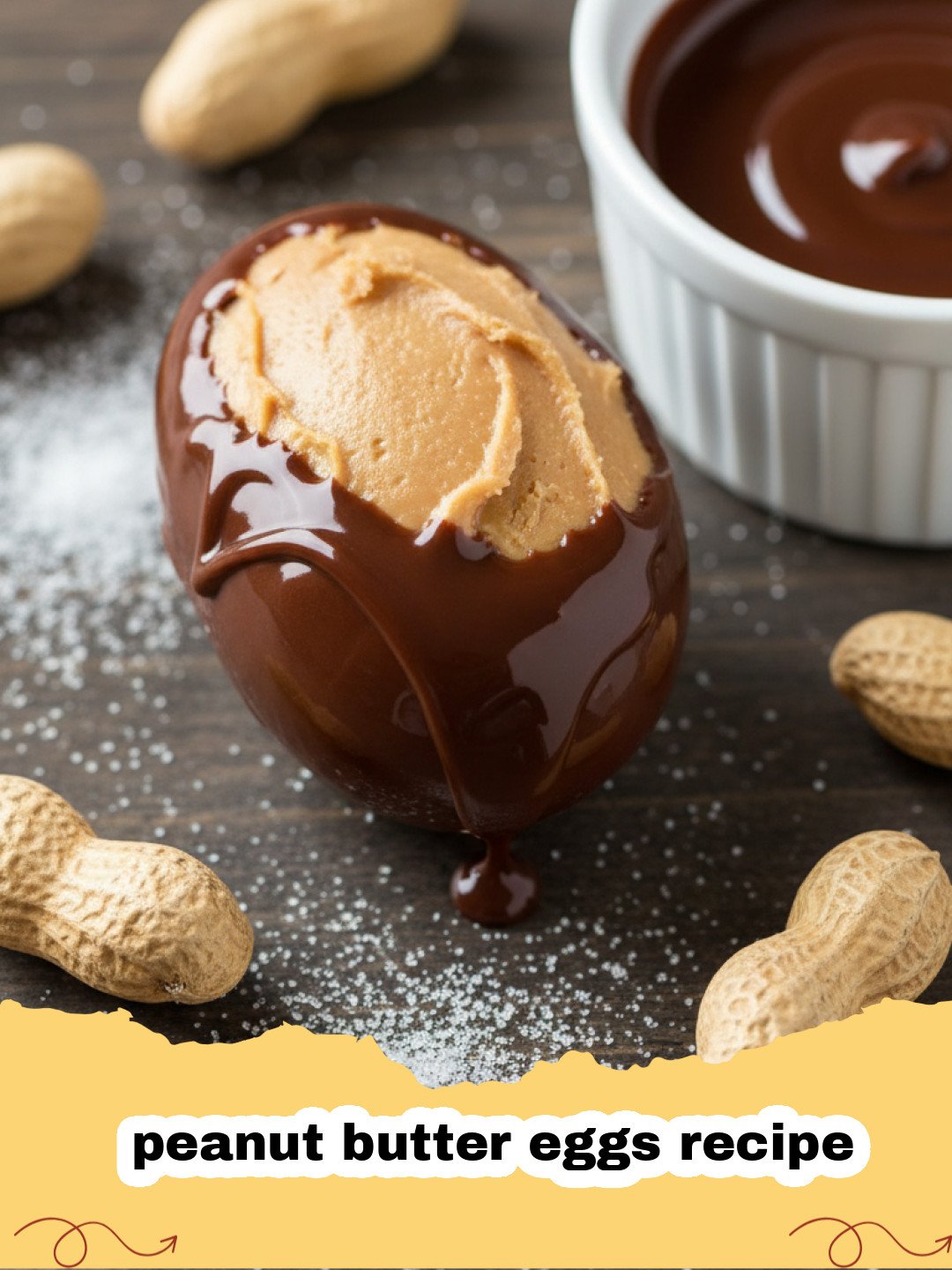
This peanut butter eggs recipe is exactly what you need to make this holiday season feel truly magical. I remember standing in the kitchen as a little girl, my nose barely reaching the counter, watching my grandmother carefully dip oval-shaped morsels of nutty delight into a shimmering pool of melted chocolate. For years, I thought the only way to get that perfect hit of creamy peanut butter and snap of chocolate was to buy them from a yellow package at the grocery store. However, once I perfected this peanut butter eggs recipe in my own kitchen, I realized that store-bought versions don't even come close. There is something about the balance of slightly salty, creamy peanut butter and the rich, decadent coating of high-quality chocolate that creates a nostalgic flavor profile no factory can replicate. Making these at home has become a cherished tradition in our household, and today, I am sharing every little secret so you can master this peanut butter eggs recipe too.
Why This Peanut Butter Eggs Recipe is a Must-Try
- Better Than Store-Bought: This peanut butter eggs recipe uses real butter and high-quality chocolate, avoiding the waxy aftertaste often found in commercial candies.
- No-Bake Simplicity: You don't need to turn on the oven! This is a simple, straightforward process that is perfect for involving kids in the kitchen.
- Perfect Texture: By controlling the ratio of powdered sugar to peanut butter, you get a filling that is melt-in-your-mouth smooth, not grainy.
- Customizable Sweetness: You can choose between dark, milk, or white chocolate to suit your personal preference, making this peanut butter eggs recipe incredibly versatile.
Key Ingredient Notes for Your Peanut Butter Eggs Recipe
To ensure your peanut butter eggs recipe turns out perfectly, pay close attention to these three main components. First and foremost is the peanut butter itself. For this specific peanut butter eggs recipe, I highly recommend using a standard creamy peanut butter (like Jif or Skippy) rather than the natural, oily varieties. Natural peanut butters tend to separate, which can make your egg centers greasy or prone to falling apart. The stabilizers in traditional peanut butter provide the structure needed for a firm, shapable dough.
Secondly, let's talk about the chocolate. While chocolate chips work in a pinch, using a high-quality chocolate bar or couverture chocolate will give you a much smoother finish and a better 'snap' when you bite into the egg. If you choose to use chips, adding a small amount of coconut oil or shortening is a vital step in this peanut butter eggs recipe to help the chocolate flow smoothly and set with a beautiful sheen.
Finally, the powdered sugar (confectioners' sugar) is what provides both sweetness and structure. Always sift your powdered sugar before adding it to the mixture. This prevents any lumps from ruining the velvety texture of your peanut butter eggs recipe. If you find the dough too sticky to handle, a little extra sugar can be added, but be careful not to overdo it, as you want to maintain that iconic creamy center.
Step-by-Step Guide with Pro Tips
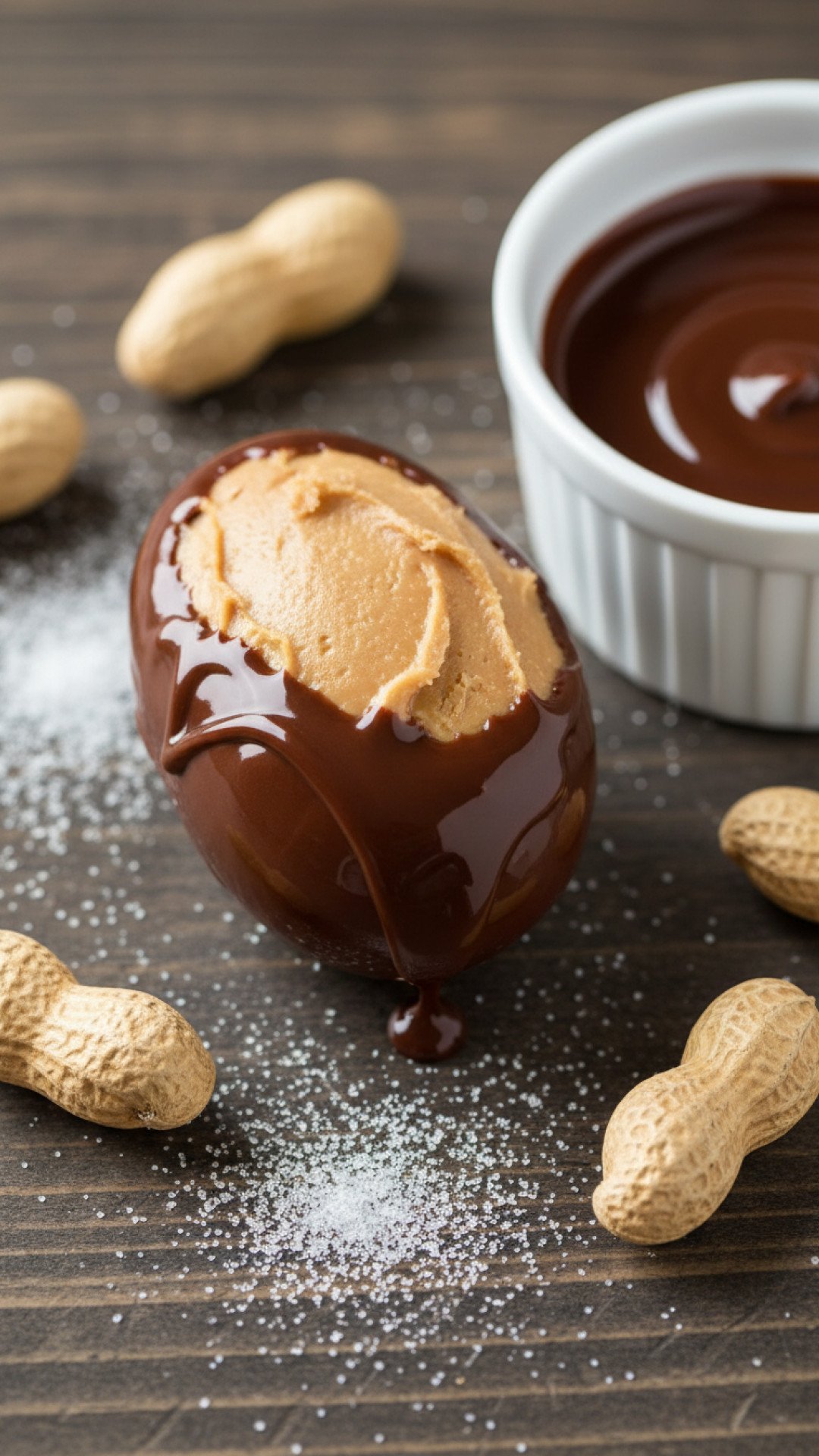
The first stage of this peanut butter eggs recipe involves creating the 'dough.' You'll cream together softened butter and peanut butter until they are completely homogenous. Gradually adding the powdered sugar will transform the mixture into a moldable consistency. A pro tip for this peanut butter eggs recipe: if you find the mixture is sticking to your hands, lightly dust your palms with powdered sugar or chill the dough for 15 minutes before shaping.
Once shaped into ovals, the eggs must be chilled. Do not skip this step! Chilling is the secret to a successful peanut butter eggs recipe because it prevents the centers from melting when they hit the warm chocolate. While the eggs are firming up in the freezer, you can prepare your dipping station. Using a microwave-safe bowl or a double boiler, melt your chocolate slowly. If you use the microwave, heat in 30-second bursts, stirring in between to prevent scorching.
When dipping, I like to use a fork to lift the eggs out of the chocolate, tapping the fork against the side of the bowl to let the excess drip off. This ensures a thin, professional-looking coating. After they are dipped, place them on parchment paper to set. To keep your treats fresh and organized, I recommend storing them in Basics Glass Food Storage containers in the refrigerator. This keeps the chocolate crisp and the peanut butter centers perfectly chilled.
Variations & Serving Suggestions
While the classic milk chocolate coating is a favorite for this peanut butter eggs recipe, don't be afraid to get creative! You can sprinkle a touch of flaky sea salt on top of the wet chocolate for a sophisticated salty-sweet combo. For an extra crunch, try mixing in a handful of crushed pretzels or rice cereal into the peanut butter dough. If you are preparing a full holiday spread, these eggs pair beautifully with other seasonal desserts. For instance, you might want to serve them alongside The Ultimate Easter Poke Cake Recipe for Your Holiday Table to give your guests a variety of textures and flavors.
If you're looking for something savory to balance the sweetness of this peanut butter eggs recipe, you might also consider prepping some eggs in a different way. While these are chocolate-covered, holiday brunch often calls for the real deal. Check out The Foolproof Hard Boiled Eggs Recipe for Easy Peeling Every Time for the perfect savory accompaniment to your Easter morning festivities. Serving these peanut butter eggs on a platter surrounded by colorful jelly beans or festive sprinkles also makes for a stunning centerpiece.
Nutrition Information
The following table provides estimated nutritional values for one serving of this peanut butter eggs recipe. Please note that these are estimates based on standard ingredients.
| Nutrient | Amount per Serving |
|---|---|
| Calories | 185 kcal |
| Carbohydrate Content | 18g |
| Cholesterol Content | 5mg |
| Fat Content | 11g |
| Fiber Content | 1g |
| Protein Content | 4g |
| Saturated Fat Content | 5g |
| Serving Size | 1 Egg |
| Sodium Content | 85mg |
| Sugar Content | 15g |
| Trans Fat Content | 0g |
| Unsaturated Fat Content | 6g |
Conclusion
Mastering this peanut butter eggs recipe is a rewarding experience that brings a touch of homemade love to your holiday celebrations. Whether you are making them for your family, gifting them to friends, or simply treating yourself, these chocolate-covered delights are sure to be a hit. Remember to use quality ingredients and give yourself plenty of time for chilling to ensure the best results. I hope this peanut butter eggs recipe becomes a staple in your kitchen for many years to come!
FAQs
Can I use natural peanut butter for this peanut butter eggs recipe?
It is not recommended to use natural peanut butter because the oil separation can make the centers too soft and greasy. Standard creamy peanut butter provides the best structure.
How should I store these peanut butter eggs?
Store the eggs in an airtight container in the refrigerator for up to 2 weeks. They can also be frozen for up to 3 months for longer storage.
Why is my chocolate coating blooming or turning white?
Chocolate bloom usually happens due to temperature fluctuations or if the chocolate wasn't tempered. For this recipe, adding a bit of coconut oil helps prevent this and keeps the coating smooth.
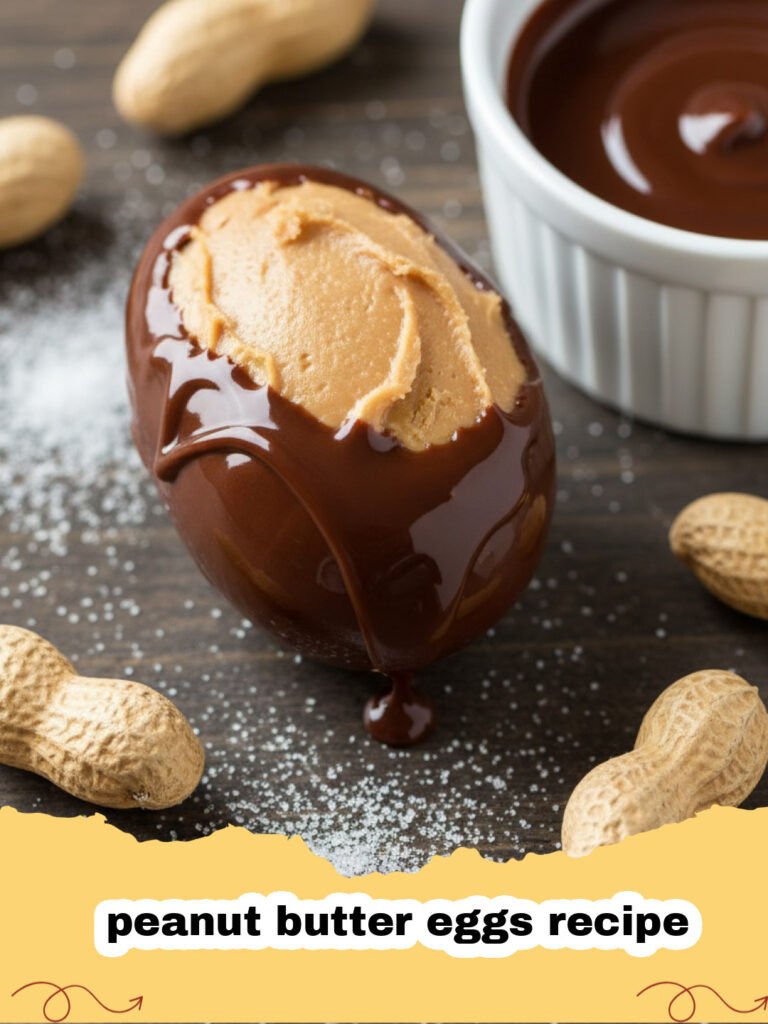
Homemade Peanut Butter Eggs
A delicious, no-bake peanut butter eggs recipe that tastes even better than the famous store-bought version. Creamy peanut butter centers dipped in smooth chocolate.
- Total Time: PT1H40M
- Yield: 18 eggs 1x
Ingredients
1 cup creamy peanut butter
1/4 cup unsalted butter, softened
2 cups powdered sugar, sifted
1 teaspoon vanilla extract
1/4 teaspoon salt
12 oz semi-sweet or milk chocolate chips
1 tablespoon coconut oil or shortening
Instructions
Step 1: In a large mixing bowl, beat together the creamy peanut butter and softened butter until smooth and well combined.
Step 2: Stir in the vanilla extract and salt until incorporated.
Step 3: Gradually add the sifted powdered sugar, one cup at a time, mixing until a dough-like consistency forms. The dough should be moldable and not overly sticky.
Step 4: Line a baking sheet with parchment paper. Scoop about 1.5 to 2 tablespoons of the peanut butter mixture and shape it into an oval/egg shape using your hands.
Step 5: Place the shaped eggs onto the prepared baking sheet and freeze for at least 30 to 60 minutes until very firm.
Step 6: In a microwave-safe bowl, combine the chocolate chips and coconut oil. Heat in 30-second intervals, stirring after each, until the chocolate is completely melted and smooth.
Step 7: Remove the peanut butter eggs from the freezer. Using a fork, dip each egg into the melted chocolate, coating it completely. Tap the fork against the edge of the bowl to remove excess chocolate.
Step 8: Return the chocolate-coated eggs to the parchment paper. If desired, use a toothpick or fork to create decorative lines on top before the chocolate sets.
Step 9: Refrigerate the eggs for 15-20 minutes until the chocolate is fully set. Store in an airtight container in the fridge.
Notes
Ensure the peanut butter centers are completely frozen before dipping to prevent them from melting into the chocolate.
- Prep Time: PT30M
- Cook Time: PT10M
- Category: Drinks, Snacks & Holiday Treats
- Cuisine: American
Nutrition
- Serving Size: 1 egg
- Calories: 185
- Sugar: 15g
- Sodium: 85mg
- Fat: 11g
- Saturated Fat: 5g
- Unsaturated Fat: 6g
- Trans Fat: 0g
- Carbohydrates: 18g
- Fiber: 1g
- Protein: 4g
- Cholesterol: 5mg