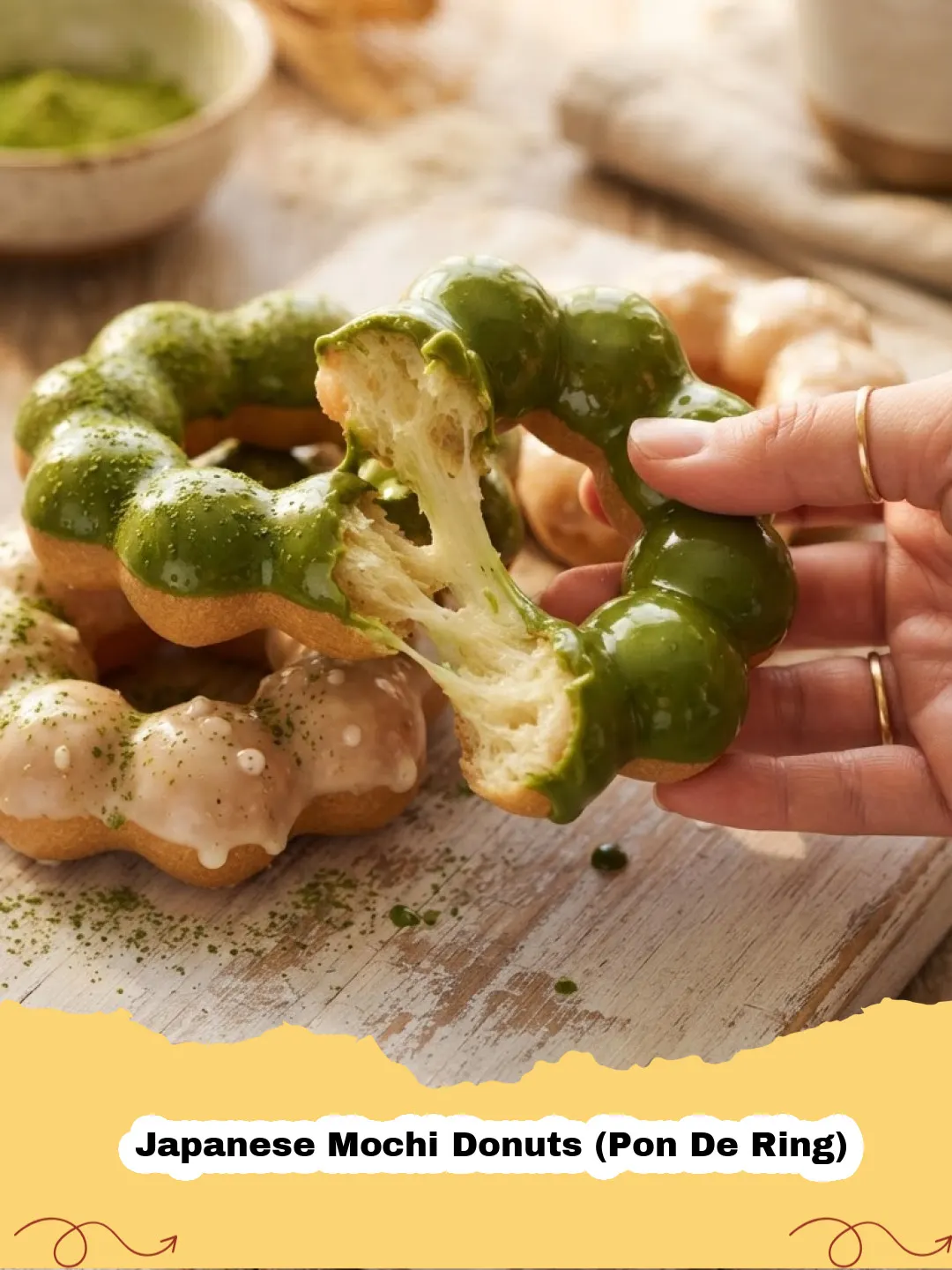
There are some culinary discoveries that just stick with you, forever changing your perception of what a dessert can be. For me, that moment happened during a trip to a vibrant Asian market, where I first encountered the delightful, chewy, and utterly addictive texture of Japanese Mochi Donuts (Pon De Ring). I remember picking up that strangely shaped, flower-like donut, coated in a delicate glaze, and biting into it. The immediate, satisfying bounce, the soft interior, and the subtle sweetness were unlike any donut I had ever tasted. It wasn't just good; it was an experience. From that day on, I was determined to bring that magic into my own kitchen. After many attempts, tweaks, and flour-dusted countertops, I’ve finally perfected this recipe for homemade Japanese Mochi Donuts (Pon De Ring), and I’m beyond excited to share it with you. Get ready for a treat that will transport you straight to a Japanese bakery, right from your home!
Why This Japanese Mochi Donuts (Pon De Ring) Recipe is a Must-Try
- Unforgettable Chewy Texture: Unlike traditional cake or yeast donuts, Japanese Mochi Donuts (Pon De Ring) boast an incredible, bouncy chewiness thanks to the unique blend of flours. It’s a texture sensation that will have you reaching for another, and another.
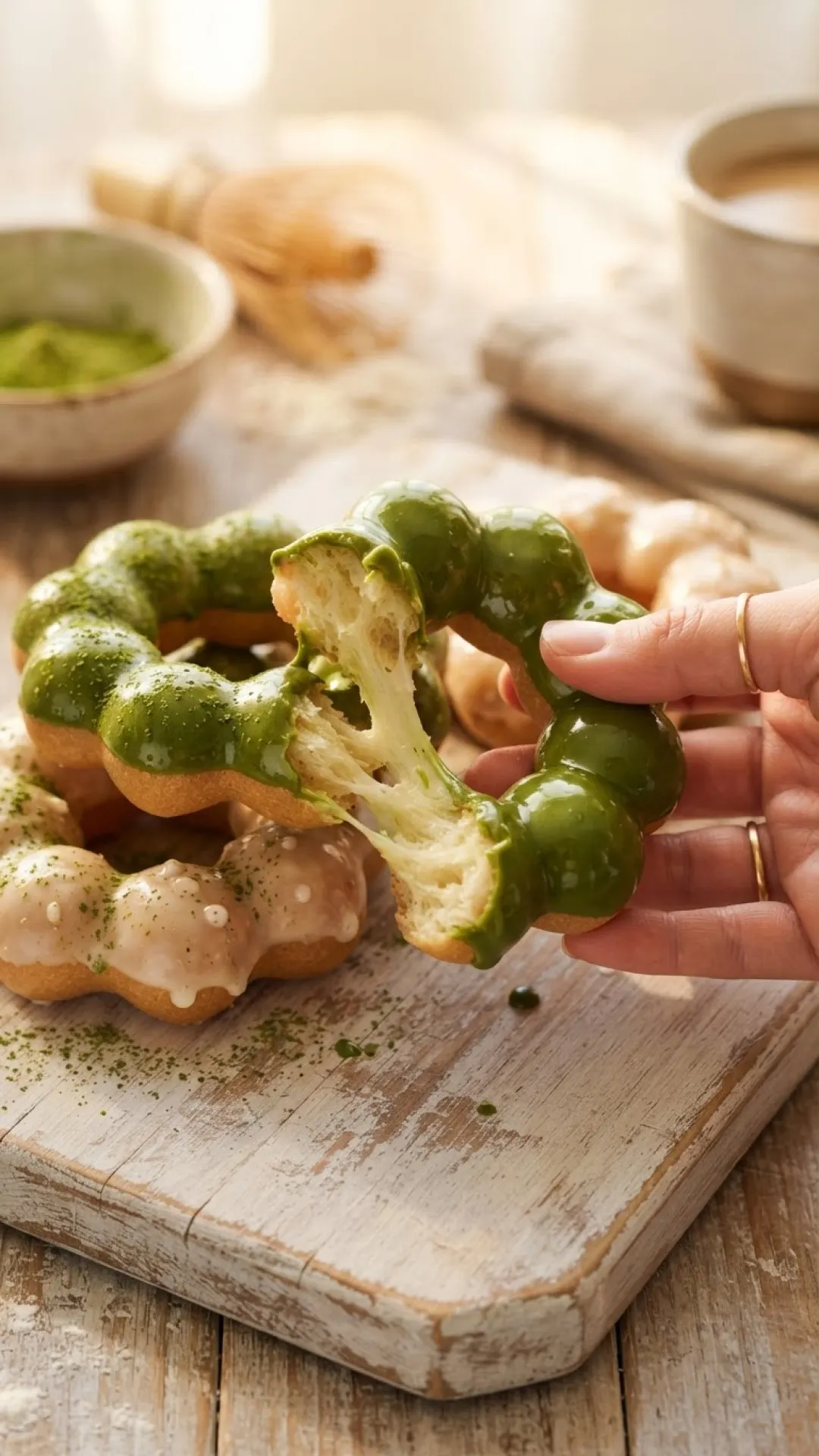
- Fun and Unique Shape: The distinctive ring of connected spheres isn't just adorable; it also creates a perfect pull-apart experience, making these Japanese Mochi Donuts (Pon De Ring) enjoyable to eat and share.
- Customizable Glaze Options: While a classic sugar glaze is fantastic, these mochi donuts are a blank canvas for creativity. Think matcha, chocolate, fruit, or even savory glazes!
- A Taste of Japan at Home: Recreate the authentic flavors of a popular Japanese treat without needing a plane ticket. These Japanese Mochi Donuts (Pon De Ring) are surprisingly easy to master with the right guidance.
Key Ingredient Notes for Perfect Japanese Mochi Donuts (Pon De Ring)
The magic of Japanese Mochi Donuts (Pon De Ring) lies in a couple of star ingredients that give them their signature texture:
Mochiko Flour (Sweet Rice Flour)
This is the absolute cornerstone of your Japanese Mochi Donuts (Pon De Ring). Mochiko is a type of glutinous rice flour (don't worry, it's gluten-free!) that is ground from short-grain sweet rice. It's responsible for the incredibly chewy, elastic texture that makes mochi so unique. You cannot substitute regular rice flour or all-purpose flour for mochiko if you want that authentic mochi donut bounce. Look for it in Asian grocery stores or in the international aisle of larger supermarkets. The brand Shirakiku is a common and reliable choice.
Tapioca Flour (Tapioca Starch)
While mochiko brings the chew, tapioca flour adds elasticity and a pleasant crispness to the exterior of your Japanese Mochi Donuts (Pon De Ring). It helps lighten the dough and contributes to that satisfying pull-apart quality. Together with mochiko, it creates the perfect textural balance. Ensure you use tapioca flour (or tapioca starch, they're the same thing) and not another type of starch like cornstarch, as the results will vary significantly.
Silken Tofu
This might seem like an unusual ingredient for donuts, but silken tofu is a secret weapon in many Japanese and Asian baking recipes. It adds incredible moisture, softness, and a delicate richness to the Japanese Mochi Donuts (Pon De Ring) without adding a strong flavor. It also helps create a lighter, more tender crumb. Ensure you use silken tofu, as firm or extra-firm tofu will not blend smoothly into the dough and will yield a different result.
Step-by-Step Guide with Pro Tips for Japanese Mochi Donuts (Pon De Ring)
Making Japanese Mochi Donuts (Pon De Ring) at home is a rewarding process. Follow these steps carefully for the best results!
Variations & Serving Suggestions for Your Japanese Mochi Donuts (Pon De Ring)
The beauty of Japanese Mochi Donuts (Pon De Ring) is how versatile they are! Once you've mastered the basic recipe, you can get creative with glazes and toppings.
Glaze Ideas:
- Classic Sugar Glaze: Simple powdered sugar and milk/water.
- Matcha Glaze: Whisk 1-2 tsp matcha powder into your classic sugar glaze for an earthy, vibrant green finish.
- Chocolate Glaze: Melted chocolate chips with a touch of butter or coconut oil for a rich coating. For extra decadence, pair this with our Gooey Peanut Butter Cookie Bars for a dessert platter.
- Strawberry Glaze: Blend fresh strawberries with powdered sugar and a tiny bit of lemon juice. Strain for a smooth glaze.
Topping Suggestions:
- Toasted sesame seeds (black or white)
- Sprinkles (rainbow or chocolate)
- Crushed nuts (pistachios, almonds)
- Finely chopped dried fruit
- A dusting of kinako (roasted soybean flour)
- A drizzle of condensed milk
Serving Tips:
Japanese Mochi Donuts (Pon De Ring) are best enjoyed warm, soon after frying and glazing. However, they can be stored at room temperature in an airtight container for up to 1-2 days. For longer storage, consider using high-quality Basics Glass Food Storage containers. Reheat briefly in a microwave or oven for a few seconds to regain some of their chewiness. These donuts are fantastic with a cup of coffee, tea, or a refreshing iced beverage.
Nutrition Information
| Nutrient | Amount Per Serving |
|---|---|
| Calories | 250 kcal |
| Carbohydrates | 40 g |
| Cholesterol | 30 mg |
| Fat | 9 g |
| Fiber | 1 g |
| Protein | 4 g |
| Saturated Fat | 4 g |
| Serving Size | 1 donut |
| Sodium | 120 mg |
| Sugar | 15 g |
| Trans Fat | 0 g |
| Unsaturated Fat | 5 g |
I truly hope this recipe brings as much joy to your kitchen as it has to mine. Making these Japanese Mochi Donuts (Pon De Ring) from scratch is a journey of delightful discovery, resulting in a unique treat that's impossible to forget. The satisfying chew, the playful shape, and the endless possibilities for customization make them a perfect project for any home baker looking for something a little different. Don't be intimidated by the idea of frying; with the right technique, you'll be pulling out perfectly golden Japanese Mochi Donuts (Pon De Ring) in no time. Enjoy every bouncy, sweet bite!
FAQs
What gives Japanese Mochi Donuts (Pon De Ring) their unique chewy texture?
The signature chewy texture of Japanese Mochi Donuts (Pon De Ring) comes primarily from the use of mochiko flour (sweet rice flour) combined with tapioca flour. Mochiko provides the distinct mochi-like elasticity, while tapioca flour adds a pleasant stretch and crispness.
Can I bake Japanese Mochi Donuts instead of frying them?
While you can bake mochi donuts, the texture will be different from traditional fried Japanese Mochi Donuts (Pon De Ring). Baked versions tend to be denser and less airy, lacking the characteristic crispy exterior and light chew of a fried donut. For the most authentic experience, frying is recommended.
How do I store leftover Japanese Mochi Donuts (Pon De Ring)?
Japanese Mochi Donuts (Pon De Ring) are best enjoyed fresh, but leftovers can be stored in an airtight container at room temperature for up to 1-2 days. To refresh them, microwave for a few seconds or warm gently in an oven until soft and chewy again.
What is the difference between mochi donuts and regular donuts?
The main difference lies in their texture and ingredients. Regular donuts are typically made with wheat flour, resulting in a soft, fluffy (yeast donuts) or cake-like (cake donuts) crumb. Japanese Mochi Donuts (Pon De Ring), made with sweet rice flour and tapioca flour, have a distinctly chewy, bouncy, and elastic texture that sets them apart.
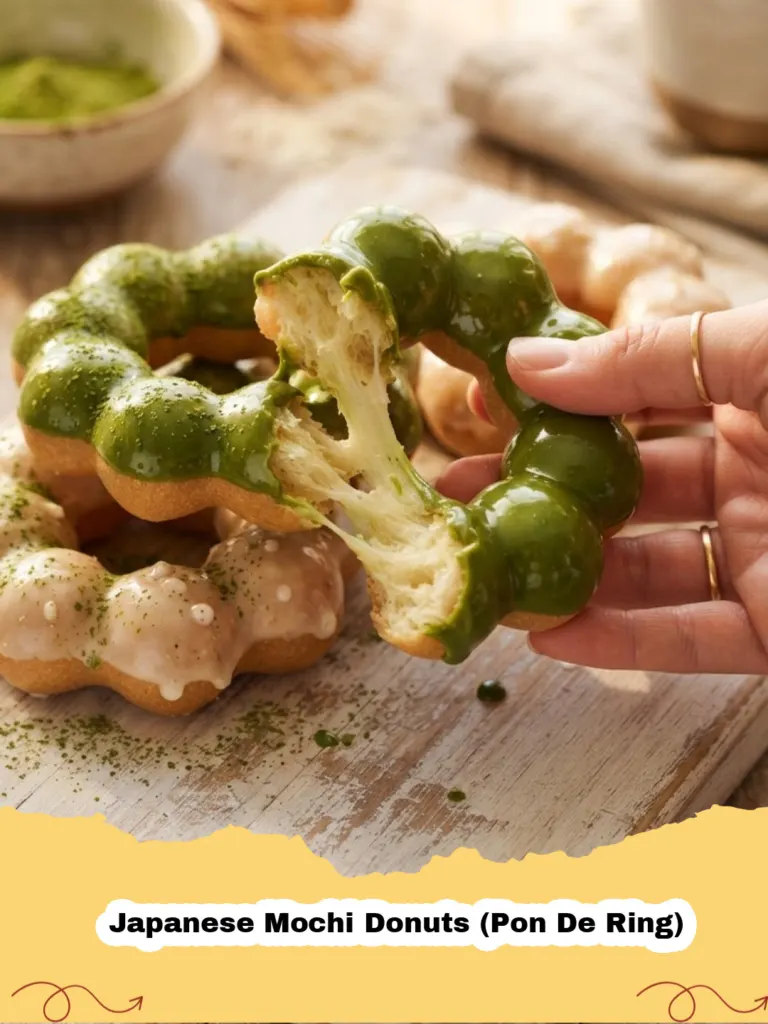
Homemade Japanese Mochi Donuts (Pon De Ring)
Indulge in the irresistible chewiness of homemade Japanese Mochi Donuts, also known as Pon De Ring donuts. This recipe guides you through creating these unique, bouncy, and subtly sweet treats with their characteristic pull-apart shape, complete with a delightful glaze.
- Total Time: 50 minutes
- Yield: 12 donuts 1x
Ingredients
1 cup (120g) mochiko flour (sweet rice flour)
1/2 cup (60g) tapioca flour
1/4 cup (50g) granulated sugar
1 teaspoon baking powder
1/4 teaspoon salt
1/2 cup (120g) silken tofu, mashed
1 large egg
1/4 cup (60ml) whole milk
1 teaspoon vanilla extract
Vegetable oil, for frying
For the Simple Glaze:
1 cup (120g) powdered sugar
2-3 tablespoons milk (or water, or lemon juice)
Instructions
Step 1: In a large bowl, whisk together the mochiko flour, tapioca flour, granulated sugar, baking powder, and salt. Make sure there are no lumps in the dry ingredients.
Step 2: In a separate medium bowl, whisk together the mashed silken tofu, egg, whole milk, and vanilla extract until well combined and smooth. Ensure the tofu is fully incorporated and creamy, which is key for the texture of the Japanese Mochi Donuts (Pon De Ring).
Step 3: Pour the wet ingredients into the dry ingredients. Mix with a spatula until a shaggy dough forms, then gently knead by hand for about 2-3 minutes until the dough comes together and is smooth. The dough for your Japanese Mochi Donuts (Pon De Ring) should be soft and slightly sticky but manageable.
Step 4: Divide the dough into 12 equal portions. Roll each portion into a small ball, about 1-inch in diameter. This step is crucial for the signature shape of Japanese Mochi Donuts (Pon De Ring).
Step 5: Arrange 8 small balls into a circle, gently pressing them together to form a ring. Repeat with the remaining dough portions until you have 12 donut rings. Place these shaped Japanese Mochi Donuts (Pon De Ring) on parchment paper squares.
Step 6: Heat about 2-3 inches of vegetable oil in a deep pot or Dutch oven to 325°F (160°C). Use a candy thermometer to monitor the temperature; maintaining a consistent oil temperature is key for evenly cooked Japanese Mochi Donuts (Pon De Ring).
Step 7: Carefully slide 2-3 donuts (still on their parchment paper squares) into the hot oil. The parchment paper will detach naturally as they fry. Remove the paper with tongs. Fry for 2-3 minutes per side, or until golden brown and puffed. Do not overcrowd the pot.
Step 8: Using a slotted spoon or spider, transfer the fried Japanese Mochi Donuts (Pon De Ring) to a wire rack lined with paper towels to drain excess oil. Allow them to cool slightly while you prepare the glaze.
Step 9: Prepare the Glaze: In a shallow bowl, whisk together the powdered sugar and milk (or water/lemon juice) until smooth. Adjust the consistency by adding more liquid for a thinner glaze or more sugar for a thicker one.
Step 10: Dip each slightly cooled donut into the glaze, coating both sides. Place them back on the wire rack to allow the excess glaze to drip off and set. Serve your delicious Japanese Mochi Donuts (Pon De Ring) warm and enjoy the unique texture!
Notes
For best results, use a kitchen scale to measure your flours precisely. Do not overheat the oil, as it can cause the donuts to brown too quickly on the outside while remaining raw inside. If your oil temperature drops too low, the donuts will absorb too much oil and become greasy. A constant oil temperature is crucial for perfect Japanese Mochi Donuts (Pon De Ring).
- Prep Time: 30 minutes
- Cook Time: 20 minutes
- Category: Desserts & Baking
- Cuisine: Japanese
Nutrition
- Serving Size: 1 donut
- Calories: 250 kcal
- Sugar: 15 g
- Sodium: 120 mg
- Fat: 9 g
- Saturated Fat: 4 g
- Unsaturated Fat: 5 g
- Trans Fat: 0 g
- Carbohydrates: 40 g
- Fiber: 1 g
- Protein: 4 g
- Cholesterol: 30 mg