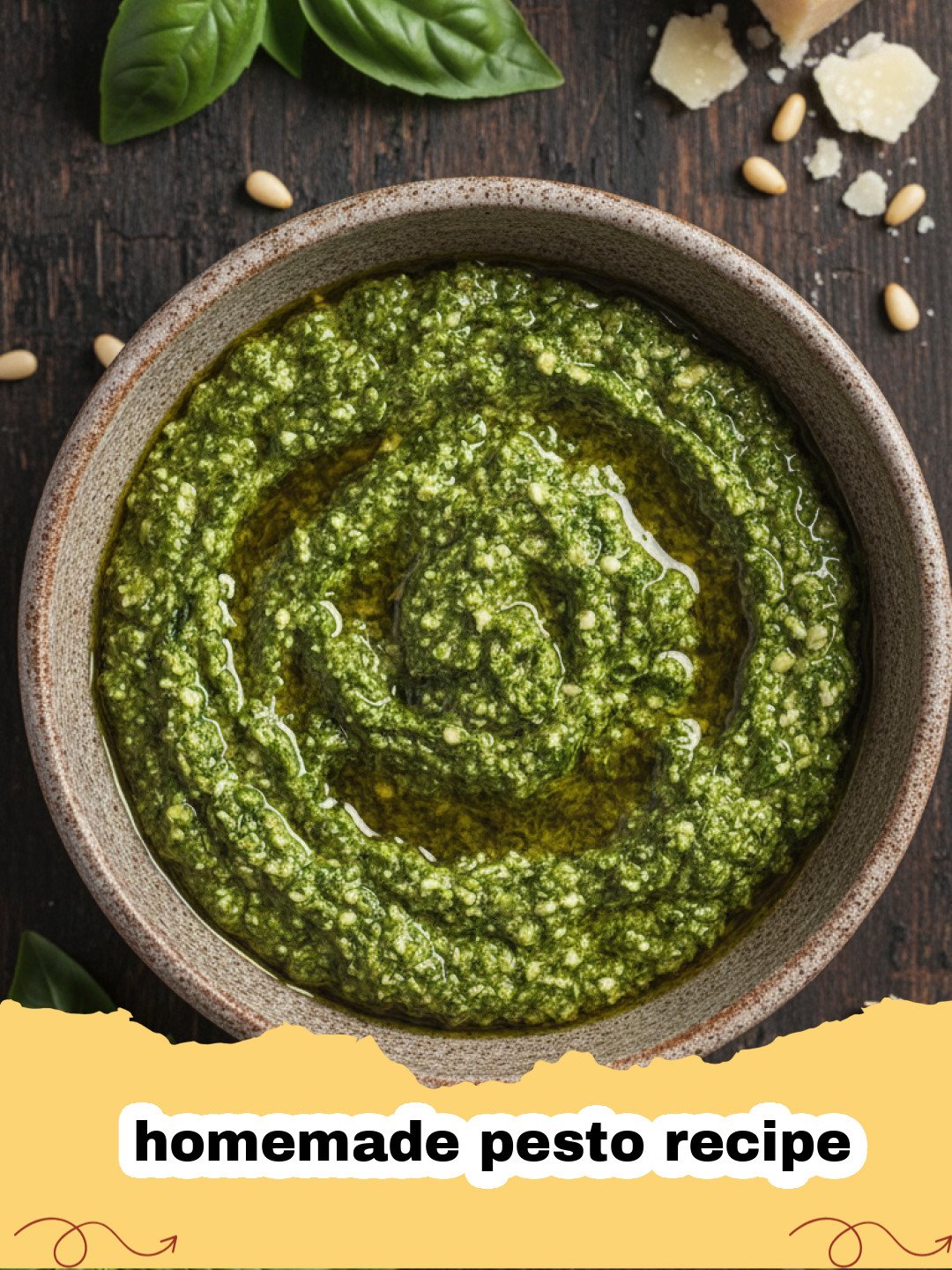
Ah, summer. The season of sunshine, long evenings, and the intoxicating scent of fresh basil wafting from the garden. For me, that smell isn't just about good food; it's a direct portal back to my Nonna's kitchen in the heart of Italy. Every year, as soon as the basil plants were bursting with vibrant green leaves, Nonna would declare it 'pesto season.' Her tiny kitchen, usually bustling with the aroma of simmering tomato sauce, would transform into a basil-scented haven. She'd pull out her ancient marble mortar and pestle – yes, a real one! – and begin the rhythmic pounding, turning fragrant leaves, pine nuts, garlic, and Parmesan into a bright green elixir. There was something almost magical about watching her transform simple ingredients into something so profoundly delicious. That distinct, vibrant flavor of a true homemade pesto recipe is etched into my culinary memory. It’s a flavor that store-bought versions simply can’t replicate. This isn't just a sauce; it's a celebration of freshness, a connection to tradition, and a taste of pure, unadulterated summer. Today, I'm thrilled to share her secrets with you, so you can bring that same authentic Italian magic into your own kitchen with this incredible homemade pesto recipe.
Why This Homemade Pesto Recipe is a Must-Try
- Unmatched Freshness: The difference between homemade and store-bought pesto is like night and day. This homemade pesto recipe bursts with the vibrant, herbaceous flavor of fresh basil and garlic, a complexity you simply won't find in a jar.
- Customizable to Your Taste: Love more garlic? Add an extra clove! Prefer a nuttier flavor? Toast your pine nuts lightly. This homemade pesto recipe is incredibly flexible, allowing you to tailor it perfectly to your palate.
- Quick and Easy to Prepare: With the help of a food processor, this authentic homemade pesto recipe comes together in under 15 minutes. It’s perfect for a last-minute weeknight dinner or a sophisticated addition to a weekend brunch.
- Versatile Culinary Staple: Pesto isn't just for pasta. This fantastic homemade pesto recipe can elevate sandwiches, grilled meats, vegetables, and even eggs, making it an indispensable component of any home cook's repertoire.
Key Ingredient Notes for Your Homemade Pesto Recipe
Fresh Basil Leaves
Basil is the star of any homemade pesto recipe, so its quality is paramount. Look for vibrant green leaves, free from wilting or dark spots. Sweet basil (Genovese basil) is traditionally used and offers the best flavor profile for pesto. If you're growing your own, harvest the leaves just before making the pesto for peak freshness. Wash and thoroughly dry the leaves; any excess water can dilute the flavor and impact the texture of your homemade pesto recipe.
High-Quality Parmesan Cheese
Forget the pre-grated stuff in a can! For an authentic homemade pesto recipe, you need a good quality Parmesan-Reggiano or Pecorino Romano cheese, freshly grated. These cheeses provide a salty, umami depth that is crucial to balancing the fresh basil and garlic. The granular texture of freshly grated cheese also contributes to the desired consistency of the pesto.
Good Olive Oil
The olive oil binds all the ingredients together and adds a fruity, sometimes peppery, note. Use a good quality extra virgin olive oil. It doesn't have to be the most expensive bottle on the shelf, but avoid anything labeled 'light' or 'pure' as these often lack the flavor needed for a truly exceptional homemade pesto recipe. The oil should be added slowly while the food processor is running to emulsify properly, creating a smooth, creamy texture.
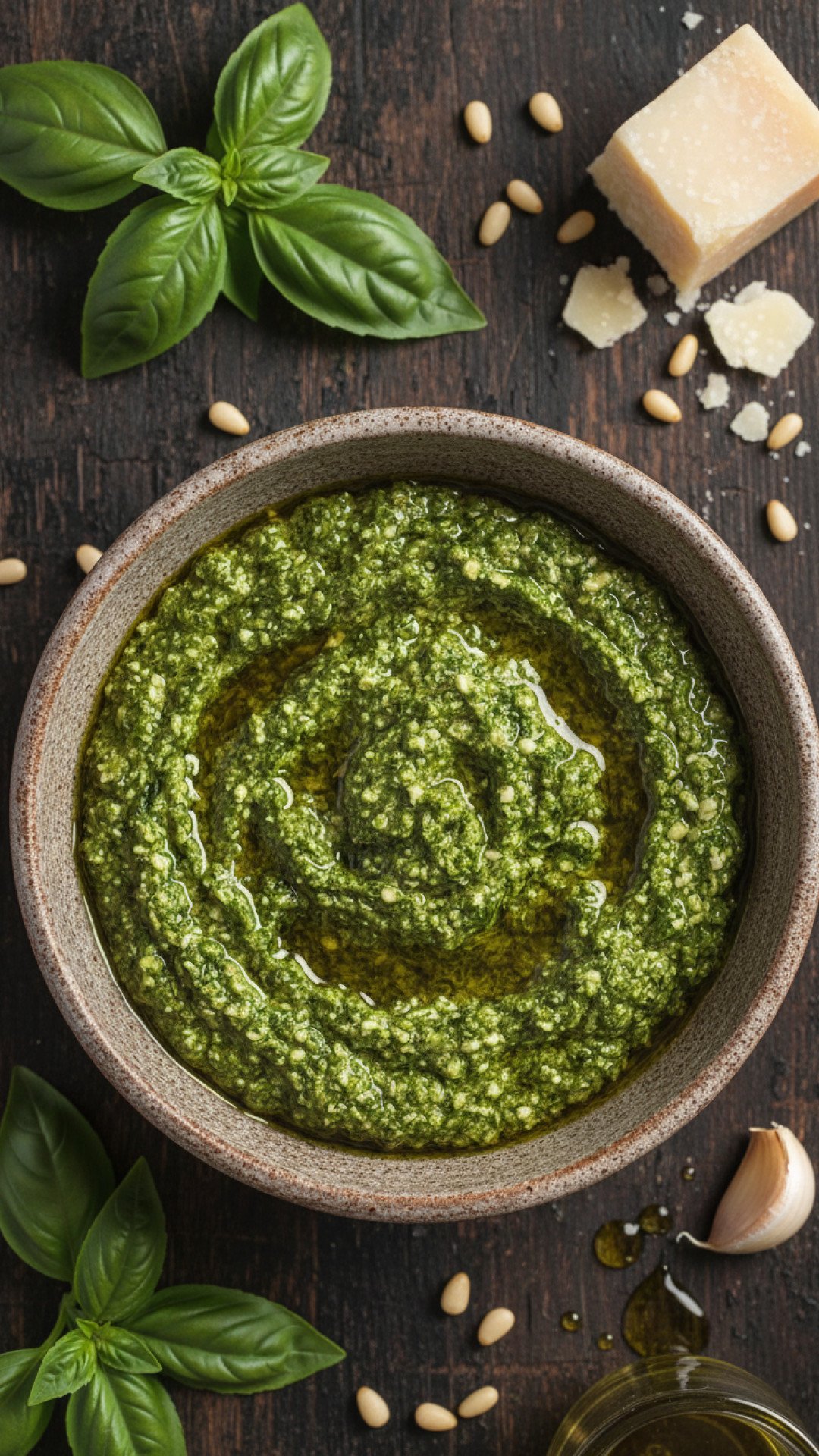
Step-by-Step Guide with Pro Tips for Your Homemade Pesto Recipe
Making your own homemade pesto recipe is surprisingly simple, especially with a food processor. Follow these steps for perfect results every time:
Choosing Your Equipment
While a traditional mortar and pestle yields the most authentic texture, a food processor is far quicker and more accessible. A good quality food processor with a sharp blade will make quick work of the ingredients for this homemade pesto recipe.
Preparation is Key
Ensure all your ingredients are prepped and ready to go. Wash and thoroughly dry your basil leaves, peel your garlic cloves, measure your pine nuts, and grate your cheese. This mise en place will make the process flow smoothly.
Now, let's get to the delicious steps:
- Step 1: Combine the basil, pine nuts, garlic, and salt in a food processor. Pulse several times until the ingredients are coarsely chopped. Scrape down the sides of the bowl as needed.
- Step 2: With the food processor running on low speed, slowly drizzle in about half of the extra virgin olive oil through the feed tube. Process until a thick, coarse paste forms.
- Step 3: Add the freshly grated Parmesan cheese to the mixture. Pulse a few more times until the cheese is just incorporated. Avoid over-processing, which can make the pesto bitter.
- Step 4: Continue to drizzle in the remaining olive oil, processing until the pesto reaches your desired consistency. Some prefer a chunkier pesto, while others like it smoother. Taste and adjust seasoning with more salt or a squeeze of fresh lemon juice if desired. A dash of lemon juice can brighten the flavors in your homemade pesto recipe.
- Step 5: Transfer the homemade pesto recipe to an airtight container. For storage, pour a thin layer of olive oil over the surface to prevent oxidation and keep it vibrant green. This will help preserve its fresh flavor.
Pro Tip for Storage: To keep your homemade pesto recipe fresh for longer, store it in an airtight container in the refrigerator for up to a week. For extended storage, freeze it in ice cube trays! Once frozen, pop out the cubes and transfer them to a freezer-safe bag. These individual portions are perfect for adding to pasta, soups, or even a grilled salmon recipe. I often use Basics Glass Food Storage containers for easy visibility and freshness.
Variations & Serving Suggestions for Your Homemade Pesto Recipe
Nut Variations
While pine nuts are traditional for this homemade pesto recipe, feel free to experiment! Walnuts or almonds offer a slightly different texture and flavor profile. Lightly toasting them before adding them to the food processor can enhance their nutty notes.
Cheese Alternatives
If you don't have Parmesan, Pecorino Romano is an excellent substitute, offering a sharper, saltier kick. A blend of both can also be delightful.
Herb Combinations
Don't be afraid to mix things up! Try adding a handful of fresh parsley, mint, or even spinach for a slightly different take on this classic homemade pesto recipe. A little sun-dried tomato can also add a wonderful savory depth.
Serving Suggestions
- Classic Pasta Dish: Toss your freshly made homemade pesto recipe with your favorite pasta. Add a splash of pasta water for a creamier sauce. Garnish with extra Parmesan and a few basil leaves.
- Spread for Sandwiches & Wraps: Elevate your lunch! Spread this vibrant homemade pesto recipe on bread for an instant flavor boost.
- Pizza Base: Ditch the red sauce! Use this homemade pesto recipe as the base for a delicious white pizza, topped with fresh mozzarella and cherry tomatoes.
- Grilled Meats & Vegetables: Spoon it over grilled chicken, fish, or roasted vegetables for an instant flavor upgrade. It's truly incredible with grilled asparagus.
- Soup Swirl: A dollop of pesto stirred into a minestrone or vegetable soup adds a layer of freshness and richness.
- Eggs: A little homemade pesto recipe drizzled over scrambled eggs or an omelet makes for a gourmet breakfast.
Nutrition Information
| Nutrient | Amount per Serving |
|---|---|
| Calories | 180 kcal |
| Carbohydrates | 2g |
| Cholesterol | 15mg |
| Fat | 18g |
| Fiber | 1g |
| Protein | 4g |
| Saturated Fat | 3g |
| Serving Size | 2 tbsp (30g) |
| Sodium | 200mg |
| Sugar | 0.5g |
| Trans Fat | 0g |
| Unsaturated Fat | 14g |
Note: Nutritional values are estimates and may vary based on specific ingredients and preparation methods.
Conclusion
There's something profoundly satisfying about making a homemade pesto recipe from scratch. It’s a sensory experience, from the vibrant green of the basil to the pungent aroma of garlic and the rich scent of Parmesan. This simple yet elegant sauce is a testament to the power of fresh, quality ingredients. Whether you're making it for a quick weeknight meal or to stock your freezer with little bursts of summer, this homemade pesto recipe will undoubtedly become a staple in your kitchen, just as it is in mine. So, gather your ingredients, fire up your food processor, and get ready to enjoy the authentic taste of Italy. Happy cooking, and savor every delicious bite of your homemade pesto recipe!
FAQs
What is the secret to a bright green homemade pesto recipe?
The secret to a bright green homemade pesto recipe lies in using incredibly fresh basil and preventing oxidation. After making the pesto, ensure it's stored in an airtight container and pour a thin layer of extra virgin olive oil over the surface to create a barrier from the air. Some also suggest blanching the basil briefly before blending, but this is often unnecessary if the basil is fresh and stored correctly.
Can I make this homemade pesto recipe without pine nuts?
Absolutely! While pine nuts are traditional for a homemade pesto recipe, you can easily substitute them with other nuts like walnuts, almonds, or even cashews. Each will lend a slightly different flavor profile. Lightly toasting the nuts before adding them to the food processor can enhance their flavor.
How long does homemade pesto last in the refrigerator?
When properly stored in an airtight container with a layer of olive oil on top, this homemade pesto recipe will last in the refrigerator for up to one week. For longer storage, you can freeze it in ice cube trays for several months; just pop out a cube whenever you need a fresh burst of flavor.
What are the best ways to use homemade pesto?
Homemade pesto is incredibly versatile! The most classic use is tossing it with your favorite pasta. It's also fantastic as a spread for sandwiches and wraps, a flavorful base for pizza, a delicious accompaniment for grilled chicken, fish, or roasted vegetables, and can even be swirled into soups or drizzled over eggs for a gourmet touch.
Classic Homemade Basil Pesto
Unlock the true taste of Italy with this vibrant and incredibly easy homemade pesto recipe. Made with fresh basil, pine nuts, garlic, Parmesan cheese, and extra virgin olive oil, it's a versatile sauce perfect for pasta, sandwiches, grilled dishes, and more. A true celebration of fresh ingredients!
- Total Time: 10 minutes
- Yield: 1.5 cups (approx. 6 servings) 1x
Ingredients
2 cups fresh basil leaves, packed
1/2 cup grated Parmesan cheese (or Pecorino Romano)
1/3 cup pine nuts (lightly toasted, optional)
2 cloves garlic, peeled
1/2 cup extra virgin olive oil
1/2 teaspoon salt, or to taste
Optional: 1 teaspoon fresh lemon juice (to brighten flavor)
Instructions
Step 1: In a food processor, combine the fresh basil leaves, pine nuts, garlic cloves, and salt. Pulse several times until the mixture is coarsely chopped. Scrape down the sides of the bowl as needed to ensure even processing.
Step 2: With the food processor running on a low setting, slowly drizzle in half of the extra virgin olive oil through the feed tube. Continue to process until the ingredients form a thick, coarse paste.
Step 3: Add the freshly grated Parmesan cheese to the food processor. Pulse a few more times until the cheese is just incorporated into the basil mixture. Be careful not to over-process at this stage, as it can make the pesto bitter.
Step 4: Continue to slowly drizzle in the remaining extra virgin olive oil while the food processor is running, until the pesto reaches your desired consistency. You can make it smoother or leave it slightly chunkier, according to your preference. If desired, add a teaspoon of fresh lemon juice to brighten the flavors.
Step 5: Taste the homemade pesto and adjust the seasoning with more salt if necessary. Transfer the pesto to an airtight container. For optimal freshness and to prevent browning, pour a thin layer of olive oil over the surface before sealing. This homemade pesto recipe can be stored in the refrigerator for up to one week or frozen for several months.
Notes
For the best flavor, use the freshest ingredients possible, especially your basil. If you don't have pine nuts, walnuts or almonds make great substitutes. To keep pesto green when storing, pour a thin layer of olive oil on top before sealing the container. Freezing in ice cube trays is an excellent way to preserve individual portions for later use. This homemade pesto recipe is naturally gluten-free.
- Prep Time: 10 minutes
- Cook Time: 0 minutes
- Category: Main Dishes & Savory Recipes
- Cuisine: Italian
Nutrition
- Serving Size: 2 tbsp (30g)
- Calories: 180 kcal
- Sugar: 0.5g
- Sodium: 200mg
- Fat: 18g
- Saturated Fat: 3g
- Unsaturated Fat: 14g
- Trans Fat: 0g
- Carbohydrates: 2g
- Fiber: 1g
- Protein: 4g
- Cholesterol: 15mg