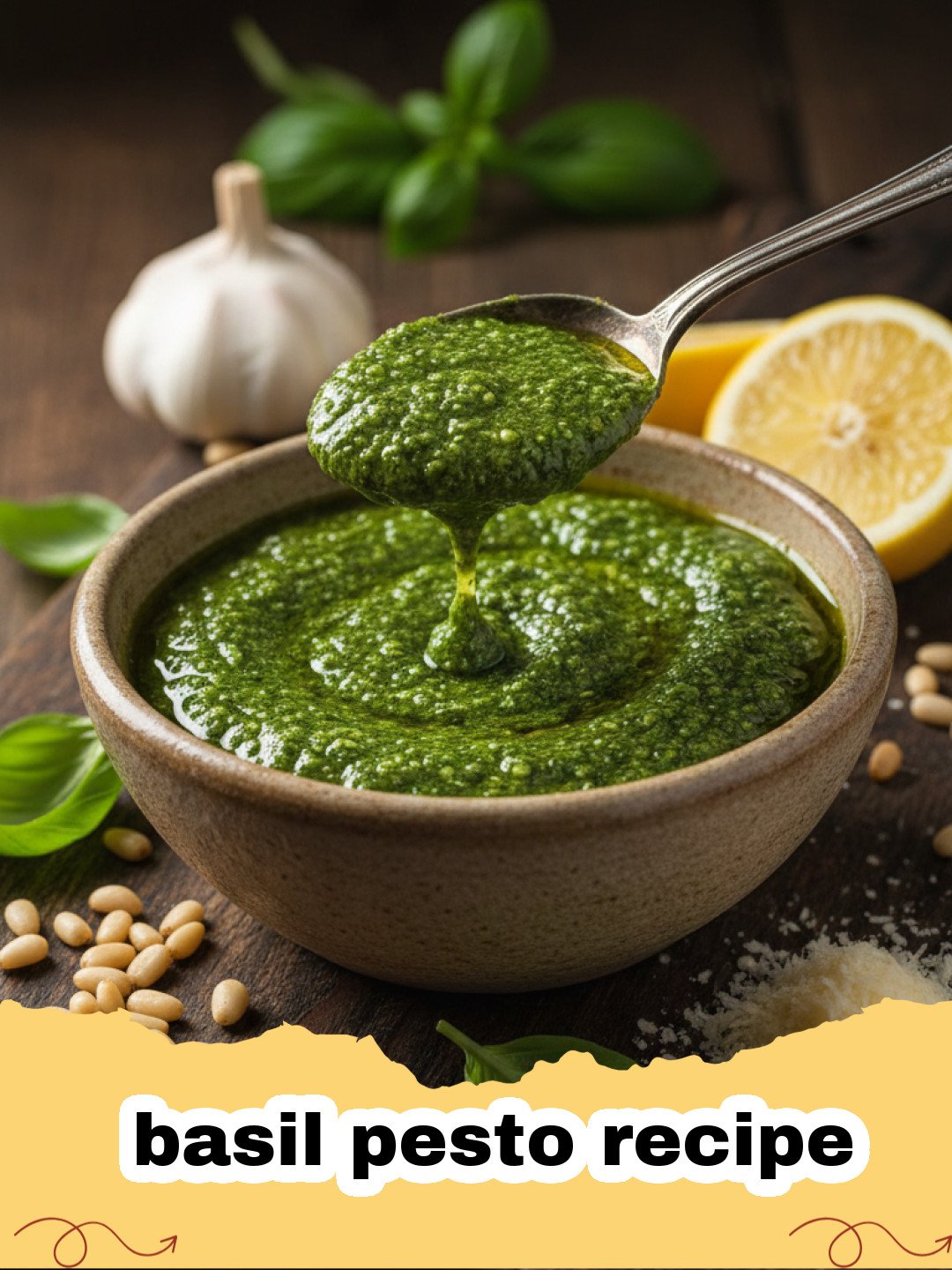
There's a smell that instantly transports me back to my Nonna’s kitchen in the peak of summer. It’s not the scent of simmering tomato sauce or freshly baked bread, though those are certainly iconic. No, it’s the invigorating, peppery, slightly sweet aroma of fresh basil. Every summer, her garden would explode with verdant, fragrant basil plants, and it was a signal for one glorious tradition: making the perfect homemade basil pesto recipe. I remember her calloused hands gently plucking the leaves, the rhythmic whir of her ancient food processor (or sometimes, the even more traditional mortar and pestle!), and the vibrant green liquid gold that emerged. It was more than just a sauce; it was the taste of sunshine, family, and simple pleasures. For years, I relied on store-bought pesto, but it always fell short. The color was dull, the flavor muted, and the artificial taste lingered. It wasn't until I truly committed to recreating Nonna's authentic basil pesto recipe that I understood the magic of fresh, quality ingredients. This isn't just another recipe; it's a culinary journey back to those cherished summer days, a way to bottle that freshness and enjoy it year-round. Get ready to experience the true essence of Italian summer in every spoonful.
Why This Basil Pesto Recipe is a Must-Try
Forget everything you think you know about pesto from a jar. This homemade basil pesto recipe is a revelation. Here’s why it deserves a permanent spot in your culinary repertoire:
- Unmatched Freshness & Vibrant Flavor: Store-bought pestos often contain preservatives and oxidized ingredients, leading to a dull color and flat taste. Our homemade basil pesto recipe bursts with the bright, peppery notes of fresh basil, the nutty warmth of pine nuts, and the sharp tang of Parmesan.
- Incredibly Versatile: While famously paired with pasta, this isn't just a pasta sauce. This wonderful basil pesto recipe elevates sandwiches, bruschetta, pizzas, roasted vegetables, eggs, and even soups. It's a flavor powerhouse!
- Quick & Easy to Prepare: You might be surprised at how little time it takes to whip up a batch of this flavorful sauce. With a good food processor, you’re only minutes away from culinary bliss. It's truly a rewarding cooking experience that yields big results for minimal effort.
- Healthy & Wholesome: Made with simple, natural ingredients, this basil pesto recipe is packed with healthy fats, vitamins, and antioxidants. Plus, you control the quality of every ingredient, making it a much healthier option than many processed alternatives.
Key Ingredient Notes for the Best Basil Pesto Recipe
The beauty of a classic basil pesto recipe lies in its simplicity and the quality of its core ingredients. Each component plays a vital role in creating that unforgettable flavor profile. Choosing the right ones makes all the difference between a good pesto and an exceptional one.
Fresh Basil Leaves
This is the star of our basil pesto recipe! Always opt for fresh, vibrant green basil leaves. Avoid any that are wilted, bruised, or discolored. Genovese basil is traditionally preferred for its sweet, slightly peppery flavor. When harvesting from your garden or buying from the store, look for plump leaves. Make sure to wash them thoroughly and, most importantly, dry them completely. Excess water can dilute the flavor and make your pesto watery and less vibrant. A salad spinner or gently patting with paper towels works wonders here.
Pine Nuts (Pignoli)
Pine nuts provide that distinctive buttery, slightly resinous note to a traditional basil pesto recipe. While you can use them raw, I highly recommend lightly toasting them in a dry skillet over medium-low heat for a few minutes until they are fragrant and barely golden. This step brings out their natural oils and deepens their flavor significantly, adding another layer of complexity to your pesto. Just be careful not to burn them, as they can go from toasted to scorched very quickly! If pine nuts are expensive or hard to find, walnuts or even almonds can be a decent substitute, though the flavor profile will change. For another great summer dish that benefits from fresh herbs, check out this Ultimate Refreshing Classic Gazpacho, which pairs surprisingly well with a dollop of pesto!
Parmesan Cheese (Parmigiano-Reggiano)
Please, for the love of all that is delicious, use real, freshly grated Parmigiano-Reggiano for your basil pesto recipe. The pre-grated stuff in a can is often dry, chalky, and lacks the nuanced, salty, umami flavor that makes this cheese so special. Freshly grated Parmesan melts beautifully into the olive oil, contributing a rich, savory depth that is irreplaceable. If you want to explore another delightful basil-based recipe, our Ultimate Homemade Basil Pesto Recipe: Freshness in Every Spoonful offers a slightly different take with equally fantastic results.
Extra Virgin Olive Oil
As with all simple recipes, the quality of your olive oil is paramount. A good quality extra virgin olive oil contributes a fruity, sometimes peppery, and rich foundation to the pesto. Avoid light olive oils or blends, as they won't provide the depth of flavor needed for an authentic basil pesto recipe. The oil emulsifies with the other ingredients, creating that luscious, creamy texture. Choose one that you would happily use for dipping bread.
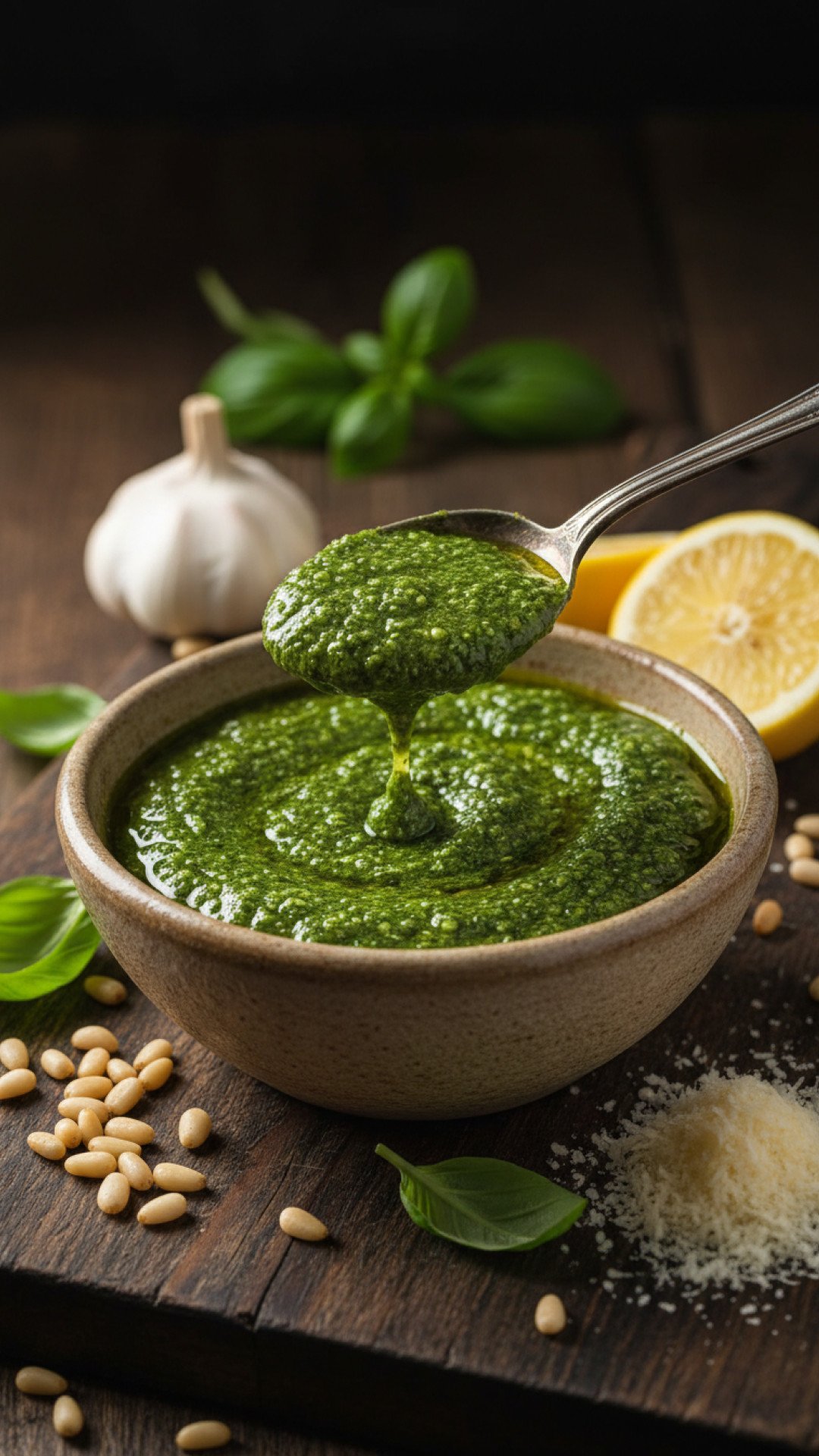
Step-by-Step Guide with Pro Tips for this Basil Pesto Recipe
Making your own basil pesto recipe is incredibly simple, but a few pro tips can elevate it from good to truly extraordinary. Pay attention to these details for the perfect consistency and flavor.
Yields: Approximately 1.5 cups
Prep time: 10 minutes
Cook time: 5 minutes (for toasting nuts)
- Step 1: Gather and prepare your ingredients. Wash the fresh basil leaves thoroughly and dry them completely. This is crucial! Any water left on the leaves can make your pesto watery and less flavorful. A salad spinner is excellent for this, or gently pat them dry with paper towels. Peel the garlic cloves.
- Step 2: (Optional, but recommended) Lightly toast the pine nuts. In a dry skillet over medium-low heat, add the pine nuts. Toast for 2-4 minutes, stirring frequently, until they are fragrant and lightly golden. Be vigilant, as they can burn quickly. Remove from heat and let cool slightly. This step significantly enhances their nutty flavor for your basil pesto recipe.
- Step 3: In the bowl of a food processor, combine the dried basil leaves, toasted pine nuts, peeled garlic cloves, and a pinch of salt.
- Step 4: Pulse the ingredients a few times until they are coarsely chopped. Scrape down the sides of the bowl as needed to ensure everything is evenly processed.
- Step 5: With the food processor running on low speed, slowly drizzle in the extra virgin olive oil in a steady stream. Continue processing until the mixture is smooth and creamy, but still retains a slight texture. Avoid over-processing, which can warm the oil and turn the pesto bitter.
- Step 6: Add the freshly grated Parmesan cheese to the food processor. Pulse a few more times until the cheese is just incorporated into the pesto. You don't want to overmix at this stage; a few quick pulses are enough.
- Step 7: Taste your homemade basil pesto recipe and adjust seasoning as needed. You might want to add a bit more salt, or even a squeeze of fresh lemon juice for brightness, although traditionally it's not included.
Pro Tips for Your Best Basil Pesto Recipe:
- Don't Overprocess: Pesto benefits from a slightly rustic texture. Over-blending can heat the ingredients, which can turn the basil bitter and affect the flavor of the olive oil. Use quick pulses.
- Prevent Browning: To keep your basil pesto recipe vibrant green, a thin layer of olive oil poured over the top of stored pesto in an airtight container can help prevent oxidation. Also, processing quickly and keeping ingredients cool helps.
- Adjust Consistency: If your pesto is too thick, add a little more olive oil, a tablespoon at a time, until it reaches your desired consistency. If it's too thin, you can add a few more pine nuts or a bit more Parmesan, though this is less common.
- Storage Solutions: Fresh pesto is best enjoyed within a few days. Store it in an airtight container in the refrigerator, with that thin layer of olive oil on top. For longer storage, you can freeze it in ice cube trays or small jars. Once frozen, transfer cubes to a freezer-safe bag. This allows you to portion out the perfect amount whenever you need a burst of summer flavor. For excellent storage, consider these Basics Glass Food Storage containers, perfect for preserving the freshness of your pesto.
Variations & Serving Suggestions for Your Basil Pesto Recipe
This classic basil pesto recipe is a fantastic starting point, but don't be afraid to experiment and make it your own! Its adaptability is one of its greatest strengths.
Pesto Variations:
- Nut Swaps: Not a fan of pine nuts, or looking for something different? Try walnuts (which give a slightly earthier flavor), almonds, or even pistachios. Toasting them remains key to unlocking their full potential.
- Cheese Alternatives: While Parmigiano-Reggiano is king, a blend of Parmesan and Pecorino Romano (a sharper, saltier sheep's milk cheese) can add another dimension. For a dairy-free version, nutritional yeast can provide a cheesy umami flavor.
- Herb Additions: Introduce a few sprigs of fresh parsley, mint, or even arugula for a peppery kick. Just don't let them overpower the basil, which should remain the star.
- Citrus Zest: A tiny bit of lemon zest or a small squeeze of fresh lemon juice can brighten up the pesto and cut through its richness, adding a lovely tang.
- Spice It Up: A pinch of red pepper flakes can give your basil pesto recipe a subtle warmth, perfect for those who like a little heat.
Serving Suggestions:
- Classic Pasta Dish: Toss your freshly made basil pesto recipe with your favorite pasta – spaghetti, linguine, fusilli, or orecchiette work beautifully. Add some cherry tomatoes and a sprinkle of extra Parmesan.
- Sandwiches & Wraps: Spread a generous layer of pesto on bread or wraps for an instant flavor boost. It pairs wonderfully with turkey, chicken, mozzarella, and roasted vegetables.
- Pizza Base: Use pesto instead of (or in addition to) tomato sauce for a gourmet pizza. Top with fresh mozzarella, cherry tomatoes, and perhaps some grilled chicken.
- Roasted Vegetables: Drizzle pesto over roasted asparagus, zucchini, bell peppers, or potatoes for an explosion of flavor.
- Eggs: A dollop of pesto on scrambled eggs, a frittata, or an omelet adds a sophisticated touch.
- Soups & Stews: Stir a spoonful of pesto into a bowl of minestrone or vegetable soup just before serving for an herbaceous finish.
- Dips & Spreads: Mix pesto into cream cheese, ricotta, or hummus for a delicious dip for crackers, crudités, or crusty bread.
- Marinade: Use it as a vibrant marinade for chicken, fish, or shrimp before grilling or baking.
Nutrition Information
Here's a breakdown of the estimated nutritional content per serving for this delightful basil pesto recipe. Please note that these values can vary based on specific ingredient brands and quantities used.
| Nutrient | Amount Per Serving |
|---|---|
| Calories | 380 kcal |
| Total Fat | 38g |
| Saturated Fat | 6g |
| Trans Fat | 0g |
| Unsaturated Fat | 30g |
| Cholesterol | 15mg |
| Sodium | 350mg |
| Total Carbohydrates | 5g |
| Fiber | 2g |
| Total Sugars | 1g |
| Protein | 8g |
Conclusion
Making your own basil pesto recipe at home is not just about creating a sauce; it's about connecting with flavors, traditions, and the simple joy of cooking. This vibrant, aromatic condiment is a testament to how a few quality ingredients, prepared with care, can transform any meal into something special. So, gather your fresh basil, toast those pine nuts, and embark on your own pesto-making adventure. You'll be amazed at the difference fresh makes, and I promise, you'll never look at a jar of store-bought pesto the same way again. Enjoy the taste of summer, homemade, anytime!
FAQs
How do I prevent my homemade basil pesto from turning brown?
To keep your basil pesto vibrant green, ensure all basil leaves are completely dry before processing. After making, press plastic wrap directly onto the surface of the pesto in an airtight container, or pour a thin layer of olive oil over the top before sealing. Storing it in the refrigerator will also help slow oxidation. Freezing immediately after preparation is the best way to preserve its color long-term.
What can I use instead of pine nuts in a basil pesto recipe?
If pine nuts are unavailable or you prefer an alternative, walnuts, almonds, or even pistachios can be used. Lightly toasting them before adding to the food processor will enhance their flavor. Be aware that using different nuts will slightly alter the traditional taste and texture of the pesto.
How long does homemade basil pesto last?
Homemade basil pesto can be stored in an airtight container in the refrigerator for up to 5-7 days. To extend its shelf life, you can freeze it for up to 3 months. Portion it into ice cube trays for convenient individual servings, then transfer the frozen cubes to a freezer-safe bag or container.
Can I make basil pesto without a food processor?
Absolutely! The traditional method for making basil pesto is with a mortar and pestle. This method allows for a coarser, more rustic texture and some argue it produces a superior flavor by gently bruising the basil. Start by crushing the garlic and pine nuts, then gradually add basil, salt, and finally the cheese and olive oil, grinding until your desired consistency is reached.
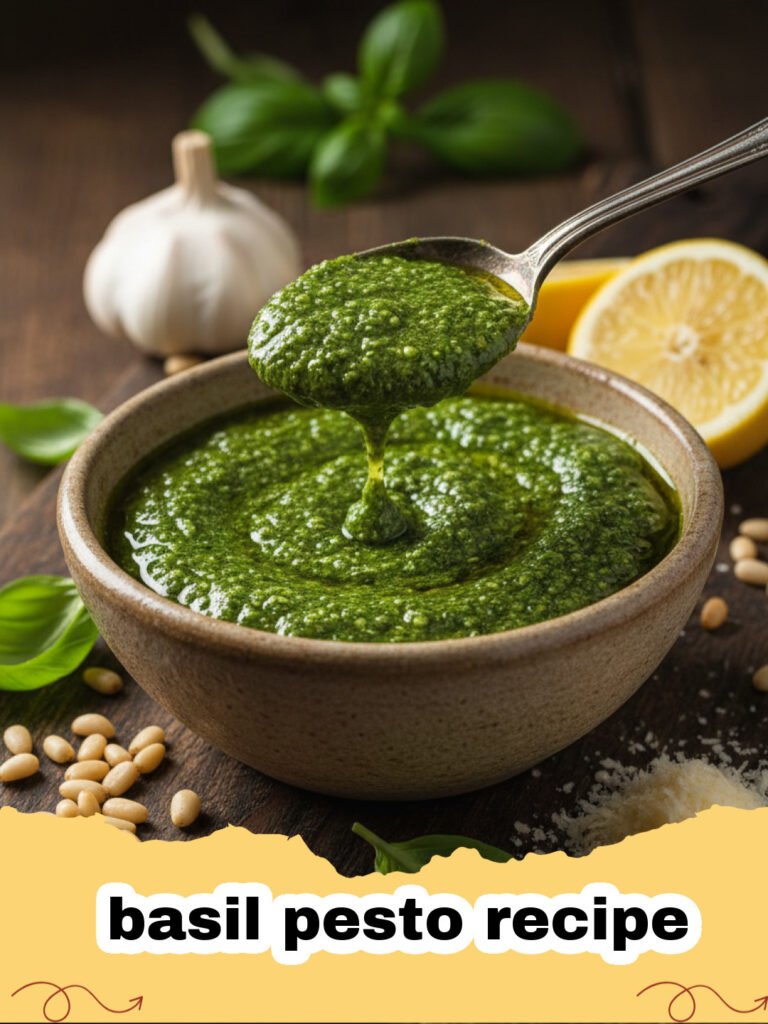
Classic Homemade Basil Pesto
This authentic basil pesto recipe is bursting with fresh, vibrant flavors of basil, pine nuts, Parmesan, and garlic. Easy to make at home and far superior to store-bought versions, it's perfect for pasta, sandwiches, and much more.
- Total Time: 15 minutes
- Yield: 1.5 cups (approx. 6 servings) 1x
Ingredients
2 cups fresh basil leaves, packed (about 2 large bunches)
1/2 cup grated Parmigiano-Reggiano cheese
1/3 cup pine nuts (pignoli)
2-3 cloves garlic, peeled
1/2 cup extra virgin olive oil (or more, to desired consistency)
1/2 teaspoon salt, or to taste
Freshly ground black pepper, to taste (optional)
Instructions
Step 1: Gather and prepare your ingredients. Wash the fresh basil leaves thoroughly and dry them completely. This is crucial! Any water left on the leaves can make your pesto watery and less flavorful. A salad spinner is excellent for this, or gently pat them dry with paper towels. Peel the garlic cloves.
Step 2: (Optional, but recommended) Lightly toast the pine nuts. In a dry skillet over medium-low heat, add the pine nuts. Toast for 2-4 minutes, stirring frequently, until they are fragrant and lightly golden. Be vigilant, as they can burn quickly. Remove from heat and let cool slightly.
Step 3: In the bowl of a food processor, combine the dried basil leaves, toasted pine nuts, peeled garlic cloves, and a pinch of salt.
Step 4: Pulse the ingredients a few times until they are coarsely chopped. Scrape down the sides of the bowl as needed to ensure everything is evenly processed.
Step 5: With the food processor running on low speed, slowly drizzle in the extra virgin olive oil in a steady stream. Continue processing until the mixture is smooth and creamy, but still retains a slight texture. Avoid over-processing, which can warm the oil and turn the pesto bitter.
Step 6: Add the freshly grated Parmigiano-Reggiano cheese to the food processor. Pulse a few more times until the cheese is just incorporated into the pesto. You don't want to overmix at this stage; a few quick pulses are enough.
Step 7: Taste your homemade basil pesto and adjust seasoning as needed. You might want to add a bit more salt, or even a squeeze of fresh lemon juice for brightness, although traditionally it's not included. Serve immediately or store for later.
Notes
For the freshest flavor, use high-quality ingredients, especially your basil and extra virgin olive oil. To prevent browning during storage, press plastic wrap directly onto the surface of the pesto before sealing the container, or drizzle a thin layer of olive oil on top. Pesto can be frozen for up to 3 months in airtight containers or ice cube trays.
- Prep Time: 10 minutes
- Cook Time: 5 minutes
- Category: Main Dishes & Savory Recipes
- Cuisine: Italian
Nutrition
- Serving Size: 1/4 cup
- Calories: 380 kcal
- Sugar: 1g
- Sodium: 350mg
- Fat: 38g
- Saturated Fat: 6g
- Unsaturated Fat: 30g
- Trans Fat: 0g
- Carbohydrates: 5g
- Fiber: 2g
- Protein: 8g
- Cholesterol: 15mg