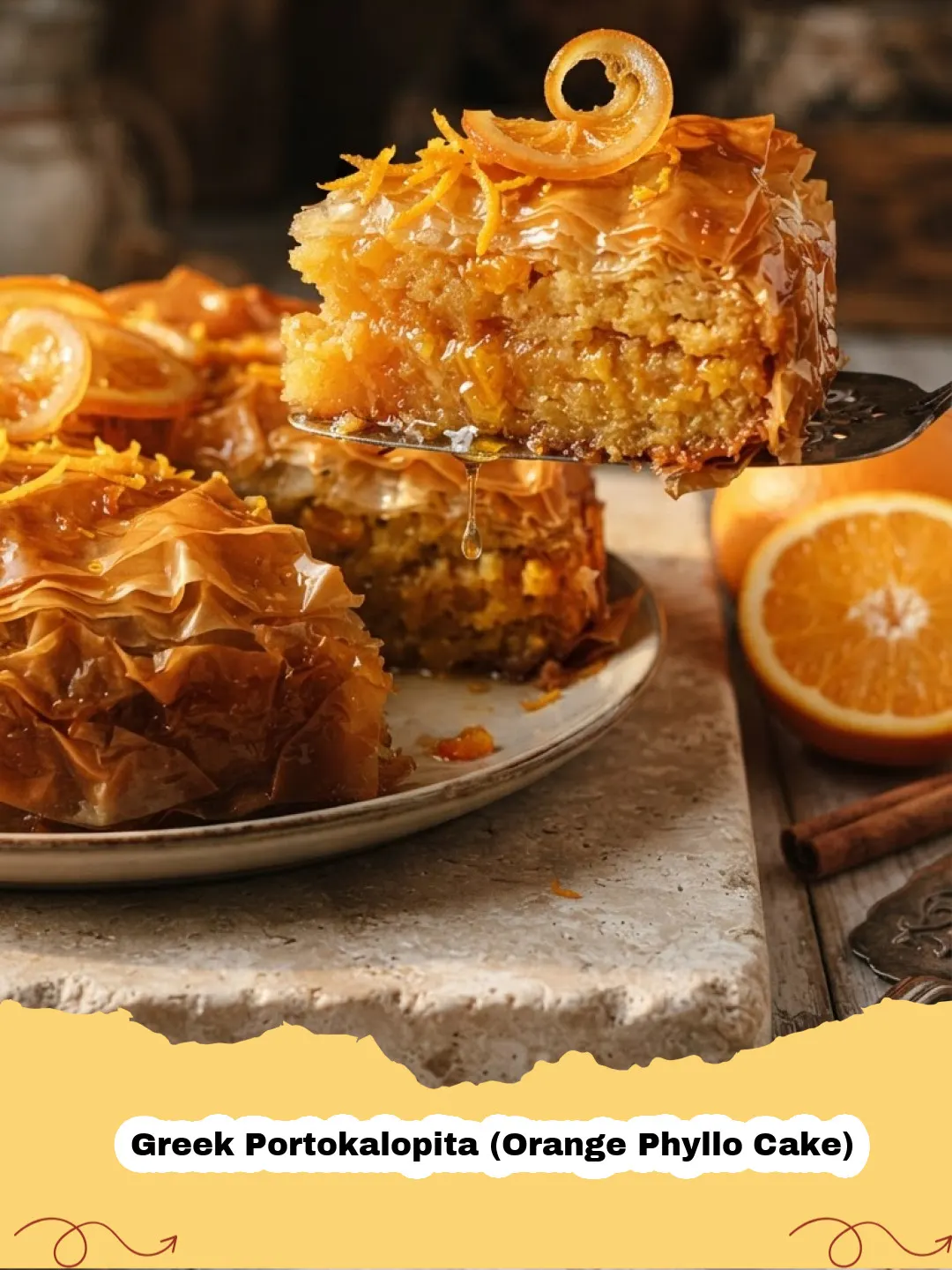
I still remember my first taste of Greek Portokalopita (Orange Phyllo Cake) like it was yesterday. It was a sweltering summer evening in a tiny taverna nestled in the heart of Athens. The air was thick with the scent of jasmine and grilled meats, and as the last rays of sun dipped below the horizon, a plate arrived at our table. It wasn't the usual baklava or galaktoboureko. This was different – a golden, glistening square, radiating the most intoxicating citrus aroma. With the first bite, a wave of warmth, sweetness, and tangy orange enveloped me, a truly unforgettable experience. It was the kind of dessert that made you close your eyes and savor every single crumb, transport you straight to a sun-drenched Greek island. From that moment, I was on a mission to recreate that magic in my own kitchen, and after many attempts, I've perfected what I believe is the ultimate Greek Portokalopita (Orange Phyllo Cake).
Why This Greek Portokalopita (Orange Phyllo Cake) is a Must-Try
Uniquely Irresistible Texture
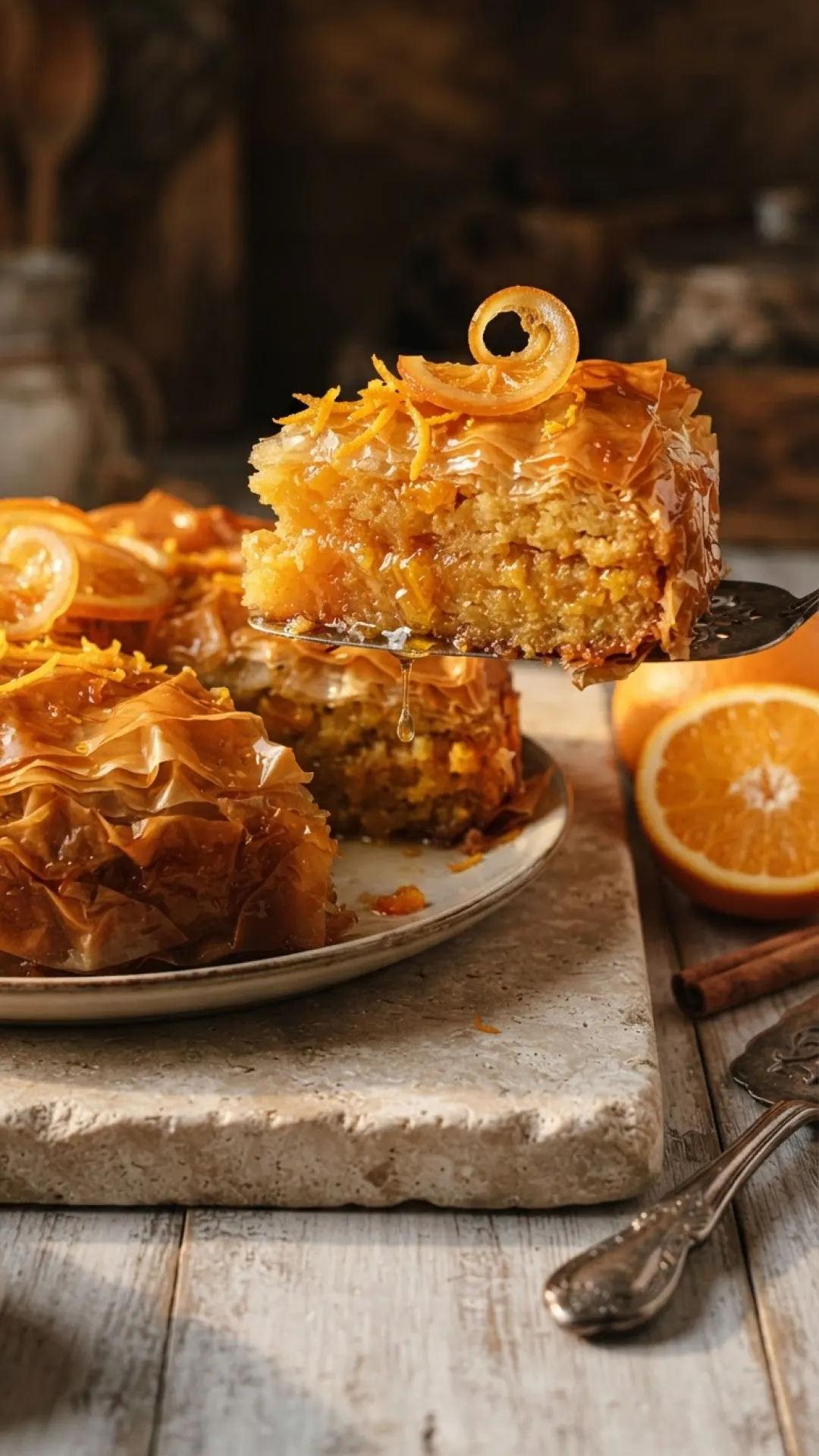
Unlike traditional cakes, this Greek Portokalopita (Orange Phyllo Cake) boasts a captivating texture. The phyllo dough, typically used fresh, is torn into pieces and allowed to dry slightly, creating a beautiful interplay between crispy, almost biscotti-like edges and a wonderfully moist, custardy interior once soaked in the syrup. It’s light, yet incredibly satisfying.
An Explosion of Fresh Orange Flavor
This cake is a true celebration of oranges! Both the cake batter and the generous syrup are infused with fresh orange zest and juice, creating a bright, vibrant, and utterly refreshing citrus punch that balances the sweetness perfectly. It’s sunshine in dessert form.
Surprisingly Simple, Impressively Elegant
Despite its sophisticated appearance and incredible flavor profile, making Greek Portokalopita (Orange Phyllo Cake) is far less intimidating than it seems. There are no complex layers or intricate techniques. It’s a rustic dessert that comes together quite easily, making it perfect for both novice and experienced bakers who want to impress.
A Perfect Make-Ahead Dessert
In fact, this cake tastes even better the day after it's made, allowing the flavors to meld and the syrup to fully permeate the phyllo. This makes the Greek Portokalopita (Orange Phyllo Cake) an ideal dessert for entertaining, as you can prepare it in advance and simply serve when ready.
Key Ingredient Notes for Your Perfect Greek Portokalopita (Orange Phyllo Cake)
Getting the right ingredients is key to unlocking the true potential of this delightful Greek Portokalopita (Orange Phyllo Cake).
Phyllo Dough: The Crumpled Star
The star of our show, phyllo dough, is used in a rather unconventional way here. Instead of delicate sheets, we’re tearing it up! Don't fret if your phyllo is a bit dry or even slightly brittle – that’s actually a good thing for this recipe. The dryness helps it absorb the orange syrup better, creating that characteristic crispy yet soft texture. Make sure to let it air dry for at least 30 minutes, or even a few hours, before mixing it into the batter. This step is crucial for the final texture of your Greek Portokalopita (Orange Phyllo Cake).
Fresh Oranges: Zest and Juice are Essential
When I say fresh, I mean fresh! The quality of your oranges will directly impact the vibrancy of your Greek Portokalopita (Orange Phyllo Cake). Use good quality, ripe oranges for both the zest and the juice. The zest carries most of the aromatic oils, providing that intense orange perfume, while the juice adds a lovely tartness and moisture to both the cake and the syrup. Avoid bottled juice; fresh is non-negotiable for this recipe. For other citrus-infused delights, you might enjoy my Limoncello Tiramisu, another personal favorite that brightens any meal.
Greek Yogurt: The Secret to Moisture and Tang
Greek yogurt plays a vital role in the cake batter, contributing to its incredible moisture, richness, and a subtle tang that beautifully complements the sweet orange. Opt for full-fat Greek yogurt for the best results, as it provides a creaminess that lighter versions can't match. This creamy base is what helps create that irresistible custardy texture inside the Greek Portokalopita (Orange Phyllo Cake).
Step-by-Step Guide with Pro Tips for Greek Portokalopita (Orange Phyllo Cake)
Pro Tip: Prep Ahead for Success!
One of the beauties of Greek Portokalopita (Orange Phyllo Cake) is that you can do a little prep work ahead of time. The syrup can be made a day in advance and chilled, and the phyllo can be torn and left to air dry while you go about your day. I often use my Basics Glass Food Storage containers to keep prepped ingredients fresh.
Step 1: Prepare the Phyllo Dough
Take your phyllo dough out of the package and carefully separate the sheets. Tear them roughly into 1-2 inch pieces. Spread these pieces out onto a large baking sheet or clean kitchen towels. Let them air dry for at least 30 minutes, or up to 2-3 hours, until they feel crisp and somewhat brittle. This is essential for the texture of your Greek Portokalopita (Orange Phyllo Cake).
Step 2: Make the Orange Syrup
In a medium saucepan, combine the sugar, water, orange juice, and orange zest. Bring the mixture to a boil over medium heat, stirring until the sugar dissolves. Reduce the heat to low and simmer for about 5-7 minutes until the syrup slightly thickens. Remove from heat and stir in the vanilla extract. Let the syrup cool completely. It's crucial for the syrup to be cold when it meets the hot cake, so don't skip this step!
Step 3: Prepare the Cake Batter
Preheat your oven to 350°F (175°C). Grease a 9x13 inch baking dish. In a large bowl, whisk together the eggs and sugar until light and fluffy. Add the Greek yogurt, olive oil, milk, orange zest, and vanilla extract, mixing until just combined. In a separate bowl, whisk together the all-purpose flour and baking powder. Gradually add the dry ingredients to the wet ingredients, mixing until just incorporated. Do not overmix!
Step 4: Combine Phyllo and Batter
Gently fold the dried, torn phyllo pieces into the cake batter. Ensure all the phyllo pieces are coated. The batter will be quite thick, almost like a dough. This might feel unusual, but it's exactly what you want for a authentic Greek Portokalopita (Orange Phyllo Cake).
Step 5: Bake the Cake
Pour the phyllo-batter mixture into your prepared baking dish, spreading it evenly. Bake for 45-55 minutes, or until the cake is golden brown on top and a wooden skewer inserted into the center comes out clean. The top will be beautifully crisp, a hallmark of Greek Portokalopita (Orange Phyllo Cake).
Step 6: Syrupy Perfection
Immediately after removing the hot cake from the oven, slowly and evenly pour the cold orange syrup over the entire surface. You'll hear a beautiful sizzling sound as the hot cake absorbs the cold syrup. This dramatic temperature difference is key to the cake’s final texture. Let the Greek Portokalopita (Orange Phyllo Cake) rest at room temperature for at least 2-3 hours, or preferably overnight, allowing it to fully absorb all the delicious syrup. The longer it sits, the more flavorful and moist it becomes.
Variations & Serving Suggestions for Greek Portokalopita (Orange Phyllo Cake)
While the classic Greek Portokalopita (Orange Phyllo Cake) is perfect as is, there are a few ways to customize it and make it your own.
Boozy Boost
For an adult twist, add a splash of Metaxa (Greek brandy), Cointreau, or Grand Marnier to the orange syrup after it has cooled slightly. This adds an extra layer of warmth and sophistication to your Greek Portokalopita (Orange Phyllo Cake).
Spice it Up
A cinnamon stick or a few cloves can be added to the syrup while it simmers for a subtle spicy undertone that pairs beautifully with the orange. Remember to remove them before pouring the syrup over the cake.
Other Citrus Adventures
While orange is traditional, you could experiment with a mix of lemon and orange, or even grapefruit for a more bitter, complex flavor profile. Just ensure the total amount of juice remains the same.
Elegant Garnishes
Serve slices of Greek Portokalopita (Orange Phyllo Cake) simply dusted with a little powdered sugar. For a more elegant presentation, garnish with thin slices of candied orange peel, a sprig of fresh mint, or a dollop of whipped cream or vanilla ice cream. The cool creaminess contrasts wonderfully with the syrupy cake. If you enjoy elegant, fruity desserts, you might also love my Strawberry Sumac Pavlova with Pistachios & Basil!
Nutrition Information
| Nutrient | Amount |
|---|---|
| Calories | 350 kcal |
| Carbohydrate Content | 55 g |
| Cholesterol Content | 50 mg |
| Fat Content | 12 g |
| Fiber Content | 2 g |
| Protein Content | 5 g |
| Saturated Fat Content | 2 g |
| Serving Size | 1 slice (approx. 1/12 of cake) |
| Sodium Content | 180 mg |
| Sugar Content | 35 g |
| Trans Fat Content | 0 g |
| Unsaturated Fat Content | 10 g |
Conclusion
Greek Portokalopita (Orange Phyllo Cake) isn't just a dessert; it's a culinary journey to the sun-drenched shores of Greece. Its unique texture, vibrant orange flavor, and comforting sweetness make it a truly special treat. Whether you're making it for a special occasion, a family gathering, or just to satisfy a craving for something wonderfully authentic and delicious, this recipe is guaranteed to bring a smile to your face. So, gather your ingredients, embrace the joy of baking, and prepare to fall in love with this magnificent Greek Portokalopita (Orange Phyllo Cake).
FAQs
What is Portokalopita?
Portokalopita is a traditional Greek orange phyllo cake. It features torn or shredded phyllo dough that is mixed into a creamy, egg-based batter, then baked and generously soaked in a fragrant orange syrup. It's known for its unique crispy yet custardy texture and intense citrus flavor.
Can I make Greek Portokalopita (Orange Phyllo Cake) ahead of time?
Absolutely! Portokalopita actually tastes even better the day after it's made, as this allows the cake to fully absorb all the delicious syrup and for the flavors to meld beautifully. You can store it covered at room temperature for up to 2 days, or in the refrigerator for up to 5 days.
Why do I need to dry the phyllo dough for Portokalopita?
Drying the phyllo dough is a crucial step for achieving the characteristic texture of Greek Portokalopita (Orange Phyllo Cake). When dried, the phyllo becomes crisp and brittle, allowing it to absorb the syrup more effectively and create that wonderful contrast of crunchy edges and a moist, custardy interior once baked and soaked.
What kind of oranges should I use for Greek Portokalopita?
For the best flavor, use fresh, ripe oranges for both the zest and juice. Varieties like navel or Valencia oranges work wonderfully. Avoid using bottled orange juice, as fresh juice provides a much brighter, more authentic citrus flavor that is essential for this Greek Portokalopita (Orange Phyllo Cake).
Greek Portokalopita (Orange Phyllo Cake)
A delightful Greek orange phyllo cake soaked in a fragrant citrus syrup, known for its unique crispy-soft texture and vibrant flavor. This easy recipe brings a taste of Greece to your home.
- Total Time: 3 hours 20 minutes (includes cooling time)
- Yield: 12 servings 1x
Ingredients
1 lb (450g) phyllo dough, thawed
4 large eggs
1 cup (200g) granulated sugar
1 cup (240g) full-fat Greek yogurt
1/2 cup (120ml) olive oil
1/2 cup (120ml) milk
Zest of 2 large oranges
1 tsp vanilla extract
2 tsp baking powder
1 cup (120g) all-purpose flour
2 cups (400g) granulated sugar (for syrup)
2 cups (480ml) water (for syrup)
1/2 cup (120ml) fresh orange juice (for syrup)
Zest of 1 large orange (for syrup)
1 tsp vanilla extract (for syrup)
Instructions
Step 1: Prepare the Phyllo Dough: Take the phyllo dough out of its package and tear it roughly into 1-2 inch pieces. Spread the pieces out on a large baking sheet or clean kitchen towels and let them air dry for at least 30 minutes, or up to 2-3 hours, until crisp and somewhat brittle.
Step 2: Make the Orange Syrup: In a medium saucepan, combine 2 cups of sugar, 2 cups of water, 1/2 cup of orange juice, and the zest of 1 orange. Bring to a boil over medium heat, stirring until the sugar dissolves. Reduce heat to low and simmer for 5-7 minutes until the syrup slightly thickens. Remove from heat and stir in 1 tsp vanilla extract. Let the syrup cool completely.
Step 3: Prepare the Cake Batter: Preheat your oven to 350°F (175°C). Grease a 9x13 inch baking dish. In a large bowl, whisk together the 4 eggs and 1 cup of sugar until light and fluffy. Add the Greek yogurt, olive oil, milk, zest of 2 oranges, and 1 tsp vanilla extract, mixing until just combined.
Step 4: Combine Dry Ingredients: In a separate bowl, whisk together the all-purpose flour and baking powder. Gradually add the dry ingredients to the wet ingredients, mixing until just incorporated. Do not overmix.
Step 5: Fold in Phyllo: Gently fold the dried, torn phyllo pieces into the cake batter until all pieces are coated. The batter will be thick.
Step 6: Bake the Cake: Pour the phyllo-batter mixture into your prepared baking dish, spreading it evenly. Bake for 45-55 minutes, or until the cake is golden brown on top and a wooden skewer inserted into the center comes out clean.
Step 7: Syrupy Perfection: Immediately after removing the hot cake from the oven, slowly and evenly pour the cold orange syrup over the entire surface. Let the cake rest at room temperature for at least 2-3 hours, or preferably overnight, to fully absorb the syrup. Slice and serve.
Notes
Ensure the syrup is completely cold before pouring it over the hot cake; this temperature difference is crucial for the cake's texture and absorption. For best results, let the cake sit overnight.
- Prep Time: 30 minutes
- Cook Time: 50 minutes
- Category: Desserts & Baking
- Cuisine: Greek
Nutrition
- Serving Size: 1 slice (approx. 1/12 of cake)
- Calories: 350 kcal
- Sugar: 35 g
- Sodium: 180 mg
- Fat: 12 g
- Saturated Fat: 2 g
- Unsaturated Fat: 10 g
- Trans Fat: 0 g
- Carbohydrates: 55 g
- Fiber: 2 g
- Protein: 5 g
- Cholesterol: 50 mg