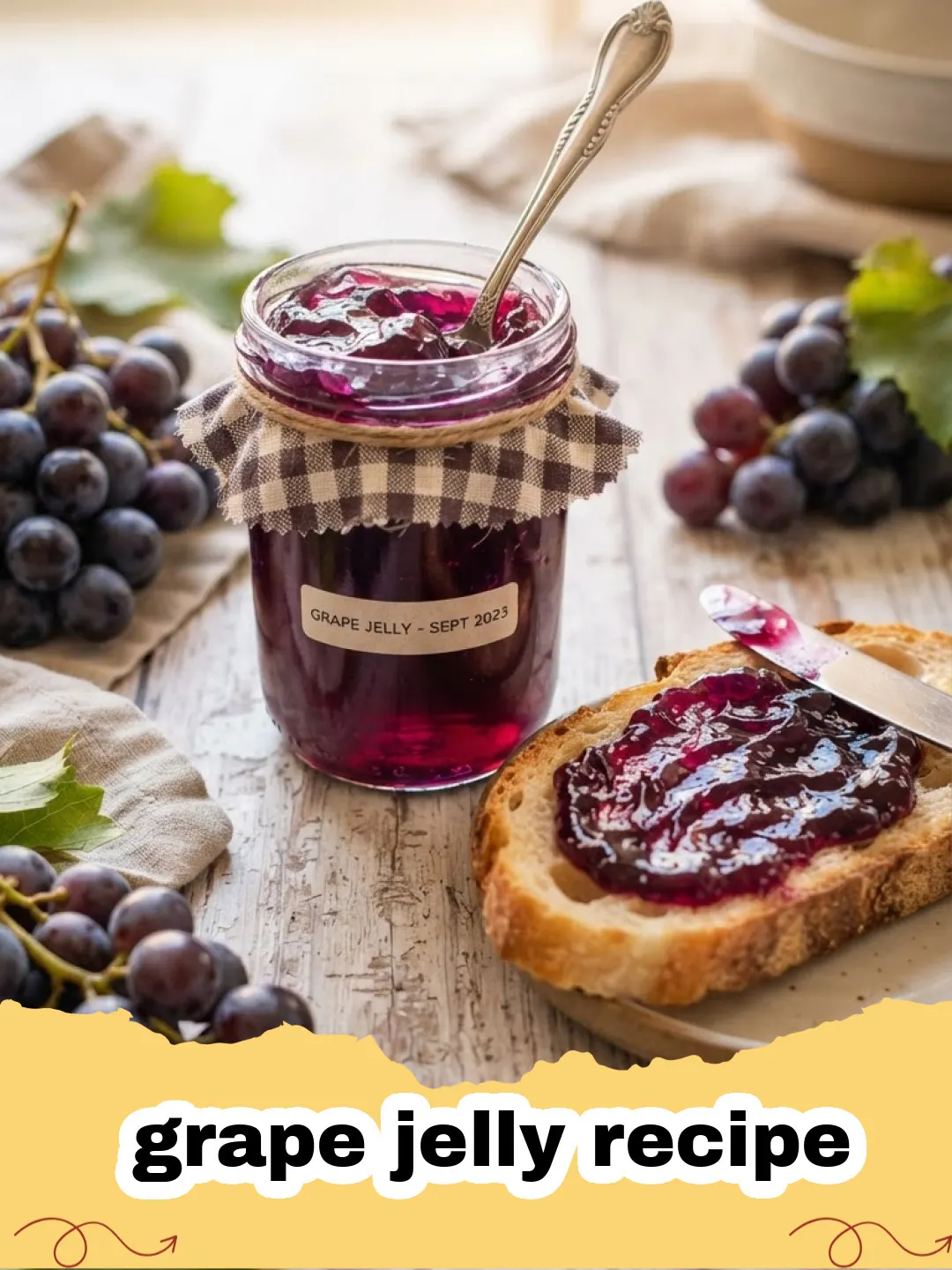
There’s something truly magical about the aroma of simmering grapes filling your kitchen. For me, that scent isn’t just a signal that a delicious batch of homemade grape jelly recipe is in the making; it’s a direct portal back to my grandmother’s bustling kitchen. I can vividly recall autumn afternoons, her apron dusted with flour, teaching me how to pick the ripest Concord grapes from her sprawling backyard arbor. My tiny hands, stained purple, would help her stem them, and I’d watch, mesmerized, as she transformed those humble fruits into glistening jars of pure joy. It wasn't just about the jelly; it was about the shared stories, the gentle hum of the canning pot, and the quiet satisfaction of preserving summer's bounty. This particular grape jelly recipe isn't just food; it's a legacy, a tradition passed down through generations, and a reminder that the simplest pleasures are often the most profound. Every time I spread this vibrant purple jelly on a slice of toast, I’m not just tasting fruit and sugar; I’m tasting warmth, love, and the echoes of laughter from a time long past. It’s a taste that connects me to my roots, and I'm so excited to share this treasured grape jelly recipe with you, hoping it brings a similar sense of comfort and joy to your home.
Why This Grape Jelly Recipe Is a Must-Try
Unbeatable Flavor and Freshness:
Forget store-bought! This homemade grape jelly recipe bursts with the natural, sweet-tart essence of fresh grapes, a flavor profile that simply can’t be replicated. You control the quality of ingredients, ensuring a pure and delicious spread.Connects You to the Harvest:
Making your own grape jelly is a rewarding experience that brings you closer to the source of your food. It’s a wonderful way to utilize seasonal grapes, embrace the art of preservation, and enjoy the fruits of your labor for months to come.Perfect for Gifting and Sharing:
Small jars of this beautiful grape jelly make thoughtful, heartfelt gifts for friends, family, and neighbors. It’s a personalized touch that shows you care, and everyone appreciates a homemade treat.Versatile Kitchen Staple:
While fantastic on toast or muffins, this grape jelly recipe is also incredibly versatile. Use it to glaze meats, swirl into yogurt, fill pastries, or even as a base for a sweet and savory sauce. The possibilities are endless!
Key Ingredient Notes for Your Grape Jelly Recipe
Achieving the perfect grape jelly recipe relies on understanding a few key ingredients. Here’s what you need to know to make your batch exceptional:
Fresh Concord Grapes
Concord grapes are the star of this grape jelly recipe, and for good reason. They are renowned for their intense, foxy flavor and vibrant purple hue, making them ideal for a classic jelly. Look for grapes that are plump, firm, and deep in color. Avoid any with soft spots or mold. If you can’t find Concord grapes, other slip-skin grape varieties like Niagara (for a white jelly) or even wild grapes can work, though the flavor profile will differ slightly. The natural pectin content in Concord grapes is also quite high, which helps achieve that perfect jelly set.
Granulated Sugar
Sugar does more than just sweeten; it plays a crucial role in the setting process of the jelly by interacting with pectin. While it might seem like a lot, the specified amount in this grape jelly recipe is balanced to ensure proper gelling. Do not reduce the sugar unless you are using a low-sugar pectin specifically designed for such modifications, as it can result in a runny jelly. Using good quality granulated sugar will ensure a clear and vibrant jelly.
Liquid Pectin
While Concord grapes contain natural pectin, adding commercial pectin helps ensure a consistent and reliable set, especially for beginners or when grape ripeness varies. Liquid pectin is added towards the end of the cooking process, after the sugar has dissolved and boiled. Make sure to use fresh pectin, as older pectin can lose its potency and affect the jelly's set. Always follow the instructions on the pectin package in conjunction with this grape jelly recipe for best results. It’s the secret weapon for that perfect jiggly consistency.
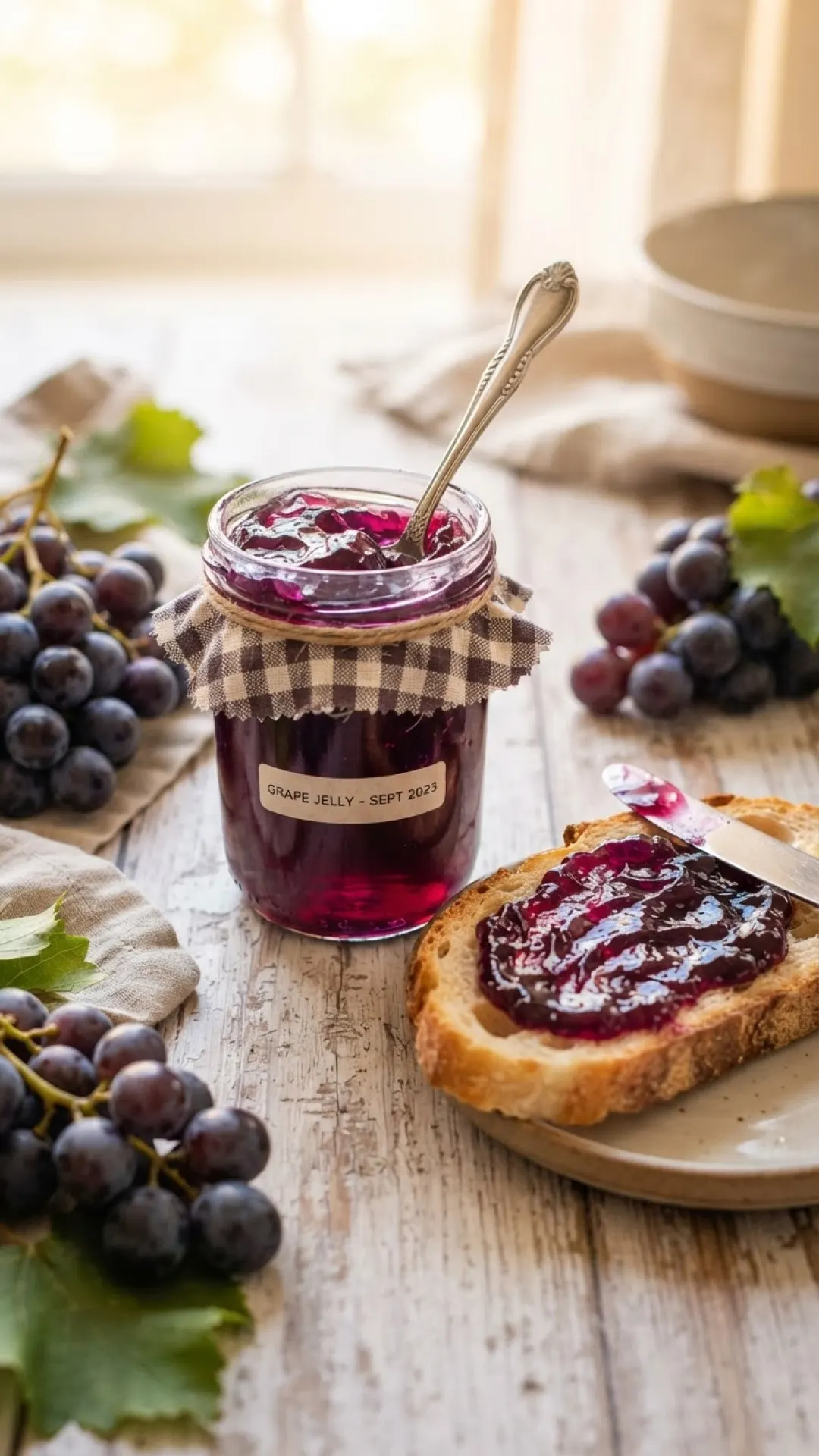
Step-by-Step Guide to Making Your Best Grape Jelly Recipe with Pro Tips
Making a delicious grape jelly recipe might seem daunting at first, but with a clear guide and a few pro tips, you'll be a jelly-making pro in no time. Let's get started on this journey to homemade goodness!
Preparing Your Grapes and Equipment
Step 1: Begin by thoroughly washing your fresh Concord grapes. Remove any stems and discard any bruised or spoiled grapes. You want only the best for your grape jelly recipe.
Step 2: Sterilize your canning jars and lids. You can do this by washing them in hot, soapy water, rinsing well, and then submerging them in boiling water for at least 10 minutes. Keep the jars hot until ready to fill. Lids can be simmered in hot (not boiling) water for a few minutes. If you're new to canning or want to explore other preservation methods, you might find my guide on My Grandmother's Time-Tested Canning Salsa Recipe incredibly helpful for general canning tips and safe practices.
Extracting the Juice
Step 3: Place the washed grapes into a large, heavy-bottomed pot. Add the water. The water helps create enough liquid to extract the juice without scorching the fruit.
Step 4: Bring the mixture to a boil over medium-high heat, then reduce heat, cover, and simmer for about 15-20 minutes, or until the grapes are very soft and have released their juice. Stir occasionally, crushing the grapes against the side of the pot with a potato masher or spoon to help extract more juice. This is crucial for a flavorful grape jelly recipe.
Step 5: Strain the grape pulp: Place a colander lined with several layers of cheesecloth (or a jelly bag) over a large bowl or pot. Carefully pour the cooked grape mixture into the colander. Allow the juice to drip naturally for several hours or overnight. Do NOT squeeze the cheesecloth, as this can force pulp through, resulting in cloudy jelly. Patience is key here for a clear, beautiful grape jelly recipe.
Making the Jelly
Step 6: Measure exactly 5 cups of the strained grape juice into a large, clean, heavy-bottomed pot. If you have less than 5 cups, you can top it up with a good quality store-bought grape juice, but for the best flavor, try to use all homemade.
Step 7: Stir the liquid pectin into the grape juice in the pot. Bring the mixture to a full rolling boil over high heat, stirring constantly. A full rolling boil is one that cannot be stirred down.
Step 8: Immediately add all of the sugar at once. Stir continuously to dissolve the sugar completely. Return the mixture to a full rolling boil, stirring constantly. Boil hard for exactly 1 minute. Do not overcook, as this can affect the set of your grape jelly recipe.
Filling and Processing
Step 9: Remove the pot from the heat. Skim off any foam that has formed on the surface using a metal spoon. This helps ensure a clear finished grape jelly recipe.
Step 10: Ladle the hot grape jelly into the hot, sterilized jars, leaving 1/4 inch of headspace. Wipe the rims of the jars clean with a damp cloth to ensure a good seal.
Step 11: Center the lids on the jars and apply the screw bands until fingertip tight. Do not overtighten.
Step 12: Place the filled jars into a boiling water canner. Ensure the jars are covered by at least 1-2 inches of water. Bring the water to a rolling boil and process the jars for 10 minutes (adjusting for altitude if necessary). This step is essential for proper sealing and shelf stability of your grape jelly recipe.
Step 13: Carefully remove the jars from the canner and place them on a clean towel or cooling rack, ensuring they are not touching each other. Let them cool undisturbed for 12-24 hours. You should hear popping sounds as the lids seal. Check seals after cooling; lids should be concave and not flex when pressed. Any unsealed jars can be reprocessed or stored in the refrigerator and consumed within a few weeks. Store sealed jars of this wonderful grape jelly recipe in a cool, dark place for up to one year. Consider using durable glass storage containers for optimal preservation and organization, like these Basics Glass Food Storage options.
Variations & Serving Suggestions for Your Grape Jelly Recipe
This classic grape jelly recipe is wonderful on its own, but there are many ways to get creative with it!
Flavor Variations:
- Spiced Grape Jelly: Add a cinnamon stick or a few whole cloves to the grapes while they are simmering to infuse a warm, autumnal spice into your grape jelly recipe. Remove spices before straining.
- Herb-Infused Jelly: A sprig of rosemary or thyme simmered with the grapes can add an unexpectedly sophisticated note.
- Grape-Berry Blend: Combine Concord grapes with an equal amount of blueberries or blackberries when simmering for a delightful mixed fruit jelly. This will create a unique grape jelly recipe experience.
- Zesty Grape Jelly: Add a teaspoon of lemon zest to the juice just before adding pectin for a brighter, more aromatic grape jelly recipe.
Serving Suggestions:
- Classic Toast & Muffins: The most obvious, yet always satisfying. Spread generously on buttered toast, warm biscuits, or freshly baked English muffins.
- PB&J's Best Friend: Elevate your peanut butter and jelly sandwich with homemade grape jelly. The rich flavor is unmatched.
- Glaze for Meats: Whisk a few tablespoons of melted grape jelly with a splash of balsamic vinegar and a pinch of garlic powder. Brush over roasted chicken, pork tenderloin, or meatballs for a sweet and tangy glaze. This turns your grape jelly recipe into a savory delight.
- Yogurt or Oatmeal Swirl: Swirl a spoonful into plain yogurt or hot oatmeal for a burst of fruit flavor and natural sweetness.
- Cheese Board Companion: Serve a small bowl of grape jelly alongside soft cheeses like brie or goat cheese, and crusty bread or crackers. It adds a lovely sweet counterpoint.
- Baking Ingredient: Use it as a filling for thumbprint cookies, small tarts, or as a layer in a classic Victoria sponge cake. Beyond this classic grape jelly recipe, consider trying a Sweet & Spicy Hot Pepper Jelly Recipe for a different flavor adventure in your baking and entertaining.
- Cocktail Mixer: A small dollop of grape jelly can add sweetness and fruit flavor to cocktails. Try it in a bourbon smash or a gin fizz for a unique twist.
Nutrition Information
Here's a general overview of the nutritional values for a single serving of this delicious grape jelly recipe. Please note these are estimates and can vary based on specific ingredient brands and preparation methods.
| Nutrient | Amount Per Serving |
|---|---|
| Calories | 55 kcal |
| Carbohydrate Content | 14 g |
| Cholesterol Content | 0 mg |
| Fat Content | 0 g |
| Fiber Content | 0.1 g |
| Protein Content | 0 g |
| Saturated Fat Content | 0 g |
| Serving Size | 1 tbsp (15g) |
| Sodium Content | 1 mg |
| Sugar Content | 14 g |
| Trans Fat Content | 0 g |
| Unsaturated Fat Content | 0 g |
Conclusion
Crafting your own grape jelly recipe is more than just making a condiment; it's an act of love, a nod to tradition, and a celebration of seasonal bounty. From the intoxicating aroma of simmering grapes to the satisfying pop of a freshly sealed jar, every step of this process is incredibly rewarding. I hope this classic grape jelly recipe brings as much joy and deliciousness to your kitchen as it has to mine, becoming a new cherished tradition for your family. Enjoy the sweet taste of homemade goodness!
FAQs
What type of grapes are best for this grape jelly recipe?
Concord grapes are highly recommended for this grape jelly recipe due to their intense flavor, vibrant color, and naturally high pectin content, which helps the jelly set. Other slip-skin varieties can also work, but the classic taste is best achieved with Concord.
Why is my homemade grape jelly not setting properly?
Several factors can cause jelly not to set. Common reasons include insufficient pectin (ensure it's fresh), incorrect sugar ratio (don't reduce sugar unless using special low-sugar pectin), under-boiling or over-boiling the jelly, or using grapes that are under-ripe or over-ripe and thus lack adequate natural pectin. Make sure to follow the grape jelly recipe and pectin package instructions precisely.
Can I reduce the amount of sugar in this grape jelly recipe?
No, it is not recommended to reduce the sugar in this specific grape jelly recipe, as the amount is balanced to react with the pectin and ensure a proper set. Reducing sugar without using a specialized low-sugar pectin will likely result in a runny, syrup-like jelly rather than a firm one. If you desire a less sweet jelly, look for recipes specifically designed for low-sugar or no-sugar added pectins.
How long does homemade grape jelly last?
Properly sealed and processed jars of this grape jelly recipe can be stored in a cool, dark place for up to one year. Once opened, or for any jars that did not seal, the jelly should be refrigerated and consumed within 2-3 weeks.
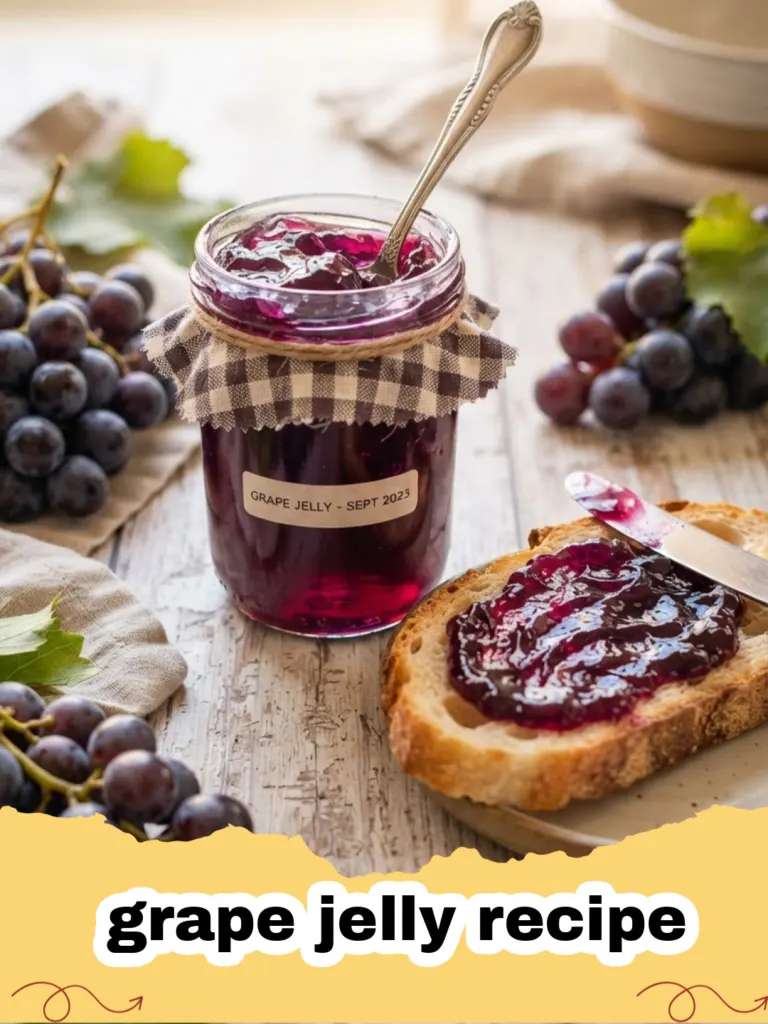
Classic Homemade Grape Jelly
This classic homemade grape jelly recipe captures the sweet-tart essence of fresh Concord grapes, just like Grandma used to make. Perfect for canning and enjoying year-round, this vibrant jelly is a delicious taste of nostalgia and a versatile kitchen staple.
- Total Time: Approx. 4-12 hours (includes straining time)
- Yield: 7-8 half-pint jars 1x
Ingredients
3.5 lbs ripe Concord grapes (or other slip-skin variety)
1/2 cup water
1 box (1.75 oz) liquid fruit pectin
7 cups granulated sugar
Instructions
Step 1: Wash grapes thoroughly and remove any stems. Discard any bruised or spoiled grapes.
Step 2: Sterilize canning jars and lids. Wash jars and rings in hot soapy water, rinse, and place jars in a large pot or canner. Cover with water and bring to a boil for at least 10 minutes. Keep hot until ready to fill. Simmer lids in hot water (not boiling) for a few minutes. (See notes for alternative sterilization methods).
Step 3: Place washed grapes and 1/2 cup water in a large, heavy-bottomed pot. Bring to a boil over medium-high heat. Reduce heat, cover, and simmer for 15-20 minutes, or until grapes are very soft. Mash grapes frequently with a potato masher to extract juice.
Step 4: Place a colander lined with several layers of cheesecloth (or a jelly bag) over a large bowl. Carefully pour the cooked grape mixture into the colander. Allow the juice to drip naturally for several hours or overnight. Do NOT squeeze the cheesecloth, as this can make the jelly cloudy. You should aim for exactly 5 cups of strained grape juice.
Step 5: Measure exactly 5 cups of strained grape juice into a large, clean, heavy-bottomed pot. If you have less, you can supplement with good quality store-bought grape juice.
Step 6: Stir the liquid fruit pectin into the grape juice. Bring the mixture to a full rolling boil over high heat, stirring constantly.
Step 7: Immediately add all 7 cups of granulated sugar at once. Stir continuously until the sugar is completely dissolved.
Step 8: Return the mixture to a full rolling boil, stirring constantly. Boil hard for exactly 1 minute.
Step 9: Remove the pot from the heat. Skim off any foam from the surface of the jelly using a metal spoon.
Step 10: Ladle the hot grape jelly into the hot, sterilized jars, leaving 1/4 inch of headspace. Wipe the rims clean with a damp cloth to ensure a good seal.
Step 11: Center the lids on the jars and apply the screw bands until fingertip tight.
Step 12: Place the filled jars into a boiling water canner. Ensure jars are covered by 1-2 inches of water. Bring to a rolling boil and process for 10 minutes (adjust for altitude if necessary).
Step 13: Carefully remove jars from the canner and place them on a clean towel or cooling rack. Allow them to cool undisturbed for 12-24 hours. Check seals: lids should be concave and not flex when pressed. Store sealed jars in a cool, dark place for up to one year. Unsealed jars should be refrigerated and consumed within a few weeks.
Notes
For best results, use fresh, perfectly ripe Concord grapes. Ensure all your canning equipment is sterilized before starting. If you don't have liquid pectin, powdered pectin can be used but usually requires a slightly different process and sugar ratio, so follow the package directions for powdered pectin for a grape jelly recipe. Always check jar seals after cooling; any jars that don't seal properly can be reprocessed or stored in the refrigerator.
- Prep Time: 30 minutes
- Cook Time: 25 minutes
- Category: Drinks, Snacks & Holiday Treats
- Cuisine: American
Nutrition
- Serving Size: 1 tbsp (15g)
- Calories: 55 kcal
- Sugar: 14 g
- Sodium: 1 mg
- Fat: 0 g
- Saturated Fat: 0 g
- Unsaturated Fat: 0 g
- Trans Fat: 0 g
- Carbohydrates: 14 g
- Fiber: 0.1 g
- Protein: 0 g
- Cholesterol: 0 mg