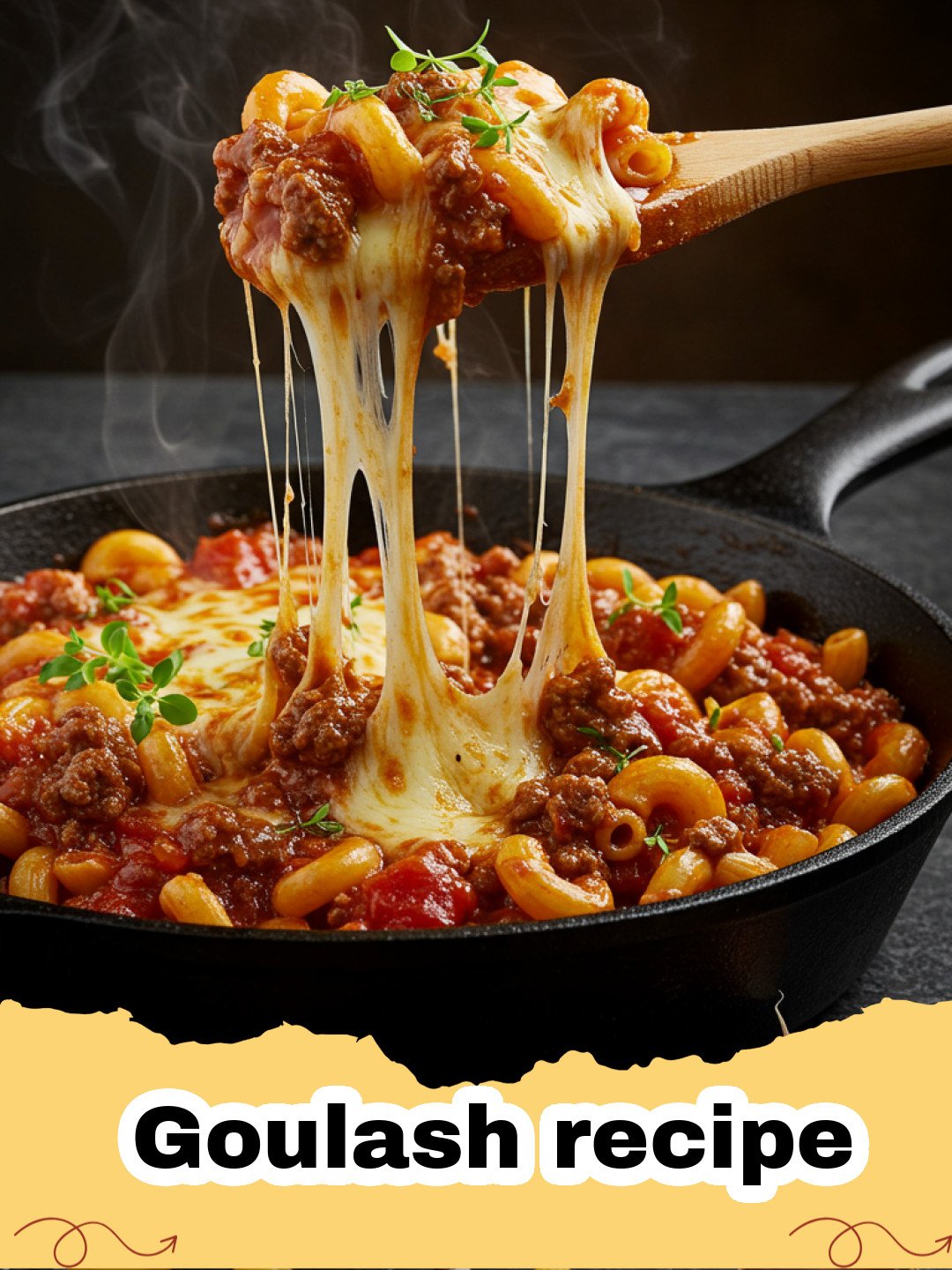
Finding the perfect Goulash recipe is often a journey through memory rather than just a search for a meal. For me, it started in my grandmother's kitchen on a Tuesday afternoon in late October, when the air outside had just begun to bite and the windows were fogged with the steam of a kitchen in full swing. I remember the smell of sweet, smoky paprika hitting the hot fat, a scent so evocative it still makes my mouth water decades later. This Goulash recipe isn't just about food; it is about the way a simple pot of beef and onions can transform a house into a home. There is a specific kind of magic that happens when you take humble ingredients and allow them the time and space to become something extraordinary. Over the years, I have tinkered with various versions, from the quick stovetop hacks to the complex restaurant styles, but I always find myself returning to this authentic, slow-simmered approach. It is a labor of love that rewards you with every tender, melt-in-your-mouth bite of beef and every spoonful of that deep, crimson gravy. Whether you are looking for a way to feed a hungry family or simply want to master a classic European dish, this Goulash recipe is the gold standard for comfort.
Why This Recipe is a Must-Try
- Unmatched Depth of Flavor: By using high-quality Hungarian paprika and a long simmering process, this Goulash recipe develops layers of flavor that quick recipes simply cannot replicate.
- Tender, Melt-in-Your-Mouth Beef: The slow-cooking method breaks down the connective tissue in the chuck roast, resulting in meat that falls apart with the slight pressure of a fork.
- Authentic and Traditional: Unlike Americanized versions that often include ground beef and macaroni, this Goulash recipe stays true to the Central European roots of the dish.
- Perfect for Meal Prep: Like many stews, this dish tastes even better the next day after the flavors have had time to fully meld in the refrigerator.
Key Ingredient Notes
The success of this Goulash recipe hinges on a few critical components that elevate it from a basic stew to a culinary masterpiece. First and foremost is the paprika. You cannot simply use any supermarket paprika; for a truly authentic flavor, you must seek out Hungarian Sweet Paprika. It has a rich, earthy sweetness without the harsh bitterness of lower-grade spices. If you prefer a bit of heat, you can mix in a teaspoon of hot Hungarian paprika, but the sweet variety provides that signature vibrant red color and foundational flavor profile. Another essential element is the beef. I always recommend a well-marbled chuck roast. While it might seem counterintuitive to use a tougher cut of meat, the fat and collagen are what create the velvety texture of the sauce as they render down over several hours. Finally, don't skimp on the onions. In a traditional Goulash recipe, the onions are not just a flavoring agent; they act as the thickener for the sauce. As they cook down, they practically dissolve into the broth, creating a naturally thick and luscious consistency without the need for a flour roux.
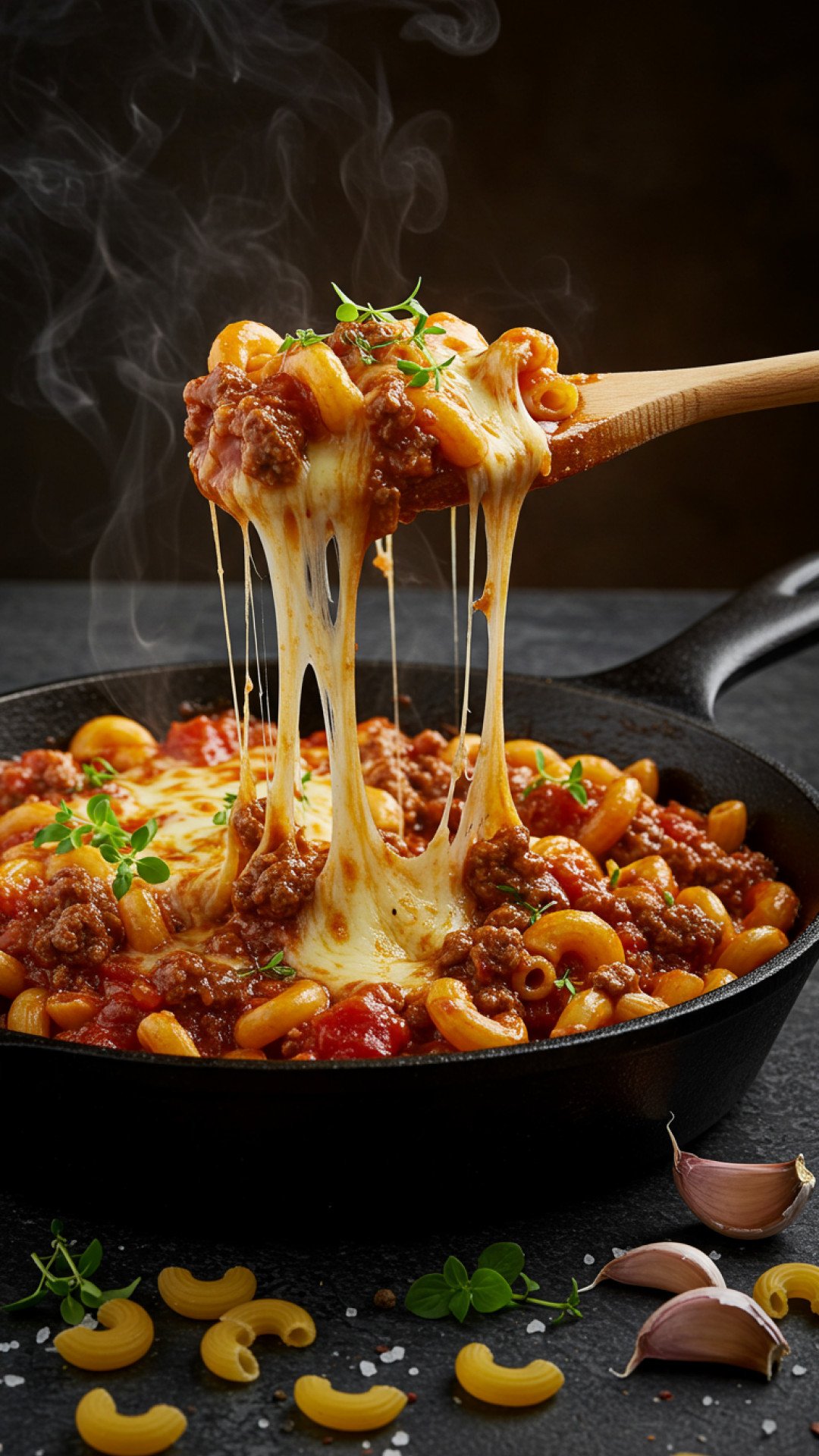
Step-by-Step Guide with Pro Tips
Before you begin your Goulash recipe journey, ensure you have a heavy-bottomed pot, ideally a Dutch oven, which provides even heat distribution. While this Goulash recipe uses chunks of beef, if you are looking for something quicker on a weeknight, check out The Ultimate One-Pot Ground Beef and Rice Skillet. However, for today, we are embracing the slow process.
The Searing and Sautéing Process
Start by browning your beef in batches. This is a crucial step for this Goulash recipe because the Maillard reaction—the browning of the meat—creates the base layers of savory flavor. If you crowd the pan, the beef will steam rather than sear, so be patient. Once the beef is removed, the onions go in. You want to cook them until they are translucent and just starting to turn golden. This is the moment to add your garlic and the star of the show: the paprika. A pro tip for any Goulash recipe is to "bloom" your paprika. Stir it into the hot fat for only about 30 to 60 seconds. This releases the oils and intensifies the flavor, but be careful! Paprika has a high sugar content and can burn quickly, which will make your entire Goulash recipe taste bitter.
The Long Simmer
After blooming the spices, deglaze the pot with a bit of beef broth or a splash of red wine. Scrape up all those delicious brown bits from the bottom. Add the beef back in along with your aromatics like caraway seeds, bay leaves, and a touch of tomato paste. Cover it and let it simmer on low. This Goulash recipe requires patience—usually two to three hours. You will know it is ready when the beef offers no resistance to a fork. If the liquid reduces too much, simply add a splash more broth. To store your delicious leftovers safely, I recommend using Basics Glass Food Storage containers which keep the flavors fresh for days.
Variations & Serving Suggestions
While the classic Goulash recipe is perfection on its own, there are several ways to adapt it to your preferences. In some regions, it is common to add diced potatoes or bell peppers during the last 45 minutes of cooking to turn it into more of a complete vegetable-rich stew. For a creamy twist, some people stir in a dollop of sour cream right before serving, which beautifully balances the richness of the beef and the earthiness of the paprika. When it comes to serving, the possibilities are endless. Traditionally, this Goulash recipe is served over Nokedli (Hungarian egg dumplings) or buttered egg noodles. However, a thick stew like this Goulash recipe practically begs for a side of bread. I highly suggest pairing it with The Most Delicious and Bubbly Sourdough Focaccia Recipe to soak up that vibrant red sauce. If you want a lower-carb option, serving the goulash over a bed of mashed cauliflower or even just in a bowl with a side of steamed green beans works wonderfully. No matter how you serve it, this Goulash recipe is guaranteed to be a hit.
Nutrition Information
| Nutrient | Amount Per Serving |
|---|---|
| Calories | 420 kcal |
| Carbohydrate Content | 18g |
| Cholesterol Content | 95mg |
| Fat Content | 24g |
| Fiber Content | 4g |
| Protein Content | 32g |
| Saturated Fat Content | 9g |
| Serving Size | 1.5 cups |
| Sodium Content | 780mg |
| Sugar Content | 6g |
| Trans Fat Content | 0g |
| Unsaturated Fat Content | 15g |
Conclusion
In the world of comfort food, few things can compete with a properly executed Goulash recipe. It is a dish that celebrates the beauty of slow cooking and the power of high-quality spices. By following this Goulash recipe, you aren't just making dinner; you are creating an experience that warms the body and the soul. I hope this Goulash recipe becomes as much of a staple in your home as it has in mine. Happy cooking!
FAQs
What is the best cut of meat for a Goulash recipe?
The best cut of meat for a Goulash recipe is beef chuck roast. It has a high amount of connective tissue and marbling which breaks down during the slow cooking process, resulting in incredibly tender meat and a rich, thick sauce.
Can I make this Goulash recipe in a slow cooker?
Yes! After browning the meat and sautu00e9ing the onions and spices on the stove, transfer everything to a slow cooker. Cook on low for 7-8 hours or on high for 4 hours until the beef is tender.
What is the difference between Hungarian and American Goulash?
Traditional Hungarian Goulash is a slow-cooked beef stew flavored heavily with paprika and served with potatoes or dumplings. American Goulash is typically a quicker meal made with ground beef, tomato sauce, and macaroni noodles.
How do I prevent my paprika from tasting bitter?
To prevent bitterness, never burn your paprika. Add it to the fat over medium heat and stir for only 30-60 seconds before adding liquid to the pot. This blooms the flavor without scorching the delicate spice.
Traditional Hungarian Beef Goulash
A rich, slow-cooked beef stew seasoned with authentic Hungarian paprika and aromatics. This Goulash recipe delivers tender beef in a thick, flavorful gravy.
- Total Time: 3 hours 20 minutes
- Yield: 6 servings 1x
Ingredients
3 lbs beef chuck roast, cut into 1.5-inch cubes
3 large yellow onions, finely chopped
4 cloves garlic, minced
3 tbsp Hungarian sweet paprika
1 tsp caraway seeds, crushed
2 tbsp tomato paste
4 cups beef broth
2 bay leaves
2 tbsp vegetable oil
Salt and black pepper to taste
Optional: Sour cream and fresh parsley for garnish
Instructions
Step 1: Season the beef cubes generously with salt and black pepper. In a large Dutch oven, heat the oil over medium-high heat.
Step 2: Brown the beef in batches to ensure a good sear. Remove the beef and set aside on a plate.
Step 3: Lower the heat to medium. Add the chopped onions to the remaining fat in the pot. Cook for about 10-12 minutes until soft and golden.
Step 4: Add the minced garlic and cook for 1 minute. Remove the pot from the heat briefly and stir in the Hungarian paprika, caraway seeds, and tomato paste.
Step 5: Return to the heat and add a splash of beef broth to deglaze the pot, scraping the bottom to release the browned bits.
Step 6: Return the beef and any juices to the pot. Pour in the remaining beef broth and add the bay leaves.
Step 7: Bring to a boil, then reduce the heat to a very low simmer. Cover with a lid and cook for 2.5 to 3 hours, or until the beef is fork-tender.
Step 8: Remove the bay leaves. Taste and adjust salt and pepper. Serve hot with noodles or bread.
Notes
For the best results, use genuine imported Hungarian paprika. The sauce thickens naturally from the onions, but if you prefer it thicker, simmer uncovered for the last 20 minutes.
- Prep Time: 20 minutes
- Cook Time: 3 hours
- Category: Main Dishes & Savory Recipes
- Cuisine: Hungarian
Nutrition
- Serving Size: 1.5 cups
- Calories: 420 kcal
- Sugar: 6g
- Sodium: 780mg
- Fat: 24g
- Saturated Fat: 9g
- Unsaturated Fat: 15g
- Trans Fat: 0g
- Carbohydrates: 18g
- Fiber: 4g
- Protein: 32g
- Cholesterol: 95mg