
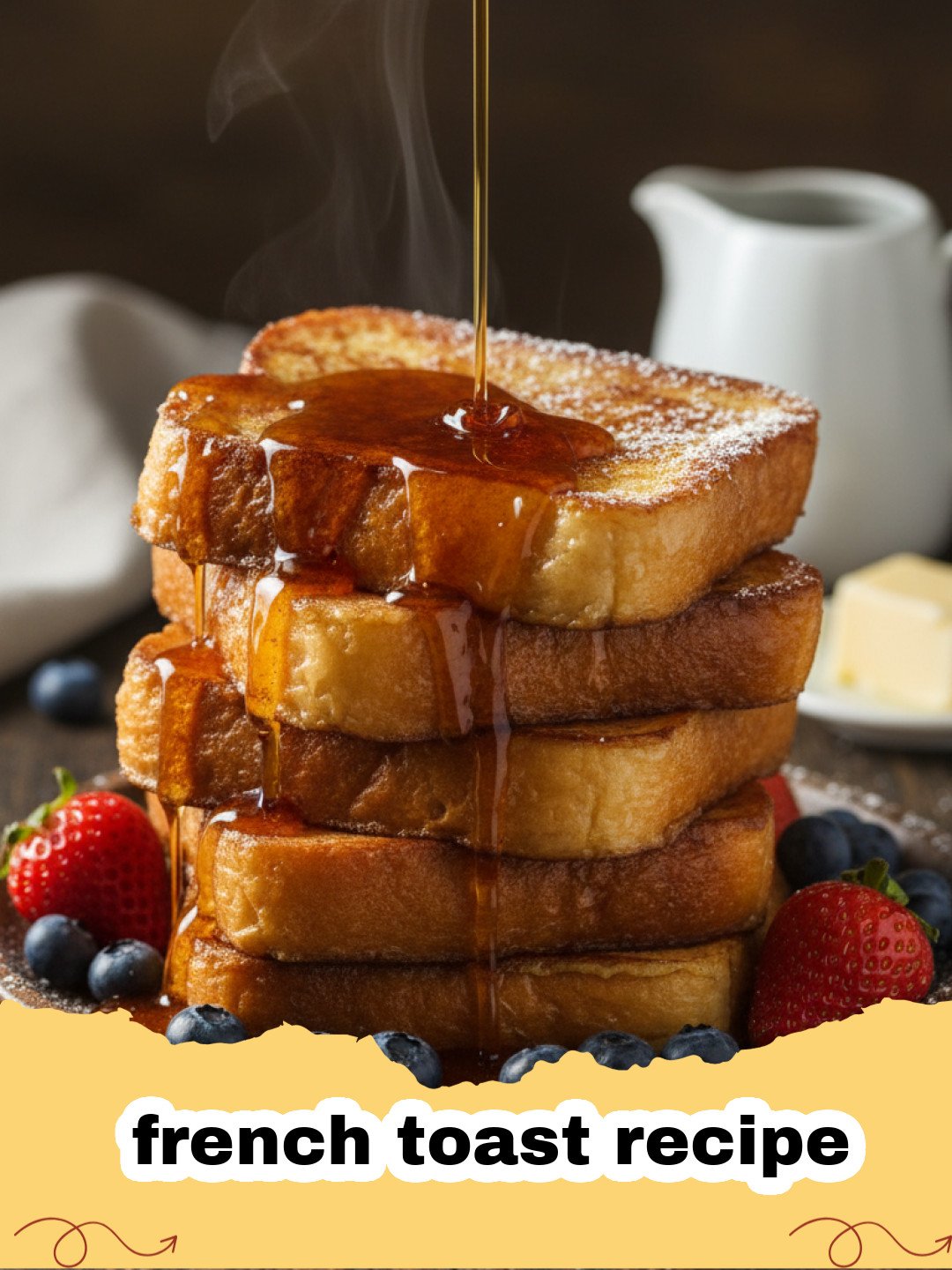
This classic french toast recipe has been a staple in my kitchen for over a decade, serving as the comforting centerpiece of countless Sunday family brunches. There is something truly magical about the way a few simple ingredients—stale bread, farm-fresh eggs, and a splash of milk—can transform into a gourmet meal that feels like a warm hug. I remember the first time I attempted a french toast recipe as a child; I completely over-saturated the bread, resulting in a soggy mess that barely resembled breakfast. However, those early failures led me on a quest to develop the absolute best french toast recipe possible. After years of testing different bread types, custard ratios, and frying techniques, I am thrilled to share the secrets I have learned along the way. This is not just any breakfast; it is a meticulously crafted french toast recipe designed to give you that perfect contrast between a caramelized, golden-brown exterior and a soft, custard-like center that melts in your mouth with every single bite.
Why This Recipe is a Must-Try
- Unbeatable Texture: This specific french toast recipe focuses on a specific custard ratio that prevents the bread from becoming unpleasantly soggy while maintaining a creamy interior.
- Simple Elegance: You do not need fancy equipment to master this french toast recipe; a simple skillet and a whisk are all it takes to achieve restaurant-quality results at home.
- Versatile Canvas: Once you have mastered the base french toast recipe, you can easily adapt it with different spices, fruits, or even savory toppings to suit your mood.
- Pantry-Friendly: Most of the components for this french toast recipe are likely already sitting in your refrigerator or pantry, making it the perfect last-minute weekend treat.
Key Ingredient Notes
The foundation of any great french toast recipe starts with the bread. While you can technically use any sliced loaf, I highly recommend using thick-cut Brioche or Challah. These enriched breads have a high egg and butter content, which helps them stand up to the soaking process without falling apart. If you find yourself with leftovers of The Ultimate Moist Banana Bread Recipe: A Kitchen Classic, you can even try using that for a unique twist, though a sturdy white loaf remains the traditional choice for a classic french toast recipe. Make sure your bread is slightly stale or lightly toasted in the oven before dipping; this allows the bread to act like a sponge, absorbing the custard deeply without losing its structural integrity.
Next, let's talk about the custard. A successful french toast recipe relies on the perfect balance of eggs and dairy. Using whole milk or a combination of milk and heavy cream provides a richness that lower-fat options simply cannot replicate. To elevate this french toast recipe further, I always include a generous amount of pure vanilla extract and a pinch of freshly grated nutmeg. The nutmeg adds a subtle depth of flavor that distinguishes a professional french toast recipe from a basic one. Whisk your custard thoroughly to ensure there are no stray bits of egg white, which can create unsightly white patches on your finished toast.
Step-by-Step Guide with Pro Tips
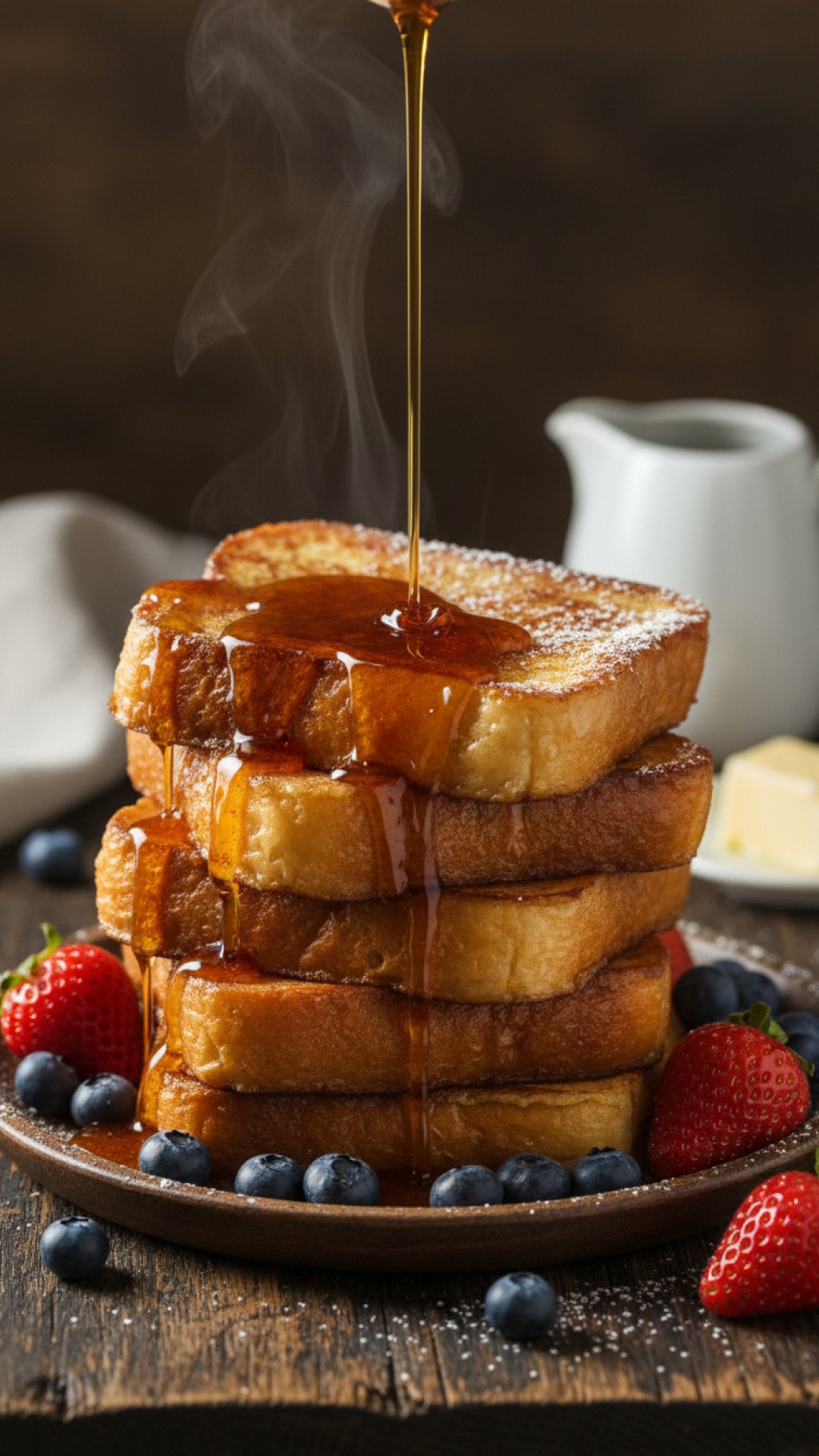
Preparing this french toast recipe is a straightforward process, but the nuances in technique are what lead to perfection. Start by preheating your griddle or non-stick skillet over medium-low heat. One of the biggest mistakes people make when following a french toast recipe is using heat that is too high, which burns the outside before the inside is cooked through. Use a mixture of butter and a tiny bit of neutral oil to prevent the butter from burning while providing that signature buttery flavor we all love in a french toast recipe.
When dipping your bread, aim for about 10 to 15 seconds per side depending on the thickness and density of your loaf. For a thick-cut french toast recipe, you want the custard to penetrate about halfway through the slice. If you are prepping for a large group, you might want to store your cooked slices in Basics Glass Food Storage containers in a low-temp oven (around 200°F) to keep them warm and crisp while you finish the rest of the batch. This ensures that everyone can enjoy the fruits of your french toast recipe labor at the same time, perfectly warm and ready to eat.
Variations & Serving Suggestions
The beauty of this french toast recipe lies in its adaptability. For a decadent twist, consider making stuffed French toast by sandwiching cream cheese and fruit preserves between two thin slices of bread before dipping them into the custard. If you prefer a crunchier texture, you can coat the soaked bread in crushed cornflakes or toasted almonds before frying. No french toast recipe is complete without the right toppings. While maple syrup is the gold standard, I highly recommend pairing your creation with The Ultimate Homemade Strawberry Syrup Recipe for Every Kitchen for a bright, fruity contrast that cuts through the richness of the eggs and butter.
For those who enjoy a bit of contrast, serving this french toast recipe with a side of crispy bacon or salty breakfast sausage creates a wonderful sweet-and-savory balance. You can also top it with a dollop of Greek yogurt and a sprinkle of hemp seeds for a slightly more modern take on the traditional french toast recipe. Whatever you choose, the key is to serve it immediately while the exterior is still crisp and the center is warm and tender.
Nutrition Information
| Metric | Value |
|---|---|
| Calories | 350 kcal |
| Carbohydrate Content | 45g |
| Cholesterol Content | 120mg |
| Fat Content | 15g |
| Fiber Content | 2g |
| Protein Content | 12g |
| Saturated Fat Content | 8g |
| Serving Size | 2 slices |
| Sodium Content | 450mg |
| Sugar Content | 12g |
| Trans Fat Content | 0g |
| Unsaturated Fat Content | 5g |
Conclusion
Mastering the classic french toast recipe is a journey that pays off every single weekend. By choosing the right bread, balancing your custard, and cooking with patience, you turn a few simple ingredients into a masterpiece. I hope this french toast recipe becomes as much of a tradition in your home as it has in mine. Whether you are hosting a festive holiday brunch or just treating yourself on a quiet Tuesday, this french toast recipe is the perfect way to start your day on a delicious note. Happy cooking!
FAQs
What is the best bread for a french toast recipe?
The best bread for a french toast recipe is a thick-cut, enriched bread like Brioche or Challah. These breads have a sturdy crumb and a high fat content, which allows them to soak up the custard without becoming soggy or falling apart.
How do I prevent my French toast from becoming soggy?
To prevent sogginess, use slightly stale bread and avoid over-soaking it. Additionally, ensure your pan is at medium-low heat so the interior has time to cook and set before the exterior burns.
Can I make this french toast recipe ahead of time?
Yes! You can cook the French toast, let it cool, and then freeze it in a single layer. Reheat slices in a toaster or oven for a quick and easy breakfast that maintains its crisp texture.
Is it better to use butter or oil for frying French toast?
A combination of both is often best. Butter provides the classic flavor essential for a french toast recipe, while a small amount of neutral oil helps raise the smoke point, preventing the butter from burning during the cooking process.
The Ultimate Classic French Toast
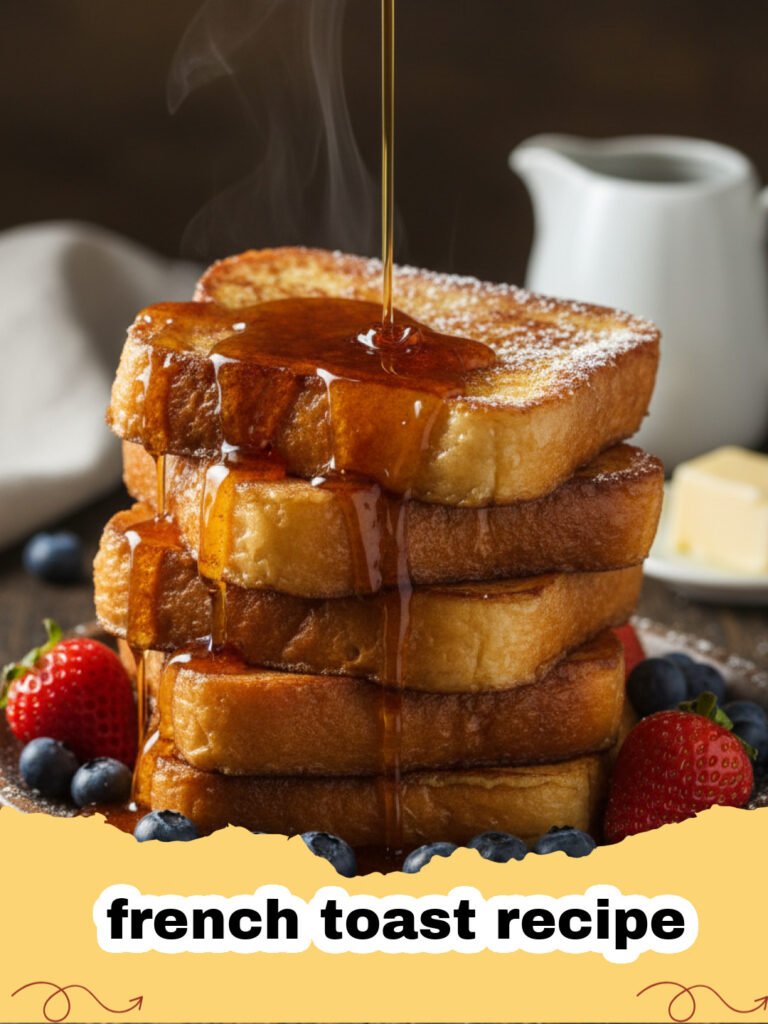
A foolproof french toast recipe featuring thick-cut brioche soaked in a rich vanilla-cinnamon custard and fried to golden perfection.
- Total Time: 25 minutes
- Yield: 4 servings 1x
Ingredients
8 thick slices of Brioche or Challah bread
4 large eggs
1 cup whole milk
1/4 cup heavy cream
2 tablespoons granulated sugar
1 teaspoon ground cinnamon
1 teaspoon pure vanilla extract
1/4 teaspoon ground nutmeg
Pinch of salt
3 tablespoons unsalted butter for frying
Instructions
Step 1: In a large, shallow bowl or pie dish, whisk together the eggs, milk, heavy cream, sugar, cinnamon, vanilla extract, nutmeg, and salt until completely smooth and well-combined.
Step 2: Place a large non-stick skillet or griddle over medium-low heat and melt 1 tablespoon of butter, swirling to coat the surface evenly.
Step 3: Dip two slices of bread into the custard mixture, allowing them to soak for 10-15 seconds per side until saturated but not falling apart.
Step 4: Place the soaked slices onto the hot skillet. Cook for 3-4 minutes on the first side until golden brown and slightly crisp.
Step 5: Flip the bread and cook for another 3-4 minutes on the other side. Repeat the process with the remaining bread and butter.
Step 6: Serve immediately with your favorite toppings like maple syrup, fresh berries, or powdered sugar.
Notes
For the best results, use bread that is a day or two old so it absorbs the custard without getting too soft.
- Prep Time: 10 minutes
- Cook Time: 15 minutes
- Category: Desserts & Baking
- Cuisine: French/American
Nutrition
- Serving Size: 2 slices
- Calories: 350
- Sugar: 12g
- Sodium: 450mg
- Fat: 15g
- Saturated Fat: 8g
- Unsaturated Fat: 5g
- Trans Fat: 0g
- Carbohydrates: 45g
- Fiber: 2g
- Protein: 12g
- Cholesterol: 120mg
Leave a Reply