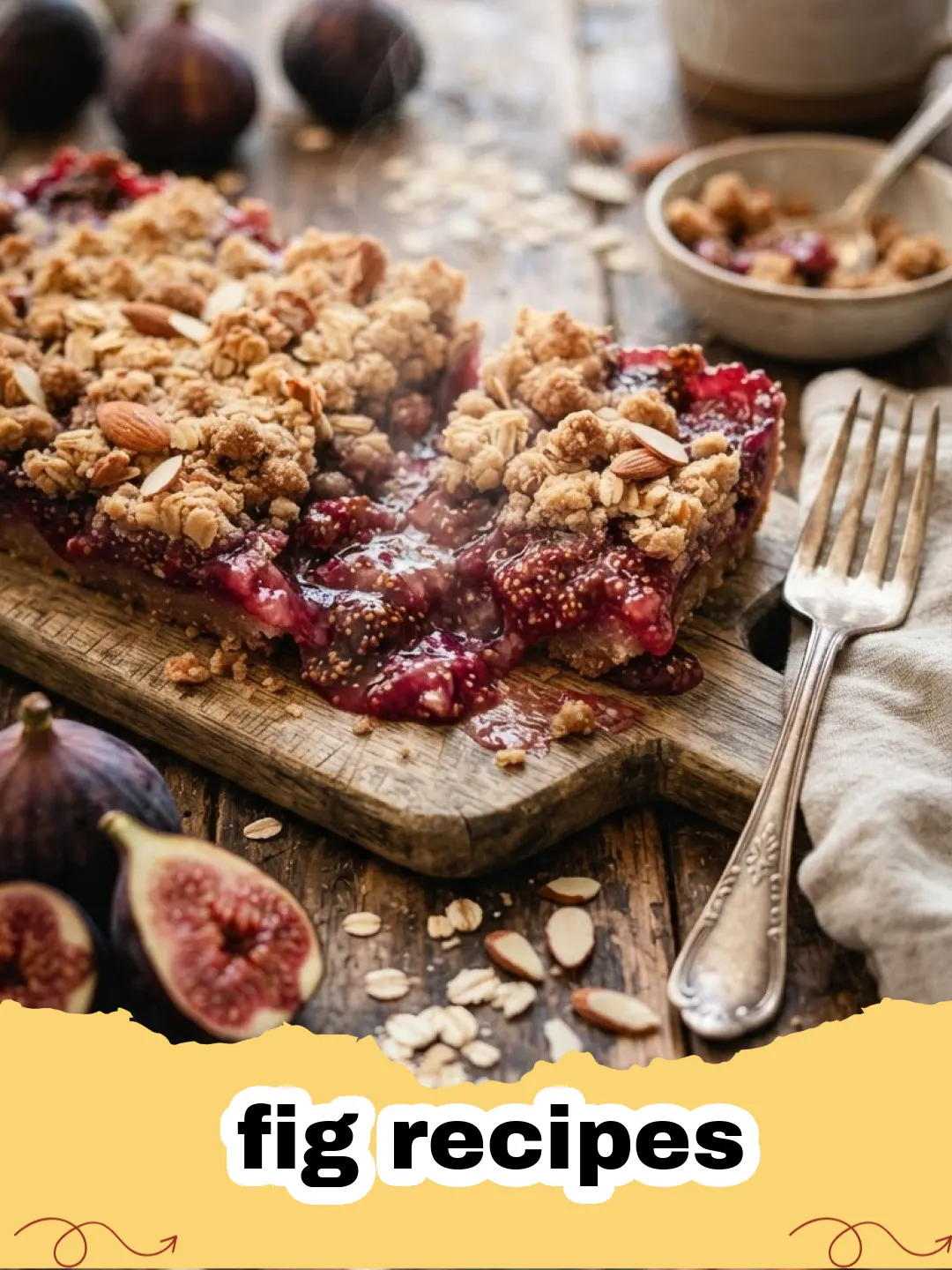
Exploring fig recipes always feels like uncovering a hidden treasure map to the heart of the Mediterranean, where the sun-drenched orchards produce fruit so sweet it feels like nature's own candy. Growing up, I vividly remember the giant fig tree that leaned precariously over my grandmother's garden fence. To a child, the fruit was strange—fuzzy on the outside and filled with a mysterious, jammy interior. But as I grew older, those late August afternoons spent plucking sun-warmed fruit directly from the branches became the foundation of my culinary passion. There is a specific kind of magic that happens when you take a fresh fig and apply just a touch of heat; the sugars concentrate, the skin softens, and the aroma fills the kitchen with a scent that is both earthy and floral. Whether you are a long-time fan or a newcomer to this ancient fruit, delving into fig recipes is a journey worth taking.
Finding the perfect balance in fig recipes can be a challenge because the fruit itself is so delicate. You want to enhance its natural profile without masking it under too much sugar or complex spice. This recipe for Honey-Roasted Figs with Whipped Mascarpone is the culmination of years of experimentation in my own kitchen. It represents the intersection of simplicity and elegance, turning a handful of humble ingredients into a dessert that looks like it belongs on the menu of a Michelin-starred restaurant. When I first served this at a dinner party, the room went quiet—not because the conversation died, but because everyone was too busy savoring the combination of warm, gooey fruit and cold, creamy cheese.
Why This Recipe is a Must-Try
- Effortless Elegance: Unlike many complicated fig recipes, this one takes less than 10 minutes of active prep time but yields a visual masterpiece.
- Textural Harmony: The contrast between the soft roasted fruit, the velvety mascarpone, and the crunch of toasted pistachios is a sensory delight.
- Naturally Sweet: By using honey and the fruit's own sugars, this is a lighter alternative to heavy cakes or pastries.
- Versatile Pairing: It works just as well as a sophisticated brunch side as it does a grand finale to a Mediterranean dinner.
The beauty of fig recipes lies in their ability to adapt to the seasons. While fresh figs have a relatively short window of peak ripeness—usually appearing in early summer and then again in late autumn—this dish makes the absolute most of that period. If you have ever felt intimidated by how to prepare fresh figs, this method is the most forgiving and rewarding way to start. It transforms even slightly underripe fruit into something spectacular through the power of caramelization.
Key Ingredient Notes
In the world of fig recipes, the quality of your fruit is paramount. For this dish, I highly recommend using Black Mission figs or Brown Turkey figs. Black Mission figs are prized for their deep purple skin and intense sweetness, which holds up beautifully under the broiler. Brown Turkey figs are slightly larger and milder, making them an excellent vessel for the honey and balsamic drizzle. Ensure your figs are soft to the touch but not mushy; they should feel like a ripe plum. If you are also interested in other rustic fruit preparations, you might find inspiration in The Best Easy Rustic Peach Galette Recipe for Summer, which shares a similar philosophy of letting the fruit shine.
The second pillar of this recipe is the mascarpone. This Italian cream cheese is much milder and creamier than its American counterpart. It provides a rich, fatty backdrop that tames the acidity of the balsamic and the sweetness of the honey. When choosing honey for your fig recipes, look for a high-quality wildflower or orange blossom variety. The floral notes in the honey will bridge the gap between the earthy fruit and the dairy. Finally, a sprinkle of flaky sea salt is the secret ingredient that makes all the other flavors pop.
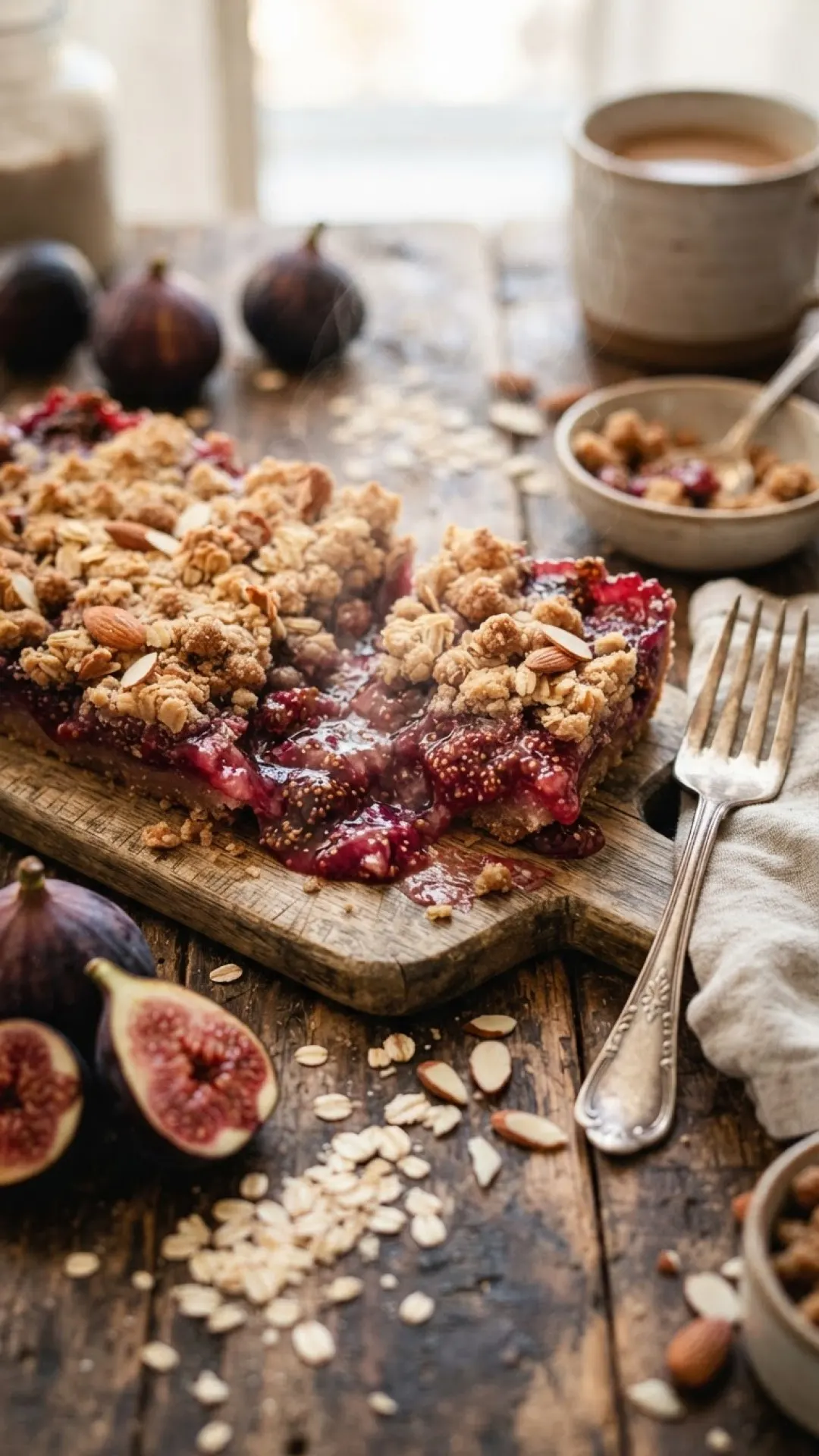
Step-by-Step Guide with Pro Tips
Preparing fig recipes should never feel like a chore. The process here is streamlined to ensure you spend more time enjoying the food and less time hovering over the stove. Start by preheating your oven or broiler. I prefer the broiler for a quick char, but a hot oven (400°F) works better if your figs are particularly firm and need more time to soften through to the center.
Step 1: Begin by washing the figs gently under cold water and patting them dry with a paper towel. Trimming the stems is optional, but it makes for a cleaner presentation. Slice each fig in half lengthwise, exposing the beautiful pink interior.
Step 2: Arrange the fig halves cut-side up on a parchment-lined baking sheet. This prevents sticking and makes cleanup a breeze. Drizzle each half with a small amount of honey. Pro tip: if your honey is too thick, microwave it for 10 seconds so it flows smoothly over the fruit.
Step 3: Place the tray in the oven. Watch them closely! In about 5 to 8 minutes, the honey will begin to bubble and the edges of the figs will slightly caramelize. You are looking for a glossy, slightly slumped appearance. This heat-driven transformation is why fig recipes are so beloved in traditional cuisines.
Step 4: While the figs are roasting, whip your mascarpone with a splash of heavy cream or a teaspoon of vanilla paste. You want it light and airy, almost like a thick cloud. This can be done by hand with a whisk or with a small hand mixer.
Step 5: Once the figs are out of the oven, let them cool for just two minutes. Placing ice-cold mascarpone on piping hot fruit will cause the cheese to melt instantly. A short rest ensures the mascarpone stays intact. Plate the figs, add a dollop of cheese, and garnish with chopped pistachios and fresh thyme leaves.
Variations & Serving Suggestions
There are endless ways to tweak fig recipes to suit your palate. If you prefer a savory twist, swap the mascarpone for a wedge of gorgonzola or goat cheese. The funkiness of blue cheese paired with roasted figs is a classic combination often found in high-end appetizers. You can also add a drizzle of thick balsamic glaze right before serving to add a tangy complexity that cuts through the richness of the honey.
For those looking for a more substantial meal, these roasted figs can be served atop a bed of grains. They pair surprisingly well with the flavors found in a The Ultimate Classic Smoky Babaganoush Recipe, as both dishes celebrate the rustic, charred notes of Mediterranean cooking. If you happen to have leftovers, which is rare, you can store the roasted figs (without the cheese) in Basics Glass Food Storage containers in the fridge for up to two days. They are delicious cold the next morning stirred into Greek yogurt or oatmeal.
Nutrition Information
Understanding the nutritional profile of your favorite fig recipes helps in maintaining a balanced lifestyle. Figs are naturally high in dietary fiber and essential minerals like potassium and magnesium.
| Nutrient | Amount Per Serving |
|---|---|
| Calories | 245 kcal |
| Carbohydrate Content | 28g |
| Cholesterol Content | 25mg |
| Fat Content | 14g |
| Fiber Content | 4g |
| Protein Content | 3g |
| Saturated Fat Content | 8g |
| Serving Size | 3 figs with toppings |
| Sodium Content | 45mg |
| Sugar Content | 22g |
| Trans Fat Content | 0g |
| Unsaturated Fat Content | 5g |
In conclusion, mastering fig recipes like this one opens up a world of culinary possibilities. It’s a testament to the fact that the best food doesn't always require hours of labor—sometimes, it just requires the right ingredients and a little bit of heat. Whether you're hosting a summer garden party or looking for a cozy autumn treat, these honey-roasted figs will surely become a staple in your kitchen. Don't be afraid to experiment with different toppings or cheeses, and most importantly, enjoy the process of working with one of history's most celebrated fruits!
FAQs
Can I use dried figs for these fig recipes?
This specific recipe is designed for fresh figs as they provide the juicy, jammy texture needed when roasted. Dried figs are much tougher and won't soften in the same way, though they are great for compotes or baking.
How do I know if a fig is ripe and ready for cooking?
A ripe fig should be soft to the touch, similar to a ripe peach or plum. It should give slightly when pressed but not be so mushy that the skin breaks. If they are very firm, let them sit at room temperature for a day or two.
What are the best varieties of figs to use in roasting?
Black Mission and Brown Turkey figs are the most common and work best for roasting due to their sweetness and ability to hold their shape. Calimyrna figs are also excellent if you prefer a nuttier, more golden fruit.
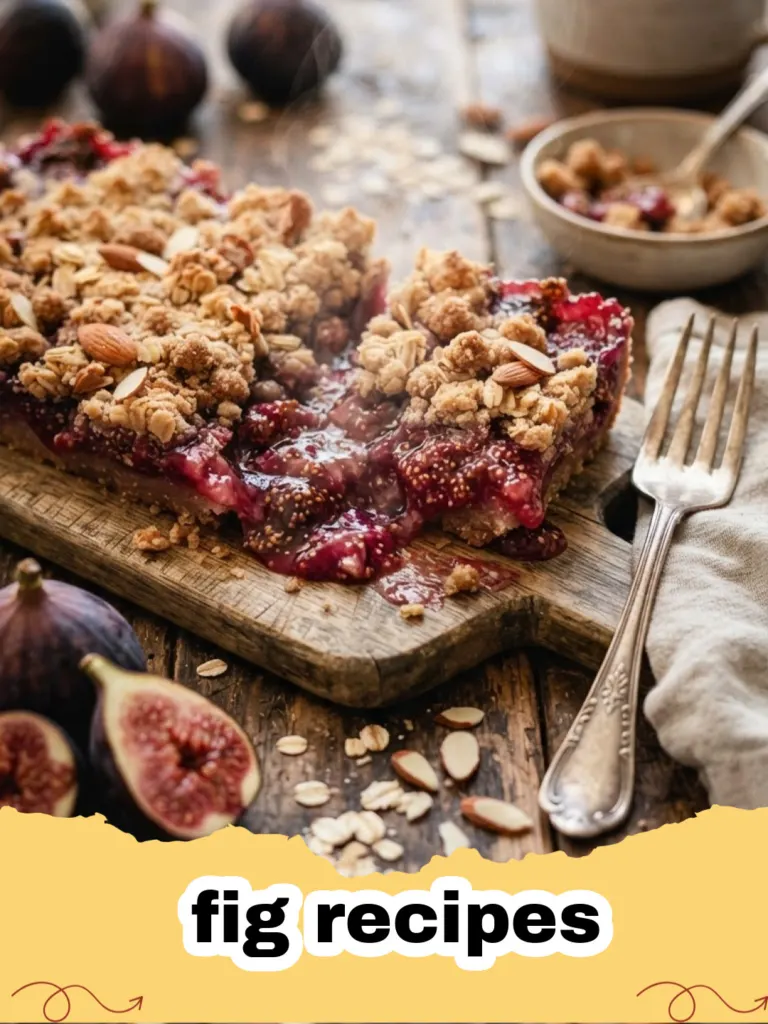
Honey-Roasted Figs with Mascarpone
A sophisticated yet simple dessert featuring fresh figs roasted with honey and topped with creamy mascarpone and crunchy pistachios.
- Total Time: 25 minutes
- Yield: 4 servings 1x
Ingredients
12 fresh Black Mission or Brown Turkey figs
3 tablespoons high-quality honey
1/2 cup mascarpone cheese
1/4 cup shelled pistachios, roughly chopped
1 teaspoon fresh thyme leaves
A pinch of flaky sea salt
1 tablespoon balsamic glaze (optional)
Instructions
Step 1: Preheat your oven to 400°F (200°C) or set your broiler to high.
Step 2: Slice the fresh figs in half lengthwise and place them cut-side up on a baking sheet lined with parchment paper.
Step 3: Drizzle the honey evenly over the fig halves and sprinkle with a tiny pinch of salt.
Step 4: Roast for 10-15 minutes (or broil for 5-7 minutes) until the figs are soft and the honey is bubbling and slightly caramelized.
Step 5: While the figs roast, whisk the mascarpone in a small bowl until smooth and airy.
Step 6: Remove the figs from the oven and let them cool for 2-3 minutes. Top each half with a small dollop of mascarpone, a sprinkle of pistachios, and fresh thyme leaves.
Step 7: Drizzle with balsamic glaze if desired and serve immediately while warm.
Notes
Ensure figs are ripe but firm for the best texture. If you don't have mascarpone, Greek yogurt or labneh makes a great tangy substitute.
- Prep Time: 10 minutes
- Cook Time: 15 minutes
- Category: Desserts & Baking
- Cuisine: Mediterranean
Nutrition
- Serving Size: 3 figs with toppings
- Calories: 245 kcal
- Sugar: 22g
- Sodium: 45mg
- Fat: 14g
- Saturated Fat: 8g
- Unsaturated Fat: 5g
- Trans Fat: 0g
- Carbohydrates: 28g
- Fiber: 4g
- Protein: 3g
- Cholesterol: 25mg