
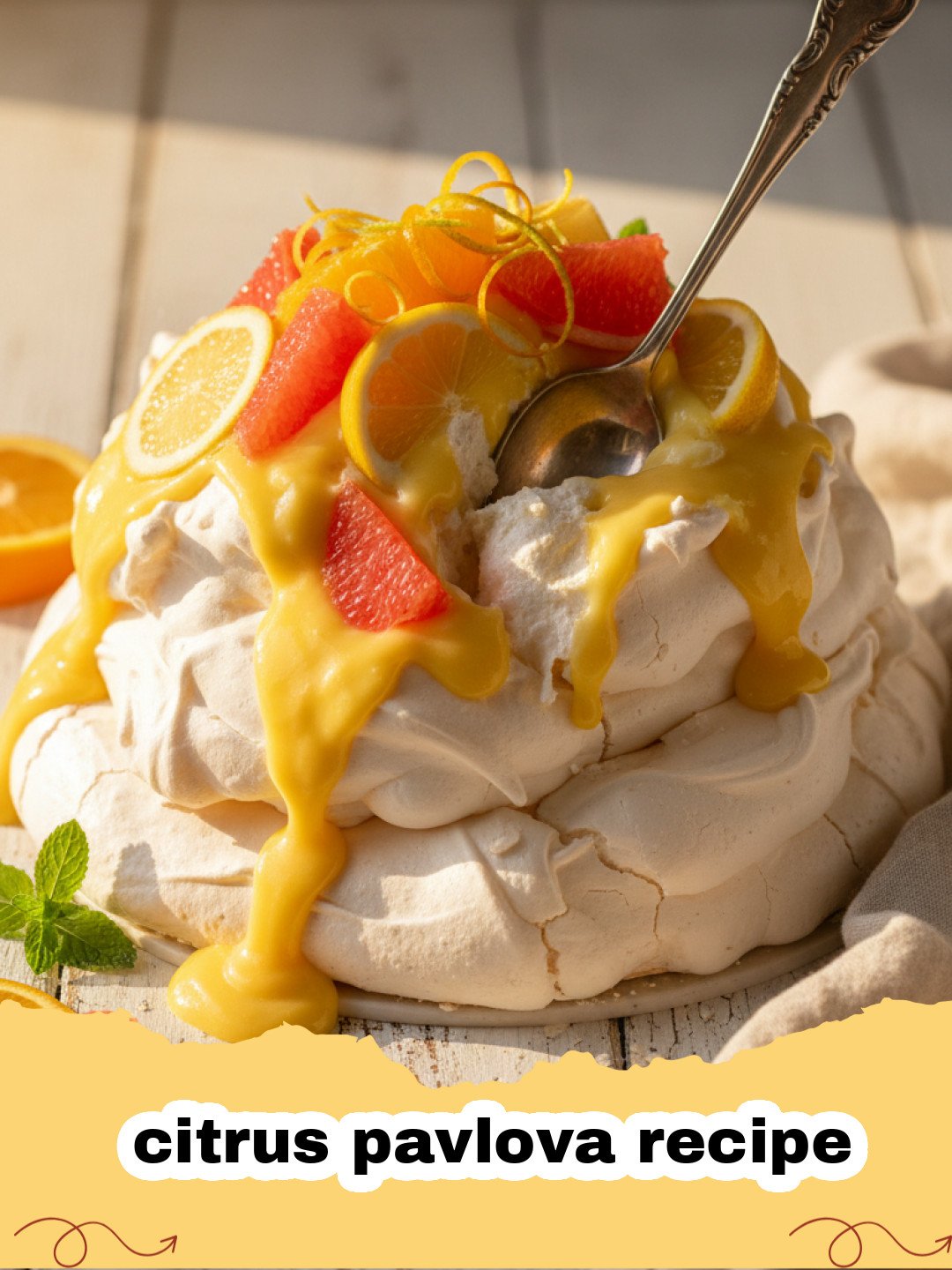
Discovering the perfect citrus pavlova recipe was a journey that transformed my summer entertaining forever. There is something truly magical about the contrast between a cloud-like meringue and the sharp, bright zing of fresh oranges, lemons, and limes. I remember the first time I attempted this citrus pavlova recipe; it was for a mid-summer garden party where the heat was sweltering, and everyone was craving something light yet indulgent. My grandmother used to say that a good dessert should be like a summer breeze—refreshing, sweet, and gone too soon. As I whipped the egg whites into glossy peaks, I realized that this citrus pavlova recipe wasn't just about the food; it was about capturing the essence of sunshine on a plate. The kitchen was filled with the scent of zested rinds and vanilla, a combination that still brings back memories of laughter and clinking glasses. Since that day, this citrus pavlova recipe has become my signature dish, a reliable showstopper that never fails to impress even the most discerning guests. Whether you are a seasoned baker or a curious novice, this citrus pavlova recipe will guide you through the delicate balance of textures that makes a pavlova so iconic.
Why This Recipe is a Must-Try
- Textural Perfection: This citrus pavlova recipe delivers that elusive combination of a crisp, eggshell-thin exterior and a soft, marshmallow-like center.
- Flavor Balance: The intense acidity of the citrus curd cuts through the sweetness of the meringue, creating a sophisticated palate.
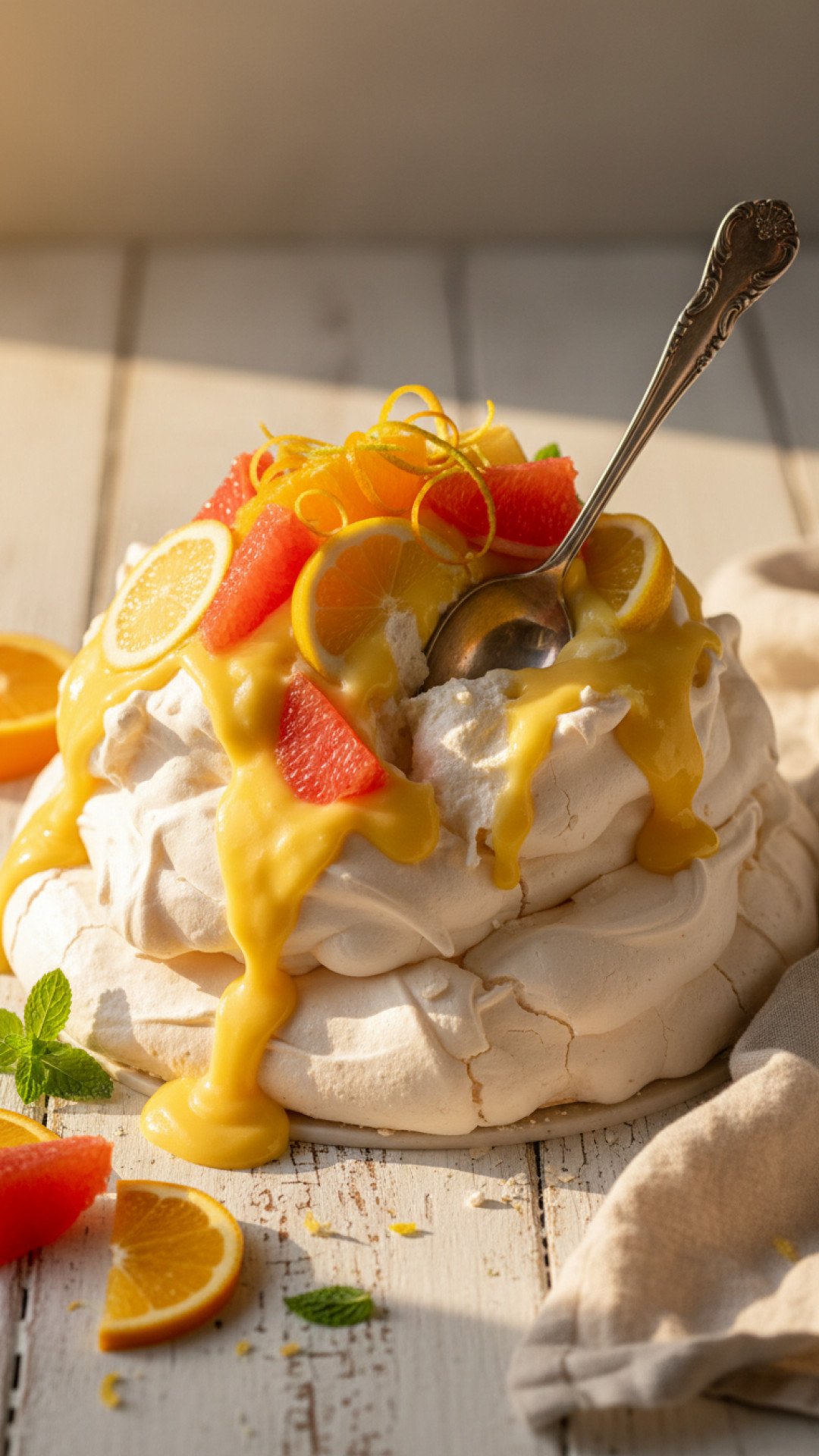
- Visual Appeal: A citrus pavlova recipe is naturally stunning, featuring bright yellows and oranges against a snowy white base.
- Light and Airy: Unlike heavy cakes, this citrus pavlova recipe is the perfect follow-up to a large meal, leaving guests satisfied but not weighed down.
Key Ingredient Notes
To master this citrus pavlova recipe, you must pay close attention to your ingredients. First and foremost, use the freshest eggs possible. Fresh egg whites have stronger protein bonds, which are essential for the structural integrity of your citrus pavlova recipe. Room temperature eggs are a must, as they volume up much better than cold ones. Another secret to this citrus pavlova recipe is the type of sugar. I recommend using superfine (caster) sugar because it dissolves quickly into the egg whites, preventing a grainy texture or 'weeping' during the baking process. Finally, the citrus selection is paramount. For this citrus pavlova recipe, I love a mix of blood orange for color, Meyer lemon for sweetness, and a hint of lime for that characteristic punch. Much like the delicate balance required in a The Ultimate Strawberry Jelly Cheesecake Recipe, the ratio of sweet to tart in your curd will define the success of the dish.
Step-by-Step Guide with Pro Tips
Making a citrus pavlova recipe requires patience and a gentle touch. Start by ensuring your mixing bowl is completely grease-free. Even a microscopic speck of fat from an egg yolk or a previous recipe can prevent your meringue from reaching its full potential. When you begin whipping the whites for your citrus pavlova recipe, start on a low speed to create small, stable bubbles before increasing to medium-high. Adding the sugar one tablespoon at a time is the golden rule of any citrus pavlova recipe. If you rush this step, the meringue may collapse in the oven. Once you have thick, glossy peaks that hold their shape, fold in your cornstarch and vinegar—this is what gives this citrus pavlova recipe its signature chewy interior. While your meringue bakes at a very low temperature, you can prepare the citrus curd. If you happen to have leftover curd after completing your citrus pavlova recipe, store it in these Basics Glass Food Storage containers; they are perfect for keeping the flavors fresh for days. Remember, the most important part of this citrus pavlova recipe is the cooling process. Never open the oven door early! Let the pavlova cool completely inside the oven with the door slightly ajar to prevent cracking. This slow cooling is a technique often used in other complex bakes, such as when preparing Tropical Hydration: The Ultimate Sparkling Coconut Water Mocktail Recipe to serve alongside, as the temperature control ensures a flawless finish.
Variations & Serving Suggestions
The beauty of this citrus pavlova recipe lies in its versatility. While the classic version uses a lemon-heavy curd, you can easily adapt this citrus pavlova recipe to include grapefruit for a sophisticated, slightly bitter edge. For a more tropical vibe, try adding a splash of passion fruit pulp to the top of your citrus pavlova recipe. If you prefer a richer flavor, you can fold some mascarpone into the whipped cream topping. When serving this citrus pavlova recipe, I always suggest plating it just before eating. The moisture from the cream and curd will eventually soften the meringue, so for the ultimate experience, assemble your citrus pavlova recipe at the table to the delight of your guests. You can also garnish with fresh mint leaves or even edible flowers like pansies to make your citrus pavlova recipe look like a professional pastry chef’s creation. If you are hosting a larger party, you can even make 'mini' versions of this citrus pavlova recipe, which are easier to handle and look incredibly elegant on a dessert platter.
Nutrition Information
| Nutrient | Amount |
|---|---|
| Calories | 320 kcal |
| Carbohydrate Content | 45g |
| Cholesterol Content | 85mg |
| Fat Content | 14g |
| Fiber Content | 1g |
| Protein Content | 4g |
| Saturated Fat Content | 8g |
| Serving Size | 1 Slice |
| Sodium Content | 55mg |
| Sugar Content | 38g |
| Trans Fat Content | 0g |
| Unsaturated Fat Content | 4g |
Conclusion
In conclusion, this citrus pavlova recipe is more than just a dessert; it is a celebration of seasonal flavors and delicate textures. By following the tips in this citrus pavlova recipe, you can create a masterpiece that is as delicious as it is beautiful. I hope this citrus pavlova recipe brings as much joy to your kitchen as it has to mine over the years. Don't be afraid of the meringue—with a little practice and this citrus pavlova recipe in hand, you will be a pavlova pro in no time. Happy baking!
FAQs
Why did my pavlova crack?
Pavlovas often crack due to sudden temperature changes. To avoid this in your citrus pavlova recipe, let the meringue cool slowly inside the oven with the door cracked open.
Can I make the meringue for the citrus pavlova recipe in advance?
Yes, you can bake the meringue shell a day in advance. Store it in a cool, dry place in an airtight container, but do not add the cream or curd until just before serving.
Why is my meringue weeping or leaking syrup?
This usually happens if the sugar wasn't fully dissolved or if the weather is very humid. For a perfect citrus pavlova recipe, use superfine sugar and avoid making it on very rainy days if possible.
The Ultimate Citrus Pavlova
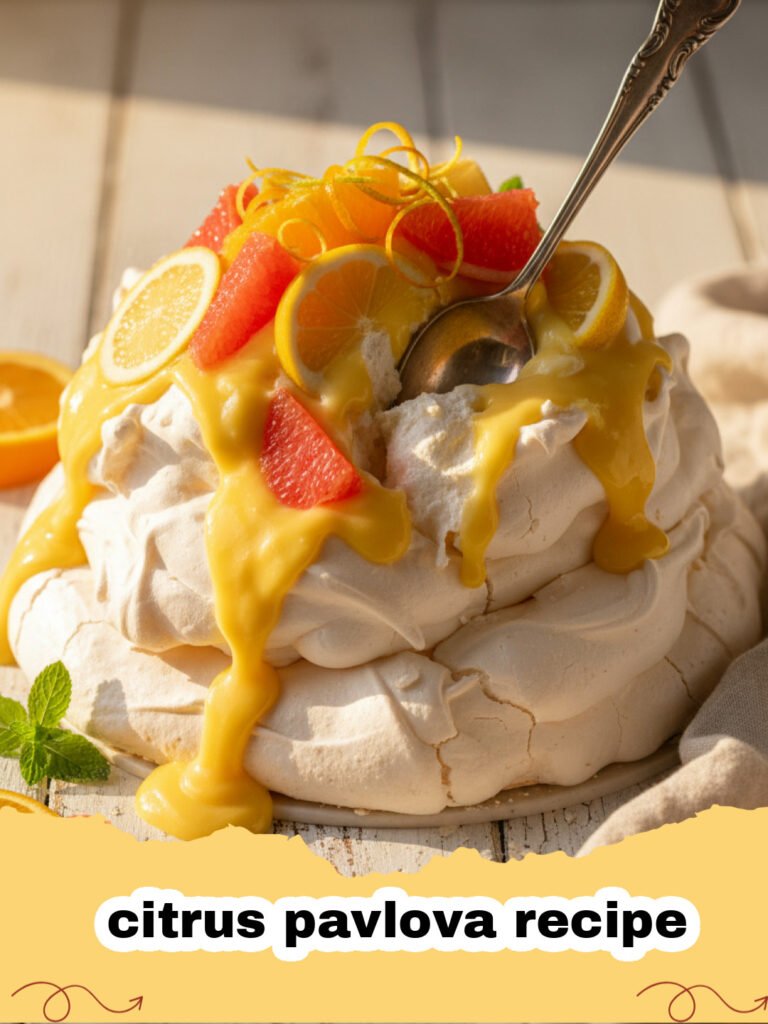
A stunning, light, and airy citrus pavlova recipe featuring a crisp meringue shell, a marshmallow center, and a zesty homemade citrus curd.
- Total Time: 5 hours 15 minutes
- Yield: 8 servings 1x
Ingredients
6 large egg whites, room temperature
1.5 cups superfine (caster) sugar
1 tsp cream of tartar
2 tsp cornstarch
1 tsp white vinegar
1 cup heavy whipping cream
1/2 cup lemon curd
1/2 cup orange curd
Fresh citrus segments (lemon, orange, grapefruit) for garnish
Fresh mint leaves for garnish
Instructions
Step 1: Preheat your oven to 250°F (120°C) and line a baking sheet with parchment paper. Draw a 9-inch circle on the parchment as a guide.
Step 2: In a clean, grease-free bowl, whisk the egg whites and cream of tartar on medium speed until soft peaks form.
Step 3: Gradually add the superfine sugar one tablespoon at a time, whisking on high speed until the meringue is thick, glossy, and the sugar has completely dissolved.
Step 4: Gently fold in the cornstarch and white vinegar using a spatula, being careful not to deflate the mixture.
Step 5: Pile the meringue onto the parchment circle, using a spatula to create a slight well in the center for the citrus pavlova recipe filling.
Step 6: Bake for 90 minutes, then turn off the oven and let the pavlova cool completely inside with the door slightly ajar for at least 3 hours.
Step 7: Once cooled, whip the heavy cream to soft peaks. Spread the cream into the center of the pavlova.
Step 8: Swirl the lemon and orange curds over the cream and top with fresh citrus segments and mint before serving.
Notes
Always ensure your mixing bowl is completely free of any oil or grease. Using a glass or metal bowl is better than plastic for meringues.
- Prep Time: 45 minutes
- Cook Time: 1 hour 30 minutes
- Category: Desserts & Baking
- Cuisine: Australian/New Zealand
Nutrition
- Serving Size: 1 Slice
- Calories: 320 kcal
- Sugar: 38g
- Sodium: 55mg
- Fat: 14g
- Saturated Fat: 8g
- Unsaturated Fat: 4g
- Trans Fat: 0g
- Carbohydrates: 45g
- Fiber: 1g
- Protein: 4g
- Cholesterol: 85mg
Leave a Reply