
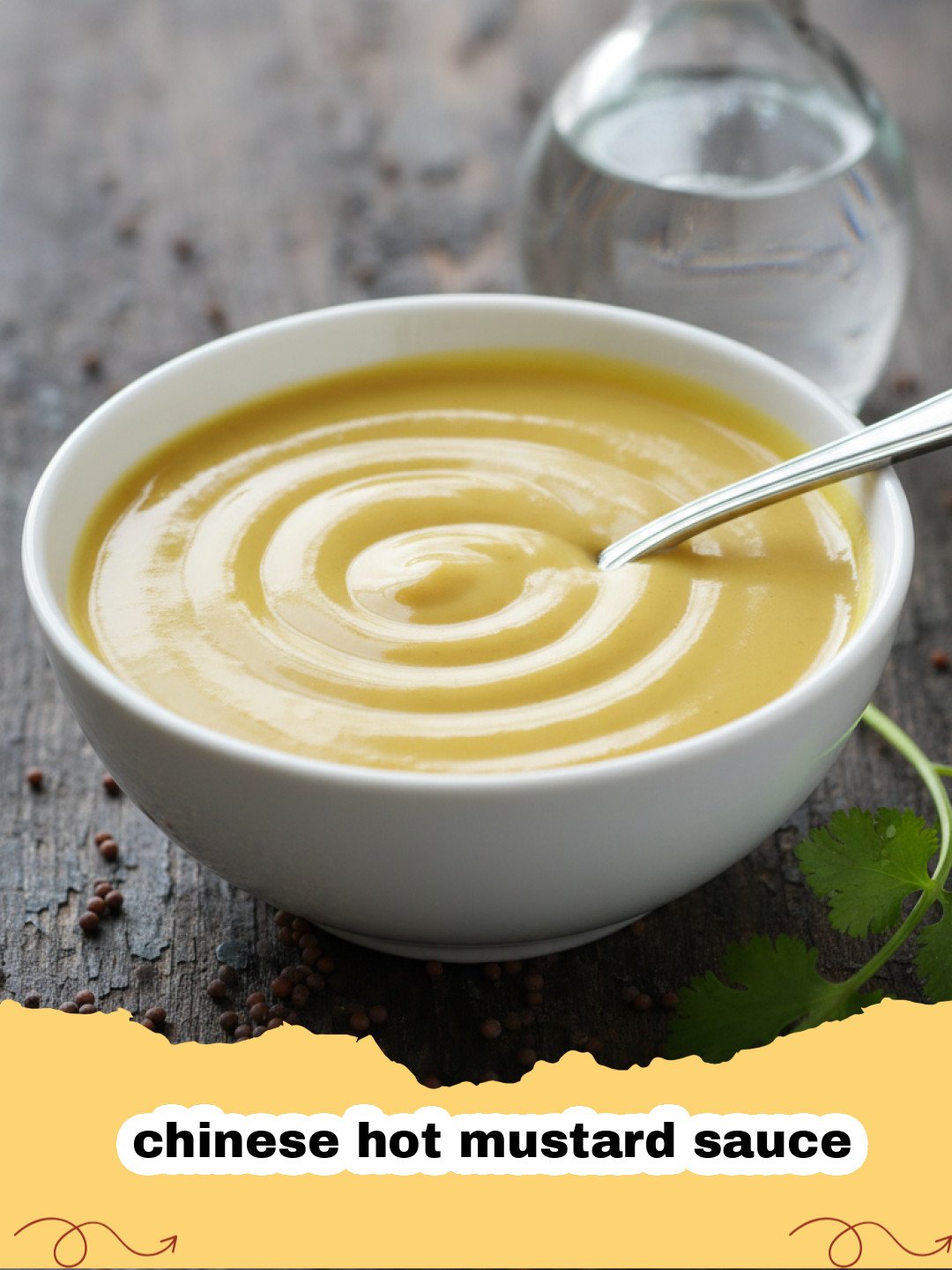
When it comes to elevating a simple takeout meal, nothing packs a punch quite like a perfectly prepared chinese hot mustard sauce. I remember the first time I encountered this potent condiment as a child; we had ordered a massive spread of egg rolls and dumplings from the local spot down the street. My father, with a mischievous glint in his eye, told me to try 'just a tiny dab' of the yellow sauce in the little plastic packet. One bite later, my sinuses were clear, my eyes were watering, and I was strangely hooked. That exhilarating, nasal-clearing heat is something you just can't get from standard yellow mustard or even spicy Dijon. Since then, I have spent years perfecting my own chinese hot mustard sauce to recreate that exact experience at home, ensuring it has the right balance of sharp heat and smooth texture.
Why This Recipe is a Must-Try
- Unbeatable Freshness: Unlike the packets that sit in a drawer for months, this chinese hot mustard sauce is made fresh, ensuring the enzymes that provide the 'heat' are at their most active.
- Total Control Over Heat: By adjusting the temperature of the water and the 'bloom' time, you can customize exactly how spicy your chinese hot mustard sauce becomes.
- No Hidden Preservatives: Many commercial versions contain thickeners or artificial colors, but this recipe uses only simple, pantry-stable ingredients.
- Perfect Pairing: It is the ultimate companion for Homemade Crispy Chicken Spring Rolls, cutting through the richness of fried foods with ease.
Key Ingredient Notes
To make a truly stellar chinese hot mustard sauce, you must understand the science of the mustard seed. The heat isn't actually present until the mustard powder hits liquid. Here are the components that make it work:
1. Dry Mustard Powder
This is the most critical element. You want a fine, dry mustard powder (often labeled as Oriental Mustard or Mustard Flour). This powder contains a compound called sinigrin and an enzyme called myrosinase. When water is added, these two react to create the pungent allyl isothiocyanate—the stuff that makes your nose tingle! For the best chinese hot mustard sauce, ensure your powder is fresh and hasn't been sitting in the back of the cupboard since the last decade.
2. Ice-Cold Water vs. Room Temperature
The temperature of the liquid you use to hydrate your chinese hot mustard sauce determines the final flavor profile. Using ice-cold water helps stabilize the heat reaction, resulting in a sharper, more aggressive spice. Warm water, conversely, can actually deactivate some of the enzymes, leading to a bitter and less potent sauce. If you want that classic restaurant-style kick, stick to cold water.
3. The Acid Component
While traditional chinese hot mustard sauce can be made with just water and powder, adding a splash of rice vinegar or white vinegar acts as a stabilizer. Without an acid, the heat of the chinese hot mustard sauce will peak and then rapidly decline over the course of an hour. The vinegar helps lock in that spiciness so you can enjoy it throughout your meal.
Step-by-Step Guide with Pro Tips
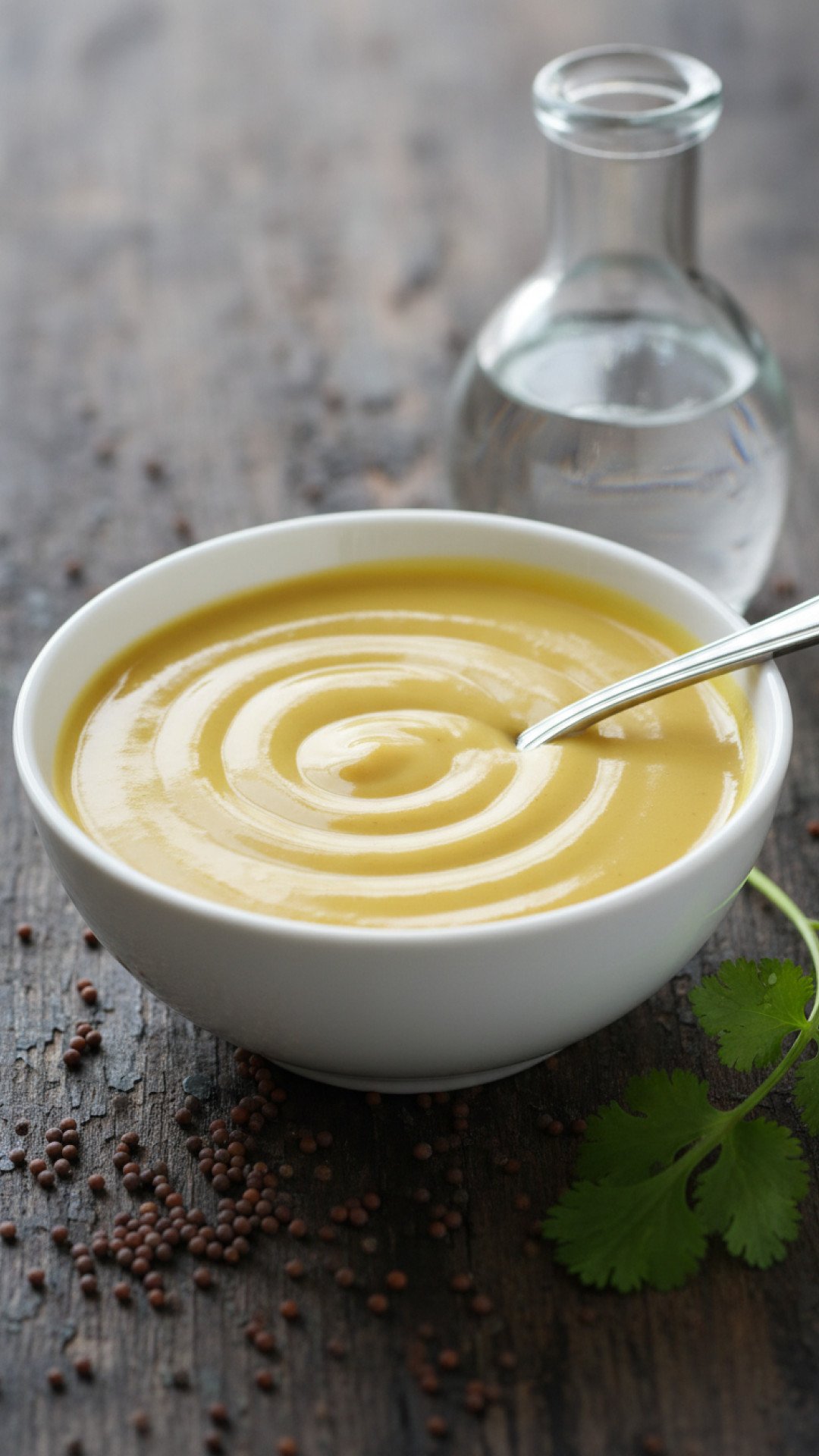
Creating your own chinese hot mustard sauce is surprisingly simple, but the technique matters. Follow these steps to ensure a smooth, lump-free, and fiery result.
The Mixing Process
Begin by sifting your mustard powder into a small ceramic or glass bowl. Sifting prevents those tiny, stubborn lumps that can ruin the texture of your chinese hot mustard sauce. Slowly whisk in the cold water, one tablespoon at a time, until you reach a paste-like consistency. You want it thick enough to coat a spoon but fluid enough to dip into.
The 'Bloom' Period
Once mixed, do not taste it immediately! A chinese hot mustard sauce needs time to 'bloom.' Cover the bowl and let it sit at room temperature for at least 15 to 20 minutes. During this time, the chemical reaction reaches its peak. If you taste it too soon, it might just taste like bitter flour. After 20 minutes, the chinese hot mustard sauce will have developed its signature sinus-clearing power.
Storage and Longevity
To keep your sauce fresh, store any leftovers in an airtight container. I highly recommend using Basics Glass Food Storage jars to keep the potency locked in and prevent the mustard from absorbing other fridge odors. Note that even with vinegar, the chinese hot mustard sauce will lose some of its 'oomph' after 24 hours, so it is best made in small batches.
Variations & Serving Suggestions
While the classic chinese hot mustard sauce is divine on its own, there are many ways to adapt it to your specific palate or meal.
- The Creamy Variation: If the pure heat is too much, whisk in a teaspoon of mayonnaise or Greek yogurt. This creates a 'Mustard Aioli' style that is excellent on sandwiches.
- Sweet and Spicy: Add a half teaspoon of honey or agave nectar. This balanced chinese hot mustard sauce is perfect for those who enjoy a complex flavor profile.
- Garlic Infusion: Grate a tiny bit of fresh garlic into the mixture during the blooming phase for an extra savory layer.
- Soy Sauce Depth: A drop of light soy sauce can add saltiness and umami, turning your chinese hot mustard sauce into a more rounded dipping sauce for a Vibrant Vegetable Stir Fry.
Beyond appetizers, try using chinese hot mustard sauce as a glaze for roasted salmon or as a secret ingredient in your deviled eggs for an unexpected twist that will have guests asking for your secret.
Nutrition Information
While chinese hot mustard sauce is low in calories, it is quite high in flavor. Here is the nutritional breakdown per serving (approximately 1 tablespoon).
| Nutrient | Amount per Serving |
|---|---|
| Calories | 15 kcal |
| CarbohydrateContent | 1g |
| CholesterolContent | 0mg |
| FatContent | 0.8g |
| FiberContent | 0.5g |
| ProteinContent | 1g |
| SaturatedFatContent | 0g |
| ServingSize | 1 tbsp |
| SodiumContent | 45mg |
| SugarContent | 0.2g |
| TransFatContent | 0g |
| UnsaturatedFatContent | 0.5g |
Conclusion
Mastering the art of chinese hot mustard sauce is a rite of passage for any home cook who loves Asian cuisine. It transforms a standard meal into an interactive dining experience, providing that addictive, sharp heat that balances savory fats and salty soy flavors perfectly. Whether you are dipping potstickers or drizzling it over grilled meats, this chinese hot mustard sauce will quickly become a staple in your kitchen. Just remember: a little goes a long way, so start small and enjoy the rush!
FAQs
Why is my homemade chinese hot mustard sauce bitter?
Bitterness often occurs if the mustard hasn't had enough time to 'bloom' (at least 15-20 minutes) or if the mustard powder is old. Adding a pinch of sugar or a few drops of sesame oil can help mellow out any residual bitterness.
Can I use regular yellow mustard instead of powder?
No, prepared yellow mustard is already diluted with vinegar and turmeric and contains different mustard seeds. To get the authentic chinese hot mustard sauce heat, you must start with dry mustard powder.
How long does chinese hot mustard sauce stay spicy?
The heat is most intense between 20 minutes and 2 hours after mixing. While it will stay safe to eat for weeks in the fridge, the 'nasal-clearing' spiciness begins to fade after the first day.
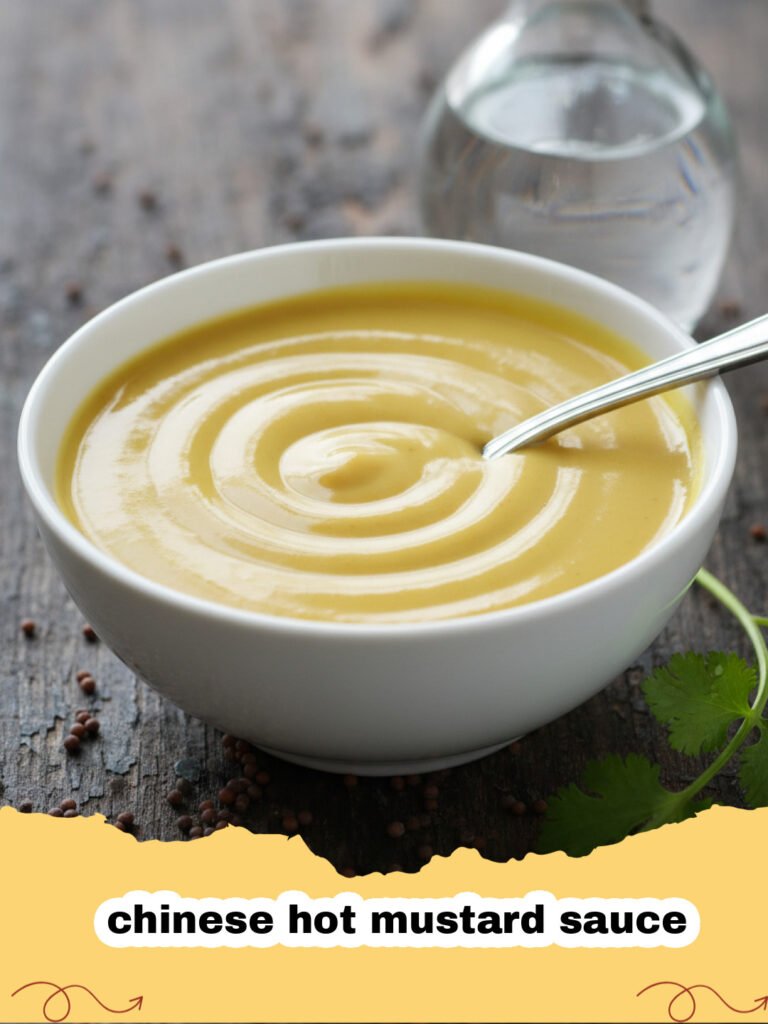
Authentic Chinese Hot Mustard Sauce
A powerful, 5-ingredient Chinese hot mustard sauce that delivers the classic sinus-clearing heat found in the best dim sum houses.
- Total Time: 25 minutes
- Yield: 1/2 cup 1x
Ingredients
1/2 cup dry mustard powder (Oriental style)
1/4 cup ice-cold water
1 teaspoon rice vinegar
1/2 teaspoon toasted sesame oil
1/4 teaspoon salt
1/2 teaspoon sugar (optional, to balance bitterness)
Instructions
Step 1: Sift the dry mustard powder into a small glass or ceramic bowl to remove any lumps, ensuring a smooth chinese hot mustard sauce texture.
Step 2: Gradually whisk in the ice-cold water, one tablespoon at a time, until the mixture forms a smooth, thick paste.
Step 3: Stir in the rice vinegar, toasted sesame oil, salt, and sugar until fully incorporated.
Step 4: Cover the bowl with plastic wrap and let the chinese hot mustard sauce sit (bloom) at room temperature for at least 20 minutes to develop its maximum heat.
Step 5: Give the sauce one final stir before serving. If it is too thick, add a few drops of water until the desired consistency is reached.
Notes
Always use cold water for the hottest result. The heat will naturally dissipate after 24 hours, so make it fresh for the best experience.
- Prep Time: 5 minutes
- Cook Time: 0 minutes
- Category: Main Dishes & Savory Recipes
- Cuisine: Chinese
Nutrition
- Serving Size: 1 tablespoon
- Calories: 15 kcal
- Sugar: 0.2g
- Sodium: 45mg
- Fat: 0.8g
- Saturated Fat: 0g
- Unsaturated Fat: 0.5g
- Trans Fat: 0g
- Carbohydrates: 1g
- Fiber: 0.5g
- Protein: 1g
- Cholesterol: 0mg
Leave a Reply