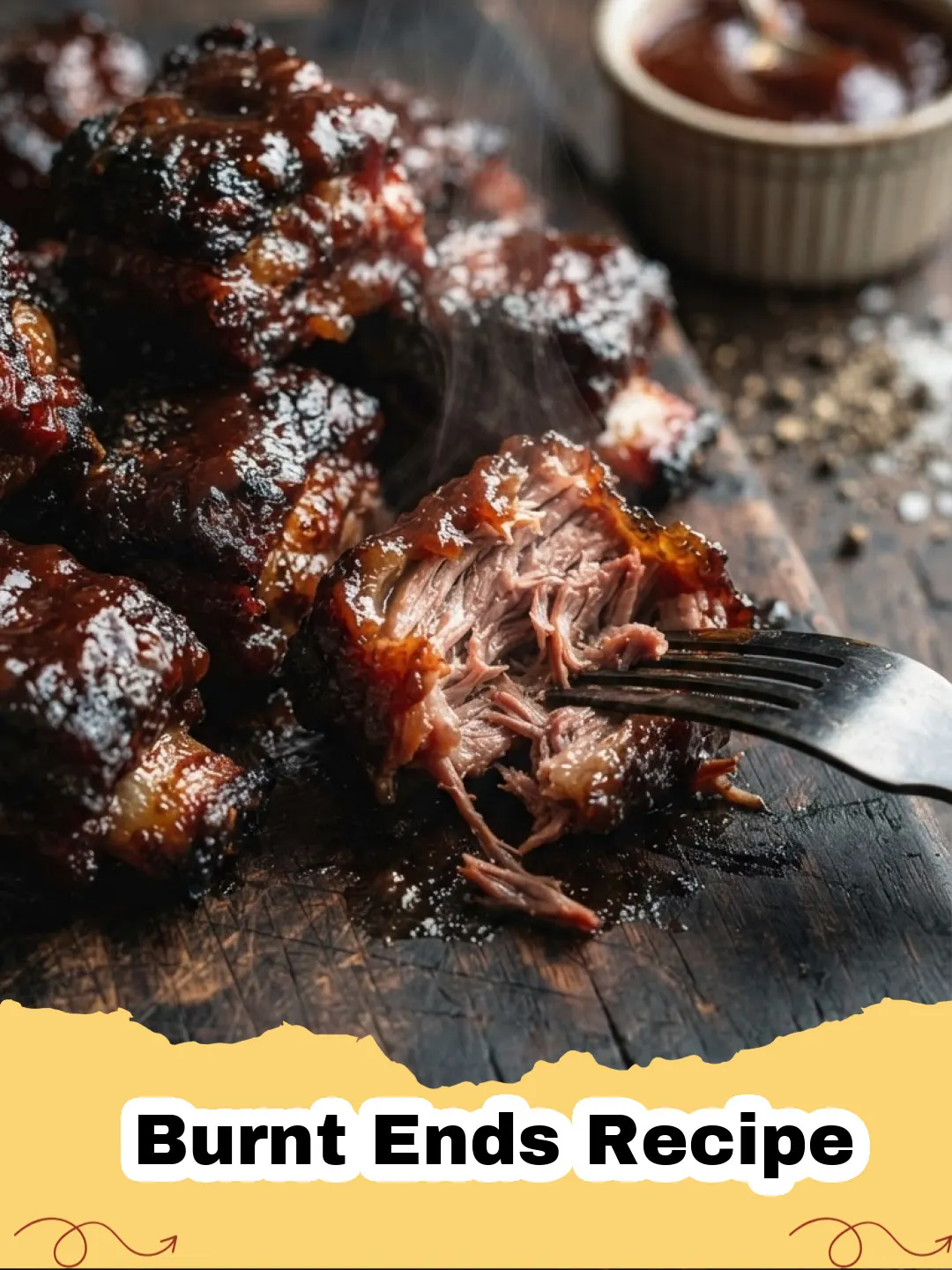
There are some dishes that just transport you back to a specific moment, and for me, a truly exceptional Burnt Ends Recipe does just that. I remember my first encounter with these caramelized, smoky nuggets of beefy goodness at a small, unassuming BBQ joint tucked away on a dusty Texas backroad. The air was thick with the scent of post oak and rendered fat, and as soon as those rich, dark cubes hit my tongue, I knew I had stumbled upon something magical. It was a revelation – tender, smoky, sweet, and with just the right amount of chew. That experience sparked a quest: to recreate that exact perfection in my own backyard. After countless hours, many pounds of brisket, and a fair share of smoky failures, I finally cracked the code. Now, I'm thrilled to share my ultimate guide to creating the best burnt ends you'll ever taste, right from your own smoker or oven.
Why This Burnt Ends Recipe is a Must-Try
- Unforgettable Flavor Profile: This Burnt Ends Recipe delivers an incredible balance of deep smoky notes, savory beef, and a delightful sweetness from the BBQ sauce, creating a complex taste sensation that will have everyone asking for more.
- Melt-in-Your-Mouth Texture: Through a meticulous cooking process, the tough brisket point is transformed into unbelievably tender, succulent cubes with wonderfully caramelized edges, offering a truly unique textural experience.
- Impressive Crowd-Pleaser: Perfect for gatherings, game days, or simply a weekend feast, these burnt ends are always a showstopper and guarantee rave reviews from friends and family. They elevate any BBQ spread!
- A True BBQ Experience at Home: While they might seem daunting, my detailed Burnt Ends Recipe breaks down the process into manageable steps, allowing you to master this classic BBQ delicacy and earn serious pitmaster bragging rights.
Key Ingredient Notes
Achieving legendary burnt ends starts with understanding your ingredients. Here are a few key components that make all the difference in this Burnt Ends Recipe:
The Brisket Point
This is non-negotiable. While some recipes use whole briskets, for pure burnt ends, you really want the 'point' or 'fatty' end of the brisket. It's more marbled with fat, which renders down beautifully during the long cooking process, creating that incredibly moist and rich texture. If you buy a whole packer brisket, you'll separate the point from the 'flat' (the leaner part). Don't trim too much fat from the point; it’s essential for flavor and moisture.
The Rub
A good rub is the foundation of flavor. For burnt ends, you want a rub that complements the beef and the eventual BBQ sauce without overpowering them. My recipe uses a classic blend of brown sugar, paprika, garlic powder, onion powder, salt, and pepper. The brown sugar helps create a beautiful bark and caramelization. Feel free to adjust the spice level to your preference, perhaps adding a touch of cayenne for a little kick, but ensure it balances with the sweetness you'll add later.
Quality BBQ Sauce
The BBQ sauce is what finishes these burnt ends, giving them their signature sticky-sweet glaze. Don't skimp here! Choose a high-quality, relatively thick BBQ sauce that you love. A sauce with good body will adhere better to the burnt ends and caramelize beautifully. I prefer a slightly sweeter, tangy sauce, but if you like a mustard-based or vinegar-based sauce, experiment to find your perfect match. You can also mix a bit of honey or maple syrup into your chosen sauce for an extra layer of sweetness and shine.
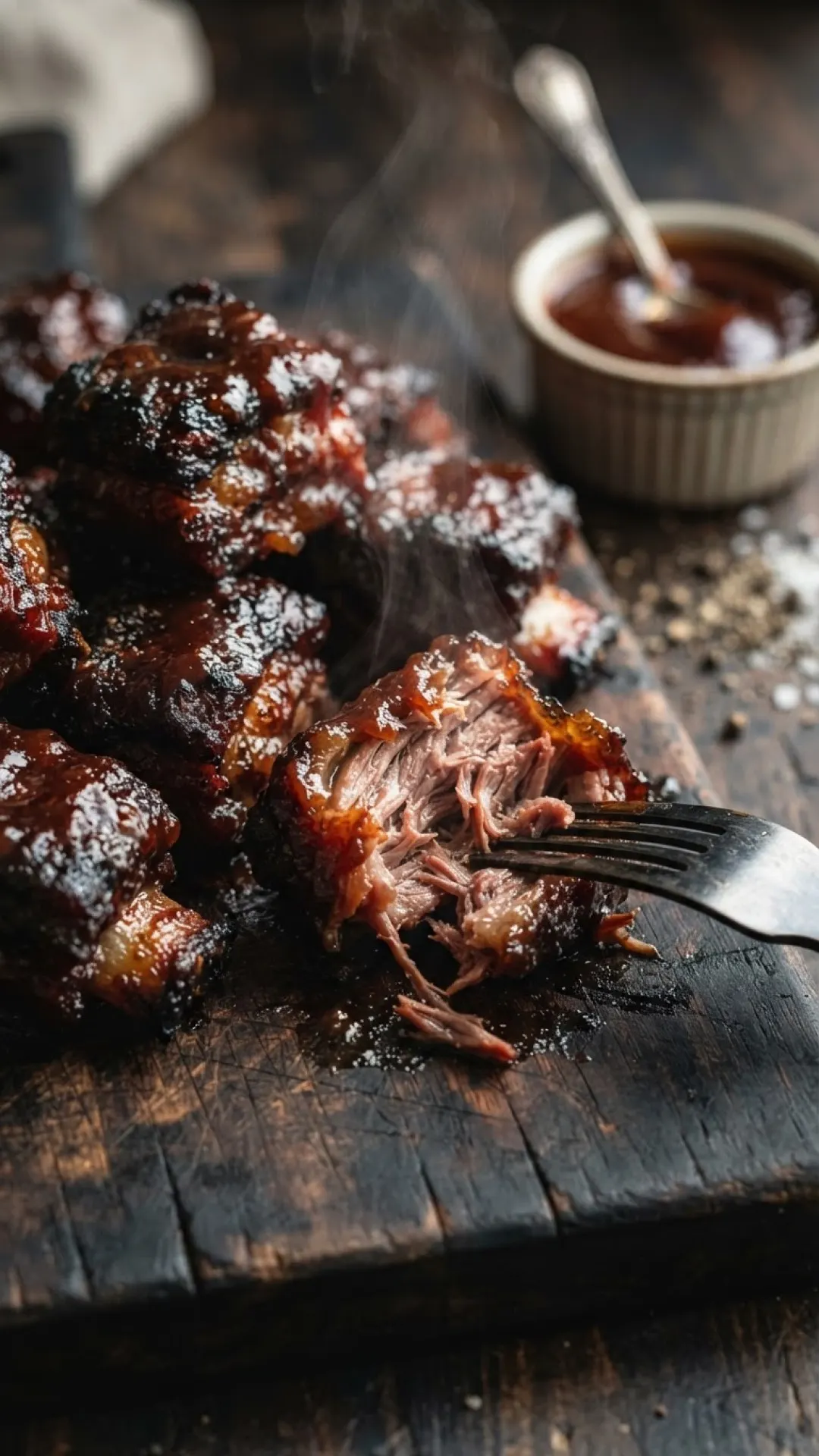
Step-by-Step Guide with Pro Tips
Mastering this Burnt Ends Recipe requires patience and attention to detail, but the reward is absolutely worth it. Follow these steps for smoky perfection:
Preparation & First Smoke
Step 1: Begin by preparing your brisket point. If you have a whole packer brisket, separate the point from the flat. Trim any hard, excess fat, but leave a good layer of soft fat (about 1/4 inch) as it will render down and keep the meat moist. Pat the brisket point dry with paper towels.
Step 2: Generously apply your dry rub all over the brisket point, ensuring it's completely coated. Press the rub gently into the meat so it adheres well. Allow the brisket to sit at room temperature for at least 30 minutes, or ideally, refrigerate it for 2-4 hours, or even overnight, for the flavors to meld.
Step 3: Preheat your smoker to 250°F (121°C). Use wood chunks or chips appropriate for beef, such as oak, hickory, or pecan, for the best smoky flavor. Place the brisket point directly on the grates, fat-side up. Smoke until the internal temperature reaches 165-170°F (74-77°C), which typically takes about 5-7 hours, depending on the size of the point and your smoker's consistency. The bark should be set and dark.
The Braise & Cube
Step 4: Once the brisket point hits the target temperature and has a good bark, remove it from the smoker. Place it in a disposable aluminum pan or a deep oven-safe dish. Pour about 1/2 cup of beef broth or apple juice into the pan. You can also add a few pats of butter. Cover the pan tightly with aluminum foil.
Step 5: Return the covered pan to the smoker (or an oven preheated to 275°F/135°C). Continue to cook until the internal temperature reaches around 200-205°F (93-96°C) and the meat is probe-tender. This means a skewer or thermometer should slide into the meat with very little resistance. This stage usually takes another 2-4 hours. The goal here is to break down the connective tissue and make it incredibly tender.
Step 6: Remove the brisket point from the pan and let it rest on a cutting board for about 15-20 minutes. Reserve any delicious drippings in the pan! Once rested, cut the brisket point into 1 to 1.5-inch cubes. These are your future burnt ends!
The Final Caramelization
Step 7: Place the cubed brisket back into the aluminum pan with the reserved drippings. Drizzle liberally with about 1 cup of your chosen BBQ sauce, stirring to coat all the cubes evenly. If you like, you can add a tablespoon or two of brown sugar or honey for extra caramelization and sweetness.
Step 8: Return the uncovered pan to the smoker (or oven) at 275-300°F (135-149°C). Cook for another 1 to 1.5 hours, stirring occasionally, until the sauce has thickened and caramelized beautifully around the cubes, creating that signature sticky, dark, and irresistible burnt end texture. The edges should be wonderfully crispy and slightly charred.
Pro Tip: If you have any leftover burnt ends (which is rare!), store them in airtight containers. I personally love using these Basics Glass Food Storage containers because they're great for reheating and preserving flavor. This Burnt Ends Recipe reheats surprisingly well!
Variations & Serving Suggestions
This Burnt Ends Recipe is fantastic on its own, but there are many ways to enjoy and customize it:
Creative Variations:
- Spicy Kick: Add a pinch of cayenne pepper to your dry rub or a dash of hot sauce to your BBQ sauce for an extra layer of heat.
- Bourbon Glaze: Incorporate a splash of good bourbon into your BBQ sauce during the final caramelization stage for a sophisticated, boozy depth of flavor.
- Coffee Rub: Experiment with adding finely ground coffee to your dry rub. It enhances the beefy flavor and creates an even darker, more robust bark.
- Crispy Pork Belly Burnt Ends: While not beef, this technique can be applied to pork belly for a different, equally decadent treat.
Serving Suggestions:
- Classic Sandwich: Pile these glorious burnt ends onto a brioche bun with a dollop of coleslaw and a few pickles for an unforgettable sandwich.
- Standalone Appetizer: Serve them straight out of the pan with toothpicks as a mind-blowing appetizer at your next party. They disappear fast!
- Loaded Fries or Nachos: Chop them up and use them as a topping for loaded fries, nachos, or even mac and cheese. Talk about an upgrade!
- Side Dishes: Burnt ends pair wonderfully with classic BBQ sides like creamy coleslaw, baked beans, cornbread, or potato salad. You could even serve them alongside a flavorful Middle Eastern Beef Kebabs spread for a diverse meat platter.
- Umami Bomb Pairing: For another incredible beef-centric meal, consider serving these alongside an Umami Bomb Beef & Mushroom Stir-Fry. The richness of both dishes would be a symphony of flavors.
Nutrition Information
Here's an estimated nutritional breakdown for a serving of this delicious Burnt Ends Recipe:
| Nutrient | Amount Per Serving |
|---|---|
| Calories | 480 kcal |
| Carbohydrate Content | 25g |
| Cholesterol Content | 95mg |
| Fat Content | 30g |
| Fiber Content | 1g |
| Protein Content | 28g |
| Saturated Fat Content | 12g |
| Serving Size | 4oz (113g) |
| Sodium Content | 680mg |
| Sugar Content | 18g |
| Trans Fat Content | 1g |
| Unsaturated Fat Content | 17g |
Conclusion
And there you have it – my ultimate Burnt Ends Recipe! This isn't just a meal; it's an experience, a journey into the heart of authentic barbecue. While it takes time and a bit of effort, the reward is utterly spectacular: tender, smoky, sweet, and perfectly caramelized bites of beef that will make you the hero of any gathering. Don't be intimidated; embrace the process, trust your senses, and prepare to fall in love with the magic of burnt ends. Happy smoking!
FAQs
What cut of meat is best for a Burnt Ends Recipe?
For the best Burnt Ends Recipe, you should use the 'point' or 'fatty' end of a beef brisket. This cut is highly marbled with fat, which renders beautifully during the long cooking process, resulting in incredibly tender and flavorful burnt ends.
Can I make burnt ends without a smoker?
While a smoker provides the most authentic flavor for this Burnt Ends Recipe, you can adapt it. You can use an oven for the cooking process after applying a good dry rub and liquid smoke, or use a charcoal grill with wood chips for a more smoky flavor, cooked with indirect heat.
How do I know when my burnt ends are done?
Your burnt ends are done when the meat is incredibly tender u2013 a probe or thermometer should slide into the cubes with very little resistance (typically around 200-205u00b0F / 93-96u00b0C internal temperature). The BBQ sauce should also be beautifully caramelized and sticky, with slightly charred edges on the meat.
What makes burnt ends 'burnt'?
The 'burnt' in Burnt Ends Recipe refers to the crispy, caramelized, and slightly charred exterior that develops during the final stage of cooking, after the cubed brisket is tossed in BBQ sauce and returned to the heat. This process intensifies the flavor and creates their signature texture.
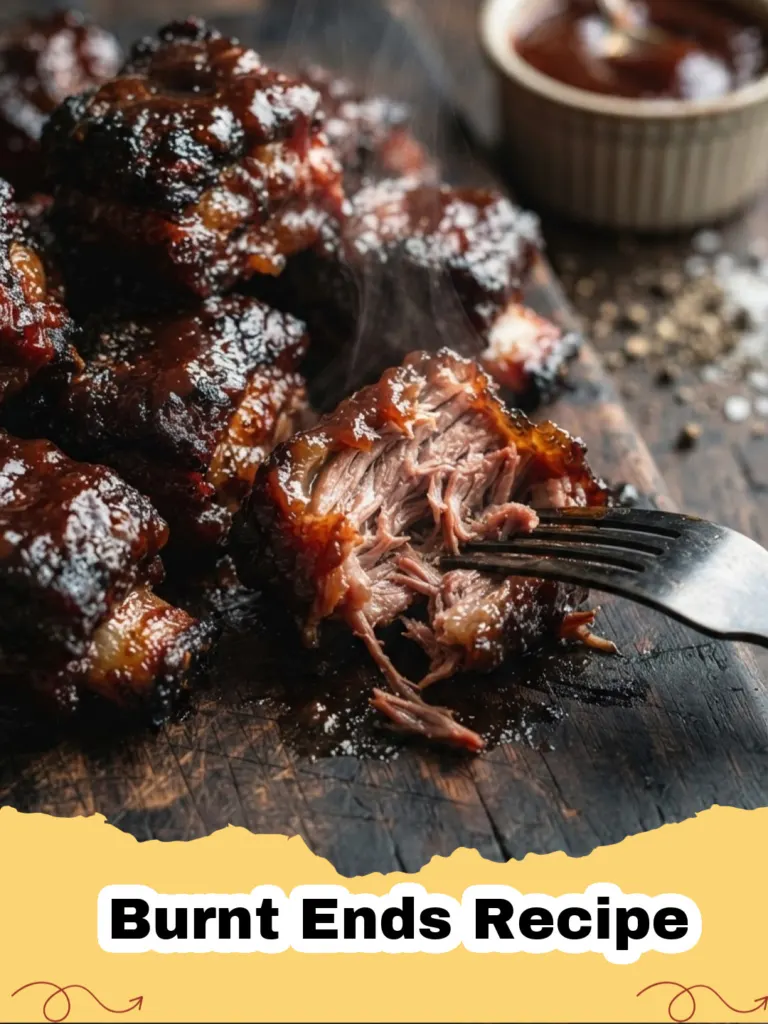
Smoky & Sweet BBQ Burnt Ends Recipe
Unlock the secrets to the best melt-in-your-mouth BBQ Burnt Ends with this comprehensive recipe. Featuring a perfectly smoked brisket point, braised to tender perfection, and coated in a sticky, sweet, caramelized BBQ glaze. Get ready for an unforgettable burst of smoky, savory, and sweet flavors!
- Total Time: 10 hours 30 minutes
- Yield: 8-10 servings 1x
Ingredients
3-4 lb beef brisket point (fatty end)
1/4 cup brown sugar
2 tbsp paprika
1 tbsp garlic powder
1 tbsp onion powder
1 tbsp coarse black pepper
1 tbsp kosher salt
1 tsp cayenne pepper (optional)
1/2 cup beef broth or apple juice
1 cup favorite BBQ sauce
2 tbsp unsalted butter (optional, for braising)
1-2 tbsp honey or maple syrup (optional, for glaze)
Instructions
Step 1: Trim the brisket point. Remove any hard fat but leave a 1/4-inch layer of soft fat. Pat dry with paper towels.
Step 2: In a small bowl, combine brown sugar, paprika, garlic powder, onion powder, black pepper, salt, and cayenne (if using). Rub this mixture generously all over the brisket point, pressing it in gently. Let it sit at room temperature for 30 minutes, or refrigerate for 2-4 hours, or overnight.
Step 3: Preheat your smoker to 250°F (121°C). Add wood chunks (oak, hickory, or pecan). Place the seasoned brisket point fat-side up on the smoker grates. Smoke for 5-7 hours, or until the internal temperature reaches 165-170°F (74-77°C) and a dark bark has formed.
Step 4: Transfer the brisket point to a disposable aluminum pan or a deep oven-safe dish. Pour in the beef broth or apple juice, and add butter if desired. Cover the pan tightly with aluminum foil.
Step 5: Return the covered pan to the smoker (or an oven preheated to 275°F/135°C). Cook for another 2-4 hours, or until the internal temperature reaches 200-205°F (93-96°C) and the meat is probe-tender.
Step 6: Remove the brisket from the pan and let it rest on a cutting board for 15-20 minutes. Reserve the pan drippings. Cut the brisket point into 1 to 1.5-inch cubes.
Step 7: Place the cubed brisket back into the aluminum pan with the reserved drippings. Drizzle with BBQ sauce (and optional honey/maple syrup), stirring to coat all the cubes evenly.
Step 8: Return the uncovered pan to the smoker (or oven) at 275-300°F (135-149°C). Cook for an additional 1 to 1.5 hours, stirring every 30 minutes, until the sauce is caramelized and sticky, and the burnt ends have a beautiful dark glaze and slightly crispy edges. Serve hot and enjoy!
Notes
For best results, use good quality wood for smoking. Monitor your smoker's temperature closely for consistent cooking. Don't rush the braising and caramelization steps; they are key to tender, flavorful burnt ends. If you don't have a smoker, you can adapt this recipe by using a charcoal grill with indirect heat and wood chips, or even an oven (though you'll miss some of the deep smoky flavor).
- Prep Time: 30 minutes
- Cook Time: 10 hours
- Category: Main Dishes & Savory Recipes
- Cuisine: American
Nutrition
- Serving Size: 4oz (113g)
- Calories: 480 kcal
- Sugar: 18g
- Sodium: 680mg
- Fat: 30g
- Saturated Fat: 12g
- Unsaturated Fat: 17g
- Trans Fat: 1g
- Carbohydrates: 25g
- Fiber: 1g
- Protein: 28g
- Cholesterol: 95mg