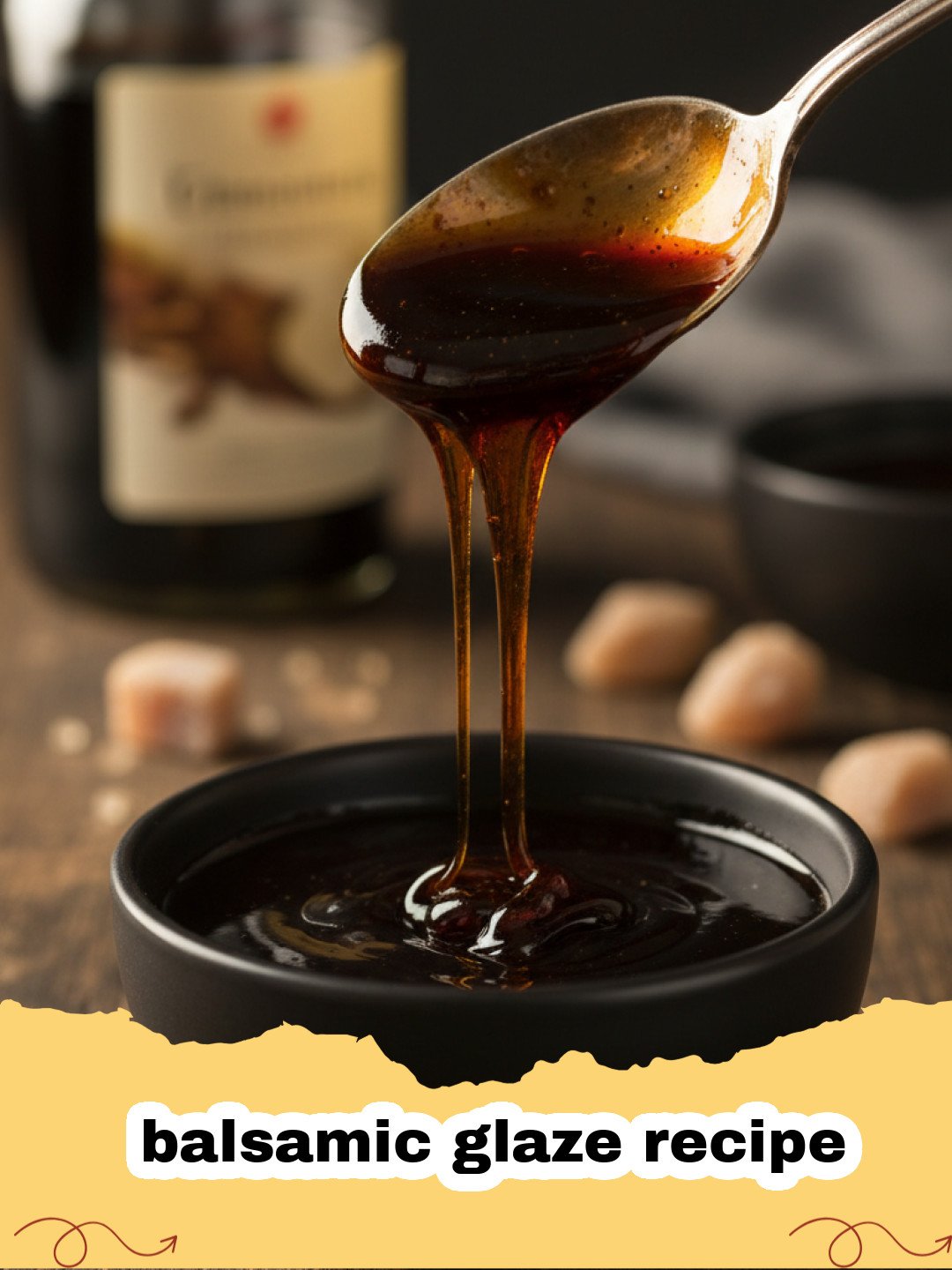
There are certain kitchen revelations that stick with you, moments when a simple ingredient transforms into something truly magical. For me, one such epiphany came during a cozy dinner party years ago. My friend served a vibrant Caprese salad, and drizzled over it was this glossy, dark syrup – sweet, tangy, and deeply rich. It wasn't just balsamic vinegar; it was a balsamic glaze recipe. I remember thinking, "What is this sorcery?" It elevated the fresh tomatoes and mozzarella to an entirely new level, making a classic dish feel gourmet. Until then, I’d only ever used balsamic straight from the bottle, never realizing its true potential. That evening sparked my curiosity, and I soon discovered that mastering a basic balsamic glaze recipe was not only incredibly easy but also opened up a world of culinary possibilities. From that day on, a bottle of homemade balsamic glaze has been a staple in my pantry, ready to transform everything from a simple breakfast to an elaborate dinner. It’s more than just a condiment; it’s a flavor enhancer, a little touch of sophistication that takes minimal effort for maximum impact. If you've been relying on store-bought versions or haven't ventured into making your own, prepare to have your mind (and taste buds) blown by this simple yet profound balsamic glaze recipe.
Why This Balsamic Glaze Recipe is a Must-Try
- Unbeatable Flavor: This homemade balsamic glaze recipe offers a depth of flavor that store-bought versions simply can't match. It's perfectly balanced between sweet and tangy, with a concentrated vinegar essence that adds complexity to any dish.
- Incredibly Versatile: From savory to sweet, this balsamic glaze recipe enhances a vast array of foods. Drizzle it over salads, grilled meats, roasted vegetables, fresh fruit, or even ice cream!
- Economical & Easy: Made with just one or two common ingredients, this balsamic glaze recipe is far more cost-effective than buying pre-made glazes. Plus, it requires minimal effort and comes together in under 20 minutes.
- Customizable Sweetness: While optional, adding a touch of sweetener allows you to adjust the glaze to your exact preference, giving you full control over the final taste profile of your balsamic glaze recipe.
Key Ingredient Notes
The beauty of this balsamic glaze recipe lies in its simplicity, requiring just one or two core ingredients. However, the quality of these ingredients makes all the difference in achieving that perfect glossy, flavorful reduction.
Balsamic Vinegar
This is, naturally, the star of our balsamic glaze recipe. Don't feel you need to splurge on a decades-old, ultra-expensive balsamic. A good quality, mid-range balsamic vinegar will work wonderfully. Look for one that lists 'grape must' (or 'mosto cotto' in Italian) as a primary ingredient, indicating a higher quality. Avoid those that primarily list wine vinegar and caramel coloring, as these will produce a less flavorful and thinner glaze. The better the vinegar, the richer and more complex your balsamic glaze recipe will be.
Sweetener (Optional)
While balsamic vinegar naturally sweetens as it reduces, some prefer an extra touch of sweetness to balance the tang. Granulated sugar, brown sugar, maple syrup, or honey are all excellent options. Start with a small amount, like a teaspoon or two, and adjust to your taste once the glaze has reduced. This step is entirely optional but can help to mellow out a particularly acidic vinegar or enhance the syrupy quality of your balsamic glaze recipe.
Step-by-Step Guide with Pro Tips
Making your own balsamic glaze recipe is incredibly straightforward. Follow these steps for a perfect, luscious glaze every time.
What you'll need: A small saucepan, a whisk, and a heat-safe jar or bottle for storage.
- Step 1: Pour 1 cup of balsamic vinegar into a small, heavy-bottomed saucepan. If you plan to add a sweetener, now is the time to stir in 1-2 teaspoons of granulated sugar, brown sugar, honey, or maple syrup. Whisk until dissolved.
- Step 2: Place the saucepan over medium-high heat and bring the vinegar to a gentle simmer. Do not boil vigorously, as this can scorch the vinegar and create a less pleasant flavor.
- Step 3: Once simmering, reduce the heat to medium-low. You want to maintain a consistent, gentle simmer. Avoid covering the pan, as the goal is to allow the liquid to evaporate.
- Step 4: Continue to simmer, stirring occasionally, for 10-20 minutes. The exact time will depend on your stove, the width of your pan, and your desired thickness. The balsamic glaze recipe will begin to thicken as the water evaporates.
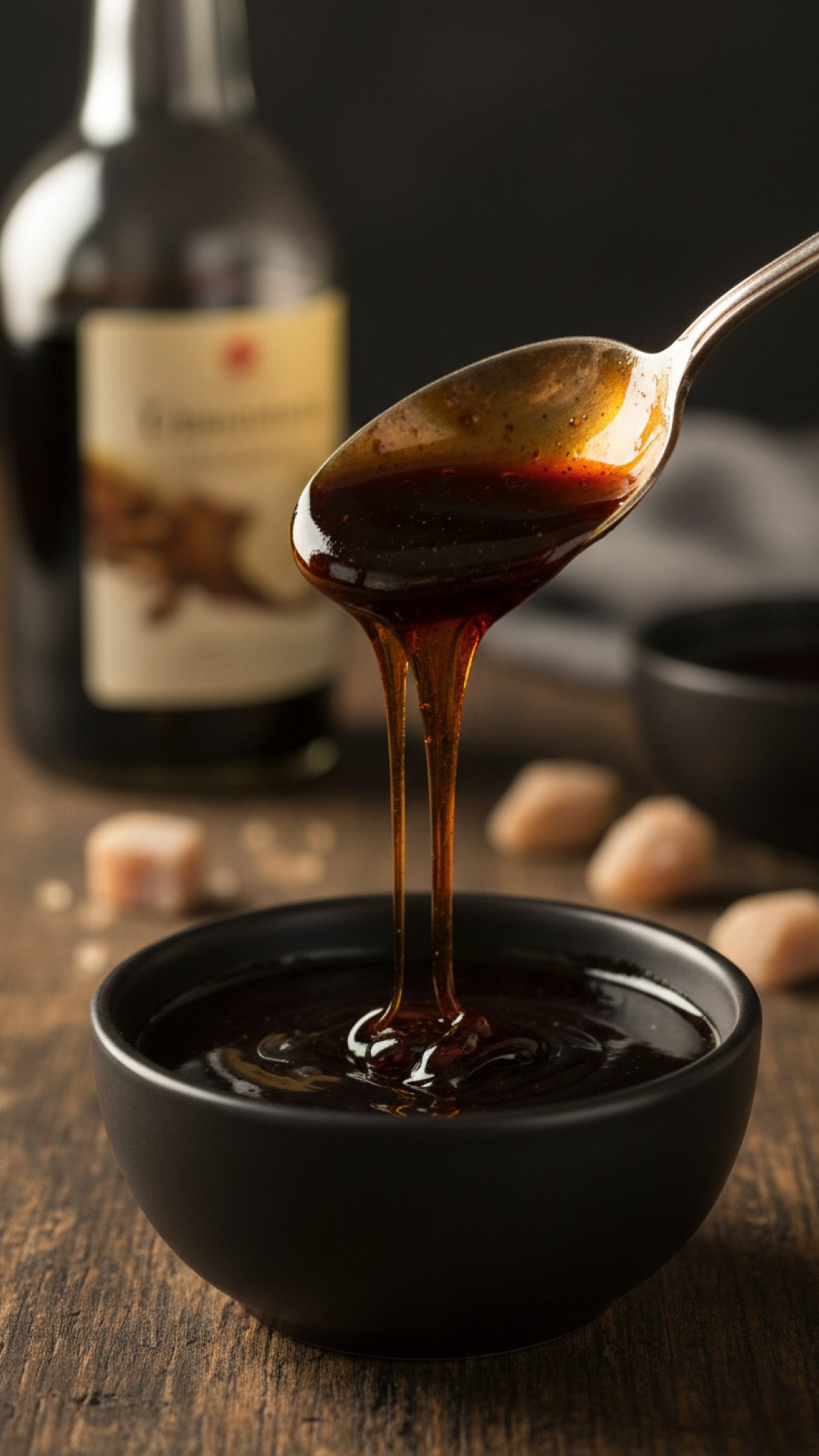
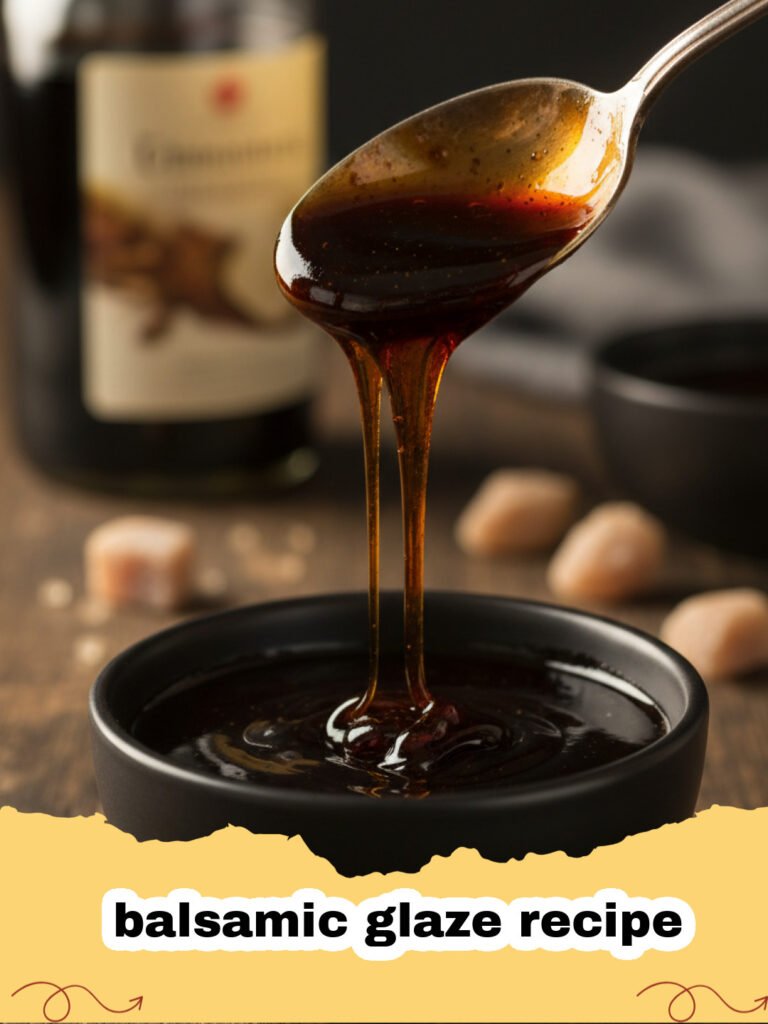
- Step 5: Keep a close eye on the consistency. The glaze is ready when it coats the back of a spoon, and you can draw a clean line through it with your finger. Remember, it will thicken significantly more as it cools, so don't over-reduce it while it's hot, or it will become too thick to pour.
- Step 6: Carefully remove the saucepan from the heat. Let the balsamic glaze recipe cool in the saucepan for about 10-15 minutes. As it cools, it will continue to thicken and become glossy. If it becomes too thick upon cooling, you can gently warm it with a tablespoon of water or more balsamic vinegar to reach your desired consistency.
- Step 7: Once cooled, transfer the homemade balsamic glaze recipe to an airtight container, such as an airtight glass jar. Store in the refrigerator. It will keep well for several weeks, or even months.
Variations & Serving Suggestions
Once you have your perfected balsamic glaze recipe, the possibilities are endless! Here are some ideas to inspire you:
Flavor Variations:
- Garlic & Herb: Infuse your balsamic glaze recipe with flavor by adding a crushed garlic clove and a sprig of fresh rosemary or thyme to the vinegar before simmering. Strain them out before storing.
- Spicy Kick: Add a pinch of red pepper flakes during the simmering process for a subtle warmth.
- Citrus Zest: A strip of orange or lemon zest added to the simmering vinegar can brighten the flavor profile of your balsamic glaze recipe. Remove before cooling.
- Fruit Infused: Try simmering with a few fresh berries (strawberries, raspberries) or even a slice of fig for a unique twist. Strain out the fruit solids before cooling.
Serving Suggestions:
- Salads: The classic pairing! Drizzle over Caprese salad, a simple green salad with goat cheese, or a spinach salad with strawberries.
- Roasted Vegetables: Toss roasted asparagus, Brussels sprouts, carrots, or sweet potatoes with a generous amount of balsamic glaze recipe for caramelized goodness.
- Meats & Poultry: Finish grilled chicken, steak, pork chops, or salmon with a elegant drizzle. It’s especially good on grilled salmon.
- Cheese Boards: A sophisticated addition to any cheese and charcuterie board, especially delicious with fresh mozzarella, burrata, or aged Parmesan.
- Fruits & Desserts: Yes, really! It's fantastic over fresh berries, sliced peaches, grilled pineapple, or even a scoop of vanilla ice cream with a sprinkle of sea salt.
- Sandwiches & Wraps: Add a gourmet touch to your sandwiches, especially those with roasted vegetables or fresh mozzarella.
Nutrition Information
| Nutrient | Amount Per Serving |
|---|---|
| Calories | 50 kcal |
| Carbohydrates | 12g |
| Cholesterol | 0mg |
| Fat | 0g |
| Fiber | 0g |
| Protein | 0g |
| Saturated Fat | 0g |
| Serving Size | 1 tbsp |
| Sodium | 5mg |
| Sugar | 10g |
| Trans Fat | 0g |
| Unsaturated Fat | 0g |
Conclusion
And there you have it – your very own, incredibly easy, and supremely delicious balsamic glaze recipe. This simple reduction truly is a kitchen game-changer, transforming everyday ingredients into something special with just a drizzle. No more paying premium prices for small bottles of store-bought glaze when you can create a superior product at home in minutes. Whether you’re jazzing up a weeknight dinner or preparing a feast for friends, this homemade balsamic glaze recipe will quickly become one of your favorite secret weapons. So, grab that bottle of balsamic vinegar, a small saucepan, and get ready to elevate your culinary creations to gourmet heights. Happy glazing!
FAQs
How long does homemade balsamic glaze last?
When stored in an airtight container in the refrigerator, homemade balsamic glaze can last for several weeks, and often even up to a few months. Its high acidity helps preserve it.
Why isn't my balsamic glaze thickening?
Your balsamic glaze might not be thickening if the heat is too low or if you haven't reduced it enough. Ensure it's at a consistent gentle simmer, allowing the water to evaporate. Remember, it will thicken considerably more as it cools, so don't expect it to be super thick while still hot.
Can I use any type of balsamic vinegar for this recipe?
While you can use most balsamic vinegars, a good quality, mid-range balsamic will yield the best flavor. Avoid very cheap vinegars that list caramel coloring as a main ingredient, as they may not reduce as well or have a less complex flavor profile for your balsamic glaze recipe.
What are common uses for balsamic glaze?
Balsamic glaze is incredibly versatile! It's fantastic drizzled over salads (especially Caprese), roasted vegetables, grilled meats (chicken, steak, salmon), fresh fruits, and even as a gourmet touch on cheese boards or in sandwiches. It adds a sweet and tangy punch to almost anything.
Easy Homemade Balsamic Glaze
A rich, sweet, and tangy reduction of balsamic vinegar that adds a gourmet touch to countless dishes, from salads to roasted vegetables and meats. This balsamic glaze recipe is simple, versatile, and far superior to store-bought versions.
- Total Time: 17-22 minutes
- Yield: 0.5 cups (4 servings) 1x
Ingredients
1 cup (240ml) balsamic vinegar (good quality, mid-range)
1-2 teaspoons granulated sugar, brown sugar, honey, or maple syrup (optional, to taste)
Instructions
Step 1: Pour 1 cup of balsamic vinegar into a small, heavy-bottomed saucepan. If using, stir in 1-2 teaspoons of your chosen sweetener until dissolved.
Step 2: Place the saucepan over medium-high heat and bring the vinegar to a gentle simmer. Do not allow it to boil vigorously.
Step 3: Once simmering, reduce the heat to medium-low. Maintain a consistent, gentle simmer and do not cover the pan.
Step 4: Continue to simmer, stirring occasionally, for 10-20 minutes. The glaze will gradually begin to thicken as the water evaporates.
Step 5: Monitor the consistency carefully. The balsamic glaze is ready when it coats the back of a spoon and you can draw a clean line through it. Remember, it will thicken considerably more as it cools.
Step 6: Remove the saucepan from the heat and allow the balsamic glaze to cool in the pan for 10-15 minutes. It will become glossy and reach its final consistency as it cools.
Step 7: Once cooled, transfer the homemade balsamic glaze to an airtight container. Store in the refrigerator for several weeks, or even months.
Notes
The consistency of your balsamic glaze is key. It should be thick enough to coat a spoon but still pourable. If it becomes too thick after cooling, gently warm it with a teaspoon of water or additional balsamic vinegar to thin it out. For a thinner glaze, reduce for less time; for a thicker, more syrupy glaze, reduce for a little longer, but be careful not to burn it.
- Prep Time: 2 minutes
- Cook Time: 15-20 minutes
- Category: Main Dishes & Savory Recipes
- Cuisine: Italian
Nutrition
- Serving Size: 1 tbsp
- Calories: 50 kcal
- Sugar: 10g
- Sodium: 5mg
- Fat: 0g
- Saturated Fat: 0g
- Unsaturated Fat: 0g
- Trans Fat: 0g
- Carbohydrates: 12g
- Fiber: 0g
- Protein: 0g
- Cholesterol: 0mg